I’ve grown a lot of vegetables over the years—some with great success, and others that didn’t quite make it. What I’ve learned is that certain vegetables are just plain easier to grow. They’re dependable, low-maintenance, and still manage to produce a harvest I’m excited to eat.
These are the vegetables I always come back to season after season. They’re the ones I recommend to new gardeners or anyone who wants a simpler way to grow fresh food. If you’re looking for easy wins in the garden, these vegetables are a great place to start.
Beans

Beans are super easy to grow, especially when supported by a trellis or poles to climb. I love that they sprout quickly, and I’m usually harvesting in under two months.
Tomatoes

Tomatoes are a must in the garden every year. I start them from seed indoors early in the spring. There’s nothing like picking your own sun-ripened tomatoes right off the vine.
Peas

Peas are incredibly easy to start from seed in early spring or fall. Sow pea seeds in groups of two or three in pots or directly in the ground, making sure the fast-growing seedlings have a trellis for support.
Cucumbers

There’s nothing more refreshing than a cool, crisp cucumber straight from the garden. They’re fast growers, perfect for vertical gardening, and the fresh crunch straight from the vine is unbeatable. They do great in my raised beds with just a little support.
16 Companion Plants for Happier, Healthier Cucumbers
Zucchini

Zucchini might be the easiest vegetable to grow. Just toss a few seeds into the ground, and before long, you’ve got more squash than you know what to do with. It thrives in summer heat and doesn’t need much attention.
Arugula

Arugula grows so quickly. It’s peppery, flavorful, and one of the first greens I can harvest in spring. As long as I keep it watered, I get multiple cuttings before the weather gets too hot.
Carrots

Carrots are a cool-season crop that can be planted in spring and late summer. They are crunchy, sweet, and highly nutritious. Carrots prefer loose, sandy soil that allows for straight growth. Avoid rocky soil to prevent misshapen carrots. Plant in early spring or late summer for a fall harvest.
Related: How to Store Carrots | 3 Ways
Spinach
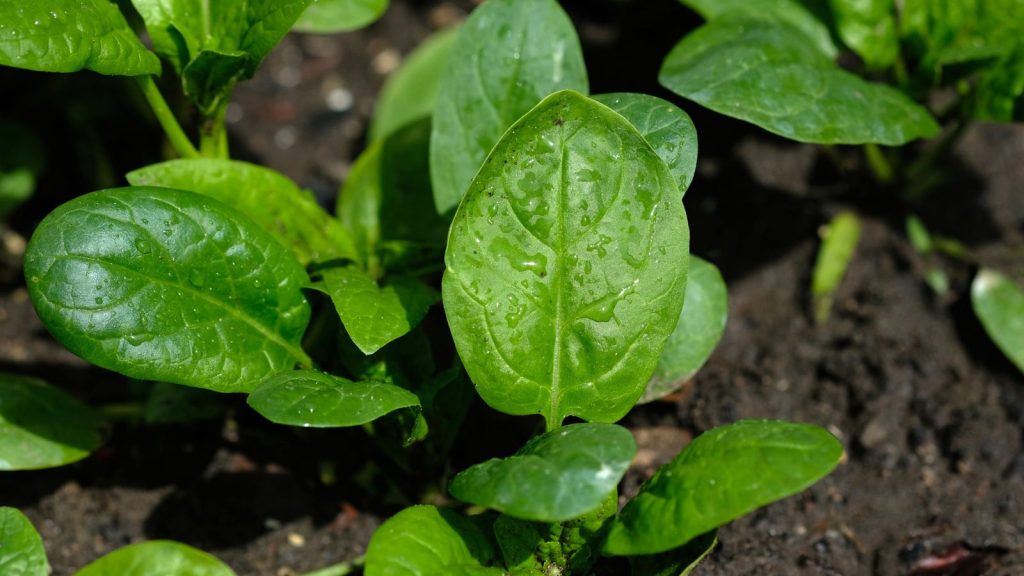
Spinach practically grows itself in the cooler months. I plant it in early spring and again in the fall, and it rewards me with lots of tender leaves. It’s one of my go-to greens for salads and smoothies.
Lettuce

Lettuce is always part of my garden plan because it grows quickly and doesn’t take up much space. I stagger my plantings to maintain a steady supply, and with just a bit of water and shade in the heat, they keep going strong.
Green Onions

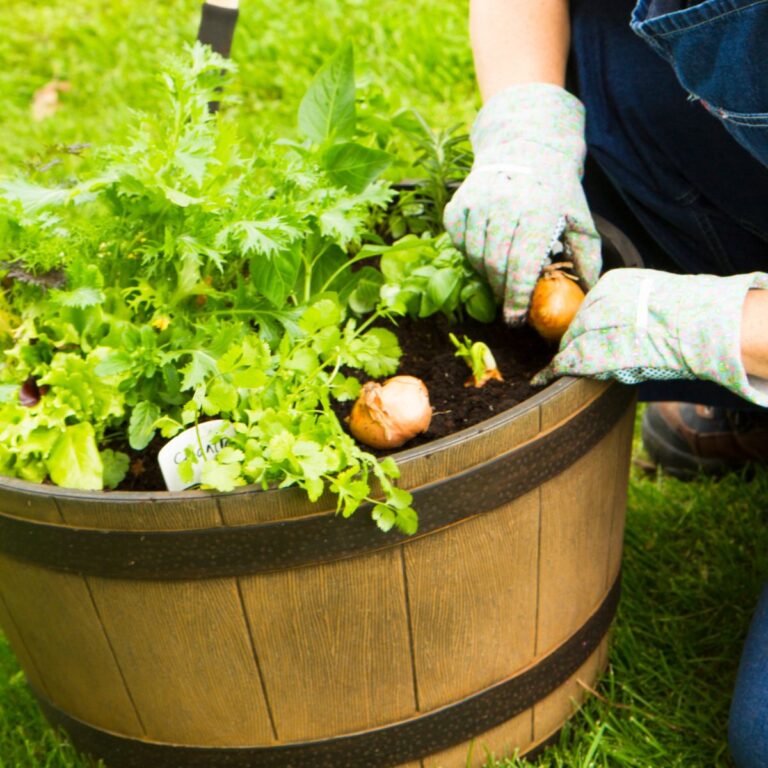
Green Onions are unfussy and grow well in most gardens. They add a mild onion flavor to countless dishes. They require well-drained soil with full to partial sun exposure.
Chives

Chives are one of the few perennial vegetables that can thrive in nearly all kinds of soil and weather conditions. These hardy plants are known for their slender, grass-like leaves and delicate onion-like flavor. Chives are a perfect addition to creamy potato dishes, providing a subtle and fresh onion taste.
Beets

Beets have become one of my go-to vegetables because they’re quick to grow. I like to pick them young when they’re extra sweet, and I’ll toss both the roots and the tops into salads or roast them for dinner. As long as I plant them in loose, well-draining soil and keep them watered, they always do well for me.
Peppers

Both sweet bell peppers and hot chili varieties grow well in vertical gardens, especially when supported by stakes or cages. Encouraging an upright growth habit reduces overcrowding, improves airflow around the plants, and makes harvesting easier. This method also keeps the ripening peppers off the ground, reducing pest problems and preventing the fruit from rotting.
Broccoli

Broccoli is another beginner friendly vegetable to grow. Broccoli thrives in cooler weather, requires consistent watering, and is relatively pest-resistant compared to other vegetables. With proper care, broccoli can yield a rewarding harvest.
Potatoes
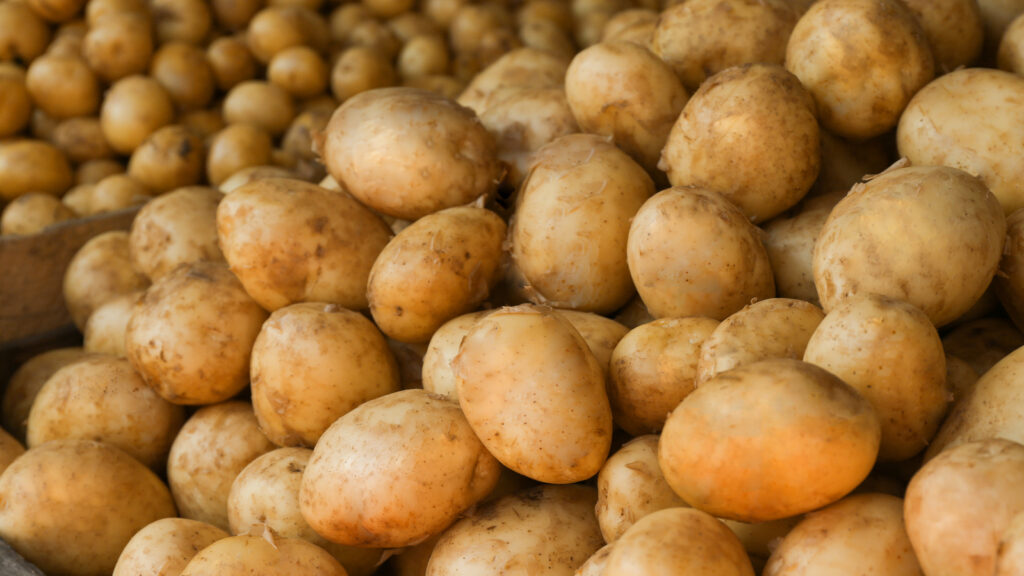
Potatoes are highly beginner-friendly because they’re simple to plant and care for. They grow well in a variety of conditions, require minimal maintenance, and can even be grown in containers.
Swiss Chard

Swiss chard thrives in raised beds due to the soil’s consistent fertility, which promotes robust growth. The bed’s height also makes harvesting the leaves easier.
Radishes

Radishes are one of the quickest-growing vegetables, with some varieties ready to harvest in three weeks. They add a peppery kick to salads and dishes. Plant radish seeds in cool weather and well-drained soil. They need full sun to partial shade.
Kale

Kale is a hearty, nutrient-dense vegetable that grows well in containers or racks as part of a vertical garden. This hardy vegetable is the perfect low-maintenance addition to a winter vegetable garden.
How to Start a Herb Garden from Scratch

Growing something as simple as our own herbs is a huge step towards sustainability. You can begin the process in a small space in the kitchen or backyard with some of your favorite herbs. Here are some simple but practical steps to get you started on your own herb garden.
How to Start a Herb Garden from Scratch
I’ve Grown Tomatoes for Years —These Are the Tips That Actually Work
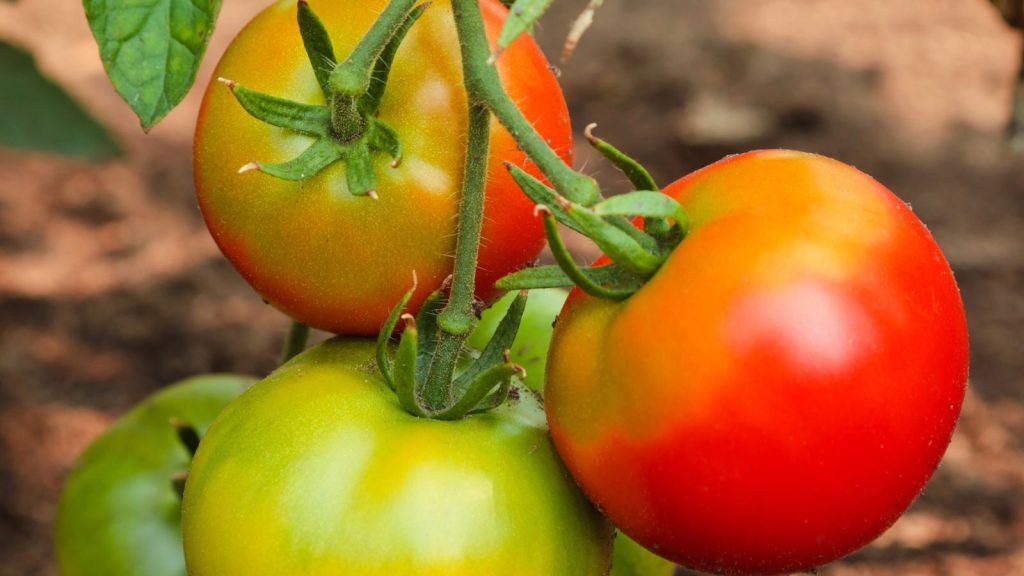
If you’re tired of trial and error and need advice that actually yields results, here are 18 tips that’ll help you grow the best tomatoes of your life.
I’ve Grown Tomatoes for Years —These Are the Tips That Actually Work
How to Get Rid of Squash Bugs for Good
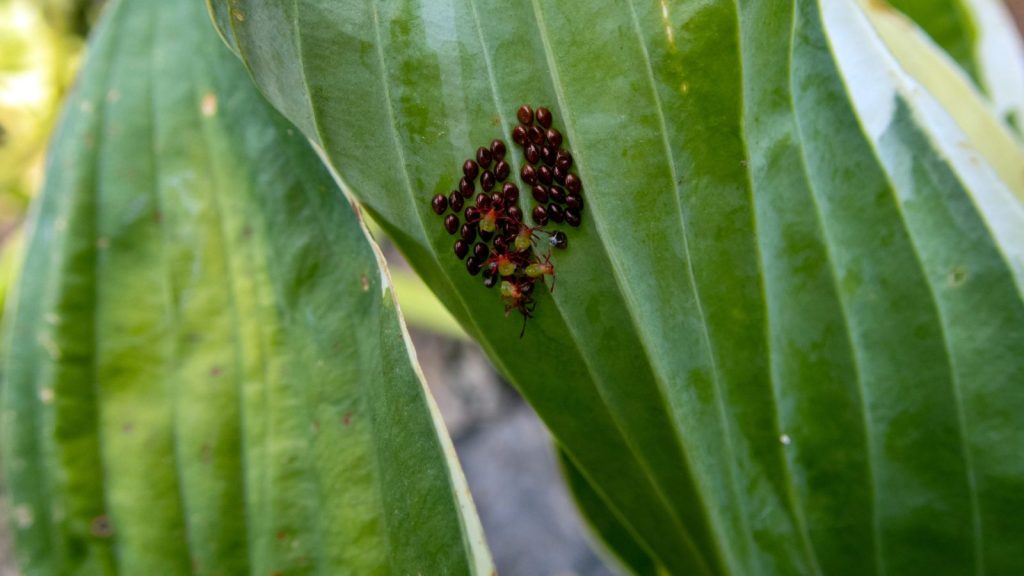
Let’s talk about ways you can identify squash bugs at every stage of their life cycle, recognize the damage they leave behind, and explore effective, natural methods to control and eliminate them for good!