



You never know when we’re going to deal with a short supply of some of the basic medicines we have come to depend on. Having a supply of over-the-counter (OTC) medications can help you manage common illnesses and injuries during emergencies. They may not technically be life-saving, but they are certainly going to make your life a lot better. Trying to chop wood or collect water with a splitting headache or sore back is just going to make life a little more difficult. If you don’t have to live with the pain, why would you?
Stock up on these OTC meds now just in case they disappear or SHTF happens and you can’t get them. You can certainly buy generic options.
1. Pain Relievers

Stock up on acetaminophen (Tylenol) and ibuprofen (Advil) for pain relief, fever reduction, and inflammation.
2. Antihistamines

Medicines like Benadryl or Claritin can help manage allergies and allergic reactions. This could be life-saving for those suffering an allergic reaction.
3. Cold and Flu Remedies

Have decongestants, cough suppressants, and fever reducers to treat cold and flu symptoms.
4. Antacids

Keep antacids like Tums or Pepcid for heartburn, indigestion, and acid reflux.
5. Anti-Diarrheal Medication

Imodium is essential for managing diarrhea and preventing dehydration.
6. Electrolyte Solutions

Stock electrolyte replacement solutions or powders, like Pedialyte or oral rehydration salts. Those hydration packs you can buy at the grocery store are a great option.
7. Antiseptics

Hydrogen peroxide, rubbing alcohol, and antiseptic wipes can help clean wounds and prevent infection. Have 3 and 7 percent peroxide options on hand as well.
8. Triple Antibiotic Ointment

Neosporin or similar ointments are vital for wound care.
9. Antifungal Creams

Treat athlete’s foot, jock itch, or fungal infections with creams like clotrimazole or miconazole.
10. Hydrocortisone Cream

Use this for rashes, insect bites, or skin irritations.
11. Cough Drops or Lozenges

Soothe sore throats and reduce coughing with menthol lozenges.
12. Motion Sickness Medication

Dramamine or meclizine can help prevent nausea and vomiting from motion sickness.
13. Eye Drops

Lubricating or redness-relief eye drops can be helpful for dry or irritated eyes.
14. Allergy Eye Drops

Stock antihistamine eye drops for allergy-related eye irritation.
15. Thermometer and Fever Strips
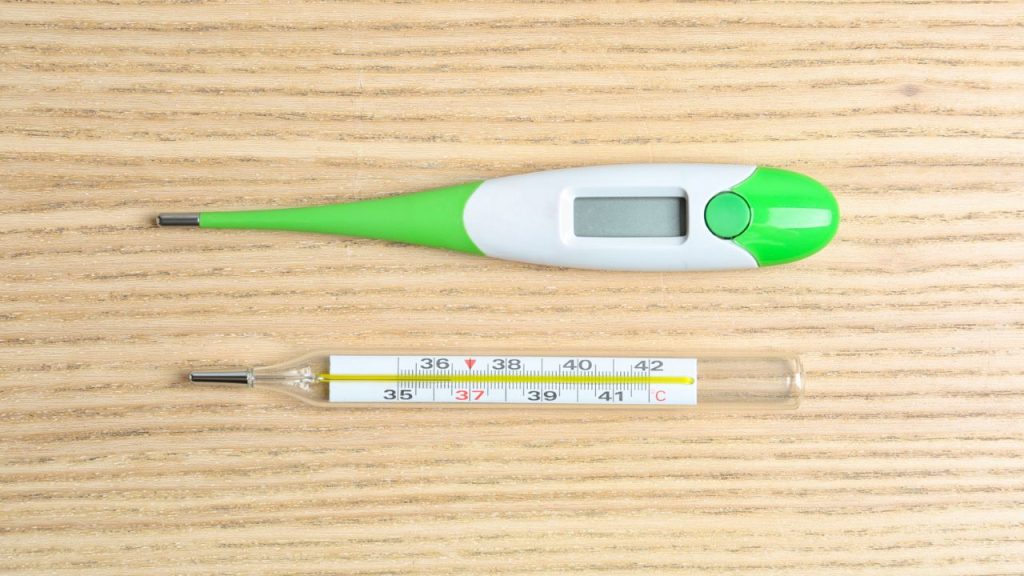
Keep a reliable thermometer to monitor fevers, along with disposable fever strips for quick checks.
16. QuikClot

This coated gauze can stop bleeding. It’s a hemostatic agent that causes blood to clot.
17. Vicks/Vapor Rub

Vicks can break up congestion, but it also serves many other uses.
18. Laxatives

With dietary changes, your digestive system is going to take some hits. Keep some laxatives on hand.
19. Sleeping Meds

Unisom or something similar may be needed to help you get the sleep you’ll need. SHTF is going to be stressful. Sleep might be difficult.
20. Vitamins

A good multi-vitamin can help keep you healthy. Stock up on them.