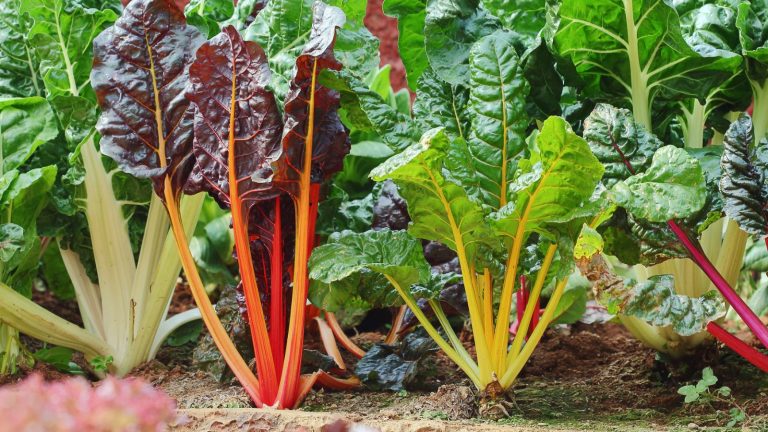

Planting perennials is one of the easiest ways to create a garden that gets better with time. Once they’re settled in, these flowers return year after year, bringing reliable color and beauty to your landscape without the need to replant.
If you want low-maintenance plants that deliver lasting beauty, these are the perennials I’ve planted once and enjoyed for seasons to come.
Hydrangeas
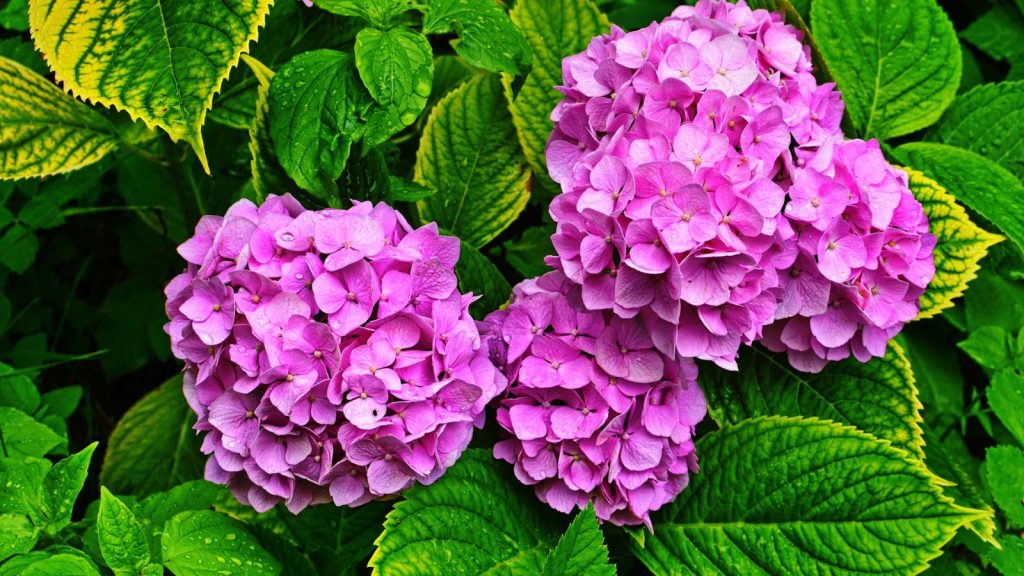
I planted my first hydrangeas years ago, and they still reward me with giant, rose-like blooms each season. What fascinates me most is how their color shifts depending on the soil’s pH. They do best with morning sun and afternoon shade, and I make sure the soil stays rich, moist, and well-drained.
Aster
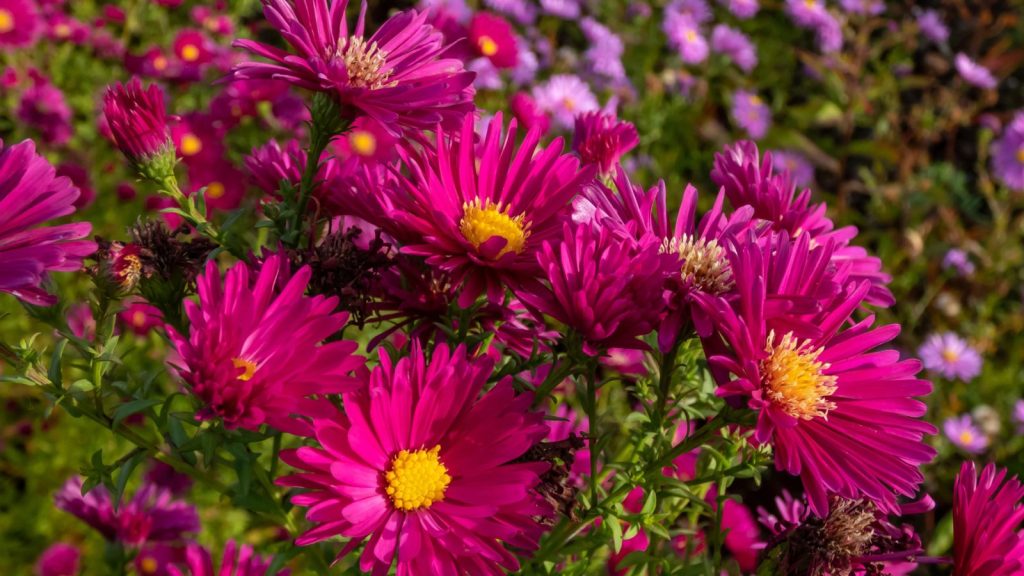
Asters have become one of my favorite fall flowers. I love their purple and pink tones, and so do the bees and butterflies. Every year, they return right when the rest of the garden starts to fade.
Bellflower

These sweet, bell-shaped flowers in shades of blue and purple add a pop of charm to my garden borders. They’ve been great for attracting pollinators.
Coneflower (Echinacea)

Coneflowers are a no-brainer in my garden. They’re low-maintenance, heat-tolerant, and bloom from early summer until frost. Plus, the bees can’t stay away. I’ve barely had to touch them since planting, yet they come back strong every year.
Black-Eyed Susan (Rudbeckia)
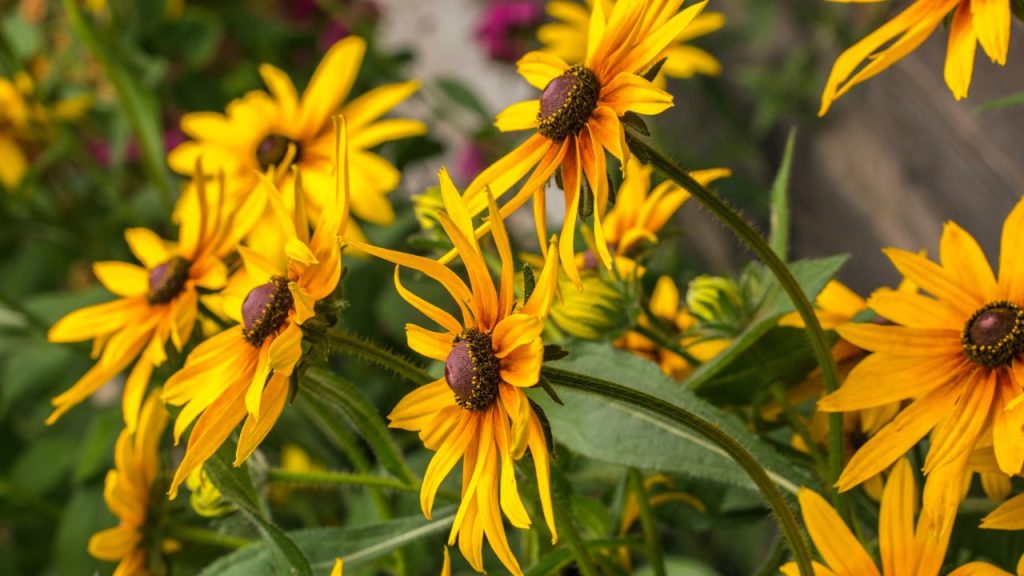
These sunny yellow blooms are cheerful and tough as nails. I’ve used them as borders, fillers, and even ground cover in sunny patches. They bloom nonstop from midsummer through fall, and I love watching butterflies flit around them.
Irises (Iris × germanica)
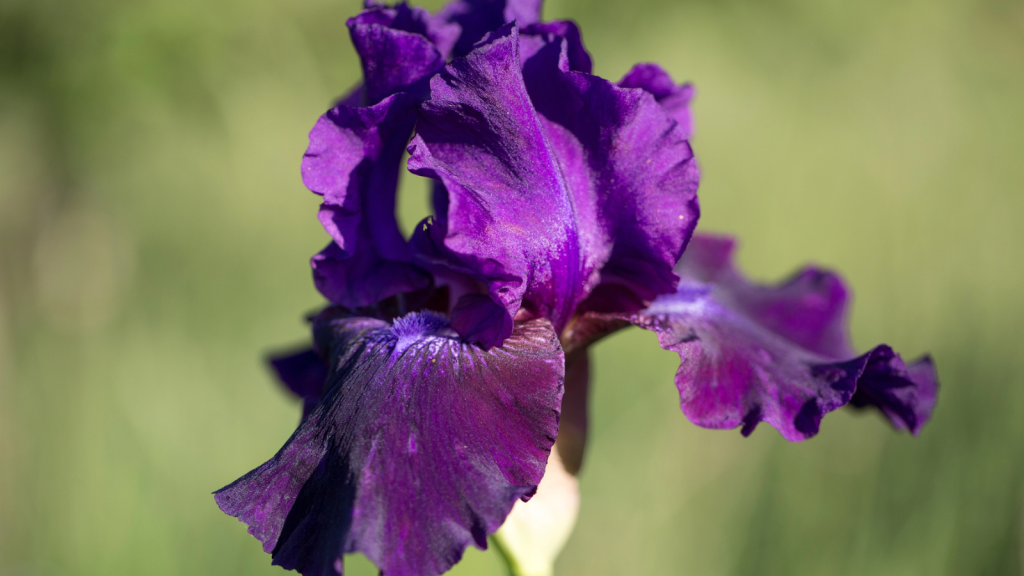
Irises spread quickly and put on a gorgeous early-summer show. Every few years, I divide them to keep the blooms coming. Bearded varieties need more frequent attention, while my Siberian irises are more hands-off.
Hardy Geranium (Geranium spp.)
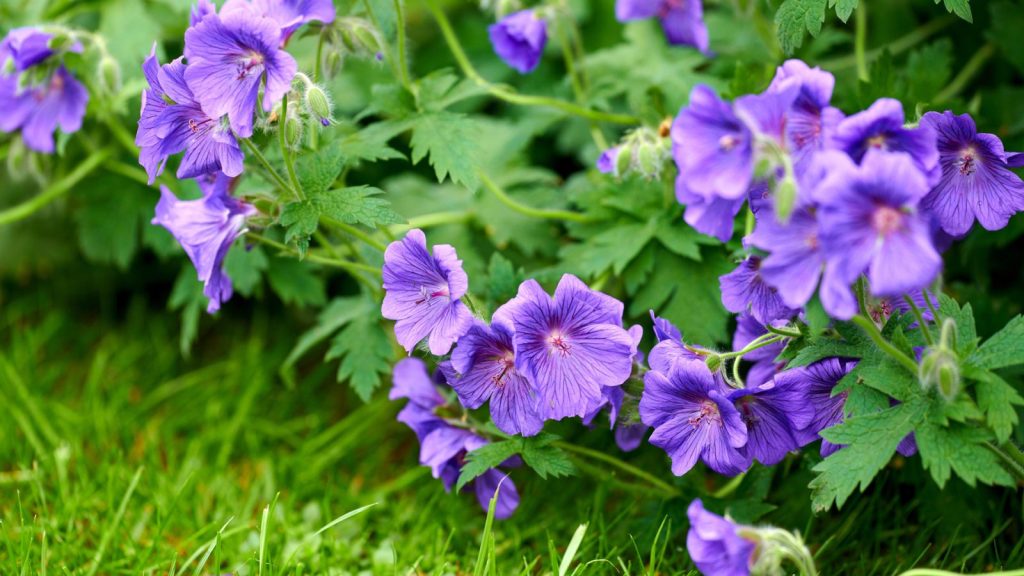
These little workhorses bloom all summer long in the garden. They can get a bit woody with age, but a quick trim or dividing session keeps them looking fresh.
Blanket Flower (Gaillardia x grandiflora)
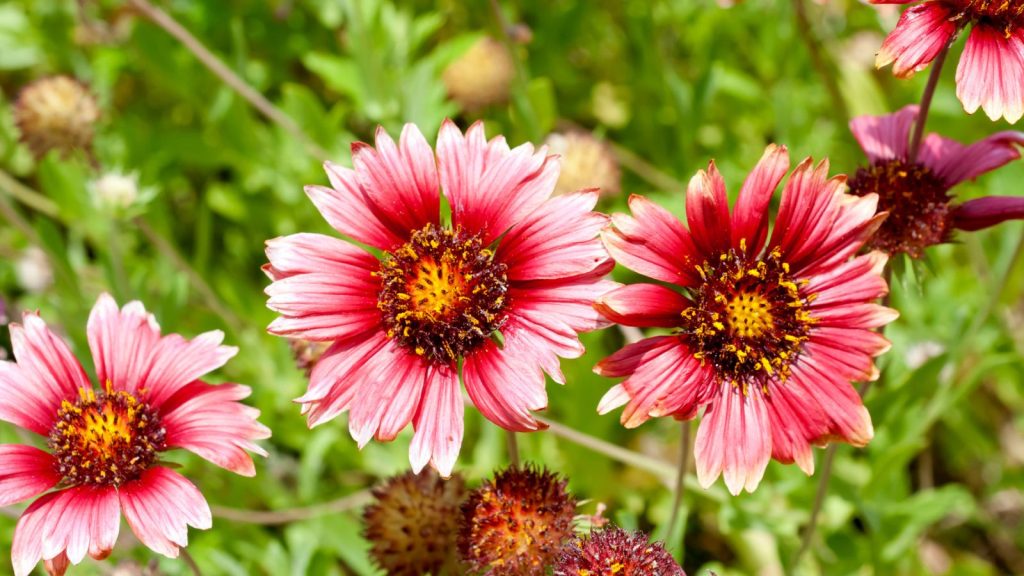
After a few years,
Lungwort (Pulmonaria)
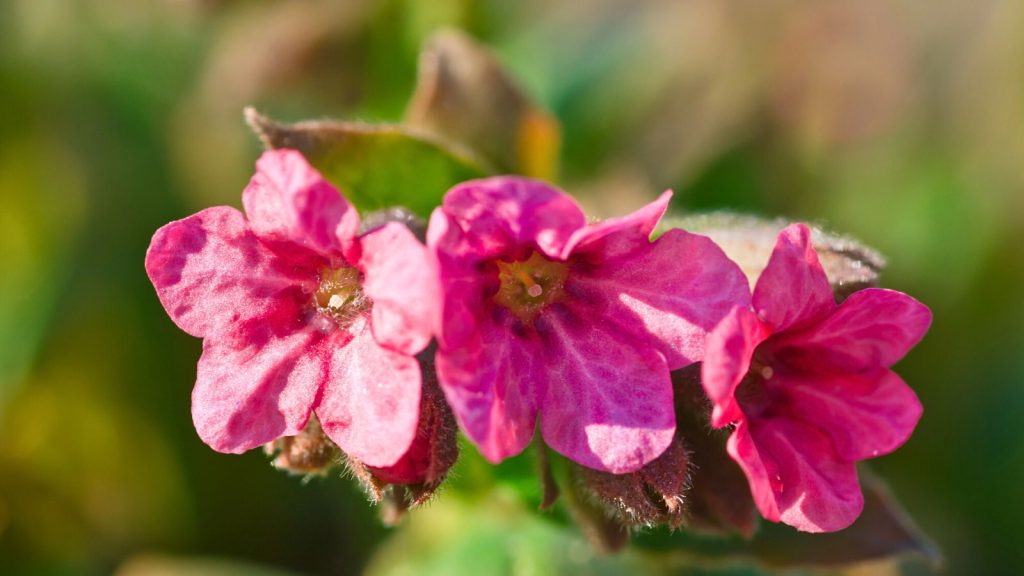
Over time, lungwort may spread too much or thin out in the center. Bigger leaves also tend to wilt easily. Dividing the plant every 3 to 4 years helps to rejuvenate it. The best time to do this is in summer/early fall or spring, right after flowering.
Clematis

This vine adds a real wow factor to my garden. The purple blooms are breathtaking, and with full sun and regular watering, it rewards you year after year.
Peony
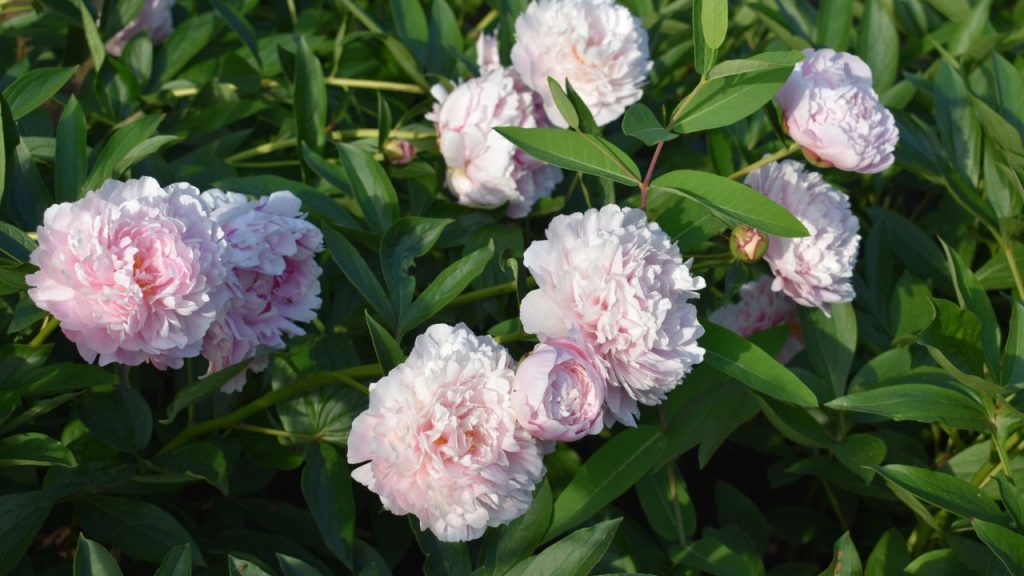
If I had to pick a favorite,
Sneezeweed

Sneezeweed’s bright, daisy-like flowers bloom in late summer and fall, bringing vibrant yellow, red, and bronze hues to sunny gardens. These flowers are perfect for cutting and arranging. Despite its name, it does not trigger sneezing or allergies.
Japanese Anemone (Anemone hupehensis)
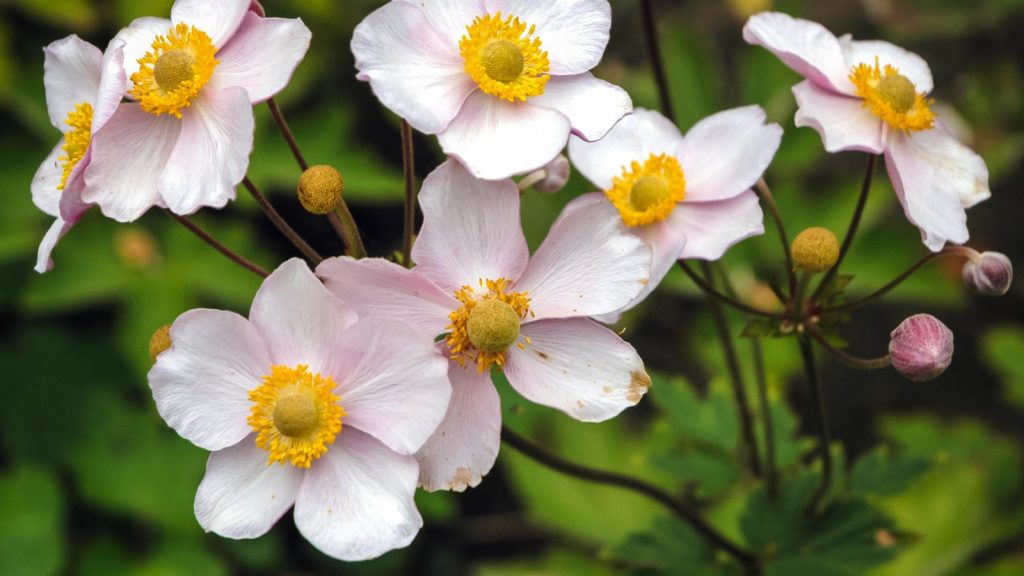
Japanese anemones make great border plants because, like astilbes, they grow well in the shade. Their tall, late-season blooms, which are soft pink or purple, are perfect for filling in gaps as summer blooms fade. They grow well in USDA zones 4-8 in moist, well-drained, acidic to neutral soil with full or partial sunlight. At maturity, they can grow up to 4 ft tall.
Lupine (Lupinus)
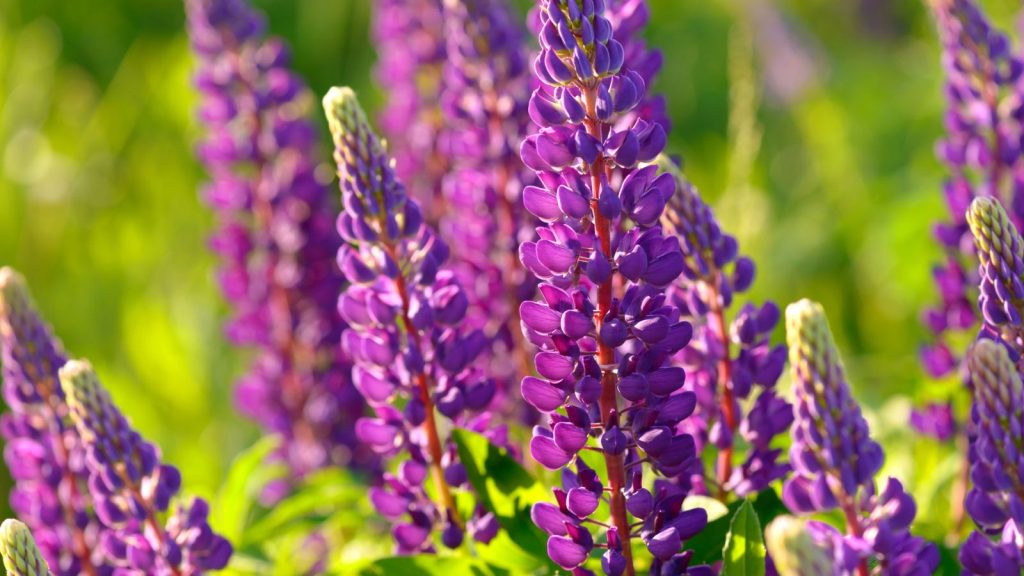
Lupines are towering plants with bold colors that add a nice vertical contrast with other softer blooms in your garden. The flowers range from soft pastels to bold reds, purples, and blues, allowing gardeners to choose colors that complement their garden design.
Apart from their aesthetic appeal, lupines are nitrogen-fixers that help improve soil health. They require well-drained, slightly acidic to neutral soil under full or partial sun to grow and flourish in USDA zones 4-8.
Lady’s Mantle (Alchemilla mollis)
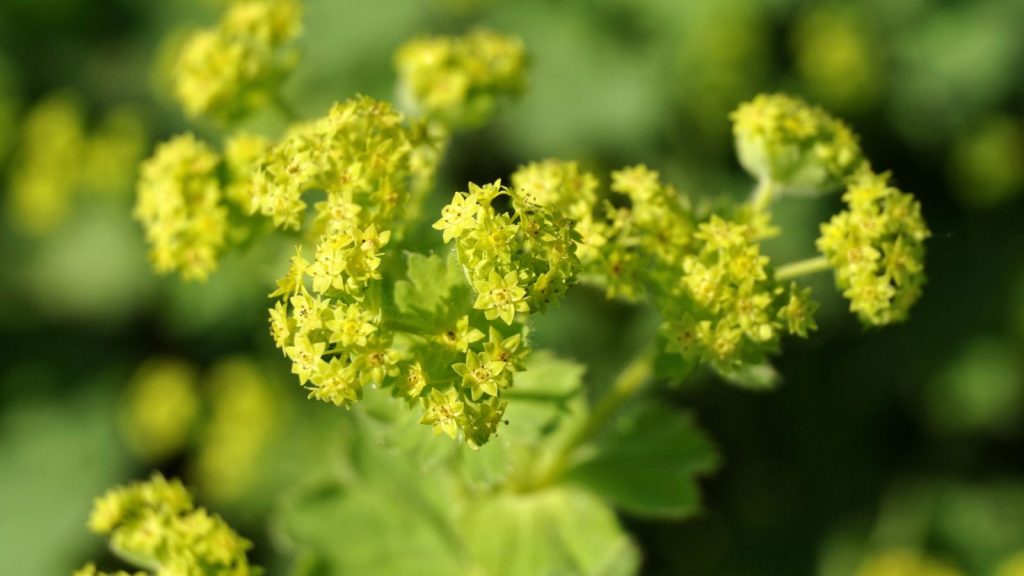
Lady’s Mantle can be grown along borders or pathways to soften the edges. Its small, beautiful, chartreuse-colored flowers contrast beautifully with taller, spikier plants (like lupines, for example).
Lady’s mantle tolerates most soils except dry or waterlogged ones. They grow best in USDA zones 3-8 with 6 hours of sun daily. Mature height is about 18-24 inches.
Lavender (Lavandula)
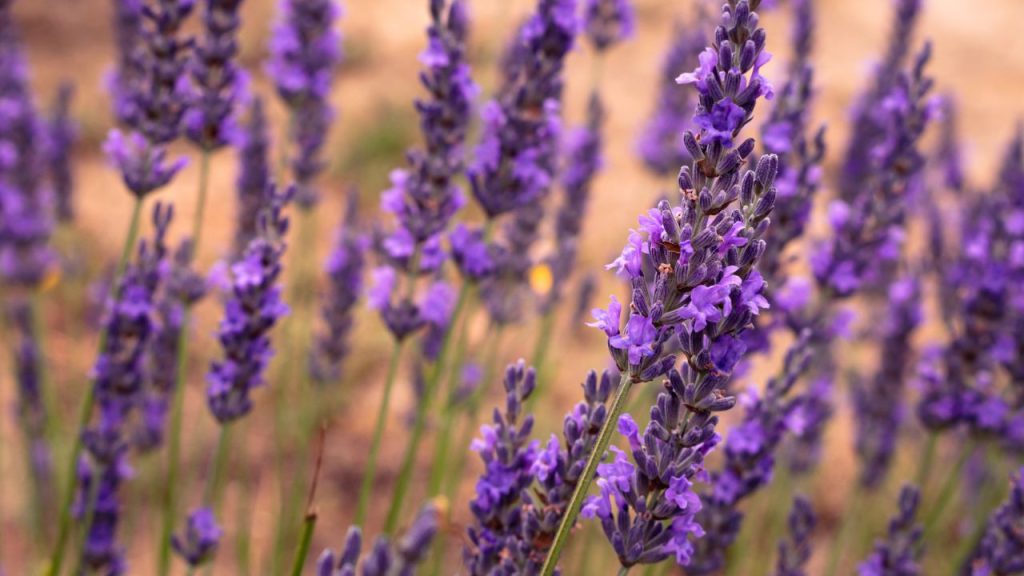
With its striking purple color and soothing aroma, lavender attracts butterflies and is perfect for low-maintenance gardens. It thrives in sunlight with minimal water, keeps deer at bay, and fills the garden with a wonderful scent. It’s ideal for easy-care gardens while keeping the deer away.
Bee Balm (Monarda)
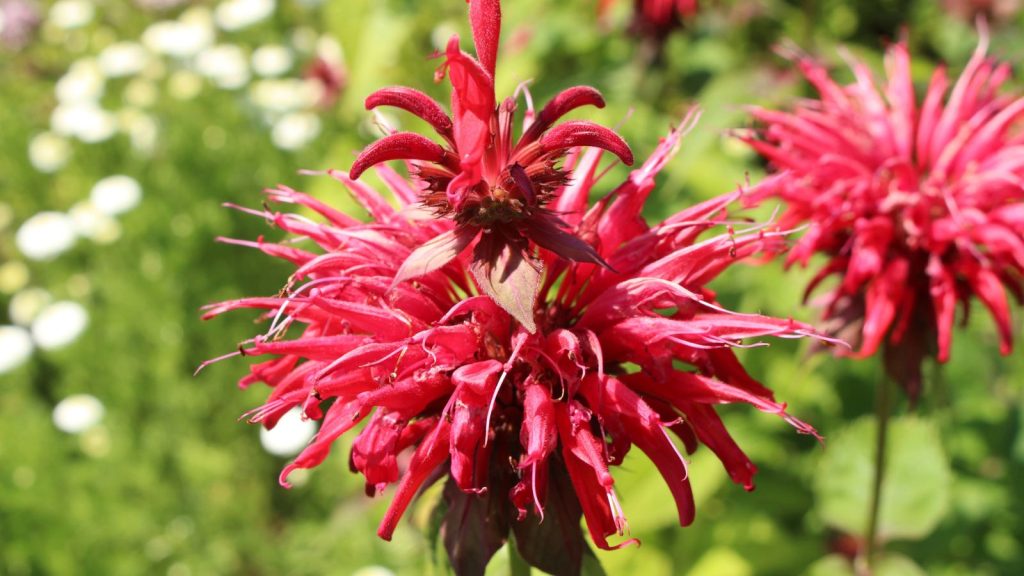
Bee balm is a win-win plant; it repels mosquitoes and attracts butterflies, bees, and even hummingbirds.
Garden Phlox

Phlox blooms are classic garden plants with a sweet fragrance that is irresistible to bees. It comes in many colors, including pink, purple, white, and
Sedum (Autumn Joy)

Sedum varieties are low-maintenance and thrive in full sun. They provide late-season blooms and are excellent for attracting butterflies. These flowers are long-lasting and dry well for winter arrangements. Zones 3-9
Alliums
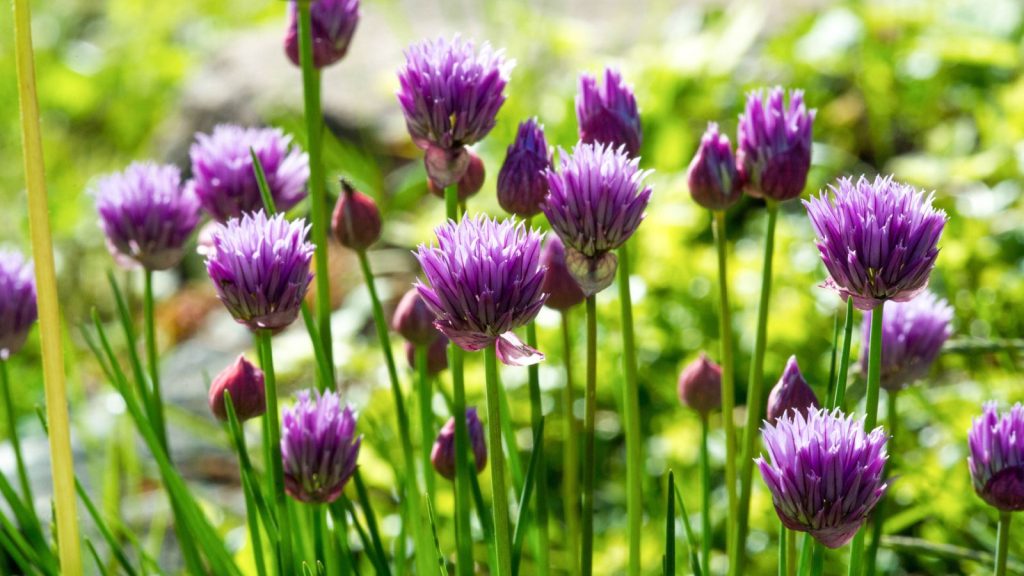
Alliums are striking ornamental bulbs that produce beautiful flowers on tall, slender stalks. They add dramatic height and visual interest to garden beds and borders. They are easy to grow and low-maintenance. Additionally, their strong scent repels squirrels and other garden pests, making them an effective natural deterrent.
Goldenrod (Solidago spp.)

Goldenrod is a plant that blooms in late summer, with tall spikes of small, bright yellow flowers. It does best in conditions ranging from full sun to partial shade. The vivid yellow flowers of Goldenrod attract bees and other pollinators like a magnet.
Yarrow (Achillea)
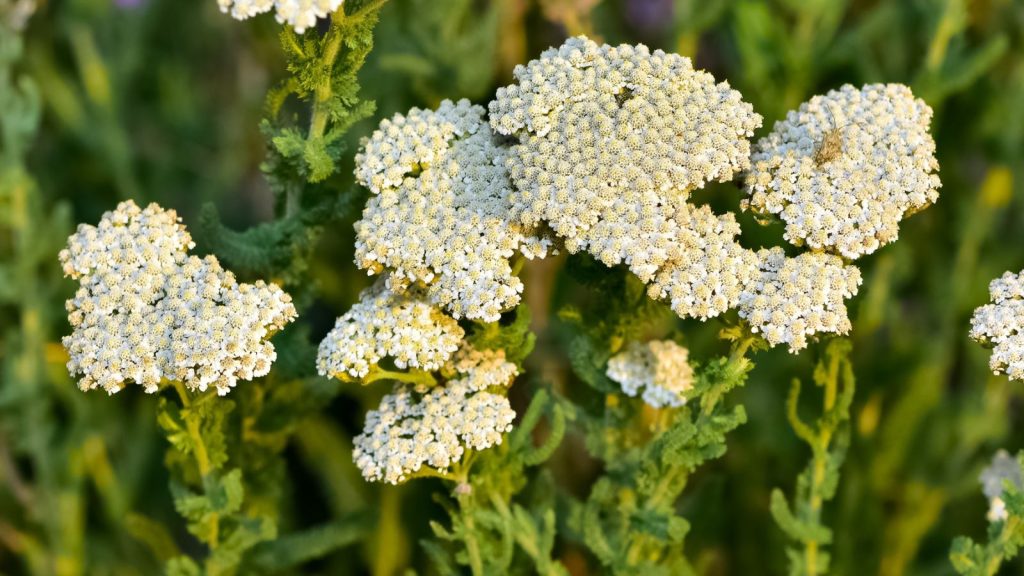
Yarrow produces clusters of small, flat-topped flowers in colors ranging from yellow to white, pink, and red. It’s drought-tolerant and thrives in full sun. Zones 3-9
Penstemon

Penstemon is deer-resistant and known for its colorful, tubular flowers that attract bees and hummingbirds. Its unappealing taste and texture to deer make it an excellent choice for gardens seeking beauty and wildlife attraction without attracting deer. Zones 3-9
Turtlehead

Named for its unique flower shape, which resembles a turtle’s head, Turtlehead thrives in moist, shaded areas, providing late-season color with its pink or white blooms. This plant pairs nicely with small shrubs. Zone 3-8
Virginia Bluebells
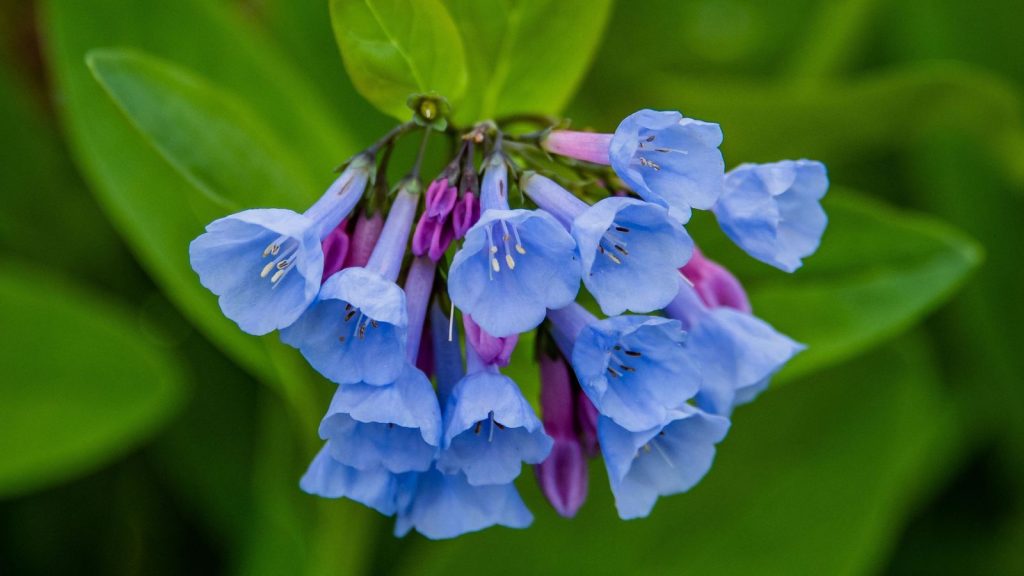
Native to the eastern United States, these plants feature pale green leaves and stalks of tubular, blue flowers that transition from pink to clear blue before going dormant. They naturalize well, creating breathtaking drifts of color in spring.
Bleeding Heart
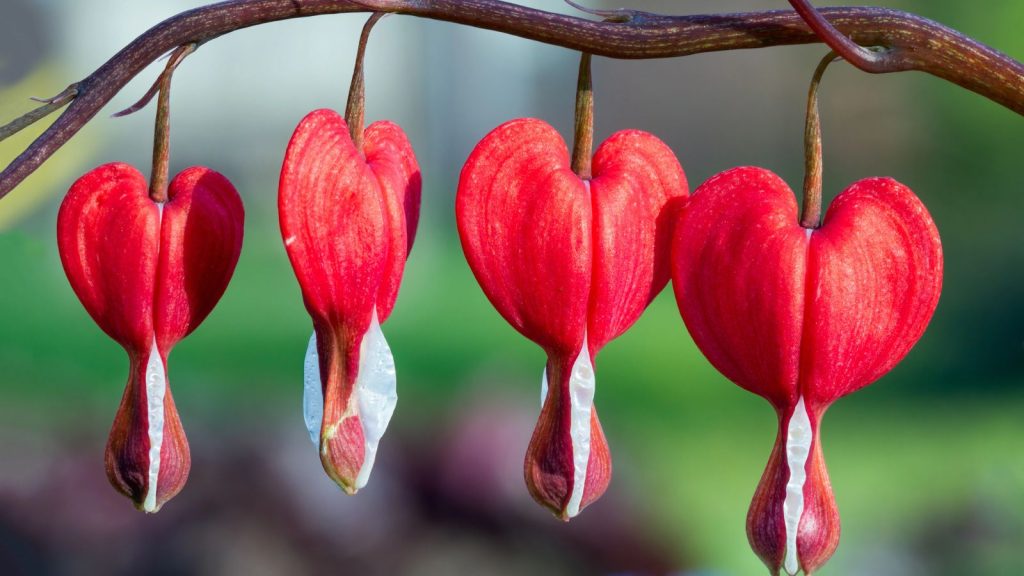
Known for its heart-shaped flowers on arching stems, Bleeding Heart is a beautiful addition to shady spots. This plant requires rich, well-draining garden soil that doesn’t dry out. It is the longest blooming of all the perennials and grows up to 15 inches. Zones 3-9
Columbine

Columbine is a perennial plant with bright flowers that contrast against dark, clover-shaped leaves. Available in various colors, including two-tone options, its unique bell-shaped flowers with five spurs are sure to catch the eye. This sun-loving perennial is Ideal for slopes, ledges, or open garden spaces. Columbine adds beauty, attracts wildlife, and deters deer. Zones 3-9
False Indigo

Known for its striking spikes of brilliant blue color, False Indigo is a robust plant that thrives in the sun. This plant is practically indestructible, so it is best planted in well-drained soil where you want it to stay for a long time. Zones 3-9
Daylily (Hemerocallis)

Daylilies are a favorite in many gardens. They come in a spectrum of yellow shades, from light to deep golden. These easy-to-care-for plants do well in full sun and partial shade.
Although each flower blooms for only one day, the abundance of buds ensures a long blooming season that spans several weeks. As perennials, Daylilies return yearly, growing more robust and producing more flowers as they age.
Tickseed (Coreopsis)
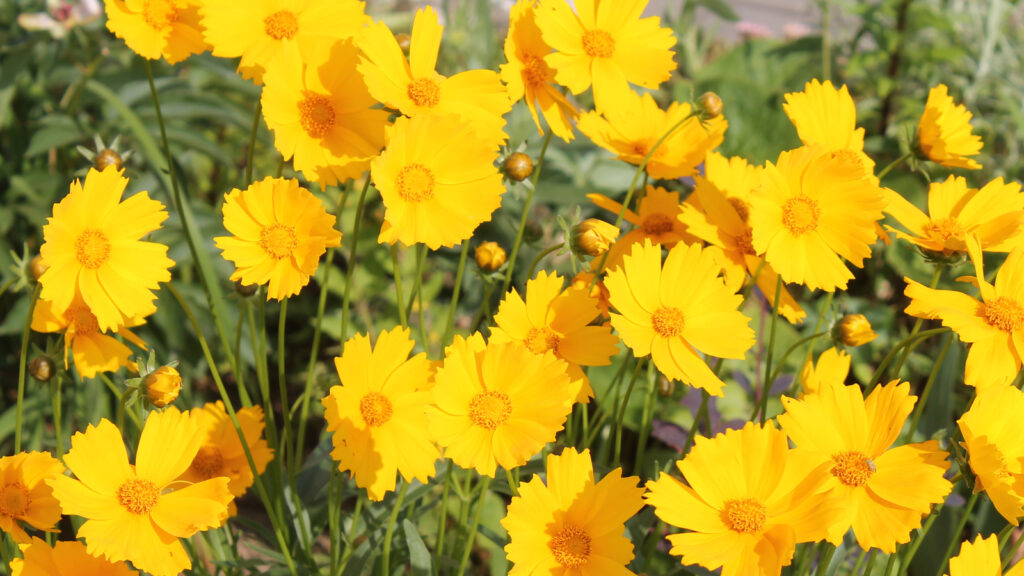
Coreopsis is known for its bright, daisy-like flowers in shades of yellow, gold, orange, and sometimes red or pink. This hardy, drought-tolerant plant blooms from early summer to fall, adding a lasting splash of color to the garden. It thrives in full sun and well-drained soil, making it an easy-care option for a variety of settings. Zones 2-8