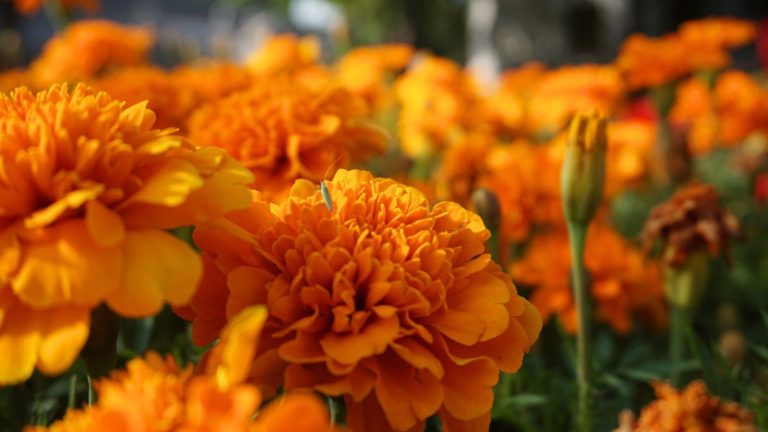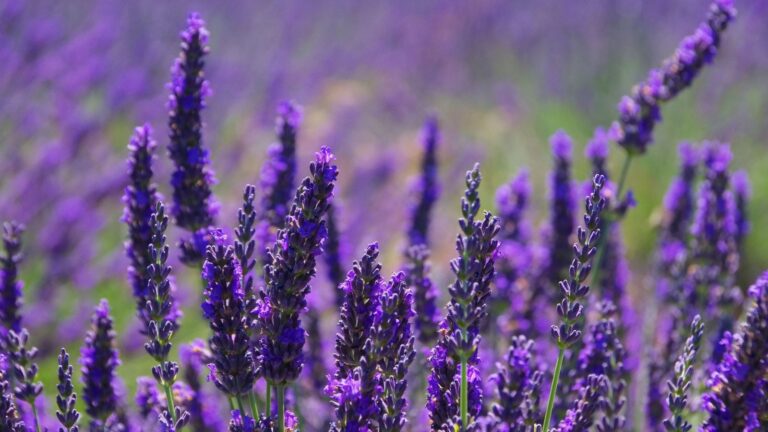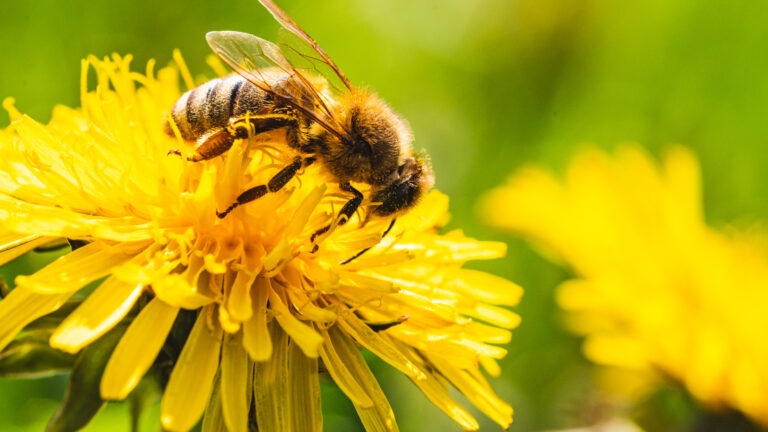

When it comes to making an impact in the garden, some flowers don’t just bloom—they put on a full show. These bold, eye-catching plants are made to stand out, turning heads with their oversized blooms and vivid color. If you’re looking to create a landscape that truly wows, these ten flowering plants are ready to take center stage.
Dahlia

Dahlias are loved for their vibrant, showy blooms. They come in a wide array of colors and sizes and are a favorite among pollinators. Whether used in flower beds, borders, or containers, dahlias add a burst of color and charm to any outdoor space. Dahlias typically thrive as perennials in Zones 8 to 11.
Angel’s Trumpet (Brugmansia)

If you live in a warm climate, like USDA zones 8 to 1, Angel’s trumpet is a must-have in your garden. It features large, dramatic, pendulous blooms in shades of cream, yellow, orange, pink, or white, which release a powerful fragrance at night. They bloom during the summertime and prefer moist, well-drained soil and full sun to partial shade.
Hollyhock (Alcea rosea)

Hollyhocks are a cottage garden favorite that produces towering stalks with blooms in nearly every color imaginable. They grow best in full sun and moist, rich, well-drained soil. Hollyhocks are also suitable for USDA Zones 3–8. If you sow seeds in summer, it’ll be enough time for them to flower the following year. Provide support for tall varieties and watch for rust, a common fungal disease that affects hollyhock.
Hydrangeas

Known for their large blooms, which can resemble the lushness of roses when clustered together, hydrangeas vary widely in color based on the soil’s pH. They prefer morning sun and afternoon shade, along with moist, rich, well-drained soil.
Canna Lily
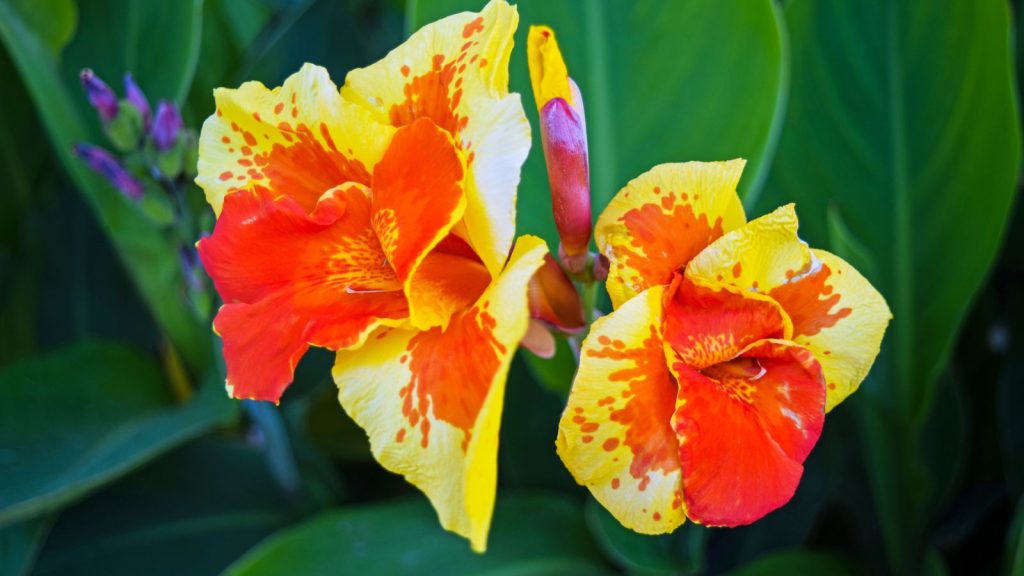
While most grow cannas for their bold summer blooms, many cultivars have variegated or deep burgundy leaves that provide months of drama even without flowers. Ideal for full sun and rich, well-watered soil, they shine in tropical gardens or bold border designs.
Gladiolus

These summer-flowering bulbs are a favorite for adding vertical interest to garden beds. Plant them in spring for a spectacular display of blooms from mid-summer to fall. Gladiolus are low-maintenance; they thrive in USDA hardiness zones 7-10 and need regular watering and fertilization for healthy growth. Gladiolus attracts pollinators like bees and hummingbirds.
Peony
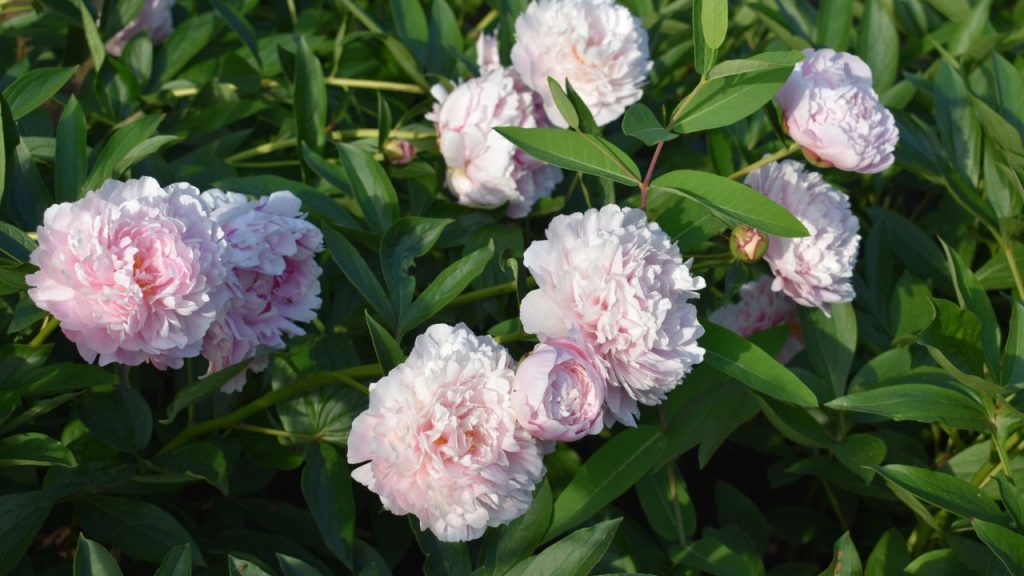
Peonies are popular perennials known for their large, fragrant flowers in various colors, including pink, red, white, and yellow. They have glossy green leaves and bloom from late spring to early summer. Peonies are generally considered deer-resistant.
Balloon Flower

Named for its unique balloon-shaped buds, this plant opens into beautiful star-shaped flowers. It prefers full sun to partial shade. This well-behaved plant adds a bright note wherever it is planted. It requires little to no maintenance and will bloom throughout the summer. Zones 3-8.
Daylily (Hemerocallis)

Daylilies are a favorite in many gardens. They come in a spectrum of yellow shades, from light to deep golden. These easy-to-care-for plants do well in full sun and partial shade. Although each flower blooms for only one day, the abundance of buds ensures a long blooming season that spans several weeks. As perennials, Daylilies return yearly, growing more robust and producing more flowers as they age.
Globe Thistle

Distinctive for its spherical blue flower heads, globe thistle produces beautiful blooms from midsummer to fall when planted. It’s a striking addition that brings texture and a hint of wild nature to your landscaping.
Hibiscus

Tropical hibiscus produces bold, dramatic flowers that can flower all year and in USDA zones 9–11, where there’s no frost. They prefer full sun, consistently moist but not soggy soil, and regular fertilization, especially during periods of active blooming.
If you have hibiscus plants growing indoors, place them near a sunny window and mist them occasionally to maintain optimal humidity levels. Also, be aware of pests such as aphids or spider mites, especially in dry conditions.
Sunflower (Helianthus annuus)

This summer beauty is known for its beautiful yellow flowers that attract insects. Many varieties are self-fertile but benefit from cross-pollination with other varieties. It is edible to both animals and humans when prepared deliciously.