Planning a trip is exciting—unless you’re a plant parent. Suddenly, that excitement turns into stress: Who’s going to water my plants? Will they be dead by the time I get back? Should I even go?
The good news? You can travel without killing every plant you own. With a few simple tricks, your plants will stay healthy and happy while you’re away. Here’s how to make sure they survive your next getaway.
1. Water thoroughly before leaving
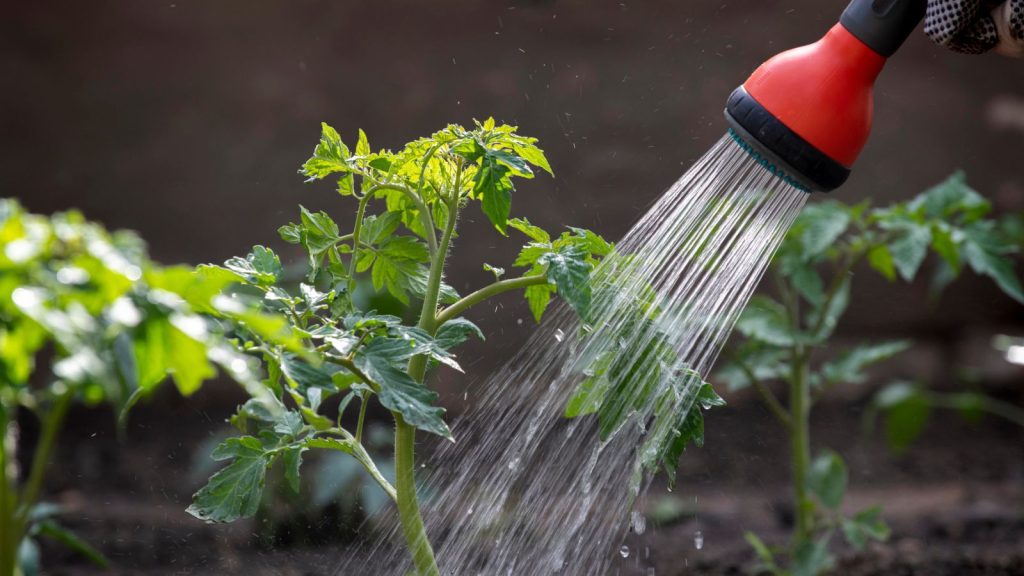
The golden rule when prepping your plants before a trip is simple: water them deeply. Water your plants thoroughly so the moisture can soak deep into the soil and last longer while you’re away.
For indoor plants, water until you see a little water draining out from the bottom of the pot, and then empty the plate or tray (called a saucer) underneath so the roots don’t sit in water and rot. For outdoor plants, water them early in the morning or late in the evening to reduce evaporation.
2. Move plants away from direct sunlight

If you’re leaving for more than a couple of days, temporarily move your houseplants away from harsh, direct sunlight. Direct sunlight means more evaporation, and more evaporation means your plants will require watering faster.
Instead, move them to a spot with bright but indirect light to slow their growth a bit and conserve water. A week or two in lower light won’t harm them, but it could save them from drying out.
3. Group plants together to create a humid microclimate
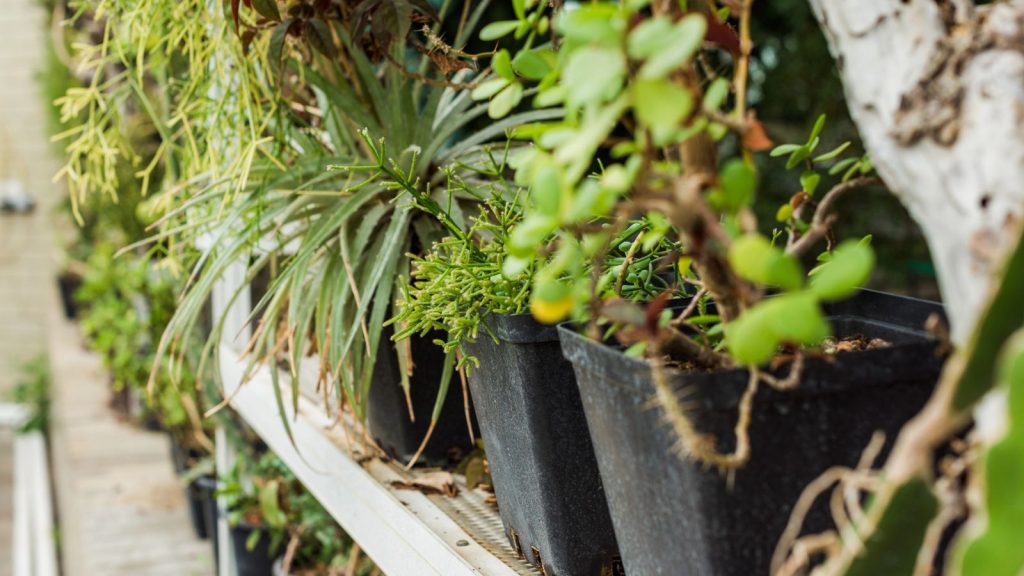
Plants release moisture through transpiration, and when placed closely together, they create a little pocket of humidity that benefits them all. Arrange your plants in a cluster near a corner or a window with filtered light. You can even place a shallow tray of water nearby to enhance the humidity effect.
4. Use self-watering pots

You can buy a self-watering pot or make one yourself. These pots have a built-in reservoir that allows the plant to draw water as needed. You can also insert watering globes or spikes into the soil to slowly release water over several days. They’re great for most medium to large potted plants.
5. Mulch the soil to retain moisture
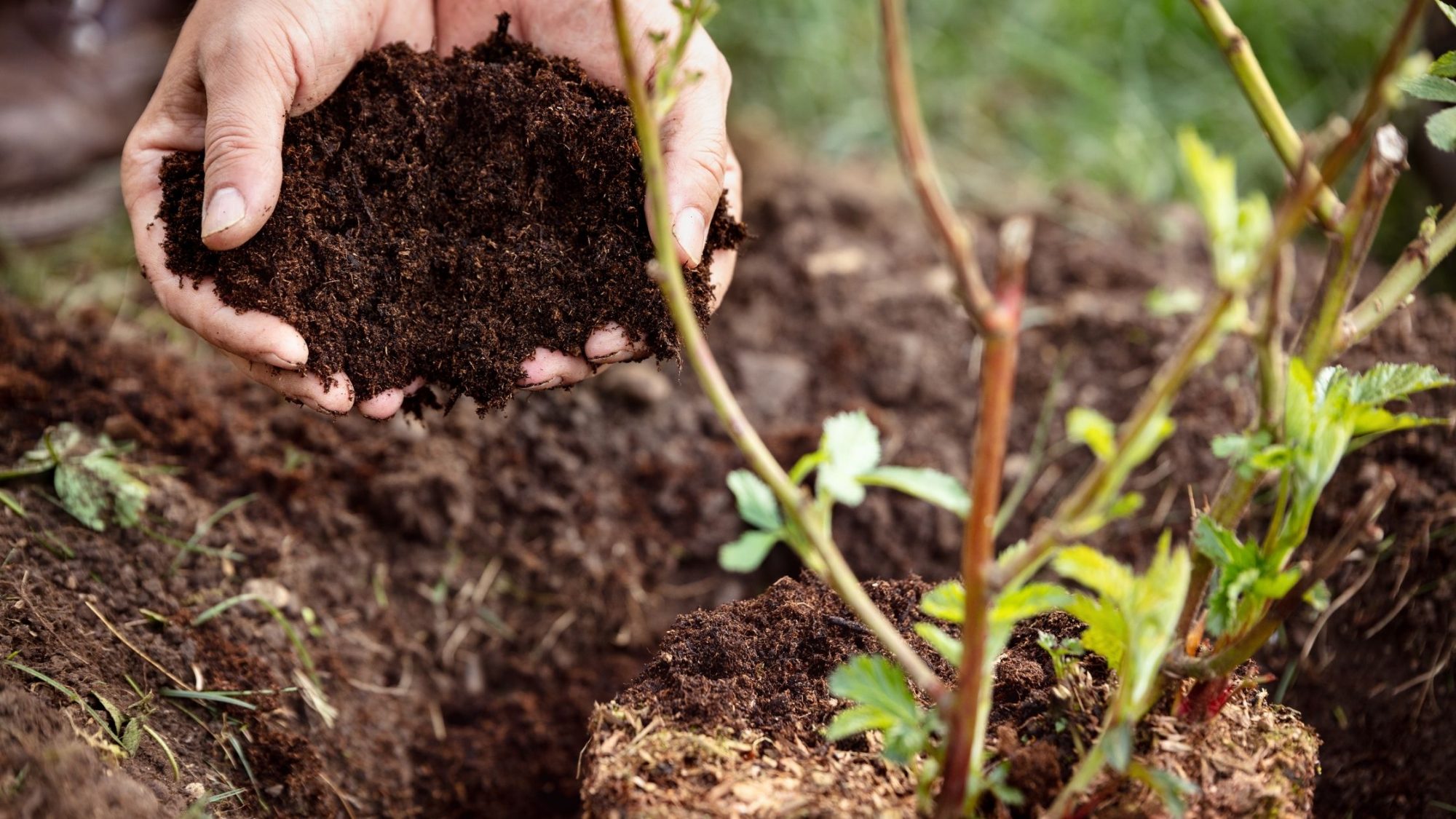
Mulching works exceptionally well for outdoor plants, but it can also help indoors. Add a layer of organic mulch, like shredded leaves, straw, or bark, on top of the soil to reduce water evaporation. It keeps the roots cool and moist for a longer period. For indoor plants, you can use
6. Make a watering wick
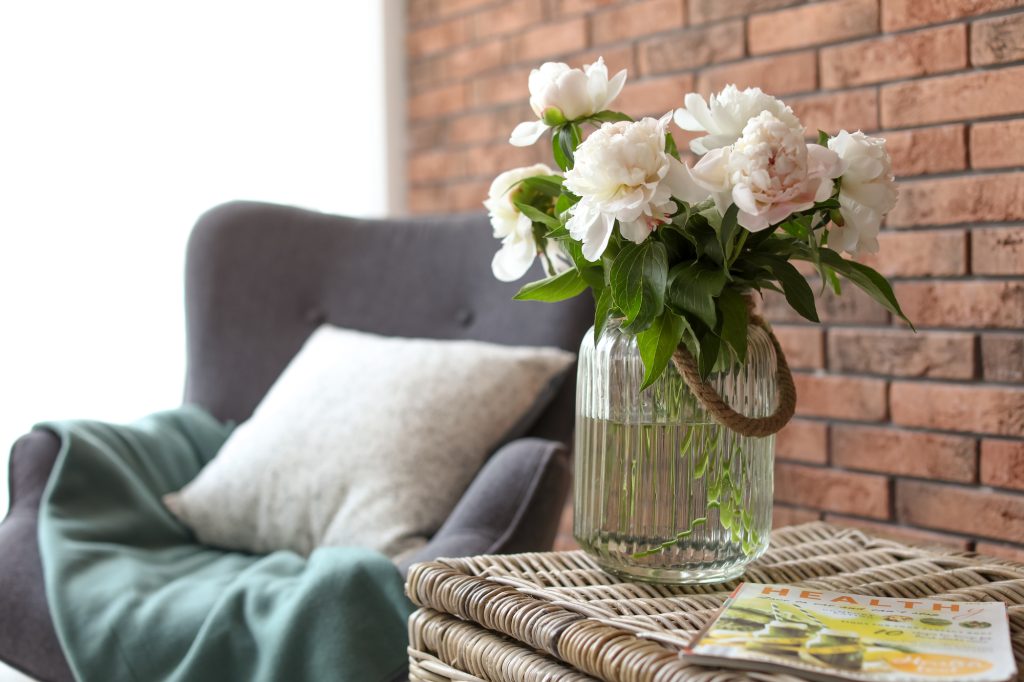
A watering wick is a simple and clever way to keep your plants hydrated while you’re away. You place one end of a cotton rope or wick into a container of water, and stick the other end a few inches into the soil. The wick will slowly draw water into the pot, keeping the soil moist through capillary action. It’s a low-effort solution that works best for indoor plants and smaller plant setups.
7. Place plants in the bathtub

If you’re leaving for about a week, try this bathtub trick for your indoor plants. Line the bottom of the tub with a towel, soak it with water, and set your plants on top. Or fill the tub with an inch or two of water and place the pots inside. But there’s a catch: the pots must have drainage holes and can wick moisture from below. Also, ensure the pots aren’t sitting in too much water, as this can lead to root rot.
8. Set up a DIY drip irrigation system
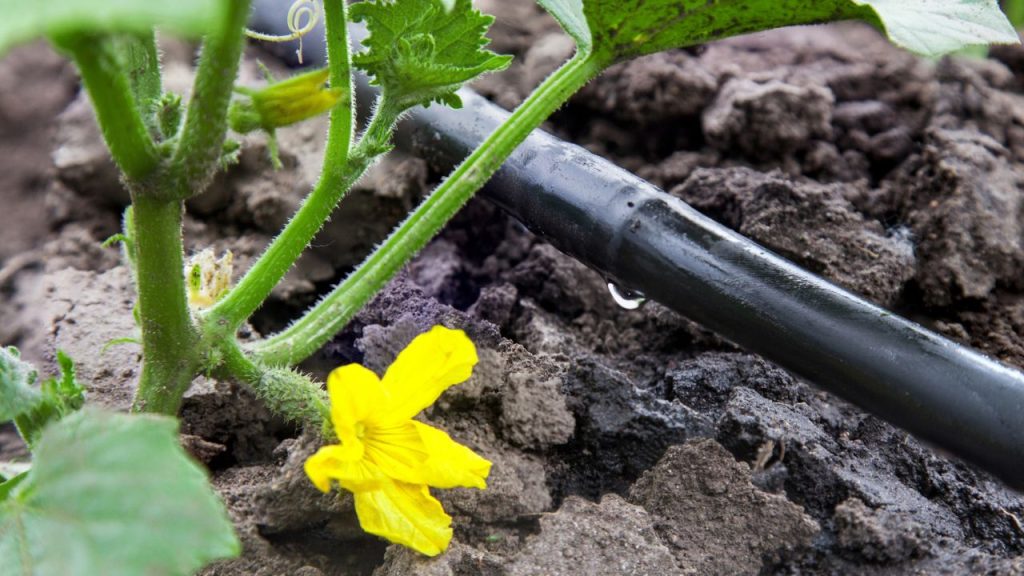
If you have a large plant collection (or are going to be away for a while), you can create a DIY drip irrigation system with a timer. If you don’t have time or tools to set up anything fancy, you can also create a simpler, albeit cruder, version using just a water bottle.
Poke small holes into the cap of a plastic bottle, fill it with water, and insert it upside down into the soil. The water will slowly seep out, keeping the soil consistently moist.
9. Enclose small plants in clear plastic bags

You can enclose smaller indoor plants in a clear plastic bag to create a humid microclimate while you’re away. It sounds wild, but it works. It’s called the greenhouse effect.
Water the plant first, then place a couple of sticks or skewers in the pot to keep the bag off the foliage, and seal the bag loosely. Place the contraption in a location with indirect light, as too much sunlight can cause damage to your plant.
10. Do not fertilize right before your trip

Fertilizers encourage new growth, which means your plant will require more water, more care, and more attention — none of which you’ll be around to give. Hold off on fertilizing your plants until you’re back. It won’t hurt them to take a little break of their own while you’re gone.
11. Check for pests before you leave

In your absence, a minor pest issue can turn into a full-blown infestation. Before you head out, inspect your plants for signs of pests such as spider mites, aphids, or fungus gnats. If you notice anything unusual, like sticky leaves, webbing, or yellowing foliage, treat it before you leave. Prevention will always be better thana cure.
12. Use timers for grow lights if needed

If your indoor setup relies on grow lights (especially during fall and winter), plug them into timers. Plants require consistent light cycles to remain healthy, and leaving lights on 24/7 can be just as detrimental as leaving them off entirely. Set your grow lights to mimic natural daylight, typically with a 12–16 hour on and 8–12 hour off cycle.
13. Move outdoor pots to shaded areas
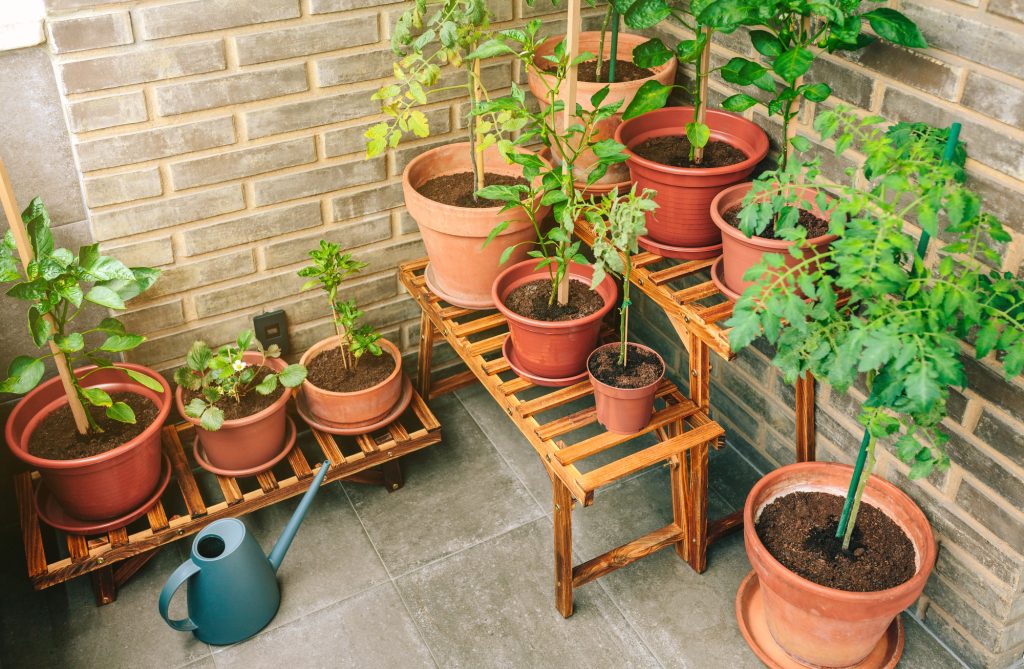
Outdoor container plants lose moisture quickly if left in full sun and wind. Before you leave, move them to a shaded, sheltered area, like under a tree or beneath an awning. This reduces sun and wind stress, helping to conserve water and giving you a few days of worry-free vacation.
14. Trim plants before leaving
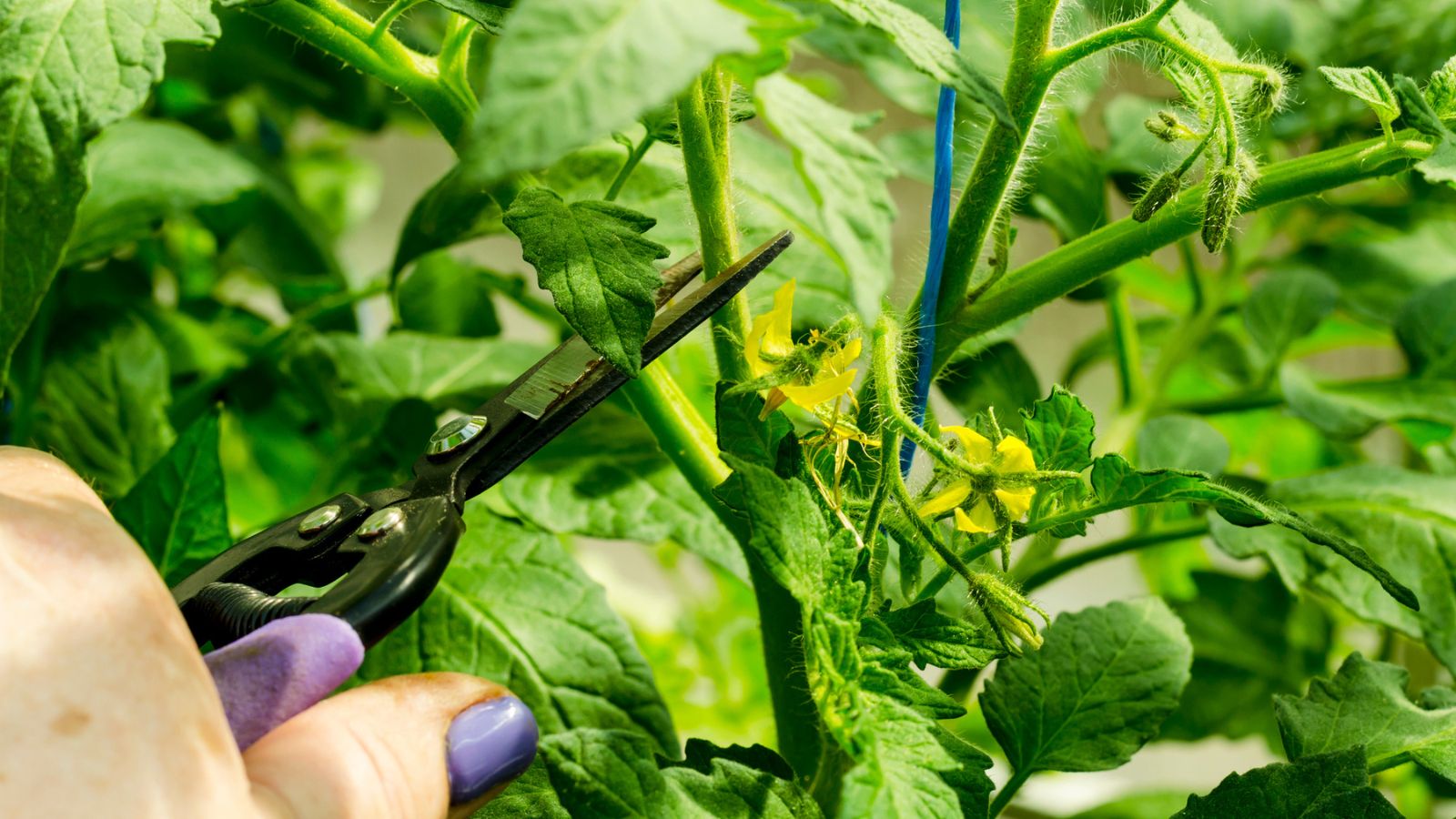
Remove dead or dying leaves, and lightly prune back excessive growth. This helps the plant conserve energy and water. Don’t do any major pruning, though, as you don’t want to stress the plant right before your absence.
15. Ask a neighbor or friend to check in

Sometimes, the most obvious solution is also the easiest one. If you have a reliable friend, neighbor, or housemate nearby, ask them to swing by and water your plants once or twice. To make things easier (and foolproof), group your plants based on their watering needs and leave a written guide.
16. Use plant-sitting services or apps

Yes, plant sitting is a real thing and works like other related services. It’s popping up in cities everywhere, and some apps even help you find a local sitter or coach you through prep. It’s a great backup option if you have a larger plant collection or are going away for an extended time.
17. Leave detailed watering instructions if someone’s helping

Don’t assume they know what you mean by “water plant deeply.” Write clear, specific instructions on how much to water, how often, and which plants need what. Use labels or sticky notes if needed. You can even do a demo before you leave. The clearer your directions, the better chance your plants have of staying healthy until your return.