Blooming flowers are very captivating to look at, even more so if they open and close daily, as if they’re following a circadian rhythm. Some of them open during the day and close at night (diurnal), while others bloom at night (nocturnal). Both types of flowers are reacting to cues like changes in light, temperature, and humidity.
Here are 18 flowers that open and close every day. It should be interesting tending a garden filled with both diurnals and nocturnals, so you enjoy blooming flowers all day long.
1. Morning Glory (Ipomoea spp.)

Morning glories are classic diurnal bloomers, meaning they open early in the morning and begin to close by mid to late afternoon. On cloudy days, they may barely open at all. They’re perfect for covering mailboxes or creating living fences, and they attract pollinators while they’re open.
Morning glories love full sun and grow best in USDA zones 3–10. These fast-growing vines need something to climb, like a trellis or fence. Water them regularly, especially when it’s really dry, but not to the point that the soil gets soggy.
2. Four O’Clock (Mirabilis jalapa)
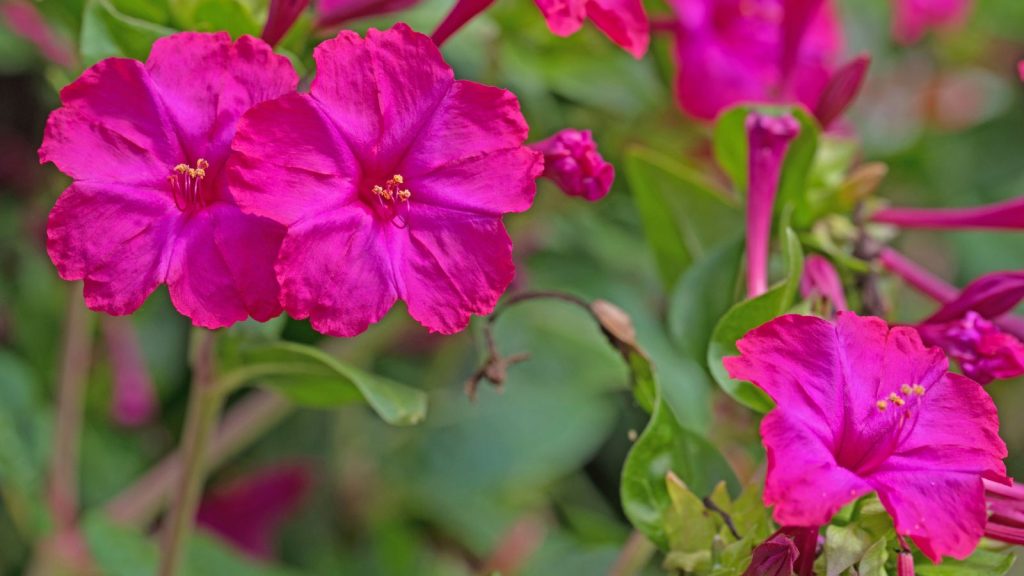
Four O’Clock flower (sometimes called the marvel of Peru) is aptly named because it doesn’t begin to bloom until late afternoon and stays open through the evening. They’re nocturnal and release a lovely scent that intensifies as the sun sets.
These bushy, self-seeding plants grow in USDA zones 7–11 and prefer full sun to partial shade. Plant them in well-drained soil and give them space so they can spread out. The blooms come in a mix of colors, sometimes even striped, and they’re incredibly low maintenance.
3. Gazania (Gazania rigens)
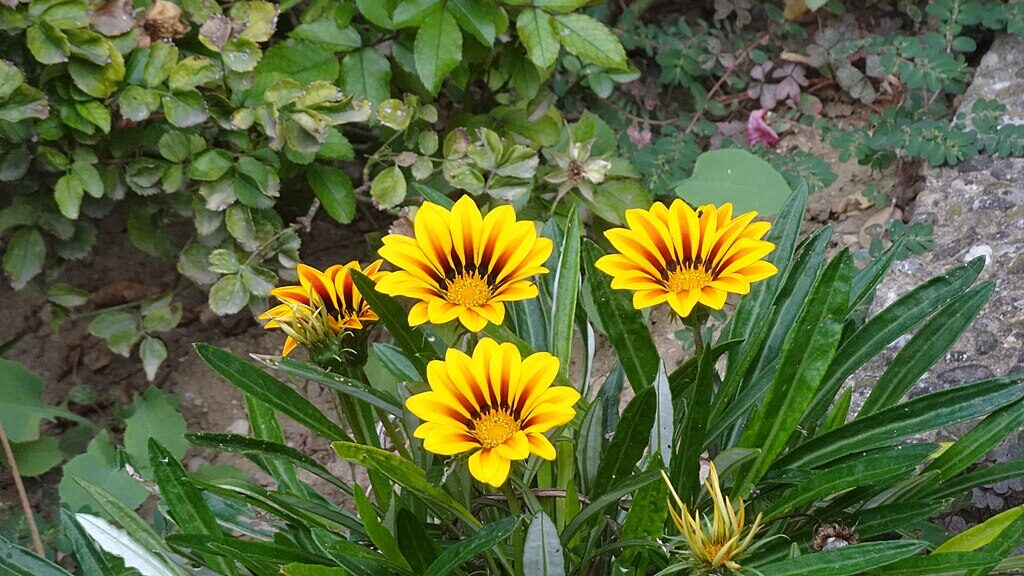
Gazania is also known as treasure flowers and is a type of African daisy. These flowers open wide in full sunlight and close once the sun fades or on overcast days. This behavior helps preserve their pollen and protect delicate petals.
Although these flowers are native to South Africa, they thrive in hot, sunny spots and grow well in USDA zones 9–11. Gazanias love well-drained soil and don’t need much watering or maintenance once established.
4. Tulip (Tulipa spp.)

Tulips open during the day and close tightly at night or in cold, cloudy weather. Their petal movement helps regulate internal temperature and protect their reproductive parts.
Tulips grow best in USDA zones 3–7 in full sun and well-drained soil. Their flowers need a cold period to bloom, which is why they’re typically planted in the fall. After blooming, let the leaves yellow naturally before cutting back, and this feeds the bulb for next year’s growth.
5. Evening Primrose (Oenothera biennis)

Evening primroses have soft yellow blooms that open at night, drawing in moths and other nocturnal pollinators. These hardy plants thrive in poor soil and are drought-tolerant once established.
They grow best in USDA zones 4–9 and prefer full sun to light shade. However, evening primroses are vigorous self-seeders and can quickly spread, so give them plenty of room or manage their growth carefully to prevent them from taking over your garden.
6. Poppy (Papaver spp.)
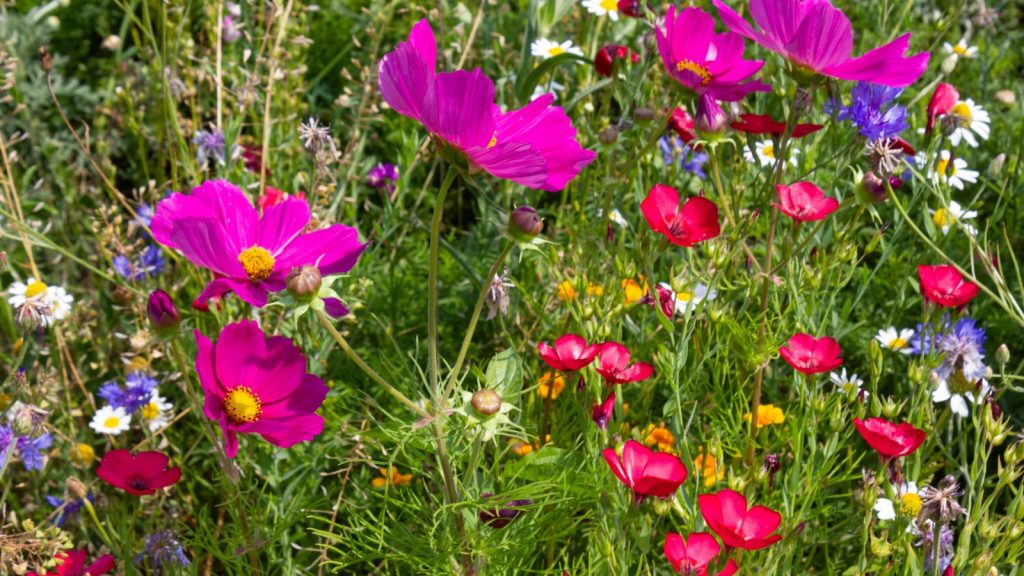
Most poppies, especially annuals like the Shirley poppy, open in the morning and close by late afternoon. Each bloom only lasts a day or two, but the plants produce so many that you hardly notice. Poppies are great for meadows or wildflower borders, and bees love to visit them when the flowers are open.
Poppies prefer full sun and are well-suited for USDA zones 3–9, depending on the species. They like lean, well-draining soil and don’t need fertilizing. Water sparingly once they’re established.
7. Wood Sorrel (Oxalis spp.)

Oxalis blooms and leaflets fold up at night or during cloudy days, then reopen with the sun.
They do best in partial sun, well-drained soil, and in USDA zones 6–11, depending on the variety. Oxalis is great for pots or shaded borders. You can water them regularly, but not to the point of sogginess.
8. Daylily (Hemerocallis spp.)

True to their name, daylily flowers open in the morning and close by evening, each bloom lasting just one day. However, the good thing is that the plant produces dozens of flowers over weeks, so it’s a continuous show.
Daylilies are hardy in USDA zones 3–10, tolerant of many soil types, and need full sun to bloom. Mulch helps keep roots cool, and deadheading spent blooms helps them grow better. Daylilies are great for borders or mass plantings.
9. Crocus (Crocus spp.)

Crocuses are early spring bloomers that open wide on sunny days and close at night or in shade. Their petal movements are temperature-sensitive and help them to conserve energy.
These bulbs thrive in USDA zones 3–8, preferring full sun and well-draining soil. Plant them in groups for a bigger impact. Once flowering is complete, allow the foliage to turn yellow before trimming.
10. Dandelion (Taraxacum officinale)

Dandelions are often dismissed as a weed, but these beautiful plants open with the sun and close in the evening or on cloudy days. They can be found nearly everywhere, but grow best in USDA zones 3–10. They’re low maintenance, and pollinators adore them. While many gardeners pull them up, others welcome them in pollinator gardens or for edible leaves and flowers.
11. California Poppy (Eschscholzia californica)

California poppies open in the daytime when the sun is out, and close tightly at night or on cloudy days. This helps to protect their delicate inner parts from moisture and pests. These golden blooms are great for xeriscapes or wildflower meadows and often reseed themselves.
They’re ideal for USDA zones 6–10, thrive in poor, sandy soils, and full sun. Once established, they’re drought-tolerant and low maintenance.
12. Chicory (Cichorium intybus)
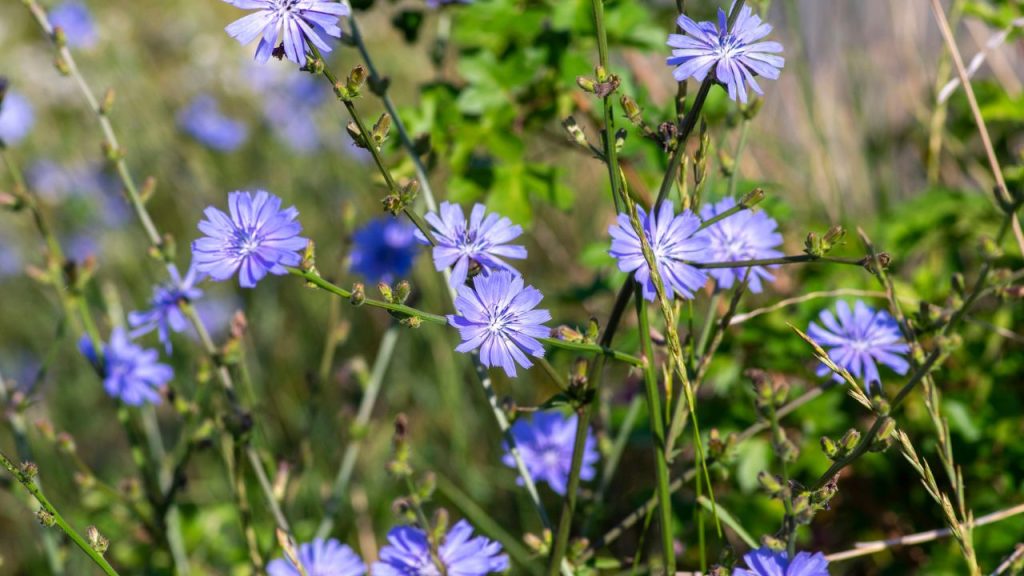
Chicory flowers are a beautiful periwinkle blue and open with the sun, closing by early afternoon. Their blooms are short-lived; each flower lasts only a few hours. Chicory grows wild in USDA zones 3–9 and does well in full sun and lean, dry soil. It’s a magnet for pollinators and is often used in herbal remedies and for coffee substitutes.
13. Rain Lily (Zephyranthes spp.)
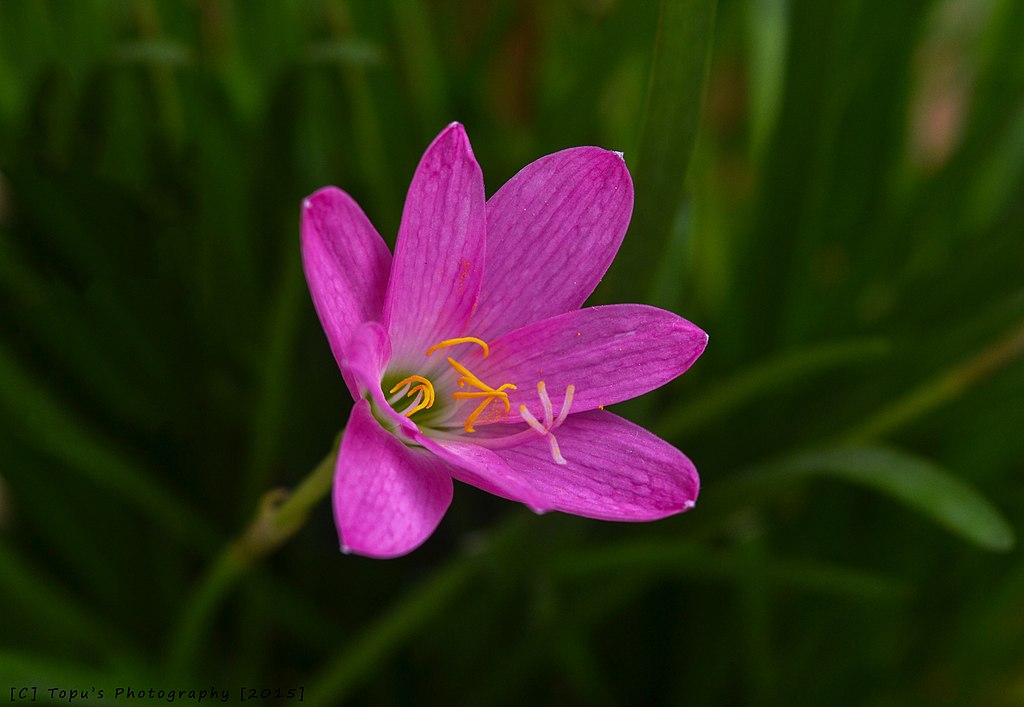
Rain lilies bloom in response to rain. Their blooms often open within a day or two of a soaking and close as they fade. They’re great for containers or borders, especially when they display their surprise flowers after a summer shower.
Rain lilies grow well in USDA zones 7–10, and thrive in full sun to partial shade. They also like moist, well-draining soil, so let the soil dry slightly between waterings.
14. Water Lily (Nymphaea spp.)
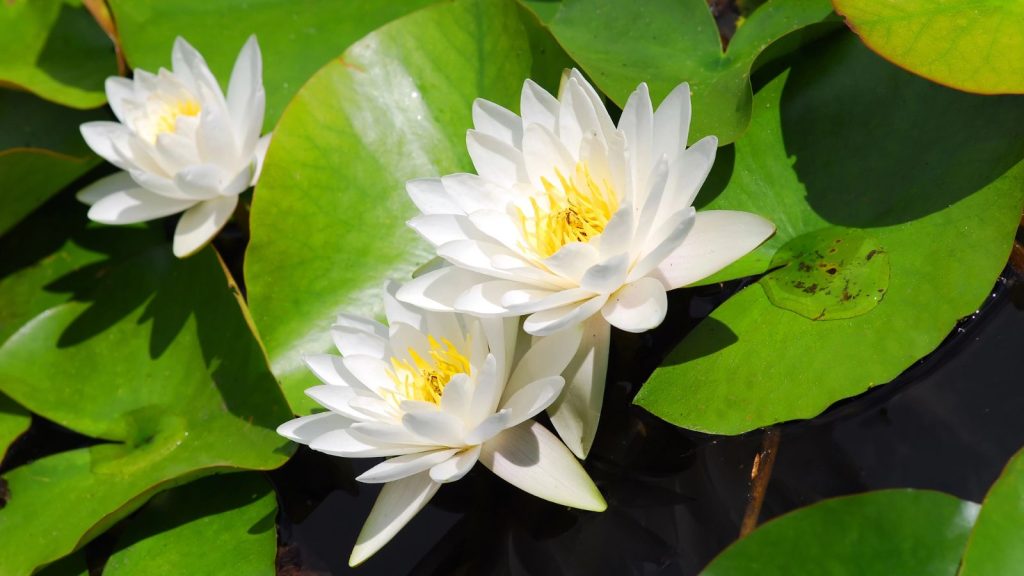
Water lilies open their flowers in the morning and close them in the afternoon or early evening. Some species of water lilies bloom at night instead, depending on the variety.
They grow well in USDA zones 4–10 and need a pond or water garden to thrive. Anchor their roots in aquatic soil and make sure they get at least six hours of sunlight per day. Also, remove spent blooms and leaves to keep the water clean and healthy.
15. Moonflower (Ipomoea alba)
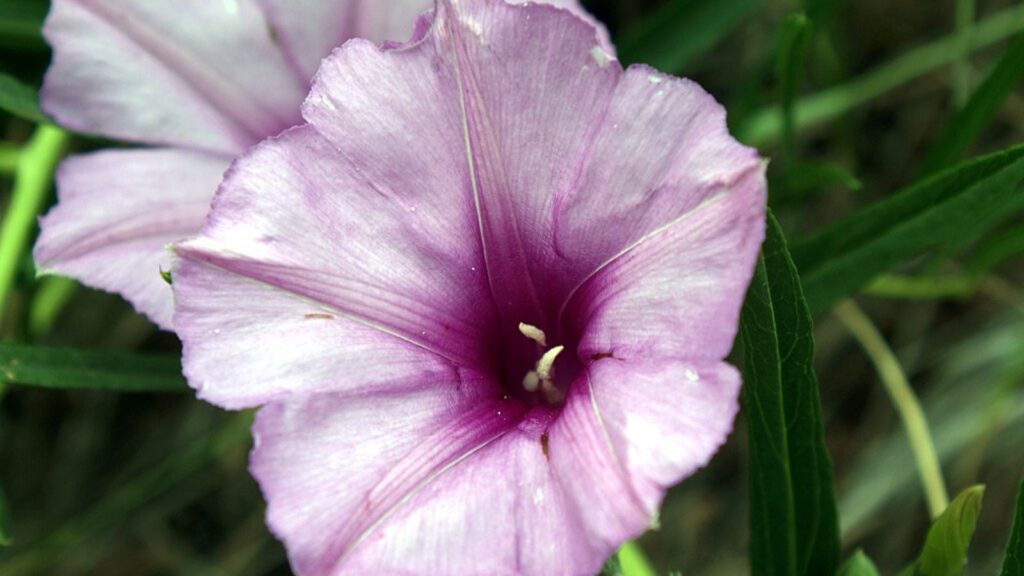
Moonflowers are the nighttime counterparts to morning glories. These large, white, fragrant blooms open at dusk and close by late morning. They attract moths and other night pollinators.
Moonflowers are grown as annuals in most climates and thrive in USDA zones 9–11, but can be started in pots elsewhere. They need full sun, a sturdy trellis, and moist, well-drained soil. They grow rapidly, so make sure they have enough room.
16. African Daisy (Osteospermum spp.)

Osteospermum spp. has the same common name as the Gazania spp., but should not be mixed up. These are light-sensitive, opening wide under full sunlight and closing when it gets dark or cloudy. Their vibrant colors make them popular for adding boldness to gardens.
They grow best in USDA zones 9–11, prefer full sun, and well-draining soil. In cooler zones, they’re treated as annuals. Deadhead the flowers and water regularly, but let the soil dry out in between.
17. Blue Eyed Grass (Sisyrinchium angustifolium)

The blue-eyed grass belongs to the iris family and is not a true grass. Its star-like blue flowers open in the morning and close by mid-to-late afternoon. It’s a low-maintenance, resilient flower that works beautifully as a border plant or groundcover. It’s hardy in USDA zones 4–9, prefers full sun to part shade and moist, well-drained soil.
18. Dutchman’s Breeches (Dicentra cucullaria)
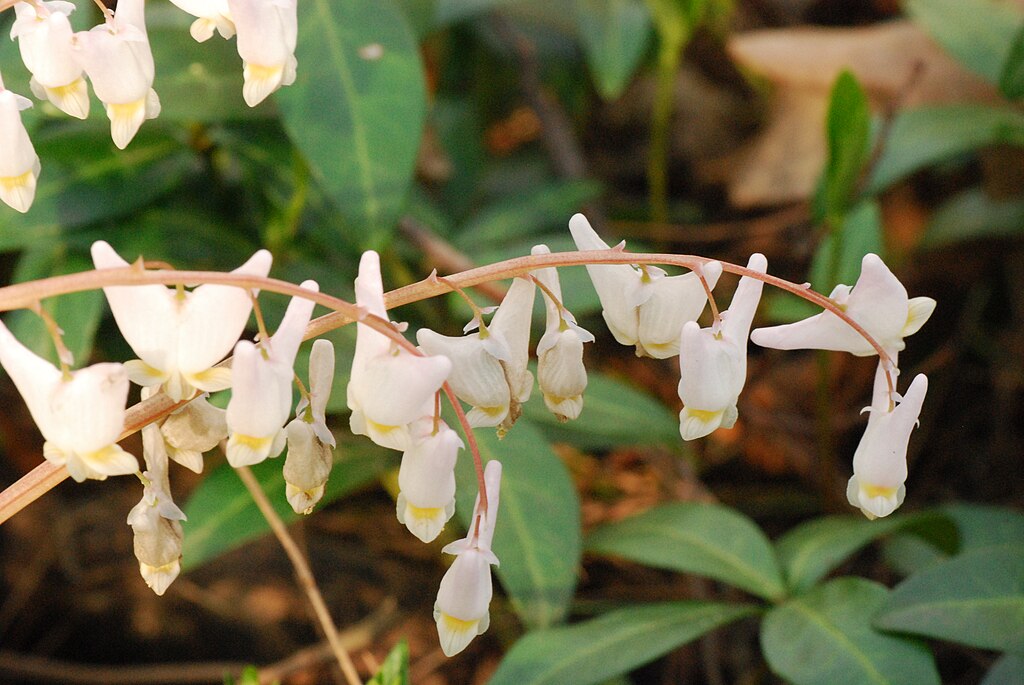
Dutchman’s Breeches bloom early in spring, and their flowers open in the morning and close at dusk during their brief bloom period. Once they’ve finished blooming, the plant goes dormant until the following season. Their delicate, upside-down pants-shaped blooms appear like woodland treasures.
They thrive in shady, woodland settings in USDA zones 3 through 7. They also enjoy growing in moist, rich soil and dappled light.