Perennial grasses are low-maintenance plants that return year after year with colorful, eye-catching blades. They fit beautifully in both naturalistic and formal garden designs. A wide variety of plants are drought-tolerant, pest-resistant, and easy to care for. Here are 15 long-lasting ornamental grasses that you should definitely have in your garden.
1. Feather Reed Grass (Calamagrostis acutiflora ‘Karl Foerster’)

Feather reed grass brings a soft, graceful texture to the garden with its feathery, wheat-like plumes. This cool-season grass can live for over a decade (typically 10 to 15 years) and holds up well through the seasons.
Feather reed grass grows best in USDA zones 4–9, full sun, and moist, well-drained soil. Once established, it’s surprisingly drought-tolerant and stands tall even in heavy rain.
2. Switchgrass (Panicum virgatum)
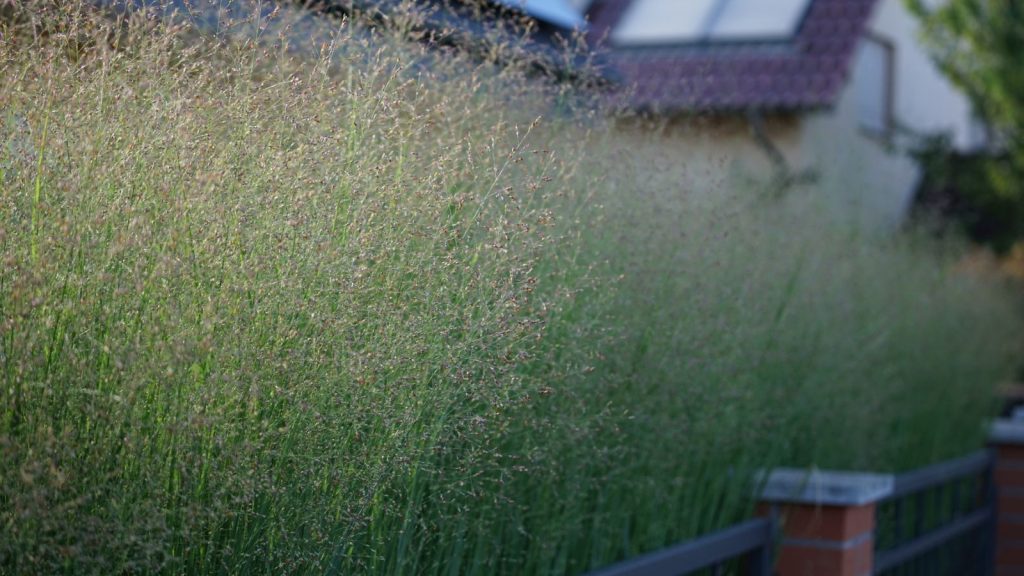
Switchgrass is a native prairie grass that can live up to 10 to 15 years or more with minimal care. It grows well in zones 4–9 and tolerates full sun and a range of soil types, including clay.
Once established, switchgrass is drought-tolerant and supports local wildlife, especially birds. It’s beautiful, blue-green foliage often turns golden or reddish in fall. Once it’s early spring, you can cut it back to refresh the clump and enjoy its colorful form all season long.
3. Fountain Grass (Pennisetum alopecuroides)

Fountain Grass is known for its soft, cascading shape and fluffy bottlebrush plumes that sway gracefully in the wind. If grown in USDA zones 5–9, it can typically live 5 to 10 years, though some gardeners report longer with good care.
Plant in full sun and well-drained soil. In colder regions, leave the foliage up through winter for visual interest, then cut it back in early spring. Note that some varieties are annuals, so be sure to double-check the tag before purchasing.
4. Blue Fescue (Festuca glauca)
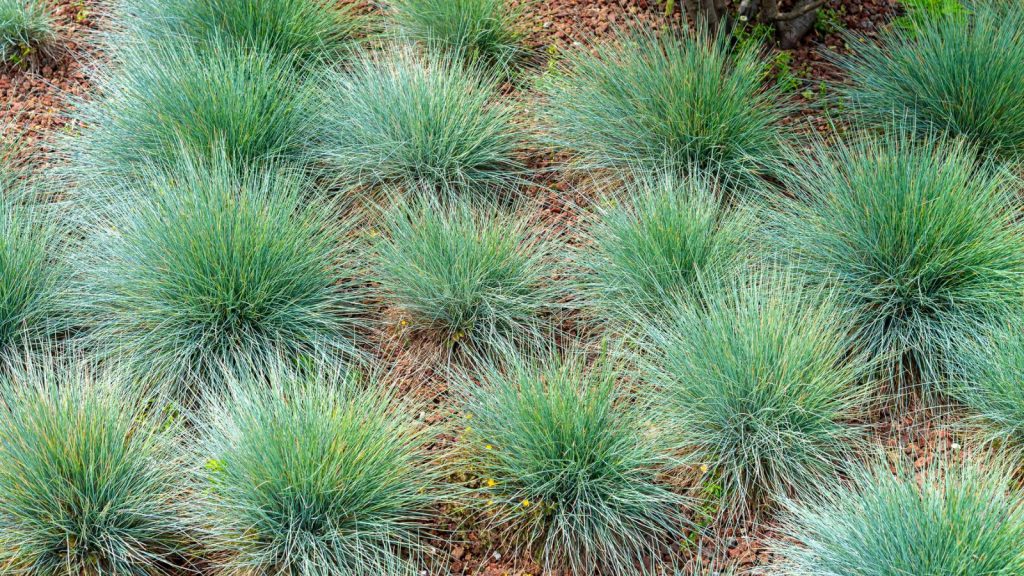
Blue fescue is a compact, cool-toned grass that forms clumps of silvery-blue blades. It can live up to 3–5 years and is ideal for borders, rock gardens, and edging pathways. Though it’s shorter-lived than some grasses on this list, you can refresh it by dividing mature clumps.
Blue fescue thrives in USDA zones 4–8 and requires full sun, well-drained soil, and good air circulation.
5. Little Bluestem (Schizachyrium scoparium)
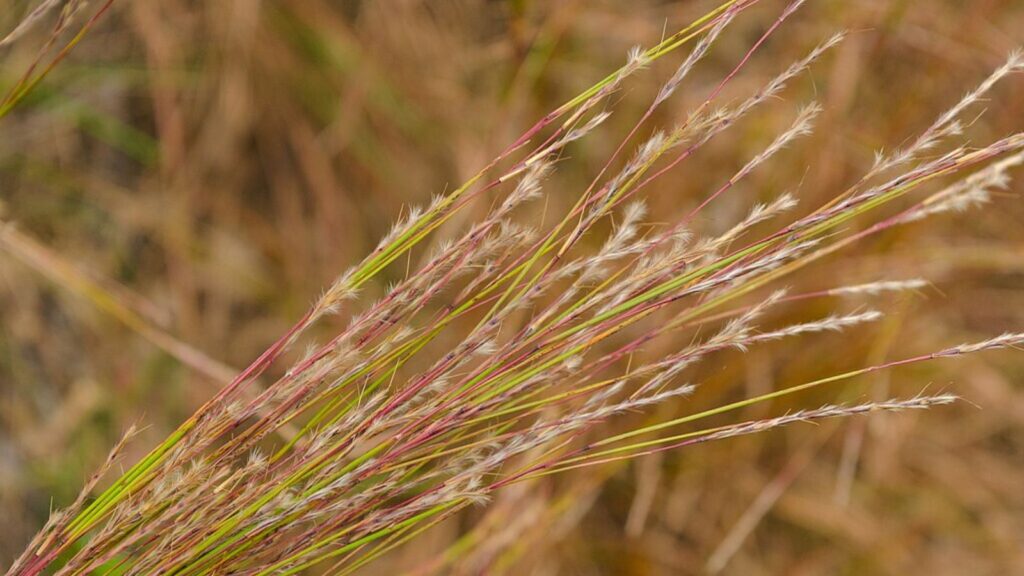
Little Bluestem starts the season with blue-green stems that turn striking shades of red and orange by fall. It’s an upright, drought-tolerant, and low-maintenance plant that suits naturalistic gardens and pairs well with wildflowers.
This grass can live 10–15 years or more, thriving in USDA zones 3–9. Give it full sun, dry to moderately moist soil, and avoid overly rich soil or shade. Also, try to cut it back in late winter or early spring to refresh the plant.
6. Maiden Grass (Miscanthus sinensis)

Maiden Grass produces tall, arching blades and feathery plumes that catch the light as they sway. It’s a bold, large plant that provides a strong visual anchor in many gardens. It can have a lifespan of 10–15 years when grown in USDA zones 5–9.
Plant maiden grass in full sun and well-drained soil. It tolerates drought once established, but may require additional water during prolonged dry periods. Some varieties can self-seed aggressively, so opt for sterile cultivars if that’s going to be a problem for you.
7. Muhly Grass (Muhlenbergia capillaris)

Muhly Grass is famous for its cloud-like, pinkish-purple flowers that float above fine green leaves. It’s drought-tolerant and heat-hardy and can thrive for 5–10 years or more in USDA zones 6–9. You just need to plant in full sun and well-draining soil. Prune in early spring before new growth appears.
8. Indian Grass (Sorghastrum nutans)

Indian Grass is a key native species in many prairies, with its glowing amber seedheads. They can live well over a decade when grown in USDA zones 4–9. It thrives in full sun and well-drained soil but can also tolerate clay and dry soil. Once established, it needs little care and grows better.
9. Big Bluestem (Andropogon gerardii)

Big Bluestem, also known as the King of the Prairie, is a tall, upright native grass with bluish stems and a red-tinged fall display. It can grow over 6 feet tall and live up to 10–20 years, especially when grown in USDA zones 3–9. Once established, its deep roots make it drought tolerant and ideal for spacious yards or prairie gardens. Prune in late winter to make way for new shoots.
10. Japanese Forest Grass (Hakonechloa macra)
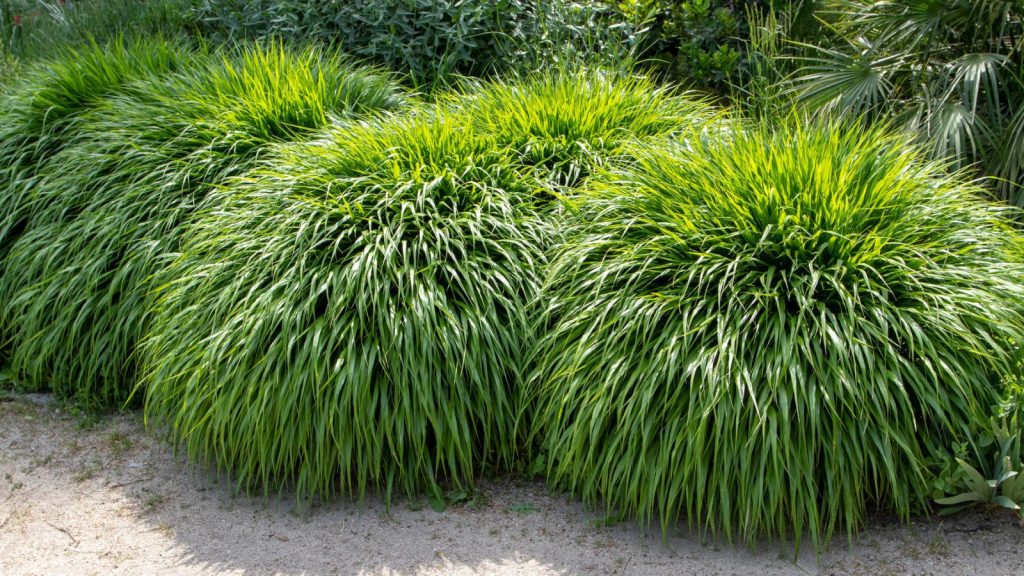
Japanese Forest Grass is a rare shade-loving ornamental grass with flowing, golden-green foliage. If grown in USDA zones 5–9 with moist, well-drained soil and dappled or full shade, they can live over 10 years. It prefers cooler conditions and benefits from mulching in winter.
11. Purple Moor Grass (Molinia caerulea)
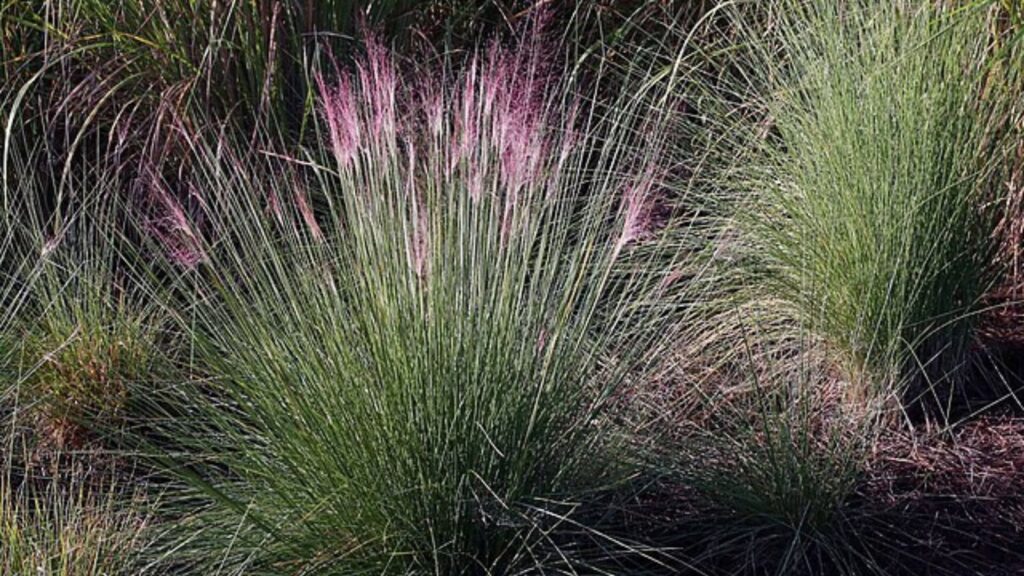
Purple moor grass is a graceful plant with slender stalks that catch the light, producing soft purple flower spikes in late summer. This makes it ideal for cottage or natural-style gardens.
It lives 10-15 years and is hardy in USDA zones 4–9, preferring full sun to partial shade and moist, well-drained soil. You can leave flower stalks standing over winter, and then cut back in early spring.
12. Tufted Hair Grass (Deschampsia cespitosa)

Tufted Hair Grass is a cool-season grower with fine, arching blades and delicate, airy flower plumes that shimmer in the light.
It can live 8–10 years or more in zones 4–9. Best grown in partial shade with moist, humus-rich soil, though it tolerates sun in cooler climates. It’s a favorite in naturalistic planting schemes. After flowering, cut back in late winter and avoid heavy fertilizing.
13. Prairie Dropseed (Sporobolus heterolepis)

Prairie Dropseed is a native grass that can last 15 years or more in USDA zones 3–9. They grow well in full sun and dry, well-drained soil. Although they’re slow to establish, once settled, they are incredibly tough and drought-tolerant.
14. Northern Sea Oats (Chasmanthium latifolium)

Northern Sea Oats has bamboo-like leaves and pendulous seed heads that turn golden in fall. They grow well in USDA zones 3–8, part shade to full sun, and moist soil. This grass self-seeds easily and can live 10 years or more.
15. Side Oats Grama (Bouteloua curtipendula)

Side oats grama is a native grass with oat-like seeds that dangle along one side of the stem, hence the name. They typically live for a decade or longer when grown in the right conditions. They thrive in USDA zones 3–9, full sun, and dry, well-drained soil. Side oats grama is a low-maintenance, drought-toleran,t and deer-resistant grass that’s perfect for wild gardens.