
Have you ever walked into your garden and noticed a strange, yellow, foamy blob that looks like your dog might have gotten sick in the mulch? That’s probably dog vomit slime mold — an unusual but harmless organism.
Despite the name, it has nothing to do with dogs. It’s a type of slime mold known as Fuligo septica, often referred to as scrambled egg slime or yellow mold because of its bright color and odd, spongy texture.
You’ll typically see it growing on mulch, rotting wood, or damp garden beds, especially after a stretch of wet weather. It starts out yellow or orange and can turn brown or gray as it matures. While the appearance can be alarming, it doesn’t harm your plants, pets, or soil.
Dog vomit slime mold plays a role in breaking down organic material and recycling nutrients, but it’s not exactly something most gardeners want to see. If you’d prefer to keep it out of your garden, there are a few simple and natural ways to manage or remove it.
1. Physical Removal

If you can stomach the idea of picking up dog vomit slime mold, this is the quickest and easiest way to get rid of it. Simply scoop up the slime mold with a shovel or hand trowel and dispose of it in a compost bin or trash. Make sure to remove as much of it as possible to prevent the spores from spreading into other areas of your yard.
2. Reduce Moisture

Slime molds thrive in moist environments and, by reducing moisture, you can discourage their growth. After removing the slime mold, allow the affected area to dry out fully to prevent it from recurring. Reduce the watering frequency and improve drainage in areas with an excess of rotting wood, and be mindful not to over-water your garden or lawn.
3. Rake or Turn Mulch

Damp, decomposing wood mulches are perfect for dog vomit slime mold to pop up. Regularly turning or raking mulch can help break up the slime mold and expose the spores to air and sunlight, drying it out and inhibiting growth.
How to Mulch a Vegetable Garden
4. Sunlight Exposure

Increasing sunlight exposure by trimming back plants or trees can help dry out damp, shady areas and make them less hospitable for the slime mold.
5. Increase Air Circulation

Improve air circulation by spacing out plants and removing dense ground cover to help reduce moisture levels and discourage slime mold growth.
6. Use Alternative Mulches

If slime mold is a recurring issue, consider switching to a different type of mulch that is less susceptible to this disgusting problem. Pine bark or cedar mulches tend to dry out faster than hardwood mulches, making them a good option for damper areas with less sunlight. As an alternative, consider gravel or pebbles in areas prone to slime mold instead of woodchips or bark.
10 Cheap Mulch Ideas for a Lush Garden
7. Compost Tea

Compost tea is packed full of beneficial microorganisms that outcompete the slime mold for resources. Take a handful of well-rotted organic compost and steep it in water for 2-3 days. Strain carefully and spray the remaining liquid compost tea onto areas that are prone to developing dog vomit slime mold.
10 Compelling Reasons to Start Composting Today
8. Vinegar

Acidic vinegar sprays create an environment that is inhospitable to slime molds. Mix 1 part vinegar to 3 parts water and spray the solution on the affected area to help break down the slime mold. Always take care when spraying vinegar near plants, as the high acidity levels can affect their growth.
14 Clever Ways to Use Vinegar in Your Garden
9. Cornmeal

If dog vomit slime mold keeps appearing in specific localized areas, sprinkle cornmeal to help absorb moisture and inhibit the growth of this unsightly substance. Remember to reapply frequently, especially after rain.
10. Baking Soda

Mix one tablespoon of baking soda with one gallon of water and spray it onto the slime mold to dry it out and prevent regrowth. Repeat as necessary whenever dog vomit slime mold appears to prevent the spores from spreading to other areas of your yard.
14 Clever Uses for Baking Soda Around the House (And It’s Not Baking)
11. Remove Debris

Dog vomit slime mold thrives in areas with high levels of organic debris, particularly rotting wood. Regularly clean up fallen leaves and dead plant material to reduce the amount of food available for slime molds.
12. Soil Aeration

Dog vomit slime molds can be a big problem in garden soils that have been amended with wood chippings. In this situation, aerating the soil can improve drainage and reduce moisture levels, making the environment less favorable for slime molds. Use a garden fork to make holes in the soil, taking care to avoid delicate plant roots.
13. Improve Soil Drainage

Slime molds thrive in damp conditions, so well-draining soil is less likely to develop slime mold growth. Add plenty of well-rotted organic matter to garden beds to improve soil structure and drainage.
Build Your Dream Garden with These 16 Easy DIY Raised Beds
I’ve Grown Tomatoes for Years —These Are the Tips That Actually Work
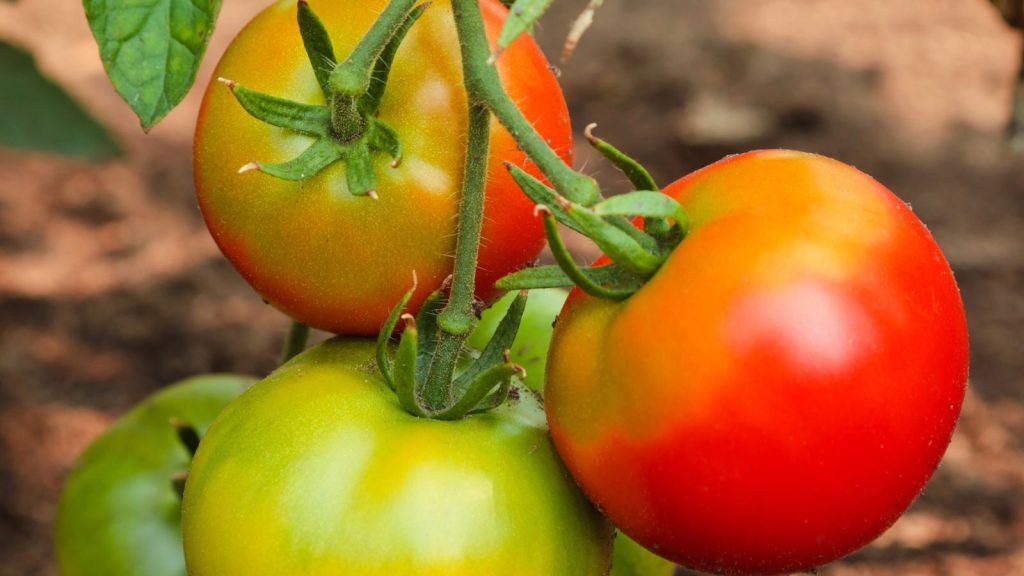
f you’re tired of trial and error and need advice that actually yields results, here are 18 tips that’ll help you grow the best tomatoes of your life.
I’ve Grown Tomatoes for Years —These Are the Tips That Actually Work
How to Get Rid of Squash Bugs for Good
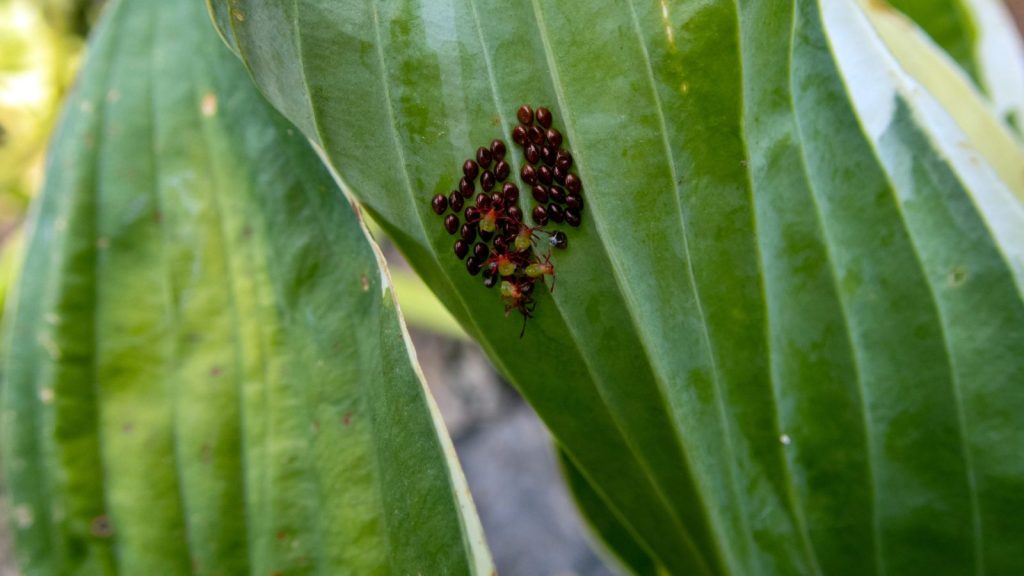
Let’s talk about ways you can identify squash bugs at every stage of their life cycle, recognize the damage they leave behind, and explore effective, natural methods to control and eliminate them for good!