If you’re ready to venture beyond the familiar rows of tomatoes, peppers, and
These lesser-known crops bring more than novelty; they offer a chance to experiment with unique flavors, enrich biodiversity, and grow food that most people have never even seen, let alone tasted.
Here are 21 options to consider.
Taro
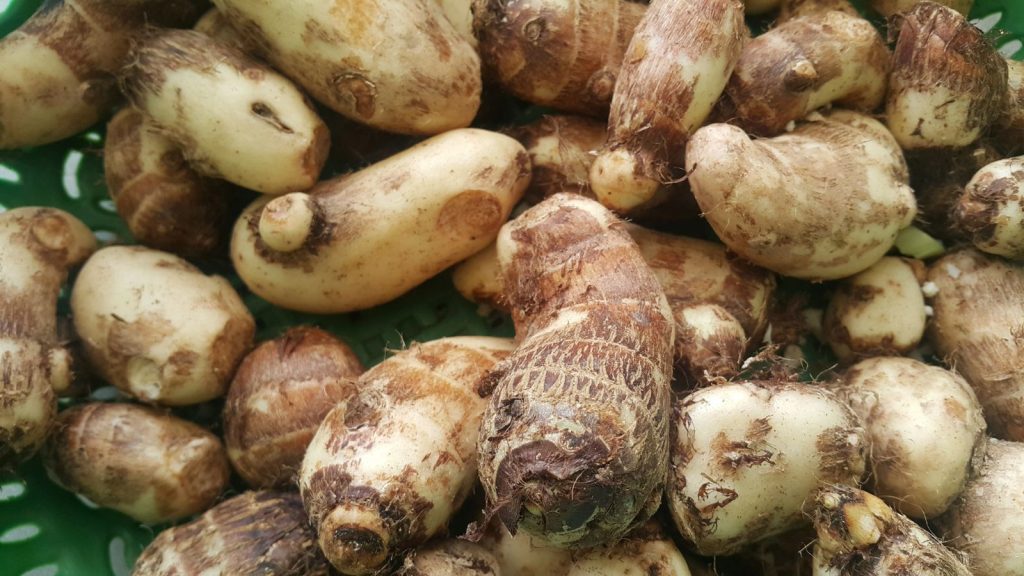
Taro is a starchy tuber used extensively in Asian and Pacific Island cuisines. It has a mildly nutty flavor and can be prepared by boiling, baking, or frying. Taro thrives in full sun and requires a consistently warm, humid environment to develop its large, edible corms.
Spanish Black Radish

The Black Spanish
Once a staple in traditional European and Asian gardens, this rare root is making a quiet comeback thanks to its resilience, unique taste, and growing reputation as a nutrient-dense food.
Belgian Endive
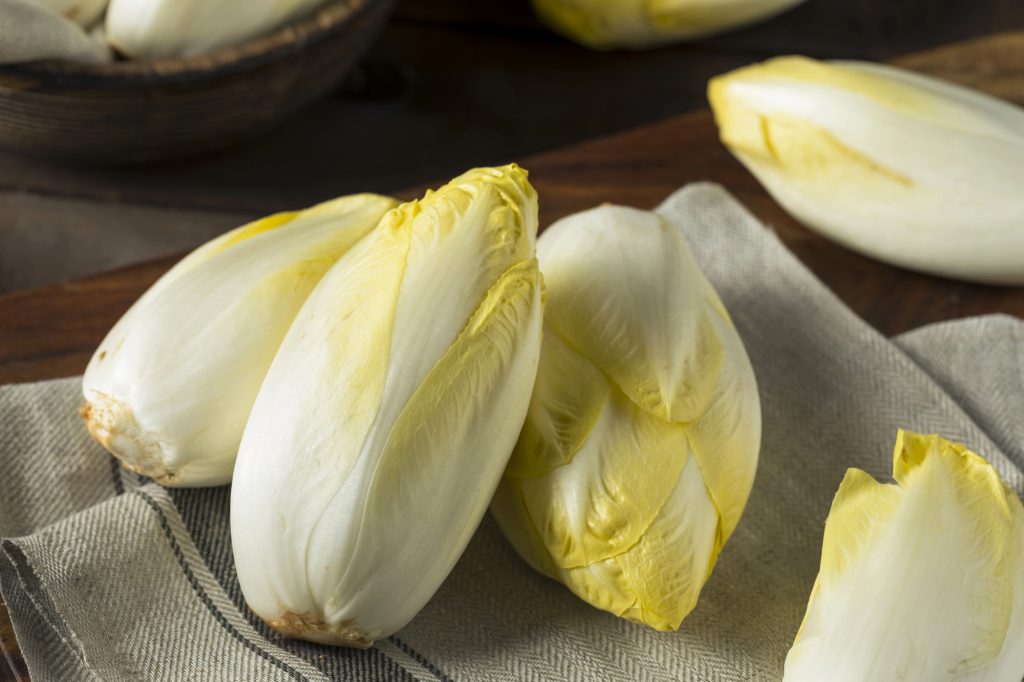
Belgian endive, also called witloof, is a crisp, pale yellow vegetable with a mildly bitter, nutty flavor that sets it apart from other leafy greens. Grown underground to keep its leaves tender and white, it shines in winter when fresh produce is scarce.
Though a bit unusual, this cool-season crop is a refreshing treat and a rewarding challenge.
Oca (Oxalis tuberosa)

Oca, or New Zealand yam, is a root vegetable similar in size to a small potato. It has a waxy texture and a tangy, slightly sweet flavor and can be eaten raw, boiled, roasted, or fried. This unusual vegetable thrives in fertile, well-drained soil in a sunny location but requires a long, warm growing season for a good harvest.
Salsify

Salsify is a long, tapered root vegetable with a creamy white interior. When cooked, it has a mild, oyster-like flavor, making it a fantastic addition to soups and stews. Salsify thrives in cooler temperatures, making it a suitable option for fall or early spring crops.
Chayote
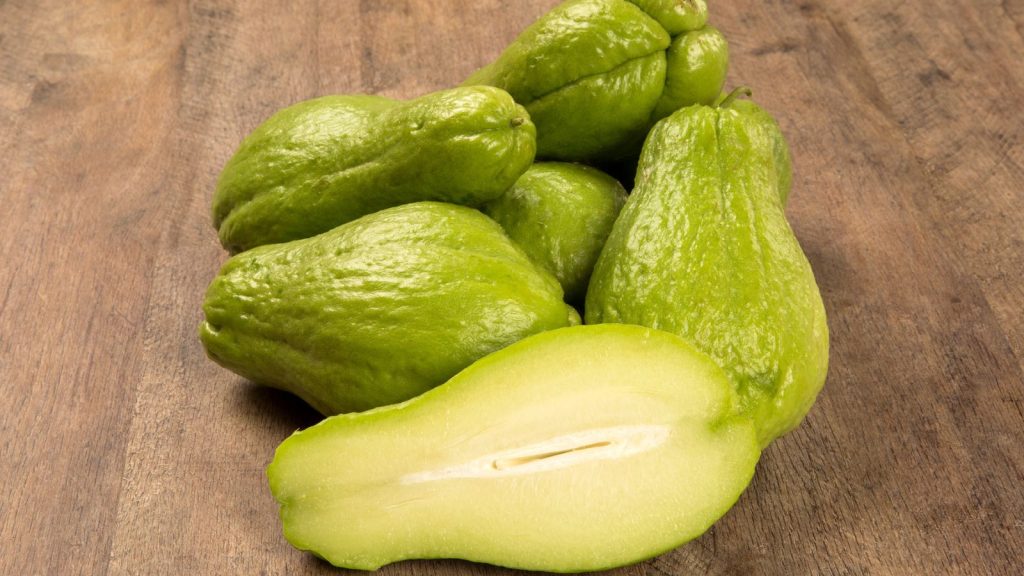
Chayote, also known as vegetable pear, mirliton, christophine, and choko, is a vigorous vining plant that produces an abundance of pear-shaped green fruits.
Similar to
Skirret

Skirret is an ancient variety of root vegetable with a sweet, nutty flavor, often compared to parsnips or
Romanesco
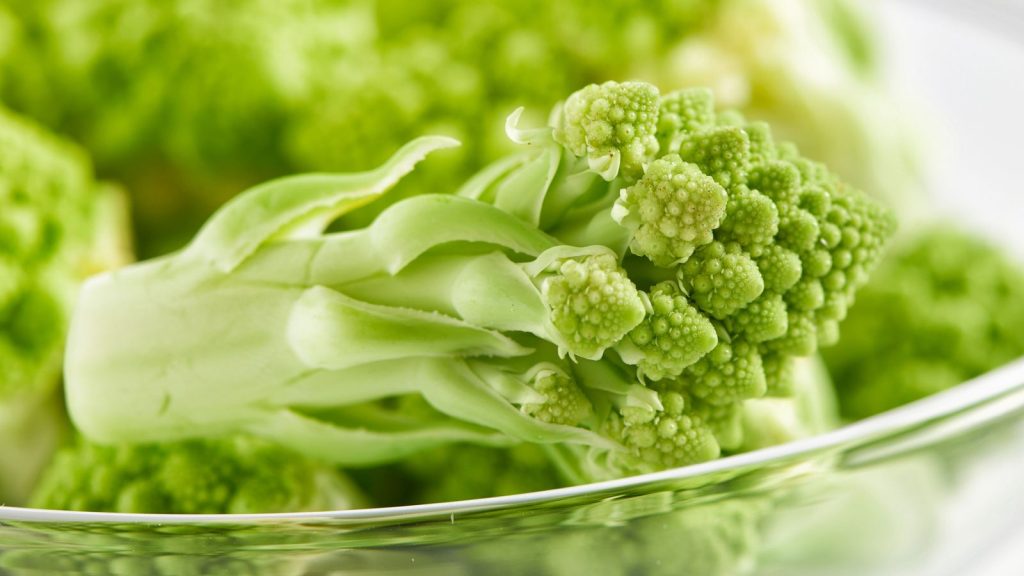
Romanesco is a striking, fractal-shaped cauliflower with a nutty, earthy flavor. However, unlike traditional white cauliflowers, Romanesco comes in vivid shades of purple and green! It has a firm, broccoli-like texture and can be eaten raw, roasted, or steamed.
Florence Fennel
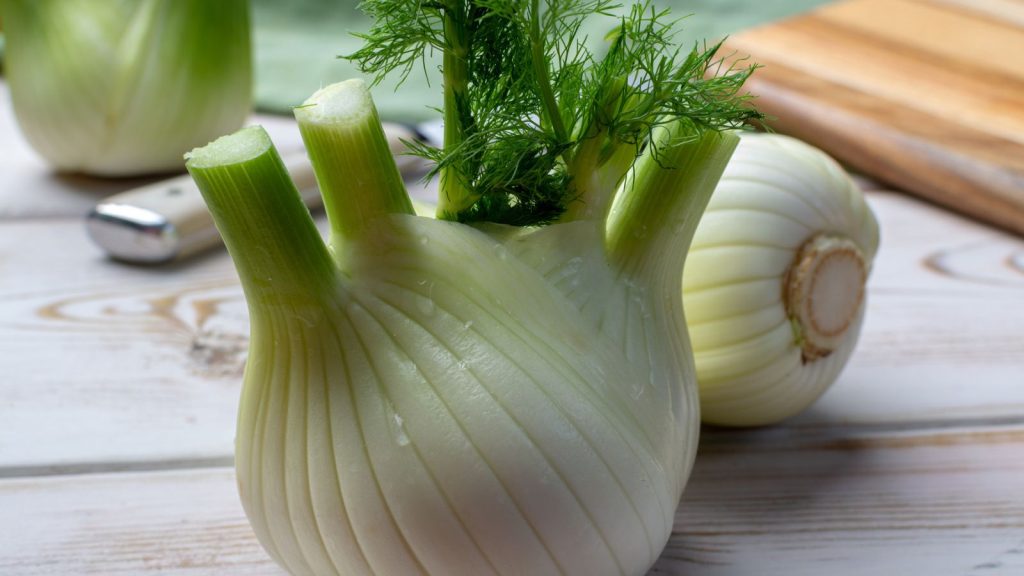
Florence fennel is prized for its bulb, which has a mild, anise-like flavor and crisp texture that works well in Asian-inspired cuisine. It grows best in well-drained, fertile soil and needs full sun. Plant Florence fennel in the spring after the last frost and keep the soil evenly moist to prevent bolting.
Kohlrabi

You might not recognize it, but kohlrabi is a member of the cabbage family! It has a unique swollen stem that forms a bulbous, round shape with a texture similar to turnip or
Malabar Spinach
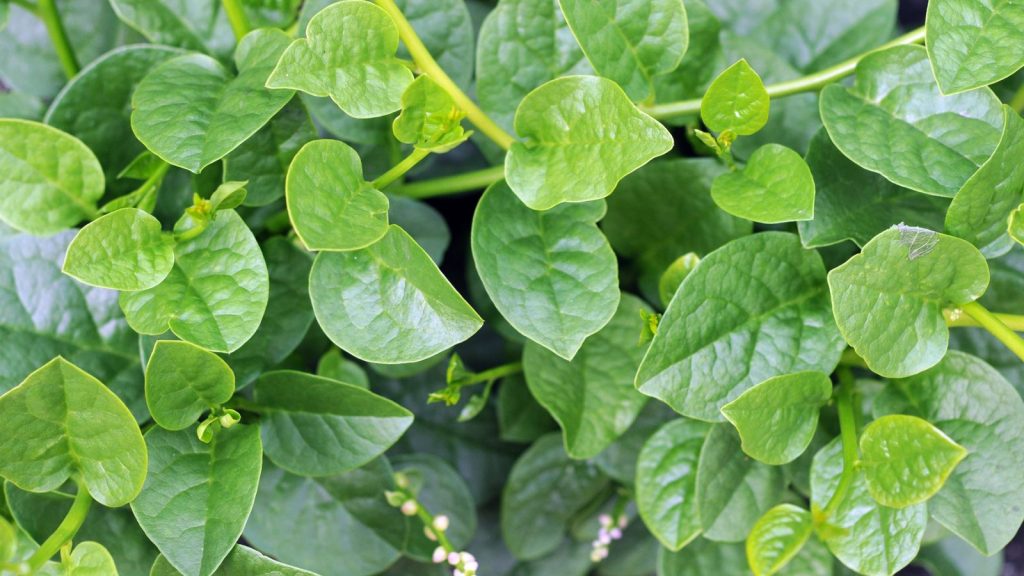
Malabar
Kiwano

Kiwano, also known as African Horned Cucumbers, is an interesting crop with spiky, horned skin and jelly-like, sweet flesh. The vines grow best in warm climates with full sun and well-drained, slightly acidic soil and require regular watering to thrive.
Japanese Pumpkin

Japanese pumpkins, or Kabocha squash, are prized for their dense, smooth texture, which is perfect for soups and stews. They are a type of winter squash that can be stored for several months in a cool, dry place. Plant Japanese pumpkins after the last frost in a sunny spot and water consistently throughout the summer.
Jerusalem Artichoke

Jerusalem artichoke tubers have a nutty, slightly sweet flavor and are delicious when roasted, sautéed, or used in soups. They’re hardy, grow easily in a variety of soil types, and can even tolerate some drought, making them a great crop for beginner gardeners.
Purple Daikon Radish
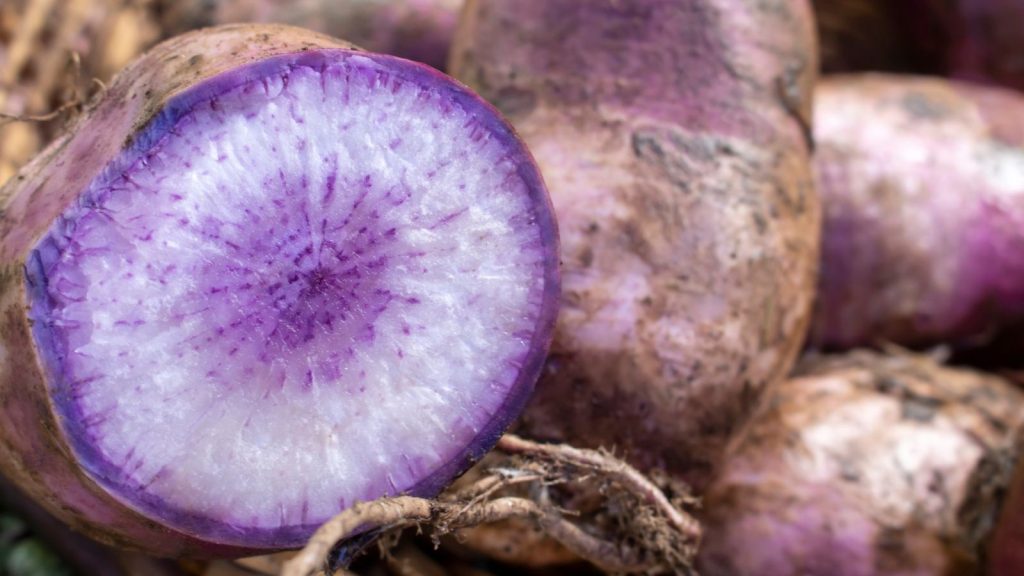
Many of us are familiar with white daikon
It grows best in cooler weather, so plant in early spring or late summer for the best results. Interestingly, inconsistent
Celtuce
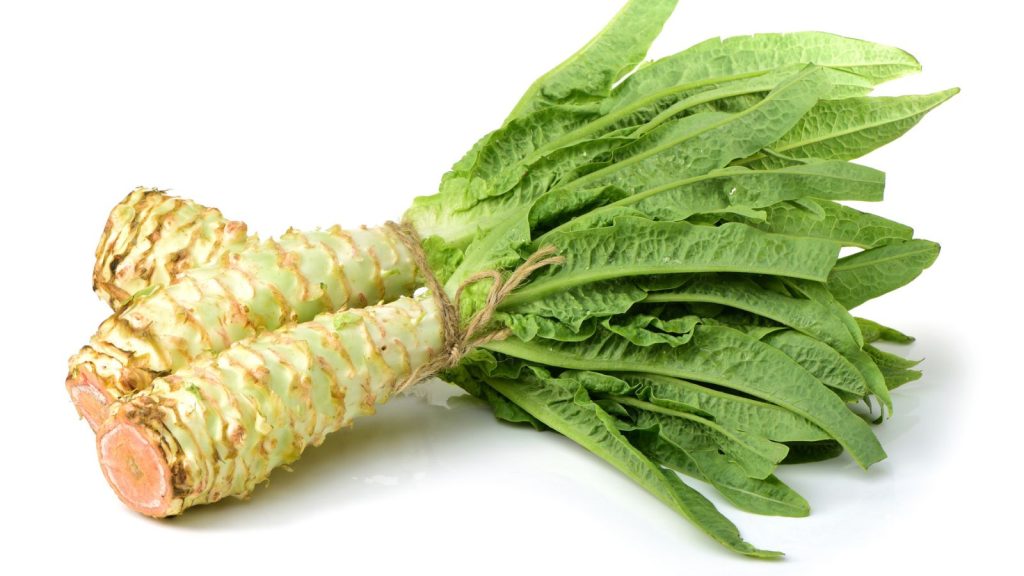
Celtuce is a variety of
Celeriac

Celeriac is a root vegetable with an intense flavor similar to celery. It is usually eaten cooked, added to soups, stews, or mashed. Celeriac has a long growing season and should be planted early in spring for fall harvest.
Burdock Root

Burdock root has a mild, earthy flavor and is used in many Asian dishes, such as stir-fries or soups. It has a crunchy texture when raw but becomes tender when cooked. Burdock is an easy plant to grow, though it typically takes 10–12 months to reach maturity.
Gai Lan
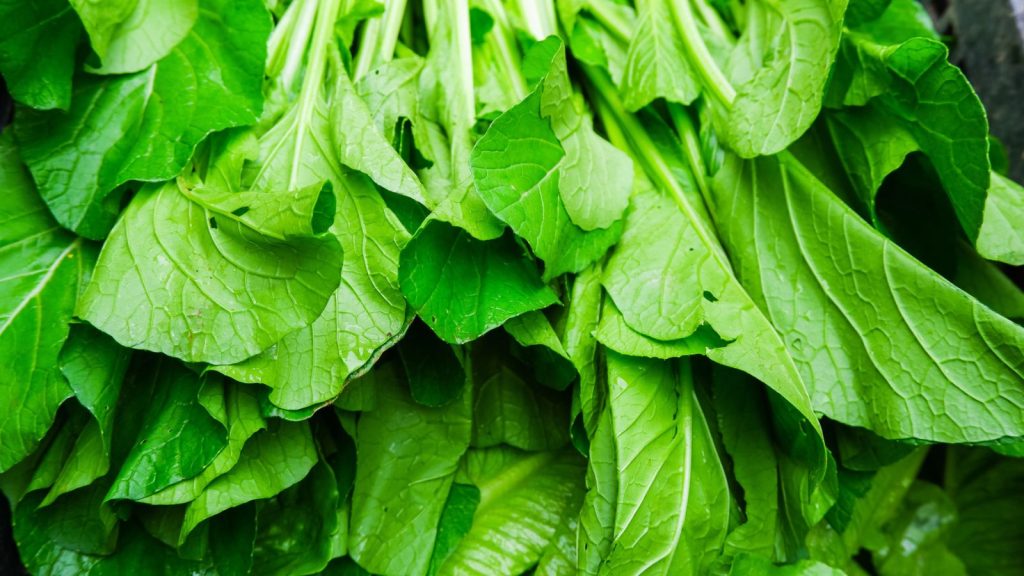
Gai lan is a leafy vegetable with thick, tender stems and small, broccoli-like florets similar to kale or mustard greens in flavor. It grows best in cool, moist soil and full sun, maturing in just 50–70 days. Gai lan is frost-hardy and can tolerate cold temperatures, making it an excellent choice for cool climates.
Tepary Beans

Tepary beans are drought-tolerant legumes native to the Southwest U.S. and Mexico. They have a mild, nutty flavor and can be used in a variety of dishes, from soups to chili. Tepary beans require a warm growing season and are typically harvested in late summer.
Sea Kale
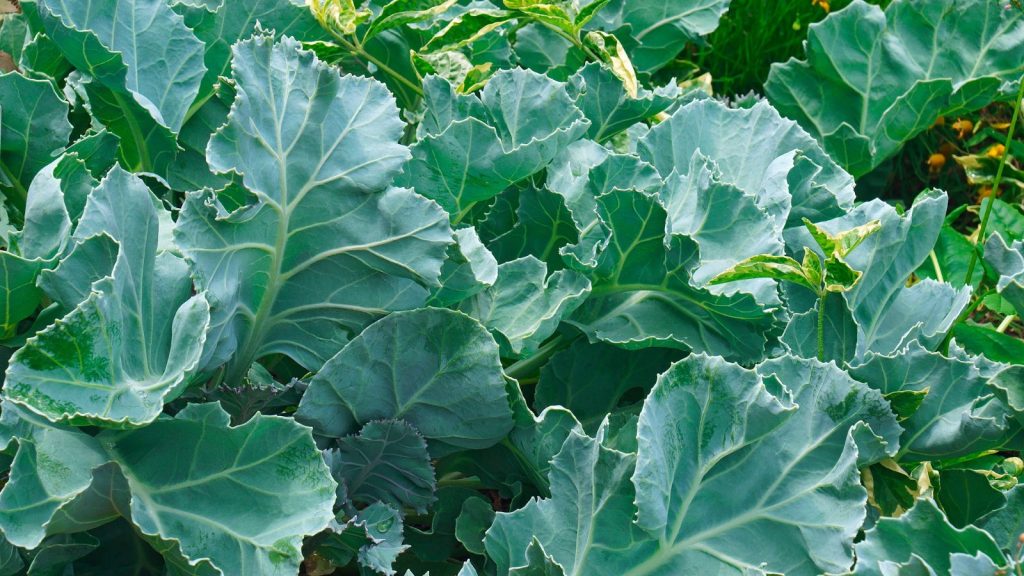
Sea kale is a perennial vegetable that produces edible leaves, shoots, and roots. The flavor is mild, with a hint of sweetness, and the texture is similar to that of asparagus. Sea kale thrives in sandy, well-drained soil and requires little maintenance once established.