Hostas are low-maintenance perennials that come in various shapes, colors, and sizes. So there’s no mystery why they’re a favorite among gardeners. However, despite their low maintenance, hostas are susceptible to pests like deer, nematodes, weevils, snails, and slugs.
Like any other plant, they grow better with smart garden planning and companion planting. Below are 15 plants that pair beautifully with hostas visually and functionally.
1. Astilbe (False Goat’s Beard)

The benefit of astilbes as a companion plant for hostas is more visual than functional. Their feathery pink, red, or white blooms add height and color contrast to hostas’ bold green leaves. They’re also deer and rabbit-resistant, which could prove beneficial to hostas.
Astilbes thrive in USDA Zones 3–9, in rich, consistently moist, well-drained, slightly acidic soil, and partial to full shade. Plant them behind or beside hostas for a tiered effect in shade gardens.
29 Deer Resistant Flowers with The Most Beautiful Blooms
2. Ferns

While astilbes provide a vivid visual contrast with hostas, ferns are finely textured perennials that enhance their green foliage and help create a woodland feel. They also contribute to soil moisture retention.
Most ferns, especially the Japanese painted or lady fern, work well as companion plants and prefer the same cool, moist, and shaded environments as hostas. They thrive in USDA Zones 3–11 and need well-drained, humus-rich, slightly alkaline soil.
3. Brunnera (False Forget-Me-Not)

Brunnera is a groundcover crop that grows densely, suppressing weeds and retaining soil moisture. In spring, it blooms small, sky-blue flowers that resemble forget-me-nots, and its heart-shaped, silvery leaves complement hostas all season long.
Brunnera thrives in USDA Zones 3–8, in moist, well-drained soil, and partial shade. Since Brunnera spreads slowly, it won’t crowd or compete with the hostas. They’re also deer and rabbit resistant.

Companion Planting Guide
Optimize your vegetable garden with our easy-to-use Companion Planting Guide!
This practical and handy printable helps you understand the best plant pairings for enhanced growth and natural pest control.
4. Coral Bells (Heuchera)

Coral bells are primarily grown for their colorful foliage, which ranges from burgundy to deep purple, bronze, and lime green. These colors contrast well with hostas’ foliage and can be combined to make a visually appealing garden border.
Coral bells’ delicate flower spikes attract pollinators, and their compact root systems won’t compete with hostas underground. They grow best in USDA Zones 4–9, in partial shade, and in well-drained, moist, slightly acidic soil.
5. Bleeding Heart (Dicentra)
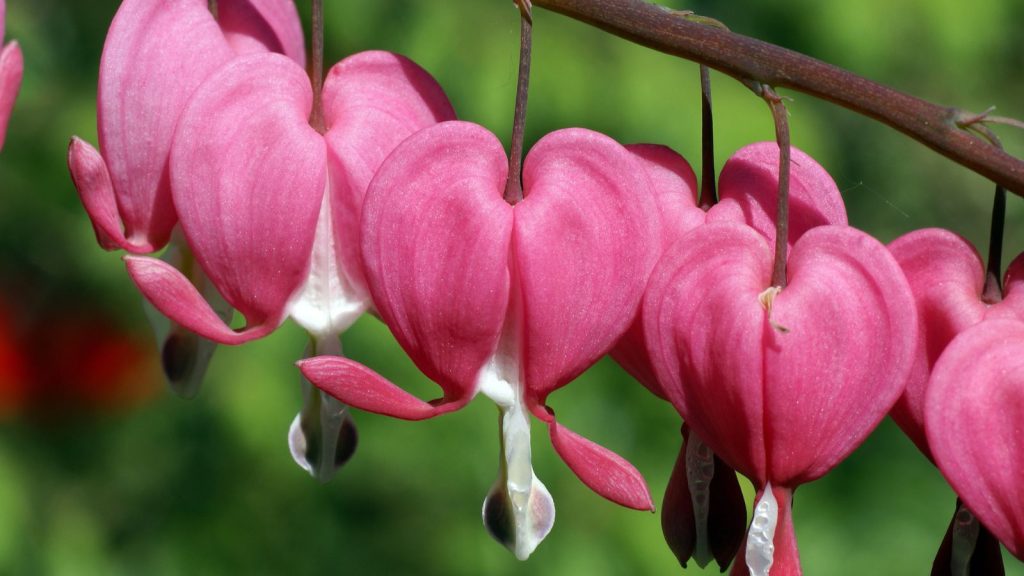
The
Plus, bleeding hearts have a bitter, toxic taste that deer are not too keen to feed on. They like USDA Zones 3–9, moist soil, and partial to full shade.
6. Lungwort (Pulmonaria)
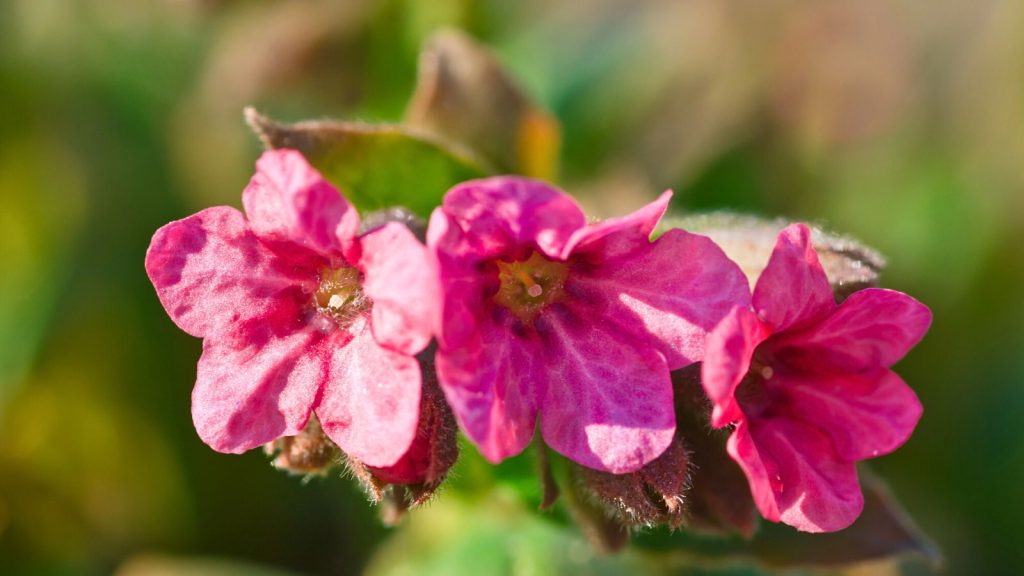
Lungwort thrives in the same shady, damp environments as hostas, featuring attractive spotted leaves and delicate spring flowers in pink, blue, or purple. It grows in USDA Zones 3–9 and prefers consistently moist, well-drained, neutral to slightly alkaline soil. Lungwort acts as a living mulch, helping retain soil moisture for hostas. It’s also deer-resistant.
7. Japanese Forest Grass (Hakonechloa)
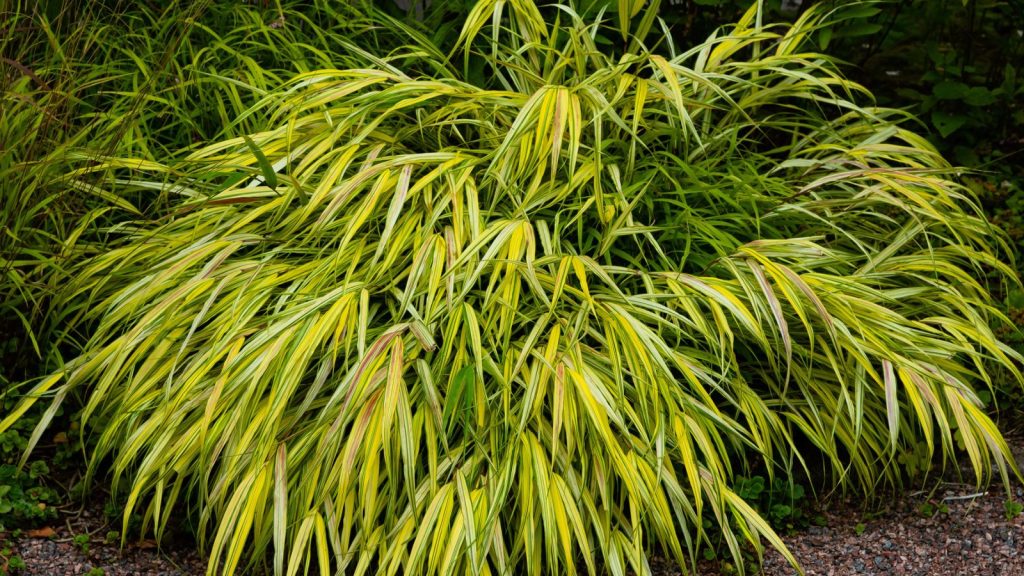
Also known as Japanese Hakone Grass, it is one of the few ornamental grasses that grows well in shaded areas. Its golden arching blades provide a bright contrast to the shaded areas and the darker leaves of the hostas.
It does well in USDA Zones 5–9 in moist, rich, well-drained soil. Grow it in masses to provide ground cover or in a border with hostas.
8. Toad Lily (Tricyrtis)
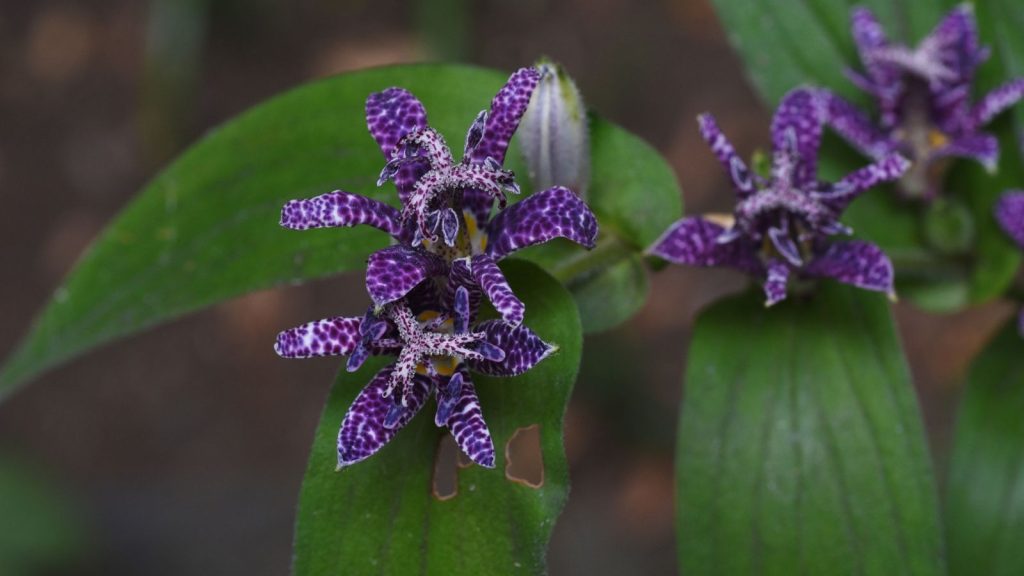
Toad lilies are another fine-textured companion plant with exotic, orchid-like flowers that bloom in late summer and early fall, right when hosta flowers are fading. They love shade and consistent moisture and grow best in USDA Zones 4–9. For the best visual results, plant toad lilies in clusters to complement the foliage of hostas.
9. Solomon’s Seal (Polygonatum)

Solomon’s seal is an elegant perennial with arching stems and dangling white flowers that bloom in spring. It thrives in the same shady, moist conditions as hostas and makes a great companion plant.
Solomon’s seal grows in USDA Zones 3–9 and spreads gradually to form natural-looking drifts. Although it takes some time to develop, it lives very long and requires little maintenance when fully established.
10. Epimedium (Barrenwort)

Epimedium is a groundcover plant that blooms delicate four–petalled flowers in spring and, sometimes, evergreen or bronze-colored leaves. It’s one of the few plants that thrive in dry shade, which is ideal for tougher spots where hostas do well. Plant it in USDA Zones 5–9, in humus-rich soil, with light to full shade.
11. Hydrangeas

If you want to recreate an aesthetic worthy of being the cover of a gardening magazine, then growing hydrangeas and hostas as companion plants is the way to go. The large, showy blooms of hydrangeas add color and volume to shady beds, while the hostas fill in the lower layer with their broad green leaves to create a layered look.
Hydrangeas grow well in USDA Zones 3–9, depending on the variety, and prefer well-drained, slightly acidic soil. Space them generously to avoid overcrowding and allow airflow between plants.
12. Daffodils
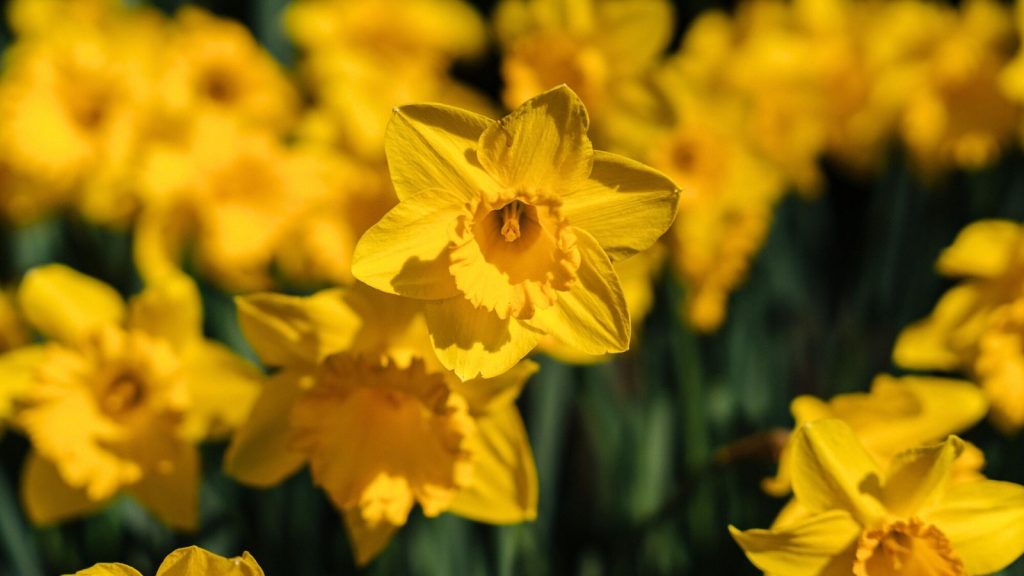
Daffodils are cheerful spring bloomers that brighten up the garden just as winter fades. They flower before hostas leaf out, and their fading foliage is easily hidden beneath hosta leaves later in the season. Daffodils thrive in full to partial sun and well-drained soil and grow best in USDA Zones 3–8.
13. Bugleweed (Ajuga)

Bugleweed is a low-growing, mat-forming perennial with evergreen, colorful foliage. It thrives in USDA Zones 3–10, in partial shade and moist, fertile soil. Bugleweed is especially useful for filling difficult areas under trees or around shrubs, like hostas, where grass won’t grow. This helps to retain soil moisture while suppressing weeds around the hostas.
Though they can be aggressive, it’s easy to pull up and control when needed. Try pairing a blue-colored hosta, like ‘Blue Angel’, with purple bugleweed for a striking color contrast that even pollinators like bees will enjoy.
14. Clematis

Some hosta varieties are quite sun-tolerant, and we’d be amiss not to consider companion plants for them, too. Clematis grows well in USDA Zones 3–10, full sun or partial shade, and well-drained soil. It also prefers to have its roots shaded, and hostas naturally help with that.
In return, the clematis offers protection against rabbits and deer. Its delicate flowers contrast beautifully with broad hosta leaves, and its climbing habit adds depth without overcrowding. For best results, train it up a fence, trellis, or obelisk behind your hostas.
Related: 18 Best Climbing Vegetables to Grow Vertically
15. Foamflower (Tiarella)
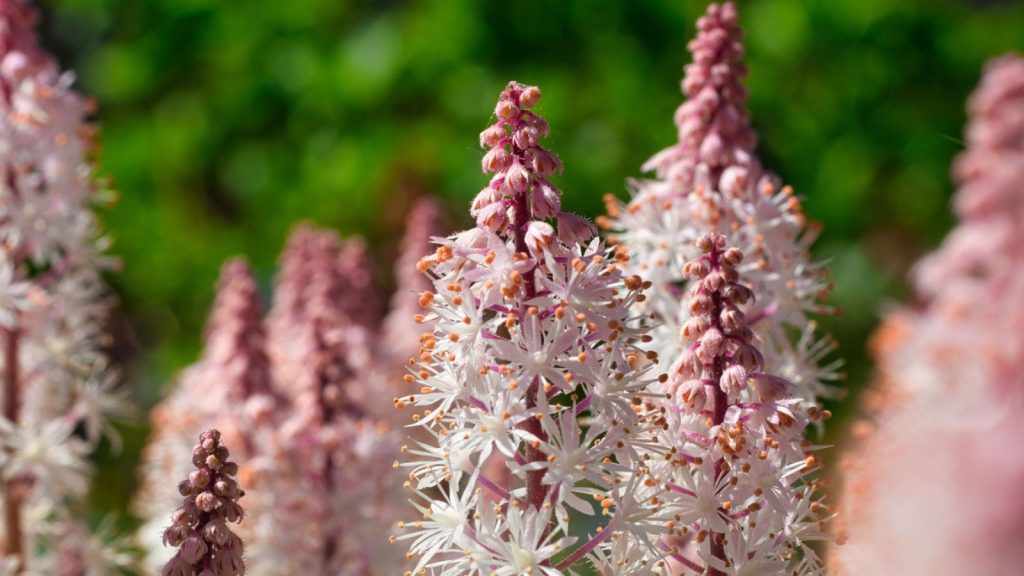
In spring, foamflowers produce clusters of star-shaped blooms that resemble soft foam spray, hence the name. It thrives in USDA zones 4-9, moist, humus-rich soil, and partial to full shade. Foamflower works well as a groundcover or edging plant, and its small size makes it ideal for planting in front of larger hostas.
16. Crocuses

Crocuses pop up early in the season with small, colorful flowers that add beauty to your hosta beds. Their early bloom time allows them to shine before hostas take over, and once they fade, hosta foliage helps conceal the spent leaves. These bulbs also prefer well-drained soil.
17. Snowdrops

Snowdrops are among the earliest flowers to bloom, often pushing through the last patches of snow. Their delicate white blooms pair beautifully with hostas, and the timing is just right—hostas emerge just as snowdrops finish up. Like other spring bulbs, snowdrops need well-drained soil.
30 Native Plants That Will Draw Beautiful Birds to Your Yard

If you want to attract more birds to your garden, the right plant choices can make all the difference. Here are 16 native plants that will attract a variety of birds.
30 Native Plants That Will Draw Beautiful Birds to Your Yard
20 Flowering Shrubs That Will Make Your Garden Look Like a Work of Art
If you’re looking to bring a gorgeous touch to your landscape, here are 20 flowering shrubs that will make your garden look like a work of art.
20 Flowering Shrubs That Will Make Your Garden Look Like a Work of Art