
If deer frequently wander into your garden, you know the frustration of finding your carefully nurtured flowers nibbled away. While fences and repellents can help, a more natural and low-maintenance solution is choosing plants that deer tend to avoid.
Like people, deer have their own food preferences, and while no plant is completely deer-proof, many flowers are far less appealing to them. By filling your garden with these resilient blooms, you can create a vibrant space without constantly battling hungry visitors.
If you’re looking for beautiful, deer-resistant flowers to add color and charm to your garden, here are 26 stunning options that deer will likely leave alone.
Dianthus

With their vivid colors and sweet, spicy scent,
These annuals attract butterflies, hummingbirds, and other pollinators and come in various forms, from low ground covers to taller upright varieties. Perfect for border displays, containers, and cutting gardens, Dianthus thrives in full sun and well-drained soil.
Coneflower

Also known as
Marigold (Tagetes Spp.)

A kitchen garden classic,
Marigold plants prefer full sun and well-drained soil. They require regular watering until well-established but can tolerate hot, dry conditions.
Strawflower

Strawflowers are resilient flowers that thrive in warm, dry climates and prefer well-drained, average soil. They are a low-maintenance choice for long-lasting beauty and are deer-resistant. Their blooms are available in shades of yellow, pink, orange, and red.
Columbine (Aquilegia Canadensis)

Columbine is a perennial with bright flowers contrasting against dark, clover-shaped leaves. Available in various colors, including two-tone, its unique bell-shaped flowers with five spurs catch the eye. Ideal for slopes, ledges, or open garden spaces, Columbine adds beauty, attracts wildlife, and deters deer.
Snapdragon (Antirrhinum Majus)

Unlike most fast-growing annuals, Snapdragons produce most of their flowers in the cooler months of spring and fall. The tall spikes of tubular flowers come in a range of colors, adding height and interest to your ornamental flower garden.
Snapdragons prefer full sun or partial shade and should be planted in fertile, well-draining soil and watered regularly. They grow best in zones 4-11 but do not tolerate long periods of drought.
Nasturtium (Tropaeolum Majus)
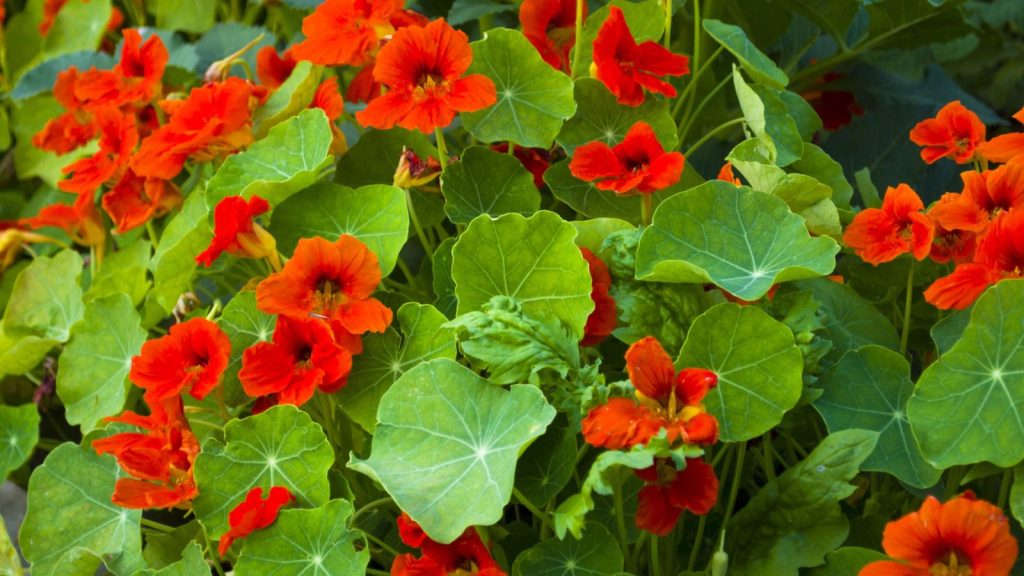
Nasturtium is a trailing plant that produces mounds of bright green leaves and an array of flowers in shades of orange, yellow, and red. Its sprawling growth habit makes it great for quickly covering bare soil, but it can crowd out smaller plants.
Plant
Bee Balm
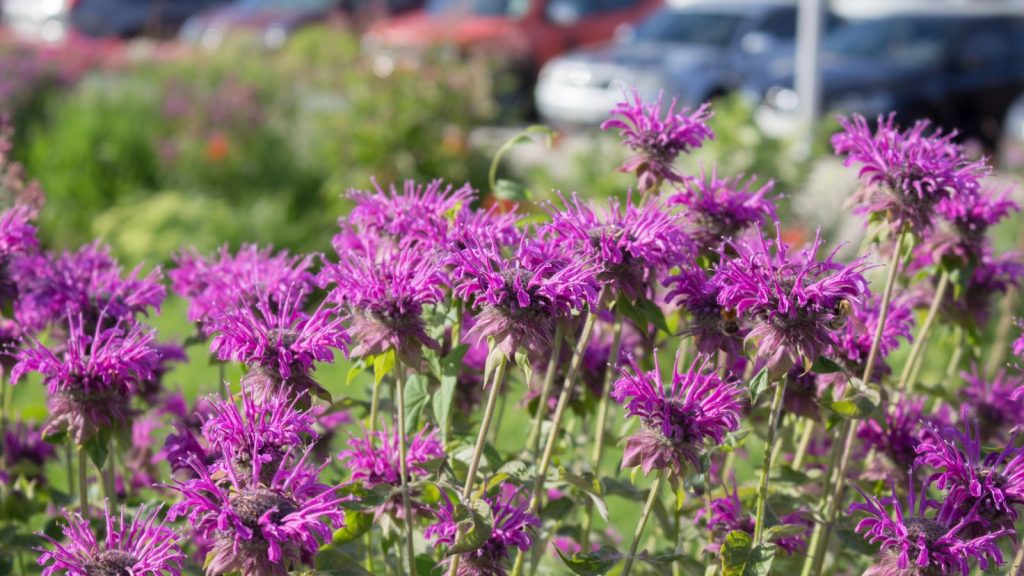
True to its name,
Calendula

Calendula is a bright and cheerful plant that enhances any garden. Plant it in early spring to enjoy its vibrant flowers from late spring until early summer.
Calendula flowers and petals can be used in cooking. While the leaves are edible, they tend to be bitter and are commonly added to salads for an extra bite.
Calendulas are easy to grow in well-drained soil and thrive in gentle sunlight. They also help control pests and deter deer and rabbits, making them beneficial for protecting vegetable gardens.
Sweet Pea (Lathyrus Ooratus)

Sweet Peas climb and vine their way upwards throughout the summer, producing fragrant flowers in shades of pink, purple, and red. This fast-growing annual is ideal for growing on a trellis or fence and will flower for several months if dead-headed regularly.
Sow Sweet Pea seeds directly into fertile soil in a well-draining, sunny spot. This fast-growing annual flower grows well in zones 2-11.
Sweet Alyssum (Lobularia Maritime)

Sweet Alyssum is a low-growing plant that produces a carpet of tiny flowers in white, pink, and purple shades. Its strong fragrance attracts insect life that can help keep garden pests at bay.
Sow Sweet Alyssum in well-drained soil in full sun to partial shade. It tolerates poor soil and drought well and can be grown in zones 5-11.
Globe Amaranth (Gomphrena Globose)

The globe-shaped flower heads of Globe Amaranth produce a pompom-like carpet of blooms in vibrant shades of pink, purple, and red. This fast-growing annual will thrive in containers and ornamental gardens with little maintenance.
Globe Amaranth should be grown in full sun in well-drained soil. Grown as an annual in zones 2-11, this rapidly growing plant can tolerate drought and will attract clouds of butterflies to your garden.
Butterfly Weed
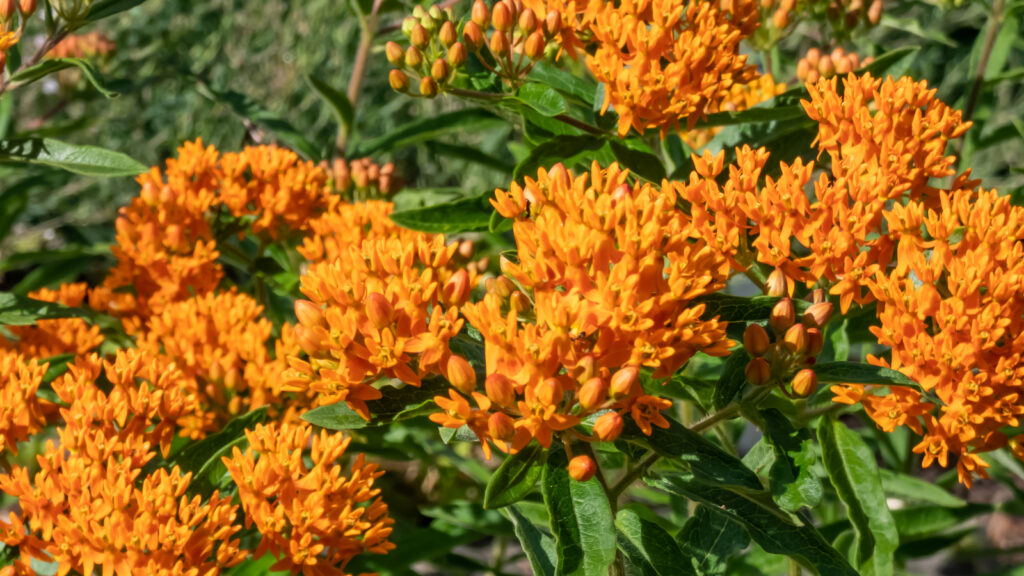
Butterfly weed, a form of milkweed, is a brightly colored wildflower. It blooms in vibrant shades of yellow, orange, and red and is deer-resistant. This sun-loving plant thrives in light, sandy soil with good drainage. Zones 3-9
Peony

Peonies are popular perennials with big, fragrant pink, red, white, and yellow flowers. They have glossy green leaves and bloom from late spring to early summer. Peonies are generally considered deer-resistant. Peonies require rich soil with good drainage. Zones 3-8
Cosmos (Cosmos Bipinnatus)
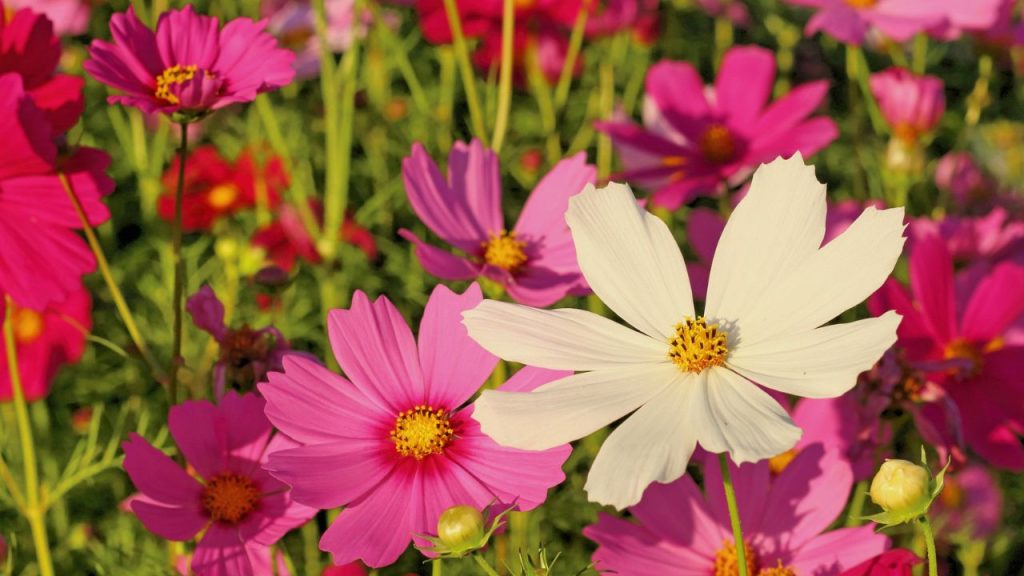
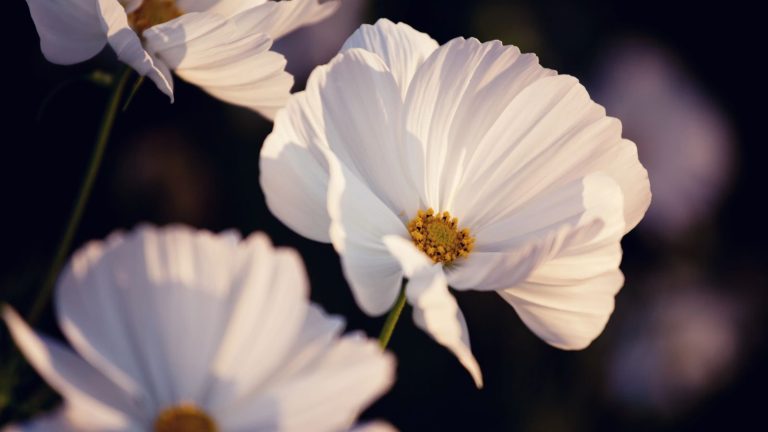
Famed for its colorful daisy-like flowers atop mounds of bushy fern-like foliage, Cosmos will add color to your garden from early summer right into fall. The flowers come in various colors, including pink, white, red, orange, and purple.
Plant Cosmos in a sunny location in well-drained soil, and water well until established. This drought-tolerant plant will thrive in zones 2-11 but loves hot climates.
Begonia

Begonias are beloved for their lush foliage and vibrant blooms in many colors and shapes, ranging from upright bedding begonias to cascading tuberous begonias. They prefer partial shade and well-drained soil, making them perfect for summer blooms.
Begonias may attract pests like slugs, snails, and aphids. Soft pest control measures, such as handpicking or organic repellents, can help mitigate these issues without damaging the blooms.
California Poppy (Eschscholzia Californica)

California Poppy boasts large orange flowers that add a vibrant splash of color to your garden. The blue-green foliage creates an interesting contrast with other flowering plants, and it will self-seed easily year after year.
Grow California Poppies in full sun in well-drained soil. This plant tolerates drought well when established and thrives in zones 6-11.
Foxglove
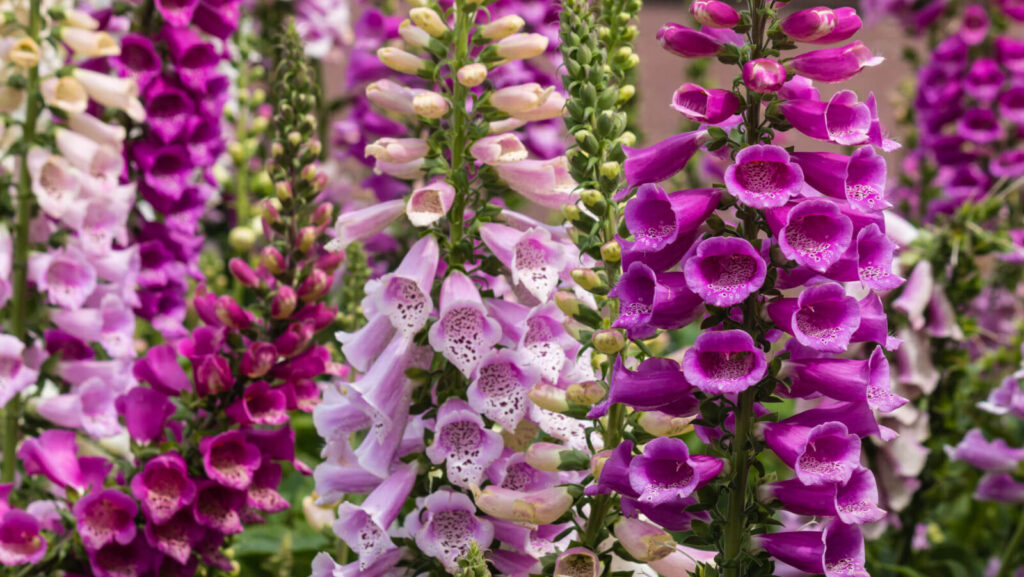
Foxglove has tall spikes of bell-shaped flowers, perfect for adding height to shaded gardens. Blooms in late spring to early summer. Zones 4-10
Catmint

Catmint produces
Lavender (Lavandula)
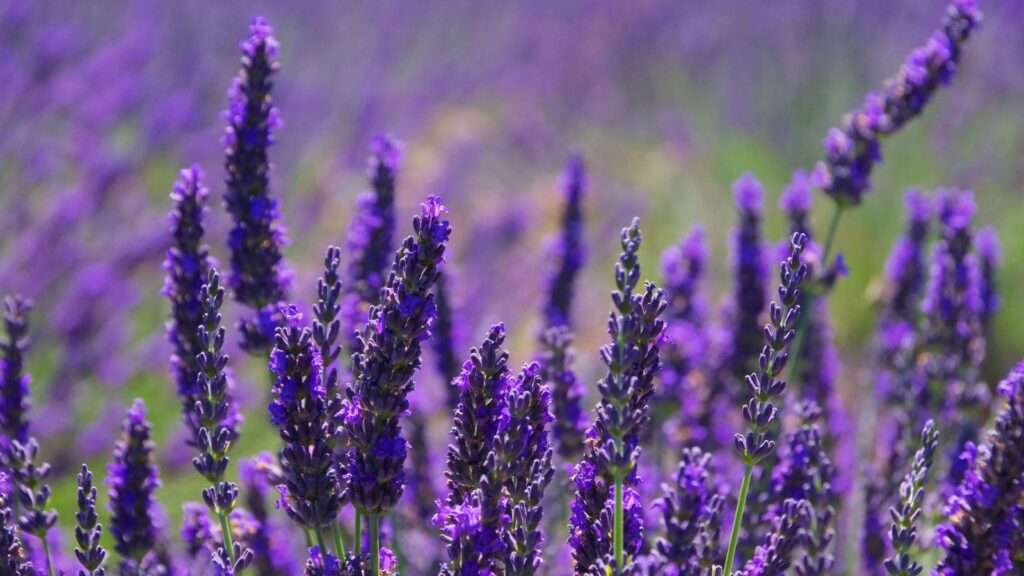
Known for its striking purple hue and soothing scent, lavender is a magnet for butterflies and an ideal choice for those seeking low-maintenance beauty. It has the most amazing scent and makes a garden smell wonderful. Thriving in sunlight and requiring minimal water, it’s perfect for easy-care gardens while keeping the deer away.
Salvia

Salvia plants are known for their spikes of violet, blue, white, or pink flowers. They are drought-tolerant and prefer full sun.
Lungwort (Pulmonaria)

Lungwort is a deer-resistant, shade-loving perennial that blooms in early spring. Its flowers shift from pink to blue as they mature. The plant’s textured, hairy leaves deter deer, making it ideal for enhancing shady areas of the garden with minimal risk of deer damage.
Yarrow (Achillea)

Yarrow produces clusters of small, flat-topped flowers in colors including yellow, white, pink, and red. It’s drought-tolerant and thrives in full sun. Zones 3-9
Hellebore

Hellebores are early bloomers with flowers in shades of white, green, pink, purple, and red. They prefer partial to full shade and well-drained soil. Zones 3-9
Penstemon

Penstemon is deer-resistant and known for its colorful, tubular flowers that attract bees and hummingbirds. Its unappealing taste and texture to deer make it an excellent choice for gardens seeking beauty and wildlife attraction without the deer problem. Zones 3-9
Love-in-a-Mist (Nigella Damascene)

Love-in-a-Mist produces a mound of delicate foliage topped with exquisite mist-like blue flowers, hence its whimsical name. This low-maintenance plant’s floral display peaks in late spring and early summer, earlier than that of many other annual plants.
This frost-sensitive annual grows well in zones 2-11 in full sun or partial shade. Plant in well-drained soil and water well until established.