
So much of our daily lives is dependent on the weather. From what we wear to the activities we plan, we have to consider the weather. Typically, it’s a quick check on our weather app or watching the news to find out what to expect from Mother Nature.
But what if you don’t have that option? What if you have to depend on your own skills to determine when to plant your garden and when you should protect your plants in case of a freeze?
The following are some ways you can be your own weatherman.
1. Cloud Observation

This might seem obvious, but it’s the quickest way to predict the weather. Watch cloud shapes, movement, and type.
- Cirrus clouds: Fair weather, but a storm might be approaching in a day or two.
- Cumulonimbus clouds: Thunderstorms are likely.
- Low, gray stratus clouds: Persistent rain or drizzle.
2. Wind Direction

Use a windsock, flag, or observe tree movement to determine the direction of the wind.
- What It Tells You:
- Winds from the west: Fair weather.
- Winds from the east: Storms or wet weather approaching.
3. Temperature Drop

Monitor the temperature, especially in the evening. If you don’t have a thermometer, you can still feel the change.
- What It Tells You: A sudden temperature drop could indicate an incoming cold front or storm.
4. Humidity Levels
Observe how damp the air feels or use natural indicators like hair frizzing.
- What It Tells You: High humidity often precedes rain or storms.
5. Animal Behavior

Watch for changes in how animals behave. They have very sensitive senses and can feel bad weather, earthquakes and tornadoes before humans.
- What It Tells You:
- Birds flying low: Falling air pressure which means bad weather.
- Frogs croaking loudly: Rain may be coming.
6. Insect Activity

Observe ants, flies, or bees. Like animals, they have sixth senses that give them a heads up to get to safety before bad weather rolls in.
- What It Tells You:
- Ants building higher mounds: Heavy rain might be on the way.
- Mosquitoes or flies more active: Increased humidity, potential rain.
7. Dew or Lack of It

Check for dew on grass in the morning.
- What It Tells You:
- Dew present: Likely fair weather.
- No dew: Clouds or rain may be forming.
8. Halo Around the Moon or Sun

Look for a glowing ring around the moon or sun.
- What It Tells You: Indicates moisture in the upper atmosphere, often preceding rain.
9. Smells in the Air
Notice if scents are stronger than usual. You probably know an older person that has stepped outside and turned their noses to the air and said something like ‘weather is coming.’ They’re right.
- What It Tells You: Rain intensifies odors as moisture releases them from the ground and plants.
10. Red Sky Rule

Observe the color of the sky at sunrise and sunset.
- What It Tells You:
- “Red sky at night, sailor’s delight”: Fair weather.
- “Red sky in the morning, sailor’s warning”: Storms likely.
11. Smoke from Fires

Watch the direction and movement of smoke rising from your campfire.
- What It Tells You:
- Smoke rising steadily: Stable weather.
- Smoke swirling or falling: Low pressure, possibly rain.
12. Rainbows
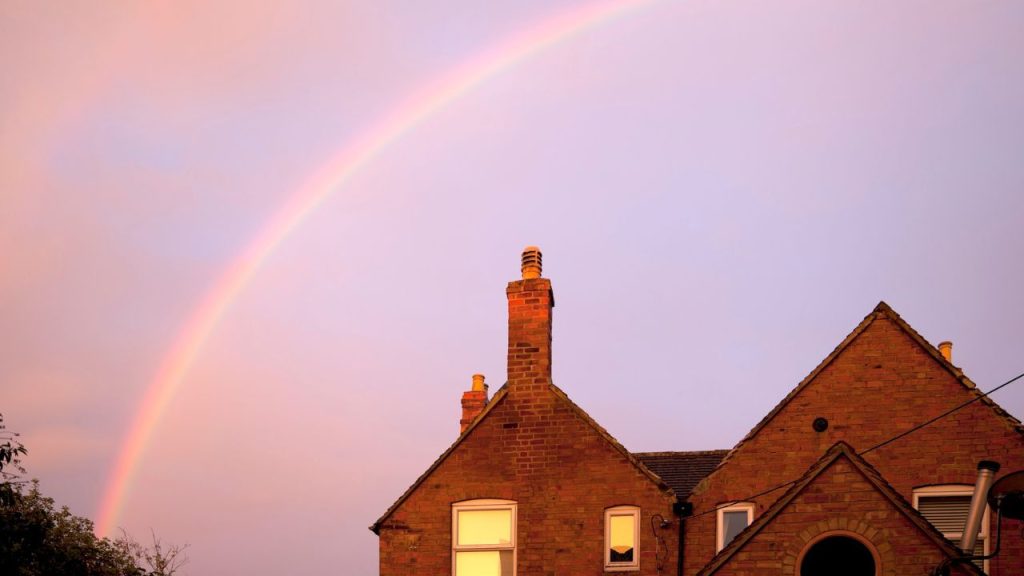
Observe the location of a rainbow.
- What It Tells You:
- Morning rainbow: Rain approaching.
- Evening rainbow: Clearing skies.
13. Pressure Changes
Feel ear pressure or use a homemade barometer made from a sealed jar, water, and a straw.
- What It Tells You:
- Falling pressure: Storms or wet weather.
- Rising pressure: Fair weather.
14. Plant Behavior

Look at how plants react to changes in moisture or light.
- What It Tells You:
- Pinecones close up: Humidity increasing, rain likely.
- Flowers opening wide: Sunny weather ahead.
15. Sound Clarity
Listen to how far sounds carry. This can be you shouting or banging a spoon against a pot.
- What It Tells You:
- Sounds traveling farther than usual: Rain may be approaching due to denser, humid air.