Cast iron skillets are loved for their durability, often lasting for generations and delivering excellent cooking performance time and time again. A good cast-iron
Understanding how to properly clean and maintain your skillet is key to getting the most out of this timeless kitchen tool. Let’s take a look at 15 different cleaning and seasoning techniques and when to use them.

Step-by-Step Video on How to Restore a Rusted Cast Iron Skillet
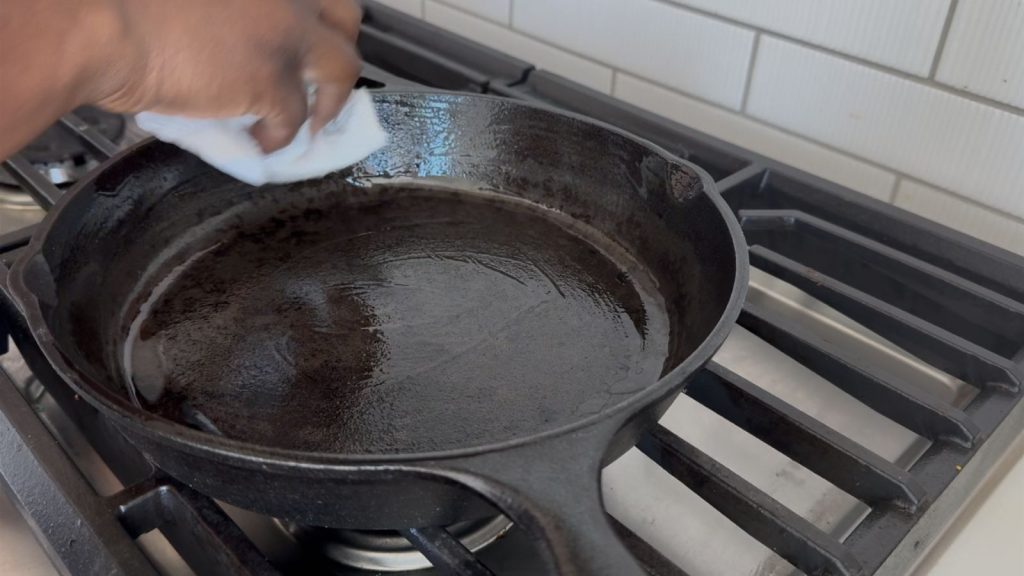
1. Paper towel or cloth
When to use: Use this method if your
Method: After cooking, while the
2. Hot water rinse
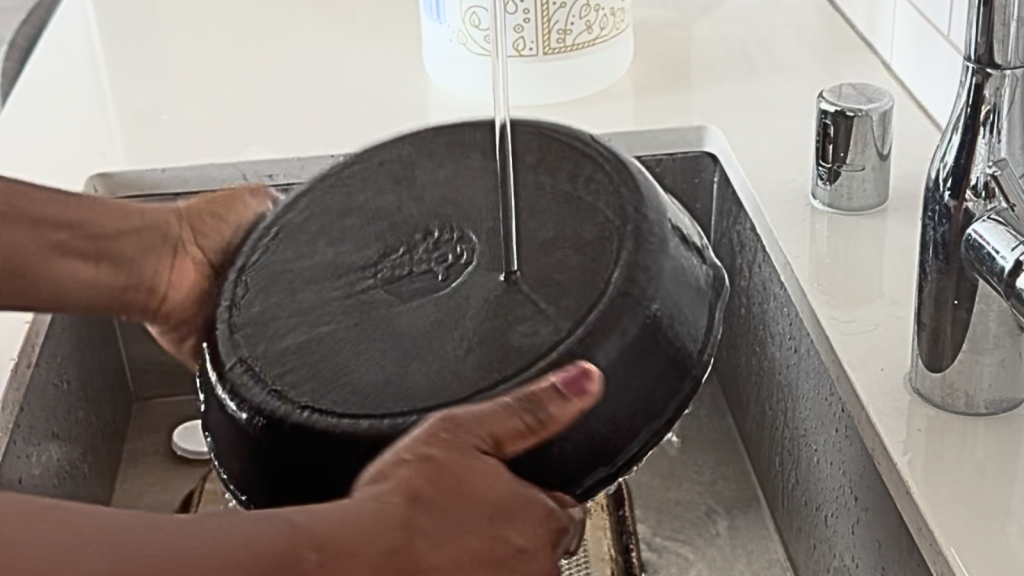
When to use: Perfect for everyday cleaning when there’s minimal food residue stuck to the
Method: After cooking, let the
3. Plastic scraper
When to use: A soft silicone or plastic scraper will gently scrape off food stuck to the surface after cooking.
Method: After cooking, scrape off any stuck food using a plastic scraper designed for cast iron. Follow up with a rinse of hot water and dry immediately.
4. Kosher salt and a sponge
When to use: The larger granules of kosher salt are ideal for removing stuck-on food without risking damage to the seasoning.
Method: Sprinkle a generous amount of kosher salt into the
5. Boiling water
When to use: Boiling water is a great way to remove stubborn, baked-on food residue without damaging the surface of your cast iron skillet.
Method: Add about ½ cup of water to the
6. Chainmail scrubber
When to use: A chainmail scrubber can be used to remove tougher, baked-on residue that doesn’t come off with regular sponges or salt.
Method: Wet the
7. Heat drying
When to use: Whenever your cast iron
Method: After cleaning, place the
Rusted Cast Iron Skillet? Here’s The Secret To Restoring It
8. Oil rub
When to use: Cast iron skillets should be rubbed with oil after drying to maintain the seasoning and prevent rust.
Method: After drying the

9. Soap (sparingly!)
When to use: Soap can be used sparingly to clean a cast iron
Method: Use a very small amount of mild dish soap and a soft sponge to gently scrub the surface, then rinse thoroughly. Dry completely and reapply oil to maintain the seasoning.
10. Baking soda paste
When to use: Baking soda paste is useful if your
Method: Mix 1-2 tablespoons of baking soda with a little water to form a thick paste. Apply the paste to the
11. Potato and salt
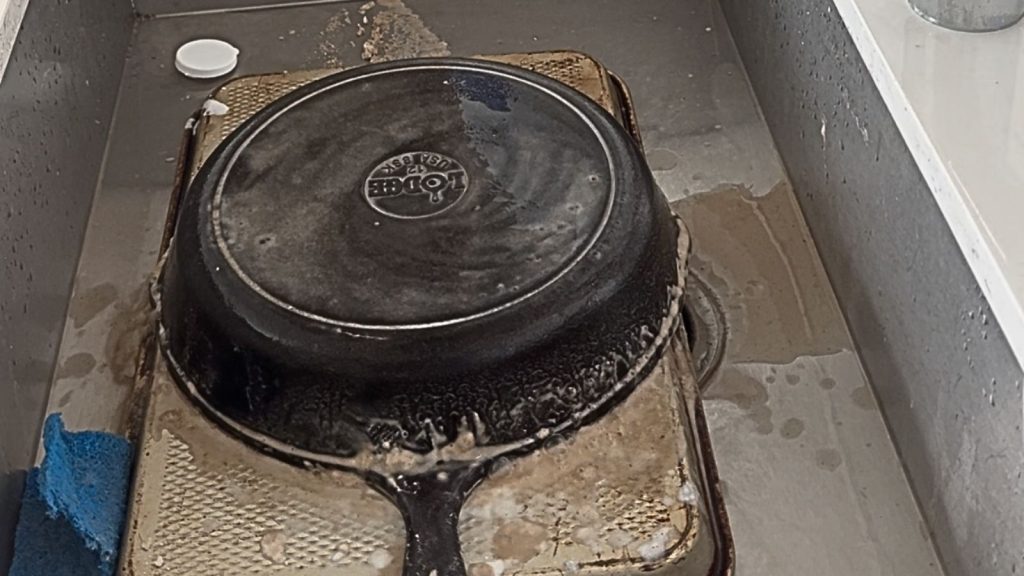
When to use: The simple potato and salt method is a fun and eco-friendly way to lift stuck-on food and grime without chemicals.
Method: Sprinkle coarse salt into the
12. Specialist cast iron brush
When to use: If you use your cast iron
Method: Rinse the
13. Periodic re-seasoning
When to use: Although many of the cleaning methods advise wiping the surface with oil, periodic re-seasoning is the best way to ensure the non-stick surface remains intact. This method should be used when food starts sticking, the
Method: Scrub the cooking surface clean, dry thoroughly, and coat the entire
14. Vinegar
When to use: Use this method if you notice light rust forming on the surface of your
Method: Mix a solution of 1 part white vinegar to 1 part water and submerge the
15. Steel wool
When to use: Steel wool is a good way to remove heavy rust that can’t be shifted with vinegar alone.
Method: For heavy rust, use fine steel wool to scrub the affected area. Work until all rust is gone, leaving only bare metal. Rinse and dry thoroughly, then re-season.