


White vinegar, recognized for its acidic properties, is more than just a pantry essential. It’s an invaluable product, especially for those interested in preparedness. Preppers should stockpile white vinegar as it proves to be a cost-effective, non-toxic alternative to many store-bought cleaning supplies and remedies.
Vinegar is a powerful natural disinfectant capable of effectively killing germs without the need for harsh chemicals. Whether cleaning surfaces or addressing minor health issues, its acidic nature provides a simple yet effective solution. White vinegar can be a reliable tool when access to modern conveniences might be limited or non-existent, making it a must-have in any survival kit.
Preserving Food

White vinegar is an essential ingredient for preserving food, particularly through pickling. With its high acidity, white vinegar is perfect for pickling a wide variety of vegetables, guaranteeing they stay fresh for long periods without refrigeration.
From cucumbers and
21 Canning Recipes to Preserve Your Harvest the Way Grandma Did
Clean and Disinfect Surfaces

White vinegar dissolves dirt and kills bacteria. It can be used to clean countertops, tables, cutting boards, and other surfaces. If a disaster strikes, many illnesses can spread rapidly. Keeping your location clean can help reduce the risk of infections spreading among those around you.
Wash Fruits and Vegetables

Mom always used to say, ‘Wash your fruits and veggies,’ and for good reason. From how it is transported to the number of hands that touch it in the supermarket, there’s no telling how filthy those things are. That’s where vinegar comes in. Simply wash your fruits and vegetables with vinegar. It will help to remove any dirt and germs.
In addition, if your vegetable has wilted, you can bring it back to life by soaking it in a vinegar solution and then thoroughly rinsing it with cold water to refresh it and restore its crispness. This simple trick can help extend the life of your produce and reduce food waste.
Disinfect Tools

When pruning and trimming trees, bushes, and plants, it is important to disinfect your tools to avoid spreading diseases. An effective way to do this is by soaking your tools in vinegar, as studies have shown that 30 minutes of exposure to acetic acid in vinegar is sufficient to eliminate many strains of bacteria.
Flea Removal for Pets and Livestock

Combat fleas on pets and livestock by adding a few drops of white vinegar to a gallon of water. Rub the solution onto their fur and allow it to air dry. This simple, non-toxic treatment helps remove fleas without the need for chemical-based products.
Relieve Itching from Bug Bites

Certain types of insect bites, such as wasp stings and mosquito bites, can be soothed by applying vinegar. Take a cotton ball soaked in Vinegar and dab it onto the bite for immediate relief.
Homemade All Natural Bug Spray for Mosquitoes and Ticks
Extend the Life of Your Lantern Wick

In survival situations, having reliable light sources like oil lanterns is crucial, especially when the power is out for extended periods. One common issue with oil lanterns is that their wicks can degrade over time, causing the flame to flicker or burn out faster than expected. A simple but effective trick to increase the lifespan of your lantern wick is to soak it in white vinegar before use.
Deodorize
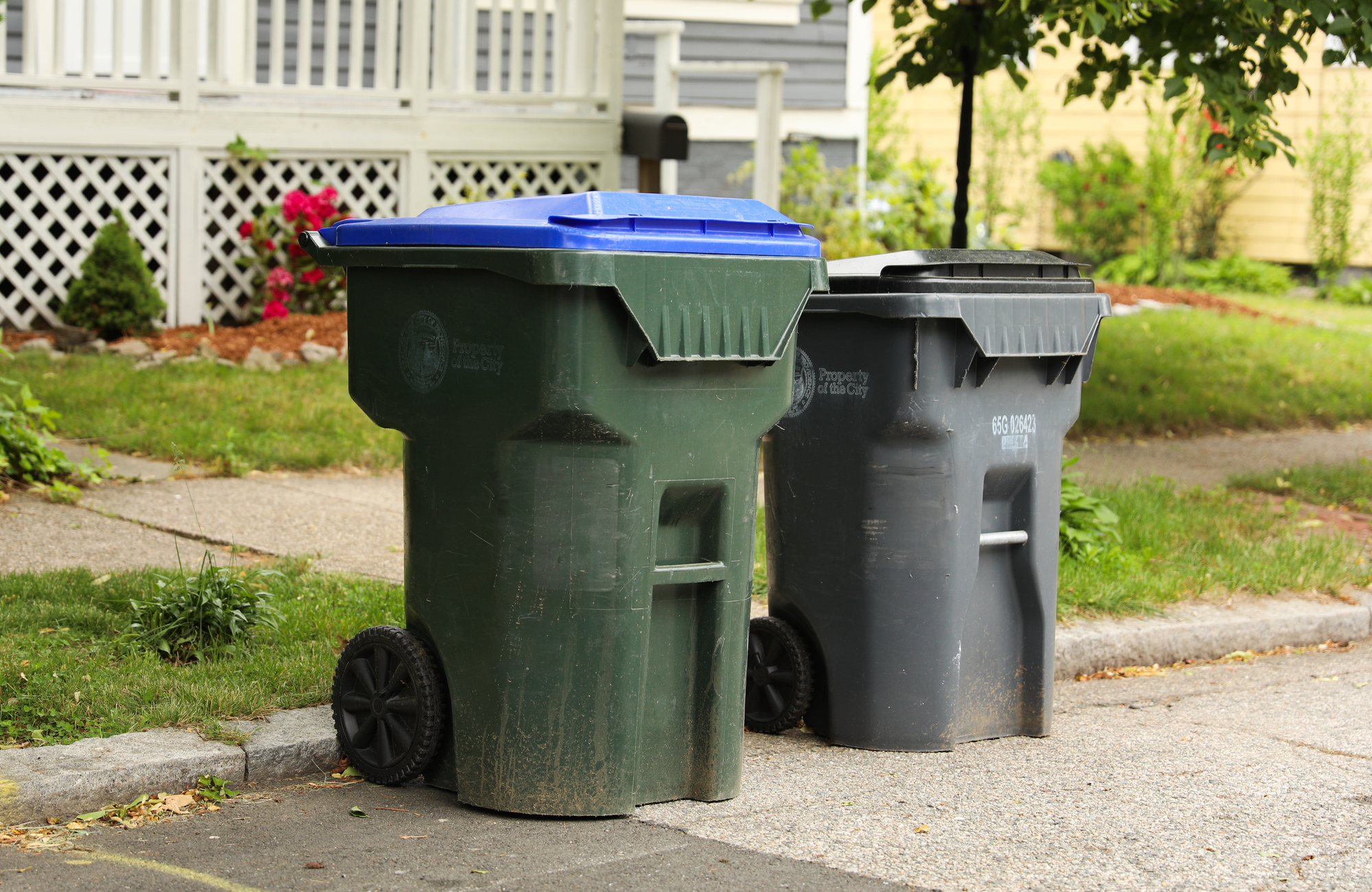
Eliminating unpleasant odors from areas or items like your trash can is a common concern. Vinegar can be quite effective in addressing this issue. Just pour some vinegar into the bottom of your trash can and allow it to absorb the unwanted odors, leaving your trash can with a fresh and clean scent.
Clear Drains

Clean and clear blocked drains by pouring half a cup of baking soda down the drain, followed by one cup of Vinegar. Sit back and watch it fizz for a few minutes, then flush with hot water to remove all dirt and debris.
7 Quick and Easy Ways to Unclog a Garbage Disposal
Weed Control

Vinegar, thanks to its acetic acid content, offers a safe and effective solution for getting rid of weeds in your garden. Vinegar will help to kill unwanted weed growth. To apply, simply mix vinegar with a few drops of dish soap and spray it directly onto the weeds. However, it’s important to use this solution carefully to prevent harm to your desired plants.
12 Natural Ways to Get Rid of Weeds in Your Garden
Faster Seed Germination

Many gardeners praise vinegar for its ability to accelerate seed germination. Soaking seeds in a solution of vinegar and water helps break down the seed coating, speeding up germination.
Peel an Egg

The acidic properties of vinegar help break down the calcium in the eggshell, softening it slightly. This makes the shell much easier to peel off in large pieces rather than chipping away bit by bit. Anyone who’s tried to peel a boiled egg knows how frustrating it can be when the shell sticks.
Get Rid of Mold and Mildew

Safely combat mold and mildew in both indoor and outdoor plants by applying vinegar solution to the affected soil or surfaces.
Keep Away Gnats and Fruit Flies

Fruit flies and gnats are among the most irritating garden pests. To effectively control them, you can create a simple trap by filling a jar with apple cider vinegar and adding a few drops of dish soap. This mixture will trap and get rid of the pesky flies.
How to Outsmart Gnats to Keep Them Away From Your Houseplants
Remove Rust from Tools

Not only is vinegar great at cleaning your tools, but it is also highly effective at removing rust. Vinegar can help extend the lifespan of the tool and improve its efficiency. All you have to do is soak the rusty tools in undiluted vinegar for several hours. After soaking, use a brush to scrub off the rust. Rinse again, then pat dry when done.
Deter Ants

Ants can often be a persistent nuisance in gardens, but a simple solution involving vinegar can help keep them at bay. You can disrupt their scent trails by creating a mixture of equal parts vinegar and water and spraying it around ant trails and entry points. This method effectively deters ants from returning.
How to Get Rid of Massive Ant Hills in Your Yard
Pest Control

Vinegar is effective at deterring soft-bodied pests such as slugs and snails, which can cause significant damage to your plants. To protect your garden, spray undiluted vinegar around the edges of your garden beds. This creates a barrier that slugs and snails are unlikely to cross, offering a safe and natural alternative to using harsh chemicals.
Wash Your Hair

Over time, dirt, sweat, and residue from hair products can build up, leaving your hair dull, heavy, and difficult to manage. A simple solution is to use white vinegar as a natural hair cleanser. By rinsing your hair with vinegar, you can remove leftover residue from products like conditioners and oils. This helps refresh your hair, making it cleaner, shinier, and lighter.
16 Survival Uses for Vaseline You’ve Probably Never Considered

Vaseline is a versatile and readily accessible household staple with many unexpected uses. Here are 16 ways to use it for household problems.
16 Survival Uses for Vaseline You’ve Probably Never Considered
17 Unusual Uses for Salt You’re Probably Not Aware Of

There’s no doubt that salt can make our food taste good. But did you know it has uses beyond the kitchen? Here are 14 practical ways to use salt for more than just cooking.
17 Unusual Uses for Salt You’re Probably Not Aware Of
11 Reasons Banana Peels Are the Secret Ingredient Your Garden Needs

Banana peels are not just kitchen scraps but an excellent way to enrich your garden. Here are 11 reasons banana peels can be your garden’s secret ingredient.
11 Reasons Banana Peels Are the Secret Ingredient Your Garden Needs