Most people expect the grocery store to have what they need whenever they walk through the doors. That can change quickly after a major storm, transportation problem, supply issue, or sudden jump in demand. A few empty shelves are often enough to make shoppers wonder how long supplies will last.
Preparing ahead doesn’t mean filling every room with food or buying far more than your household can use. A more practical plan is to build your pantry gradually, store foods you already eat, learn a few basic food skills, and keep your garden supplies ready.
Here are some sensible ways to prepare for a food shortage without resorting to panic buying.

Grow Your Own Food
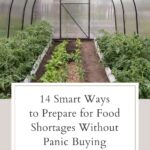
A garden can give you a steady source of fresh produce while taking some pressure off your grocery budget. You don’t need acres of land, either. Tomatoes, peppers, herbs,
If you have more room, fruit trees and larger vegetable plots can provide even more food. Learn which crops grow well in your area and keep basic gardening supplies on hand before you need them.
Stockpile Dry Foods
Dry foods such as rice, beans, oats, pasta, and other grains are useful pantry staples because they are affordable and easy to store.
Buy amounts your household can realistically use and rotate older packages into your regular meals. For larger quantities, use food-grade airtight containers and keep them somewhere cool, dry, and away from pests.
Keep Canned Foods on Hand
Canned fruits, vegetables, meats, beans, and soups can give you plenty of meal options without taking up freezer space. They are also convenient if cooking fuel or time is limited.
Choose foods your family already enjoys rather than buying a large collection of unfamiliar products. Check cans periodically for damage, leaks, rust, or bulging, and follow the storage guidance on the label.
Consider Freeze-Dried Foods
Freeze-dried foods can last for many years when packaged and stored correctly. Many products only require water before they’re ready to eat, which makes them convenient for emergency storage.
They can also be expensive, so there is no need to buy a huge supply all at once. A few packages can serve as a backup alongside the everyday foods in your pantry.
Learn Food Preservation
Knowing how to preserve food gives you more options, particularly if you grow your own produce. Canning, freezing, fermenting, and dehydrating can all help you make use of a large harvest instead of letting it go to waste.
Canning requires proper equipment and safe recipes, especially for low-acid foods. Use tested food-preservation instructions rather than guessing at processing times or temperatures.
Keep a Few Good Cookbooks
Online recipes are convenient, but they aren’t much help if your internet connection or electricity isn’t available. A couple of printed cookbooks can give you recipes to fall back on.
Older cookbooks can be especially useful because many rely on basic ingredients such as flour, rice, beans, potatoes, canned vegetables, and simple seasonings.
Practice Cooking From Scratch
A stocked pantry is much more useful if you know what to do with what’s inside it. Practice making bread, soups, sauces, biscuits, pancakes, beans, and other simple foods before you actually need those skills.
Keep a list of ingredient substitutions, too. If a recipe calls for one type of bean or vegetable that you don’t have, knowing what can replace it makes meal planning much easier.
Build Relationships With Local Farmers
Local farmers can be a valuable source of fresh food, especially if grocery supplies become limited. Visit farmers markets, buy directly from growers when possible, and get familiar with what’s produced in your area.
Building those connections before a shortage is much more useful than trying to find a local supplier after everyone else is looking for the same thing.
Farmer’s Market Dramatic Play Kit (Free Printable)
Learn to Forage Safely
Wild plants can provide another source of food, but foraging isn’t something to learn by guessing. Some edible plants have poisonous lookalikes, and misidentification can lead to serious illness.
Take a local class, learn from an experienced forager, and use reliable identification guides. Start with a small number of plants that you can identify with confidence.
20 Survival Foods You Can Forage in Your Own Neighborhood
Keep Heirloom and Open-Pollinated Seeds
Saving seeds can help you continue growing certain crops from one season to the next. Heirloom varieties are especially popular with gardeners who want to save and replant seeds from their own harvests.
Not every plant produces seeds that grow true to the parent plant, so learn which varieties are suitable for seed saving. Store seeds in a cool, dry, dark location, and follow the storage recommendations for each type.
Keep Basic Gardening Tools
A garden is much harder to maintain if you suddenly realize you’re missing a shovel, hand trowel,
Keep the basic tools you need in good condition and store them somewhere dry. If you rely on irrigation equipment, hoses, connectors, or sprinklers, having a few spare parts can save a lot of frustration later.
Start Composting
Composting turns kitchen scraps and yard waste into useful organic material for your garden. Vegetable peels, fruit scraps, coffee grounds, leaves, and grass clippings can all contribute to a healthy compost pile when balanced properly.
Starting now gives your compost time to break down before you need it for the garden.
Composting Made Easy: A Simple Guide to Transforming Kitchen Waste into Gold for Your Garden
Build a Greenhouse
A greenhouse can extend the growing season and give you more control over temperature and weather conditions. Depending on your climate, it may allow you to grow certain crops during parts of the year when outdoor gardening isn’t practical.
You don’t need a large commercial structure. A small backyard greenhouse or even a simple covered growing area can provide extra space for seedlings, herbs, and vegetables.
Raise Backyard Chickens
Backyard chickens can provide a regular supply of eggs and can also be raised for meat where local rules allow it. They require daily care, suitable housing, clean water, appropriate feed, and protection from predators.
Before getting chickens, check local regulations and make sure you have enough space and time to care for them. Starting with a small flock can give you experience without taking on more animals than you can manage.
How to Raise Your Own Chickens
Preparing for a food shortage doesn’t have to be dramatic. A few extra pantry staples, some gardening experience, basic cooking skills, and a little food-preservation knowledge can go a long way. Building these habits gradually also means you’re using what you store instead of letting food sit untouched until it expires.