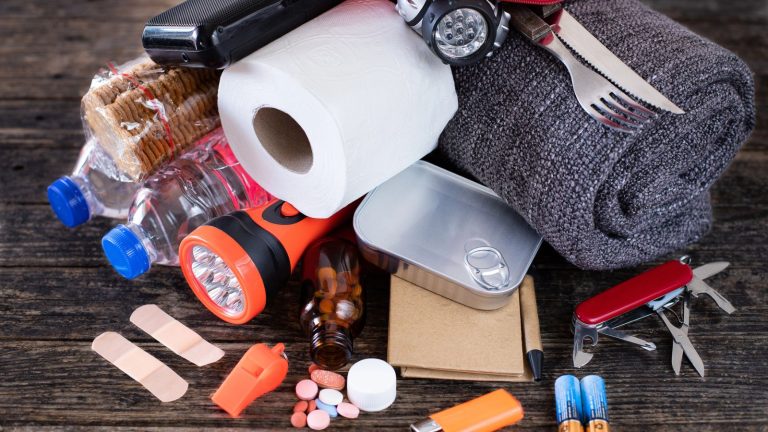
Most of us rarely stop to think about how much modern life does for us. Flip a switch and the lights come on. Turn a faucet and water comes out. Need food? There’s usually a grocery store nearby. Need directions? A phone can handle that in seconds.
Take away some of those conveniences, and basic tasks suddenly become much harder.
People who lived generations ago didn’t have the same tools or services to fall back on. They knew how to make fires, preserve food, find water, grow crops, repair things, and work with materials from their surroundings. Many of these skills have faded from everyday life, but they haven’t lost their usefulness.
Learning a few of them can make you more capable during a power outage, camping trip, emergency, or even a simple weekend away from modern conveniences. Here are 15 primitive skills worth learning.
How to Start a Fire
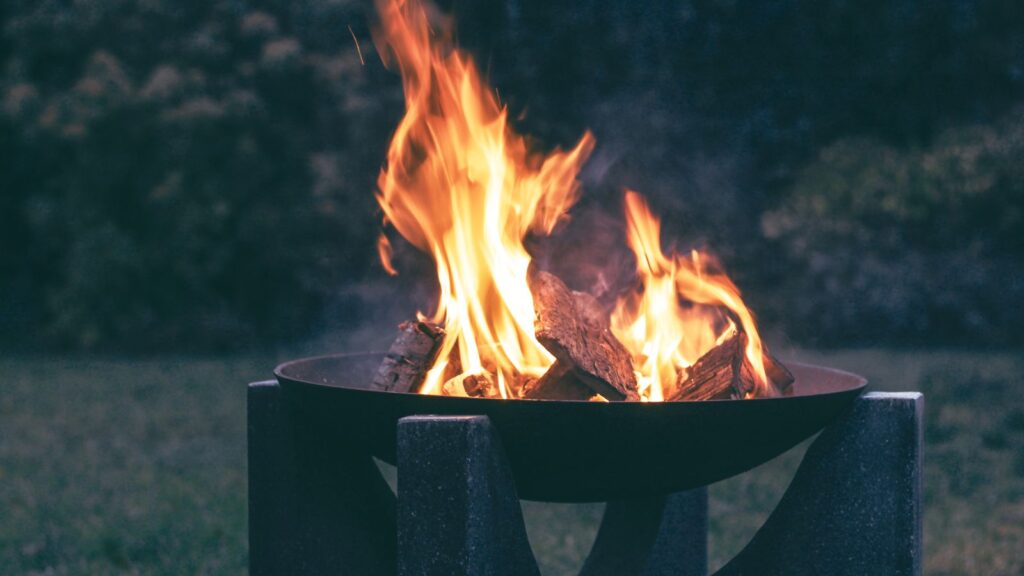
Starting a fire sounds easy until you’re standing outside with damp wood and no lighter.
Learning how to find good tinder, prepare dry kindling, and build a fire that actually catches takes practice. Matches and lighters are handy, but it’s also useful to know how to use a Ferro rod or magnesium fire starter.
For a bigger challenge, learn traditional friction methods such as the bow drill or hand drill. These techniques take patience, but they teach you how fire works rather than relying on a single modern tool.
Related: 12 Important Survival Skills Every Child Should Have
Building Shelter
A shelter doesn’t have to be elaborate to protect you from wind, rain, sun, and cold.
Learn how to build simple structures such as a lean-to or debris shelter using materials available in the area. The best design will depend on the weather, terrain, and materials around you.
Practice in a safe setting before you ever need the skill. Building a shelter when you’re tired, cold, or wet is a very different experience from doing it on a sunny afternoon.
Foraging
Wild plants can provide food, but knowing what is safe to eat requires real knowledge.
Learn to identify edible plants, berries, nuts, and other wild foods in your local area. Pay close attention to poisonous lookalikes, since some can cause serious illness.
A local foraging class and a reliable field guide are much better starting points than guessing based on a picture online. Learn a handful of plants well before trying to identify dozens.
Related: 14 Practical Survival Skills You Can Learn Without Leaving Home
Hunting and Trapping
Hunting involves much more than carrying a firearm into the woods. Tracking, reading animal signs, knowing local regulations, field dressing, and handling meat are all separate skills.
Trapping also requires knowledge of animal behavior and local laws. If you’re interested in learning, start with experienced instructors or a reputable hunting organization.
These skills can provide food, but they also come with serious responsibilities. Safe handling, ethical practices, and legal requirements should always come first.
Navigation
GPS has made getting around incredibly easy, but a phone isn’t much help if the battery dies or you lose reception.
Learn how to read a paper map and use a compass. Practice figuring out direction, estimating distance, and recognizing major landmarks.
You can also learn traditional ways of estimating direction using the sun and other natural clues, though these methods are less precise than a compass. The more ways you know to orient yourself, the less dependent you are on one device.
Related: 15 Home Skills Every Child Should Learn Before Growing Up
Using Herbal and Natural Remedies
People have used plants for food, comfort, and traditional remedies for thousands of years. Some of that knowledge is still useful, but it needs to be treated with care.
Learn which local plants have a history of traditional use and which ones are toxic. A reputable herbal reference book or class can help you separate useful information from old folk remedies that may be unsafe.
Natural remedies should not be treated as a replacement for professional medical care, particularly for serious injuries or illness.
Fishing
Fishing is another old skill that can provide food with relatively little equipment.
Start by learning which fish live in local lakes, rivers, or coastal waters and what they typically eat. Different fish respond to different bait, hooks, and techniques.
Practice tying fishing knots and making simple rigs. Knowing how to repair a line or replace a damaged hook can be just as useful as knowing how to cast.
Tracking
Tracks and other signs can tell you much more than what animals are nearby.
Learn to recognize footprints, droppings, feeding marks, broken vegetation, and other clues left behind by animals. Tracking can also help you follow a trail or figure out which direction someone or something traveled.
It takes time to become good at it. Start by studying tracks in mud, sand, or snow where the details are easier to see.
Food Preservation
Before refrigerators and freezers, people had to find ways to keep food edible for weeks or months.
Smoking, drying, salting, fermenting, and other preservation methods can still be useful today. They can also help you make better use of a large harvest instead of allowing food to spoil.
Food preservation has safety rules that shouldn’t be guessed at. Learn the correct method for each food and follow tested instructions, especially for meat and other foods that can spoil quickly.
Related: 15 Home Economics Skills Every Child Should Learn Before Adulthood
Gardening
Growing a few vegetables is one thing. Growing enough food to make a real difference takes much more planning.
Learn how to prepare soil, plant according to your local growing season, save suitable seeds, control pests, and collect a harvest without damaging future crops.
Seed saving is especially useful for gardeners who want to continue growing certain varieties year after year. Start with crops that are known to produce seeds suitable for saving.
Animal Husbandry
Keeping animals requires more than providing food and water.
Anyone raising chickens, goats, rabbits, or other livestock needs to know about shelter, fencing, feeding, cleanliness, breeding, and basic health care. Different animals have different needs, so learn about the species before bringing them home.
Start small if you are new to animal care. A manageable number of animals gives you time to learn the routine without taking on more responsibility than you can handle.
Making Cordage
Strong cordage was once made from materials gathered directly from nature. Plant fibers, bark, grasses, and other materials could be twisted or braided into useful lengths of rope.
Learning basic cordage techniques gives you another way to make ties, lashings, handles, and other useful items without heading to a hardware store.
You can practice with natural fibers or scrap materials before trying to make cordage from wild plants.
Tanning Hides
Tanning turns animal hides into leather that can be stored and used for a variety of purposes. The process keeps the hide from decomposing and makes it flexible enough to work with.
Traditional tanning methods can involve several steps, including cleaning, scraping, treating, stretching, and drying the hide. Getting the process wrong can leave you with stiff, brittle, or damaged leather.
It’s a messy skill that takes practice, but it gives you a fascinating look at how people once made clothing, containers, coverings, and other household items from materials they already had.
Finding and Treating Water
Running water is easy to take for granted until the tap stops working.
Learn how to recognize possible natural water sources by looking at terrain, vegetation, animal activity, and other signs. Streams, springs, and other sources may provide water, but finding water is only part of the problem.
Untreated natural water can contain harmful microorganisms and contaminants. Learn reliable methods for filtering and disinfecting water before drinking it. Never assume clear-looking water is safe.
Weather Prediction
Modern weather forecasts are incredibly useful, but knowing how to recognize changing weather can still help when you’re outdoors or without a phone.
Pay attention to cloud formations, wind direction, temperature changes, humidity, and other signs of approaching weather. Sudden changes in wind or rapidly building clouds can be warnings that conditions are about to worsen.
Animal behavior can sometimes provide clues about changing conditions, but it shouldn’t be treated as a reliable substitute for an actual weather forecast.
These skills aren’t about pretending modern technology doesn’t exist. They’re about knowing what to do when technology, electricity, stores, or other conveniences aren’t available. Learning one skill at a time and practicing it in ordinary situations can make these old techniques feel much less intimidating when you actually need them.