For years, preparing for an emergency has often meant stocking up on canned food, buying survival equipment, and filling closets with supplies you hope you’ll never need. But some preppers are taking a different approach. Instead of buying more gear, they’re focusing on learning how to do things themselves.
In a recent Reddit discussion, one prepper shared that their family was shifting its attention toward practical skills, including preserving food without a freezer, starting fires, and identifying edible plants. Other people joined the conversation with their own projects, from gardening and canning to sewing and spending less money.
It’s an interesting reminder that many of the skills people are trying to learn today were once part of everyday life. Our grandparents didn’t necessarily see growing food, mending clothes, or preserving a harvest as survival skills. They were simply things you knew how to do.
Here are 12 old-fashioned skills worth learning, whether you’re preparing for an emergency or just looking to become a little more self-sufficient.
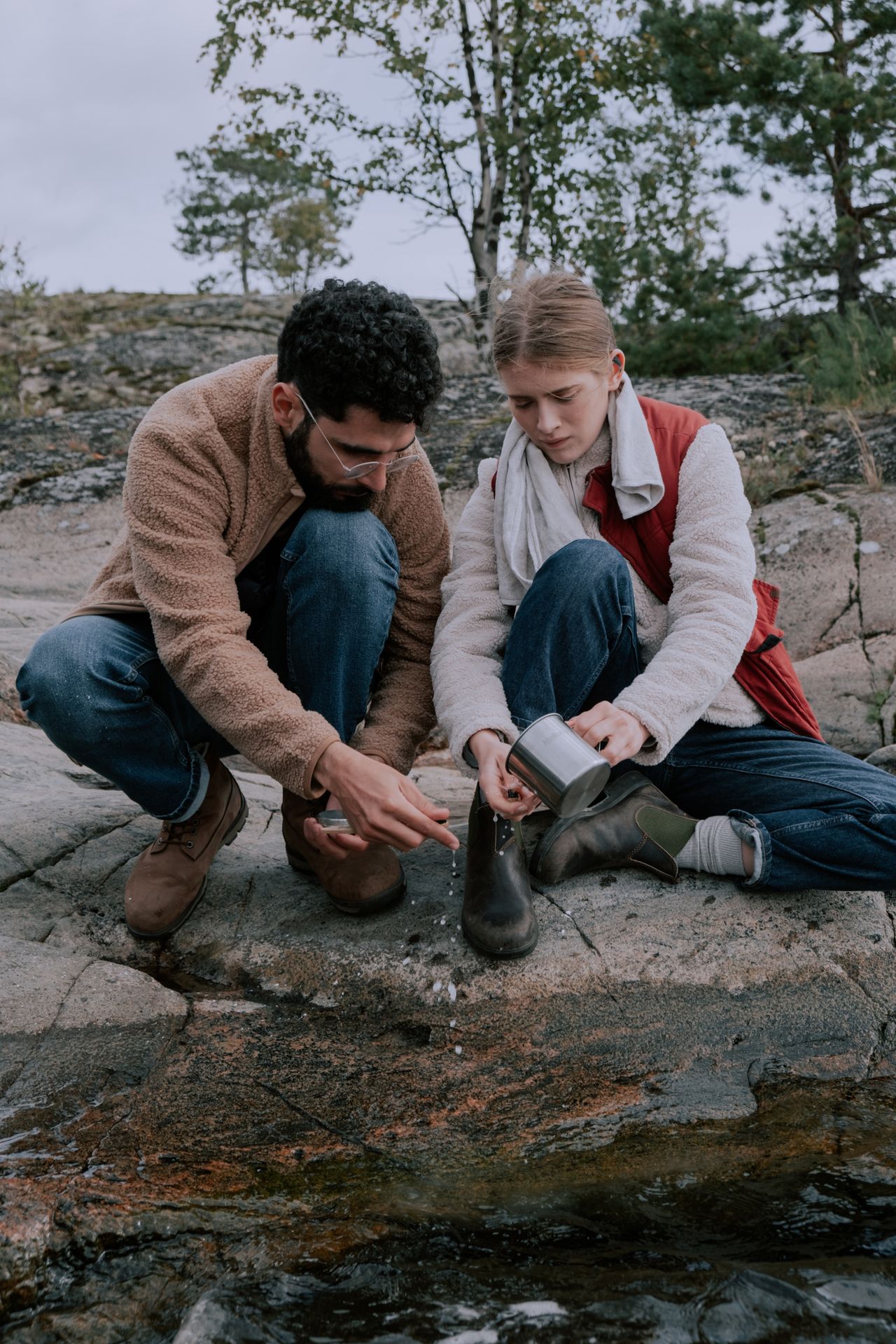
1. Preserving food without a freezer
Freezers make storing food convenient, but they don’t help much during an extended power outage. Learning how to safely can, dehydrate, and store food gives you other options for keeping your pantry stocked. Start with simple projects like dehydrating fruit or making jam using tested recipes, and learn proper pressure-canning methods before preserving low-acid foods.
2. Growing your own food
A backyard vegetable garden used to be a normal part of feeding a household, and it’s one of the most practical skills to bring back. Even a few patio containers can grow herbs, lettuce, tomatoes, and peppers while teaching you about soil, planting seasons, and harvesting.
3. Starting a fire without modern conveniences
Knowing how to start a fire can help when camping or during certain outdoor emergencies. Learning to prepare dry tinder, arrange kindling, and use a ferro rod takes practice, so owning a fire-starting kit isn’t quite the same as knowing how to use it. Always practice where fires are permitted and keep water or another way to extinguish the flames nearby.
4. Finding and treating water
Most of us turn on the faucet without thinking about where our water comes from, but that changes quickly when the water supply is disrupted. Learning to use water filters and properly disinfect water can help, although boiling and ordinary filters don’t necessarily remove chemical contaminants. Keeping stored drinking water is still one of the safest ways to prepare.
Related: 12 Important Survival Skills Every Child Should Have
5. Sewing and repairing clothing
Learning how to sew a button, patch a hole, or fix a seam can save money and help your clothes last longer. To get started, you just need a needle, thread, scissors, and a little patience.
6. Identifying edible wild plants
Foraging can help you become more familiar with the plants growing naturally in your area. However, some edible plants have poisonous lookalikes, making proper identification especially important. Start with a local foraging class or an experienced instructor, and never eat a wild plant unless you’re certain it’s safe.
7. Navigating without GPS
It’s hard to imagine traveling somewhere unfamiliar without checking your phone for directions. Learning to read a paper map and use a compass gives you a backup when your battery dies or you lose service. Practice on familiar trails and pay attention to landmarks, roads, and other features along the way.
8. Making basic household supplies
Our grandparents didn’t always have a different cleaning product for every surface in the house. Learning to clean with basic supplies like soap, baking soda, and vinegar can save money and reduce unnecessary purchases. Remember that homemade cleaners aren’t always disinfectants, and never mix bleach with vinegar, ammonia, or other incompatible products.
9. Washing clothes by hand
If your washing machine stopped working tomorrow, would you know how to wash a load of laundry without it? A bucket, mild detergent, clean water, and somewhere to hang clothes are enough for basic hand-washing. It’s a useful skill during power outages, camping trips, or anytime you need to wash a few things without using the machine.
10. Learning basic repairs and useful knots
Instead of replacing something the moment it broke, previous generations often tried to fix it first. Knowing how to use basic hand tools, tighten loose hardware, and make small repairs can save money and keep household items useful longer. Learning a few reliable knots, such as a bowline or two half hitches, can also come in handy for gardening, camping, and securing equipment.
Related: 12 Simple Homemaking Skills Our Grandmothers Passed Down Through Generations
11. Cooking without electricity
An extended power outage can quickly change how you prepare meals, especially if you rely on an electric stove or microwave. Learning to make simple meals with canned beans, vegetables, crackers, and other ready-to-eat foods means you won’t always need a working stove. If you use a camping stove or grill, keep it outdoors and away from windows and doors because of carbon monoxide risks.
12. Fishing and other traditional food-gathering skills
Fishing was once a familiar way for families to supplement their meals, and it’s still a useful outdoor skill to learn. Understanding local fish species, bait, fishing knots, and safe handling takes practice, but it can also become an enjoyable hobby. Hunting and trapping require additional training and attention to safety and local regulations, so beginners should learn from experienced instructors.