When you hear the words “survival skills,” you probably picture someone building a shelter in the woods, stocking an underground bunker, or preparing for the end of the world. But knowing how to handle an emergency doesn’t have to involve any of those things.
In their book The Emergency Playbook, authors Amy Edelman and Chris Begley argue that survival is about more than wilderness adventures or disaster prep. It’s also about staying calm, adapting when things don’t go as planned, and handling problems without relying entirely on someone else.
And that’s something worth thinking about. Whether you’re living alone, raising a family, traveling, or simply trying to become more independent, practical skills can make everyday challenges a little easier to manage.
Here are seven survival skills every woman should consider learning, even if she has no interest in becoming a prepper.
1. Know how to find and treat water
Most of us don’t think twice about turning on the faucet, but a water main break, natural disaster, or unexpected contamination can change that quickly. Knowing how to safely store drinking water, use a water filter, and disinfect water when appropriate gives you more options if your usual supply becomes unavailable. Keep in mind that boiling doesn’t remove chemical contaminants, so storing clean drinking water ahead of time is still important.
2. Learn basic first aid
You don’t need to be a medical professional to handle a minor injury or recognize when someone needs urgent help. Learning to clean and dress wounds, respond to choking, and perform CPR can make a real difference while you wait for medical help. Taking a basic first aid and CPR course is one of the most practical ways to prepare for emergencies at home or away.
3. Be able to navigate without your phone
GPS makes getting around incredibly convenient, but phones can lose service, run out of battery, or stop working when you need them most. Learning how to read a paper map, recognize landmarks, and use a compass can help you find your way without relying entirely on technology. Practice somewhere familiar first so you’re more comfortable if you ever need those skills.
4. Know how to feed yourself without modern conveniences
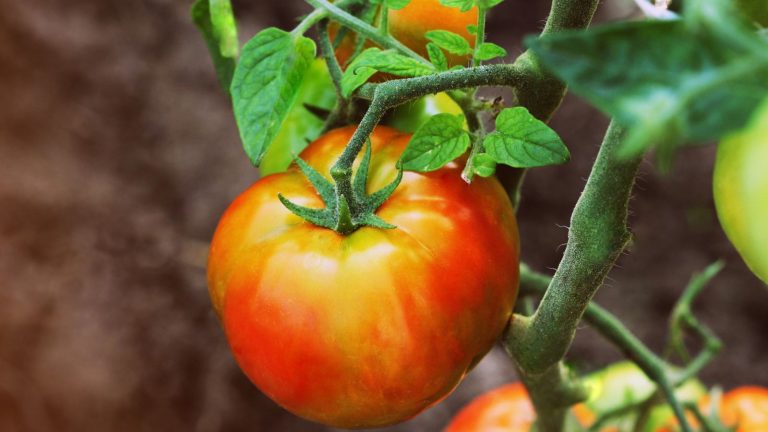
You don’t need a huge garden or a pantry full of survival food to become more self-sufficient. Learning to grow a few vegetables, safely preserve food, and prepare simple meals from shelf-stable ingredients can help when grocery shopping or cooking becomes difficult. These skills can also help you save money and make better use of the food you already have.
Related: 15 Fire Starting Tricks to Ignite Your Survival Skills
5. Learn basic household repairs
There’s something reassuring about knowing how to fix a problem without immediately calling someone for help. Learning to shut off your home’s water supply, use basic tools, tighten loose hardware, and handle simple clothing repairs can save time and money. Just as important is knowing when a repair involves electricity, gas, or another hazard that requires a professional.
6. Know how to stay safe during a power outage
A power outage can affect everything from cooking and refrigeration to lighting and communication. Knowing where your flashlights are, how to keep food at safe temperatures, and how to charge essential devices without electricity can make the situation much easier to manage. It’s also important to understand carbon monoxide risks and never use generators, grills, or outdoor camping stoves inside your home.
7. Learn to stay calm and make decisions under pressure
One of the most useful survival skills requires no special equipment. Being able to assess what’s happening, decide what needs attention first, and adjust your plans can help you respond more effectively when something goes wrong. You can build that confidence by practicing emergency plans, learning new skills, and thinking through how you’d handle common situations before they happen.