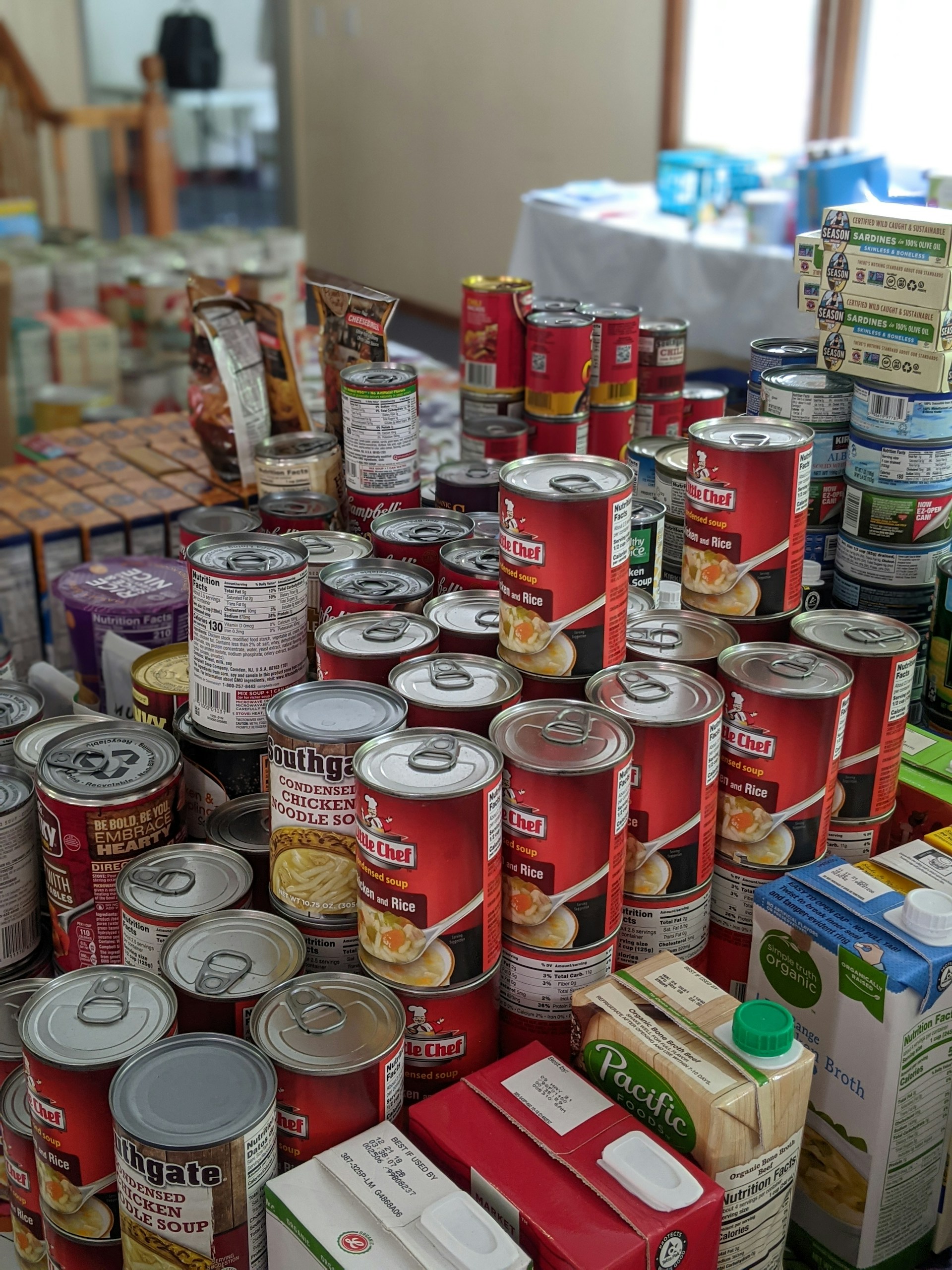
Having shelves filled with canned goods, bags of rice, dried beans, and other shelf-stable foods might give you a sense of security. But have you ever stopped to think about what meals you would actually make with those ingredients if you couldn’t get to the grocery store?
In a recent Reddit discussion, preppers raised concerns about people accumulating large quantities of emergency food without practicing how to prepare it.
Having ingredients doesn’t mean you have meals
You can have 50 pounds of rice, dozens of cans of beans, and a cupboard full of canned vegetables, but have you thought about how you’d turn those ingredients into actual meals?
One prepper demonstrated how simple pantry staples like Spam, rice, soy sauce, and a few seasonings could be turned into a flavorful meal for less than $2.50 per serving.
Rather than focusing solely on how much food you can accumulate, think about stocking ingredients that complement one another. Having a handful of reliable recipes that use shelf-stable ingredients can make your emergency food supply far more practical.
Too many people overlook seasonings and secondary ingredients
Rice, beans, pasta, and canned meats are popular choices for emergency food storage. However, some preppers pointed out that people often overlook the ingredients that make these foods more enjoyable.
Spices, cooking oils, vinegar, bouillon cubes, sauces, powdered garlic, and dried herbs can make a considerable difference when you’re working with limited ingredients.
Even if rice becomes a daily staple, having different seasonings and sauces on hand means you don’t necessarily have to eat the same meal every day.
Stockpiling foods you don’t normally eat can backfire
Several preppers questioned the logic of spending money on foods that nobody in their household particularly enjoys. One person who had been prepping for more than 25 years recalled attempting a practice weekend with their family. After just one day, the family decided they would rather wait until an actual emergency to eat their stored supplies.
The experience raises an important question. If your family struggles to get through a weekend eating from your emergency pantry, how well would they manage for several weeks?
Your emergency pantry needs to account for dietary needs
Foods that are affordable and easy to store aren’t necessarily suitable for everyone.
One prepper shared that after spending several months practicing meals made from stored ingredients, they experienced an increase in their A1C levels. Their experience prompted them to reconsider their reliance on rice and explore other sources of protein and carbohydrates.
Consider food allergies, medical conditions, nutritional needs, and dietary restrictions when building an emergency pantry. These concerns won’t disappear simply because you’re dealing with an emergency.
Food fatigue is worth taking seriously
Eating the same basic meals day after day can quickly become tiresome. During an already stressful situation, having familiar and enjoyable foods can provide a little comfort and normalcy.
Several preppers emphasized the importance of learning how to prepare the same ingredients in different ways. Rice, for example, could become the base for Spanish rice, burrito bowls, seasoned rice dishes, or meals made with canned meat and vegetables.
You might also want to stock ingredients for simple desserts and snacks rather than focusing exclusively on basic survival meals.
Rotate your food instead of saving it exclusively for emergencies
One of the most practical suggestions from the discussion was to make emergency food part of your regular grocery routine.
Use older pantry items first and place newly purchased products toward the back of the shelf. This helps keep supplies fresh, reduces food waste, and gives you regular opportunities to practice cooking with what you’ve stored.
It also helps you identify which ingredients your family goes through quickly and which ones tend to sit untouched.
Put your emergency pantry to the test
You don’t have to wait for a natural disaster or an unexpected disruption to find out how well your food stockpile works.
Try spending a weekend preparing meals using only ingredients from your pantry. Pay attention to what you’re missing, how much variety you have, and whether you can prepare meals that everyone in your household enjoys.
You may discover that you have plenty of food but not enough cooking oil, that you’re missing ingredients needed for basic recipes, or that your meals require more preparation than you anticipated.
A well-stocked pantry is certainly an important part of emergency preparedness. But knowing how to turn those supplies into practical, nourishing, and enjoyable meals is a skill worth developing long before you need it.