Preparing for an emergency doesn’t necessarily mean filling your basement with months’ worth of food or spending hundreds of dollars on survival gear. For one woman in Wales, it started with a few everyday essentials and a desire to make sure her family could manage if they were suddenly cut off from supplies.
As reported by The Sentinel, Claire Helen, 53, has been putting together an emergency kit since 2024. Her 21-year-old son, George, jokingly calls it her “doomsday box,” but the items inside are surprisingly practical.
Living in a flood-prone area prompted her to prepare
Claire lives eight miles from the nearest town in an area where flooding can make roads impassable. Having experienced disruptions in her community, she wanted to make sure her household could manage without immediate access to stores or essential services.
However, flooding isn’t her only concern. Extended power outages and the possibility of cyberattacks disrupting everyday services have prompted her to think more carefully about what she keeps at home.
Her preparations began well before the UK government’s recent Be Ready campaign, which encourages households to maintain enough essential supplies to last at least three days.
What’s inside her emergency box?
Claire estimates she spent about £50, or $66, putting together her basic emergency kit. Rather than investing in expensive survival equipment, she has focused on practical items that could come in handy during a disruption.
Her emergency supplies include:
- Flashlights and spare batteries
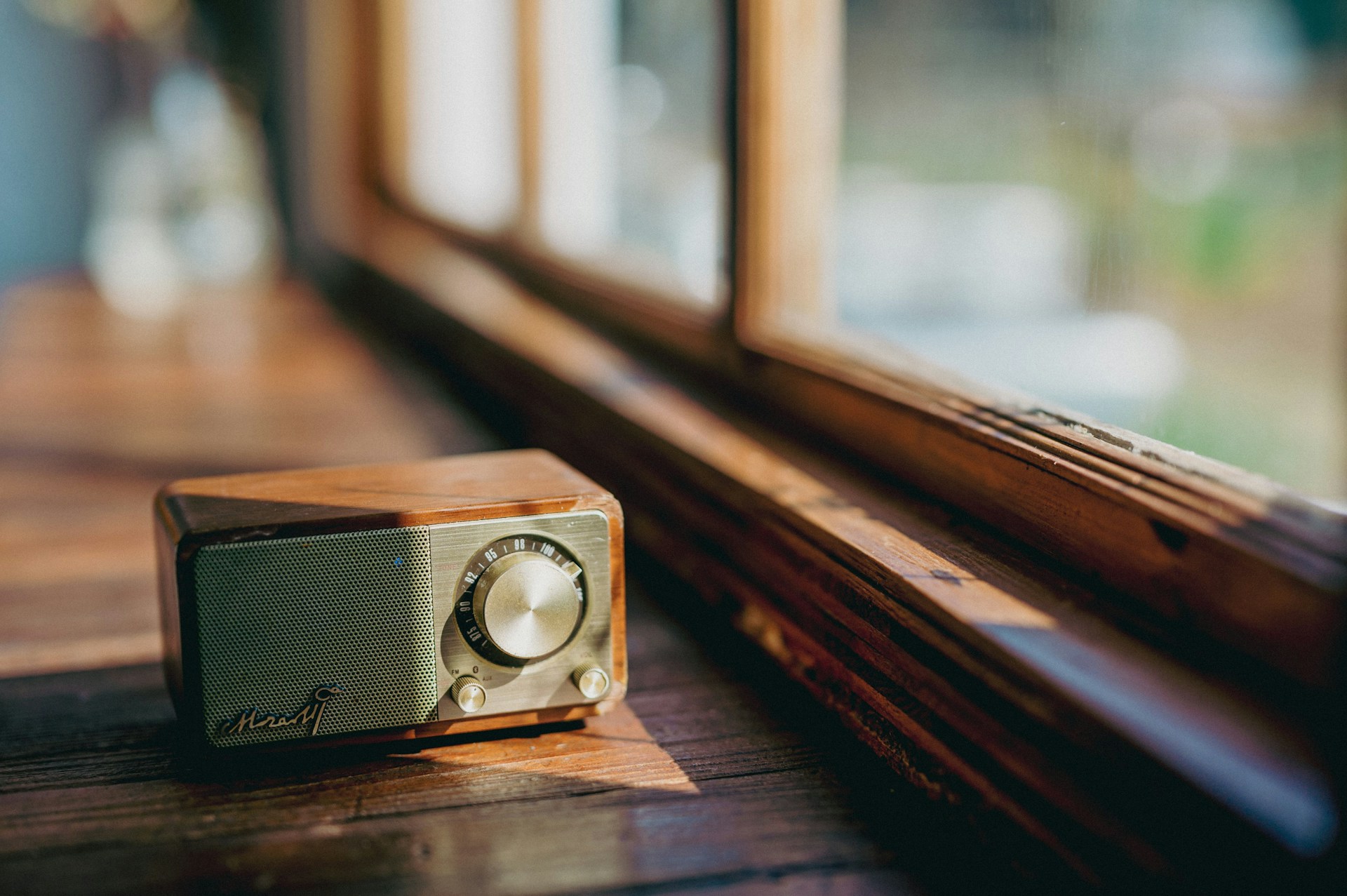
- A hand-crank radio
- Portable phone chargers and charging cables
- A first-aid kit and essential medications
- Bottled drinking water
- Shelf-stable food and a manual can opener
- Personal hygiene supplies and wet wipes
- Cash in bills and coins
- Important documents and emergency contact information
- Pet food and supplies
- Blankets and warm clothing
- Chocolate, cookies, and tea bags
- Matches and a lighter
While some might question whether chocolate belongs in an emergency kit, familiar foods and small comforts can make a stressful situation a little more manageable.
“If it’s doomsday, you’re having chocolate,” Claire joked.
She keeps a separate stockpile of everyday groceries
In addition to her emergency box, Claire maintains a cupboard filled with affordable pantry staples.
Her food reserves include canned beans, vegetables, fruit, lentils, shelf-stable milk, rice, and pasta. Rather than buying specialty emergency meals, she stocks ordinary groceries and regularly rotates them into her everyday meals.
She’s also mindful of her pets. With a dog, three cats, and four guinea pigs, having enough animal food on hand is just as important as keeping her own pantry stocked.
Emergency preparedness runs in the family
Claire’s approach to preparedness was partly inspired by the habits of previous generations. Her mother stocked up on supplies ahead of the millennium, while her grandmother grew food and preserved her harvests.
Although the family once joked about her mother’s preparations, Claire eventually came to appreciate the reasoning behind them.
Many of the habits associated with prepping today were once a normal part of everyday life. Growing food, preserving seasonal produce, keeping a well-stocked pantry, and saving supplies for difficult winters were common practices long before emergency preparedness became a popular topic.
Governments are encouraging similar preparations
Claire’s approach aligns with much of the advice recently issued through the UK government’s Be Ready campaign. Households are encouraged to keep three days’ worth of drinking water, nonperishable food, medications, hygiene products, and other essentials.
Here in the United States, FEMA offers similar guidance, recommending that households maintain a basic emergency supply kit.
Having these items readily available can make a difference during storms, power outages, disruptions to water supplies, or unexpected situations that prevent people from leaving their homes.
You don’t have to spend a fortune to be prepared
Perhaps the most relatable part of Claire’s story is how gradually she has built her emergency supplies. She didn’t purchase everything at once, and many of the items she keeps are things most households already own or regularly purchase.
Picking up a few extra cans of food, keeping spare batteries, setting aside some cash, and making sure you have enough drinking water are relatively simple ways to get started.
You don’t have to believe a major disaster is around the corner to see the value in being prepared. Sometimes, having a few extra groceries and everyday essentials at home is simply a practical way to look after your family.