Modern life has made many everyday tasks easier, but it has also left us relying on electricity, stores, and technology for things earlier generations handled on their own. Our grandparents and great-grandparents didn’t have many of the conveniences we take for granted today, so they learned practical skills that helped them solve problems, grow food, repair what they owned, and make the most of what they had.
Many of those old-fashioned skills are still worth learning. They can save money, reduce your dependence on outside resources, and give you more confidence in handling everyday challenges. Here are 20 pioneer skills that are just as useful today as they were generations ago.
Fishing
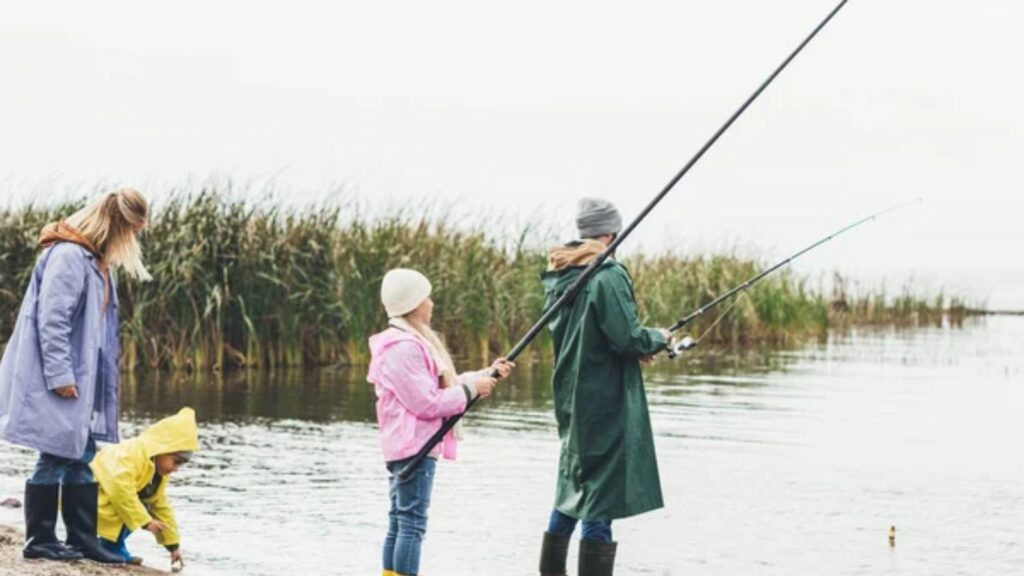
For pioneers, fishing was often one of the easiest ways to put food on the table. Rivers, lakes, and streams provided a dependable source of protein, especially during seasons when hunting or farming wasn’t enough.
Today, fishing remains a practical skill. It can supply fresh food, encourage you to spend more time outdoors, and teach patience while helping you become a little less dependent on grocery stores.
Gardening
Growing your own food has always been one of the best ways to become more self-reliant. Earlier generations planted vegetables, herbs, and fruit because they needed them, and many families depended on those gardens throughout the year.
Even a small backyard or container garden can produce a surprising amount of fresh food while cutting grocery costs.
Hunting
Long before supermarkets existed, hunting helped families feed themselves throughout the year. It provided meat that could be eaten fresh or preserved for later.
For those who choose to hunt today, it’s still a valuable skill that teaches patience, responsibility, and respect for wildlife while providing naturally sourced meat.
Sewing
Knowing how to sew used to be part of everyday life. Small repairs like replacing buttons, patching holes, and fixing seams kept clothes wearable for years instead of months.
Those same skills can still stretch your budget today. A simple repair often takes only a few minutes and can keep favorite clothing out of the trash.
Related: Easy Sewing Projects That Any Crafter Can Enjoy
Basic Carpentry
Pioneers built much of what they owned themselves, from furniture to sheds and fences. Even basic woodworking skills made daily life easier.
Learning simple carpentry gives you the ability to handle repairs, build useful projects, and solve household problems without calling someone every time something breaks.
Related: 14 Home Maintenance Skills You Need to Know Before Buying a House
Foraging
Wild berries, edible greens, nuts, mushrooms, and herbs helped supplement meals long before grocery stores became common.
Foraging can still be rewarding today, but it requires careful study. Learning to correctly identify edible plants is essential, since many poisonous plants closely resemble safe ones.
Related: 10 Reasons to Grow a Wildflower Garden
Baking Bread From Scratch
Homemade bread starts with a handful of simple ingredients, yet turning them into a soft loaf takes a little practice.
Earlier generations baked regularly because buying bread wasn’t always an option. Learning this skill today can save money and give you the satisfaction of making one of the world’s oldest staple foods yourself.
Canning and Food Preservation
A successful harvest meant little if it spoiled before winter arrived. That’s why canning became such an important household skill.
Fruits, vegetables, soups, and even meats can be preserved for months with proper canning methods, giving you a pantry full of ready-to-use food throughout the year.
Bartering
Money wasn’t always available, so neighbors often traded goods and services instead. Fresh eggs might be exchanged for vegetables, homemade bread, or help repairing a fence.
Building relationships with people who have different skills is still valuable today and creates a stronger sense of community.
Beekeeping
Keeping bees once supplied households with
Today, beekeeping offers those same benefits while also supporting local ecosystems. Healthy bee populations help many fruits and vegetables produce better harvests.
Cooking Without Modern Appliances
Before slow cookers, microwaves, and electric ovens, families cooked over wood stoves, campfires, and Dutch ovens.
Learning these methods prepares you for power outages, camping trips, or simply trying something different in the kitchen.
Cooking From Scratch
Earlier generations made meals from basic ingredients because convenience foods weren’t available.
Knowing how to cook without relying on boxed mixes or frozen meals gives you more control over what you eat and usually costs less over time.
Dehydrating Food
Drying fruits, vegetables, herbs, and meat has preserved food for centuries. Removing moisture helps food last much longer without refrigeration.
It’s still one of the simplest ways to preserve garden harvests and create lightweight snacks that store well.
Raising Livestock
Many pioneer families raised chickens, goats, rabbits, or other animals to supply eggs, meat, milk, and other essentials.
Even keeping a small backyard flock of chickens can provide a dependable source of fresh eggs while reducing grocery trips.
Butchering
Families who hunted or raised livestock also knew how to process animals properly. Doing so safely meant less waste and better food storage.
Learning proper butchering techniques helps anyone interested in raising livestock or harvesting wild game responsibly.
Making Dairy Products
Butter, yogurt, and cheese were often homemade because buying them wasn’t always possible.
These traditional skills still allow you to turn fresh milk into foods that last longer while giving you greater control over ingredients.
Natural First Aid
Before pharmacies were common, families relied on herbs and traditional remedies for many everyday ailments.
Learning about medicinal plants can be useful, though it should complement—not replace—modern medical care when it’s available.
Basic First Aid
Cuts, burns, sprains, and other injuries happen whether you’re at home or outdoors.
Knowing how to clean wounds, stop bleeding, and respond to emergencies is one of the most practical skills anyone can learn.
Preserving Meat
Smoking, curing, and drying meat helped families store food long before freezers existed.
These techniques remain useful for anyone interested in food preservation, hunting, or preparing for emergencies.
Reading Paper Maps
GPS has made paper maps easy to forget, but
Being able to read a physical map and navigate using landmarks is still a worthwhile skill, especially when traveling through unfamiliar areas or spending time outdoors.