Tapping trees is an old tradition that’s often forgotten today, but it’s a simple way to turn nature’s gifts into something useful and delicious. Tree sap can be made into syrup, candy, vinegar, natural sweeteners, or even fermented drinks, making it a versatile and free resource.
Part of the appeal is the pace; it follows the rhythm of the seasons. With just a few basic tools and some patience, you can gather a steady supply of sap that opens up many possibilities.
While sugar maples are the classic choice for rich, sweet syrup, many other tree species can also be tapped, each offering its own flavor and sweetness. Here are 11 impressive trees you can tap for sap and syrup.
Sugar Maple (Acer saccharum)
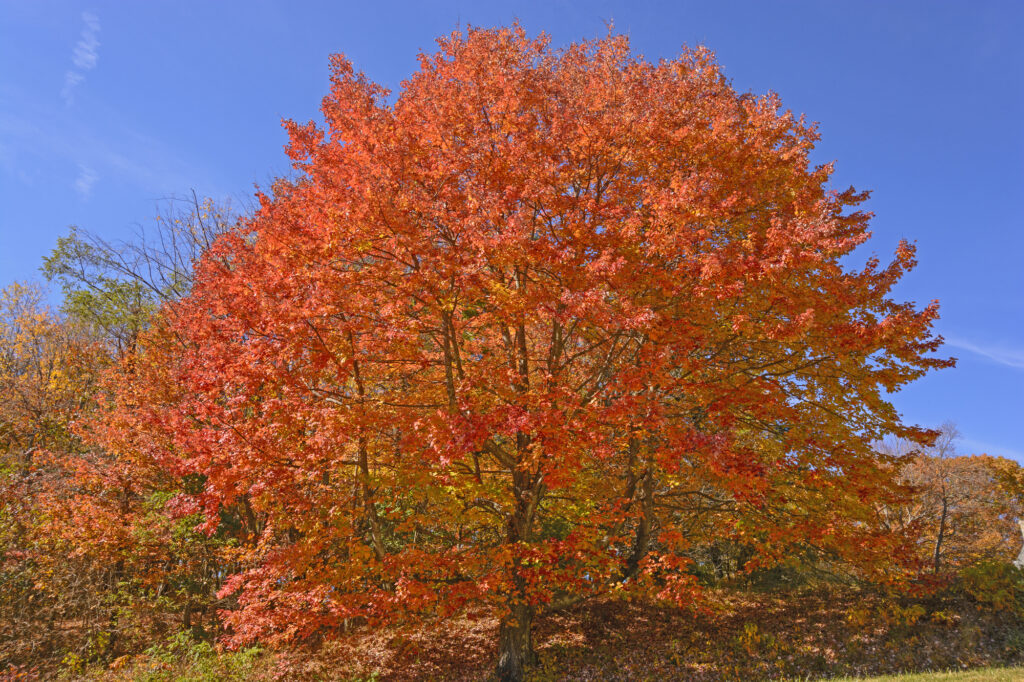
Sugar maples are the quintessential syrup tree, prized for their high sugar content. The sap of sugar maples typically has a sugar concentration of 2-3% and is used to make a caramel-like syrup with a hint of vanilla. A mature sugar maple tree will yield enough sap to make around a quart of
Butternut (Juglans cinerea)

The sap of butternut trees, a member of the walnut family, can be used to make syrup with a uniquely earthy, nutty flavor. These trees also produce oil-rich nuts with a variety of culinary uses, and the bark can be used as a natural dye.
River Birch (Betula nigra)

Birch trees are often overlooked as a source of syrup, with the sugary sap typically fermented into a delicately flavored wine instead. However, river birch syrup is considered a culinary specialty thanks to its mild, grassy flavor and smooth finish.
Sycamore (Platanus occidentalis)

With its light color and thin consistency, sycamore sap syrup is very different from the
Red Maple (Acer rubrum)

Red maple trees are easy to tap and produce a prolific amount of sugary sap that can be reduced to make golden-yellow syrup. The mildly sweet syrup has a delightful light flavor with delicious floral notes, making it a refreshing alternative to traditional
Black Walnut (Juglans nigra)

Black walnut trees have a bad reputation for inhibiting the growth of plants and trees in the same area, but their syrup is definitely worth a try. The sap from these magnificent trees is rich and dark, with a deep, caramel-like flavor and hints of smokiness. This unique flavor profile makes black walnut syrup a popular ingredient when fermenting beer.
White Birch (Betula pubescens)

White birch trees grow predominantly in northern regions of the U.S., where their sap is utilized to make gourmet food products. Syrup made from white birch sap has a light flavor with hints of caramel and delicate minty freshness, making it a refreshing change from the rich, intense flavor of
Boxelder (Acer negundo)

Boxelder trees are a species of maple and are often tapped for syrup in regions where other maples are scarce. They produce high volumes of sap with moderate sugar content, and boxelder syrup is light, delicate, and mildly floral.
Yellow Birch (Betula alleghaniensis)

The sap of yellow birch trees is the most strongly flavored of all birch trees, with a distinctive caramelized sweetness and a hint of smokiness. This dark-colored syrup is rich and intense, often used as a glaze or topping for desserts.
Bigleaf Maple (Acer macrophyllum)

Bigleaf maple sap has a lower sugar content than most other maples, but if enough sap can be gathered, it makes a light syrup with subtle sweetness and a slight floral flavor.
Silver Maple (Acer saccharinum)

Silver