
Flowers are very important for tomato plants. The little yellow buds are where fruit begins, so each flower is a potential tomato. Once the flowers are pollinated, they set and begin to develop into fruits.
So you can imagine the pain of spending hours tending to your tomato plants, watching them produce flowers, only for them to drop off without producing a single fruit.
Blossom drop is one of the most common tomato-growing problems, and it can be incredibly discouraging, especially when you’ve done everything right. Here are 16 reasons why your tomato blossoms keep falling, along with exactly how to stop it.
1. Temperatures Too Hot at Bloom Time
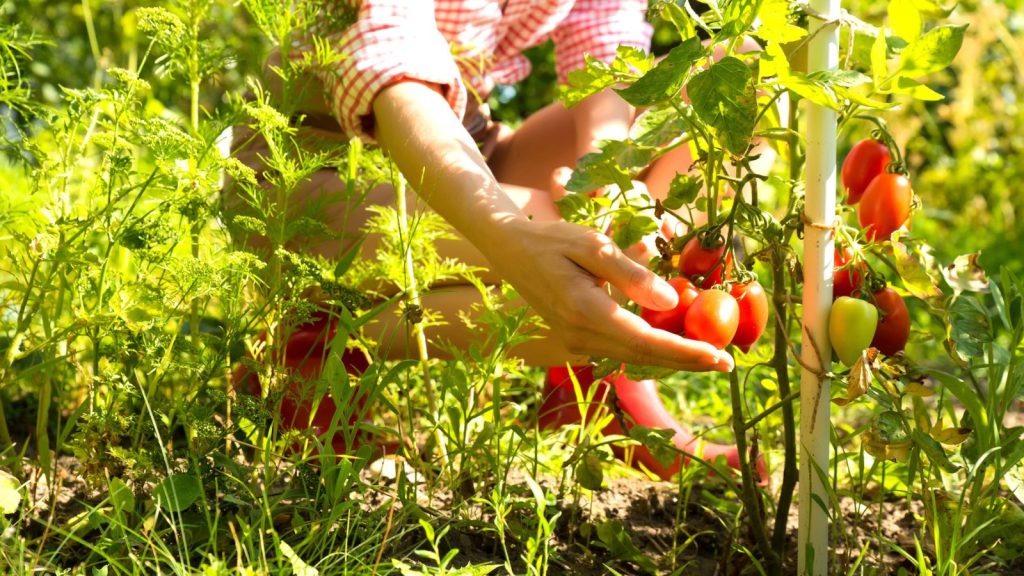
When daytime temperatures climb above 90°F (32°C) and nights stay warm, tomato flowers struggle to set fruit. The heat makes pollen less viable, so flowers drop off without producing fruit.
If your climate experiences many hot days, try using shade cloth or positioning taller plants nearby to give your tomatoes a break from the intense afternoon sun.
2. Nighttime Temperatures Too Low

Low temperatures also affect pollen development as much as high temperatures, especially at night. If the average nighttime temperature dips below 55°F (13°C), you’ll notice blossoms will wilt and drop. A simple way to fix this is to cover plants with lightweight row covers or move containers indoors if you expect the temperature to drop further.
3. The plants are thirsty
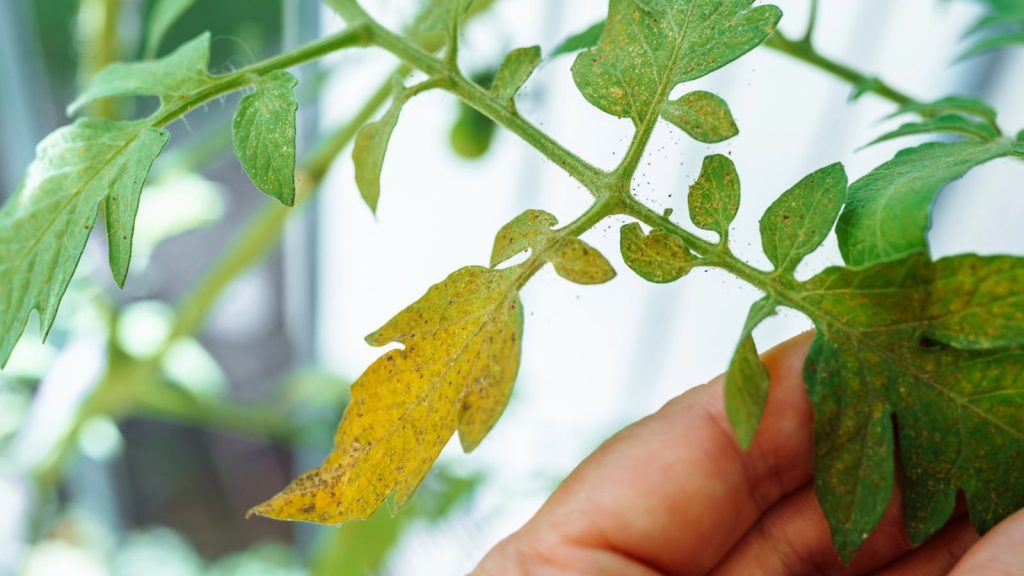
Tomatoes don’t like surprises, especially when it comes to moisture. If you’re underwatering (or watering your plants inconsistently), the soil dries out drastically.
This dryness stresses the plants, causing their flowers to drop. Water your tomato plants deeply one or twice a week. The goal is to keep the soil evenly moist (not soggy) throughout the growing season.
4. You’re Overwatering

Too much water reduces the amount of oxygen available in the soil for the plants to absorb. If you overwater your tomatoes, you’re essentially suffocating their roots and stressing them. In response, the plant sheds flowers as it begins to shut down.
Either you improve your soil drainage so the roots are not waterlogged, or reduce the amount of water you give the plants. Ensure the top inch of the soil dries out before you water again.
5. High Humidity

If the air is extremely humid, pollen gets sticky and clumpy. This makes it difficult for them to transfer pollen to the female parts of the flower, and in turn, prevents the flower from forming fruits.
You can manage this by spacing the tomato plants so the airflow between them is better. You can also assist the pollination process by gently shaking the flowering branches each afternoon.
6. Lack of Pollinators Like Bees

Tomatoes are self-pollinating, but they still require activity (from wind, bees, or even human activity) to facilitate pollen transfer. Plant flowers to attract pollinators to your garden, and if that doesn’t work, give the plant a little assistance so it can set fruit.
7. Too Much Nitrogen
High nitrogen levels cause plants to produce more foliage but fewer flowers or fruit. What little flowers manage to bloom also drop prematurely. If your tomato looks like a jungle but isn’t producing fruit, switch to a low-nitrogen fertilizer labeled for flowering plants or tomatoes.
8. Calcium or Magnesium Deficiency

Tomatoes need calcium and magnesium to form healthy buds. If they don’t have enough of these nutrients, the flowers may drop as a result. Improve the calcium and magnesium supply in the soil by sprinkling
9. Pests Feeding on Buds
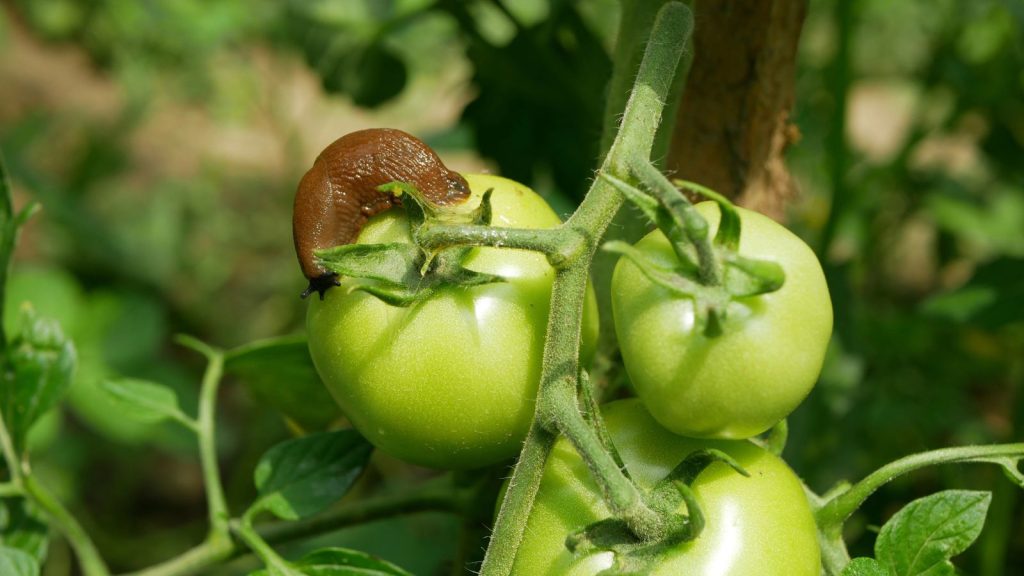
Tiny pests, such as aphids, thrips, and caterpillars, often feed on tomato buds, causing them to drop prematurely. Regularly check under leaves and around flower clusters for any signs of these pests. Treat with pest control methods that are safe for tomato plants, such as
10. Viral Infection
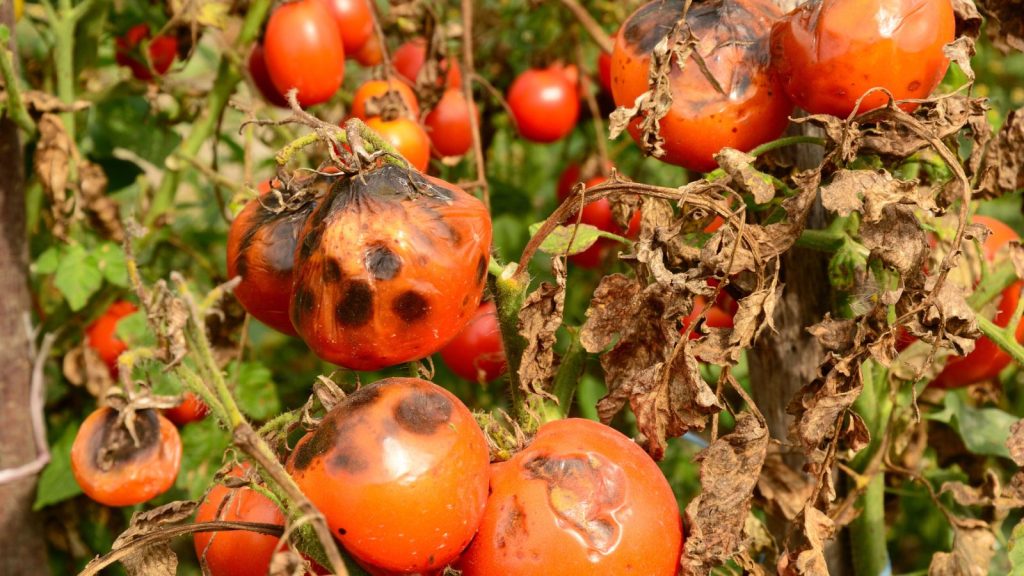
Viral tomato diseases, such as tomato mosaic virus (ToMV), can cause blossoms to wither and fall before they fruit. One way to confirm that you’re dealing with ToMV is if the leaves also exhibit mottling or twisted growth. If you suspect a viral infection, remove the infected plant to prevent spread and avoid planting tomatoes in the same spot next season.
11. Too Much Wind
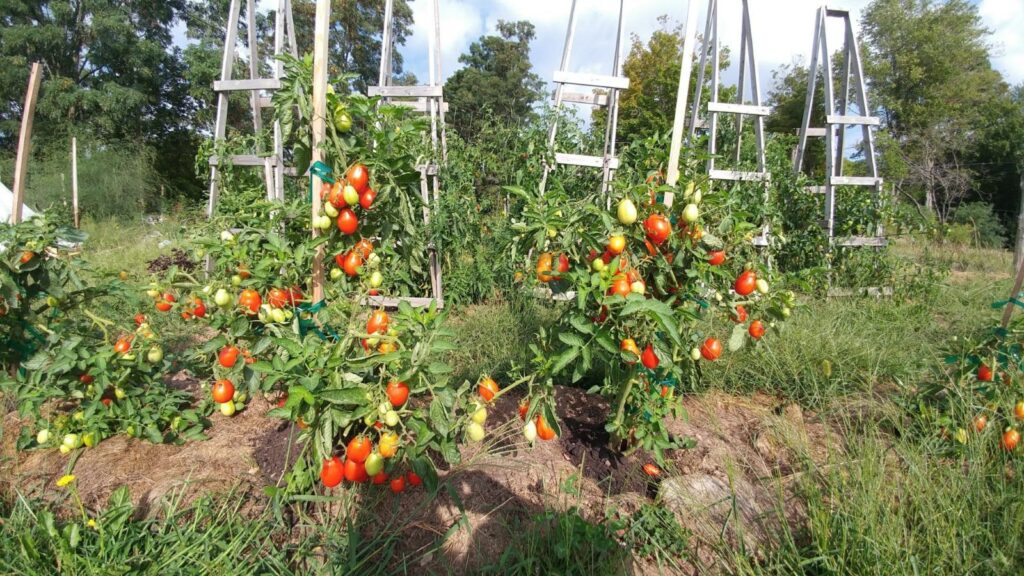
Strong winds are a recipe for disaster, especially with how delicate tomato blossoms are. When blooms are battered or torn before they even get a chance to open, they start to drop off.
Support your plants with sturdy stakes or cages. If you live in a windy area, consider setting up temporary barriers or garden screens to shield them from damage.
12. Plant Age or Overproduction

Tomato plants are smart (as far as nonsentient beings can be) and know how to adjust for survival. If they’re overloaded with fruit or starting to get old, they may drop some flowers to conserve energy. Don’t allow the plant to get to that point. Lightly prune any extra leaves or remove some early fruit to redirect energy toward healthy blossoms.
13. Soil pH Is Off

When it comes to soil pH, there’s a sweet spot that tomatoes like to be in. Ideally, this is between 6.2 and 6.8 on the pH scale. If your soil is too acidic or too alkaline, it messes with how the plant absorbs nutrients.
This leads to stressed plants that respond with the dropping of flowers. Use a simple soil test kit to check your pH level, and then add lime to raise it or sulfur to lower it if needed.
14. Insufficient Sunlight Exposure
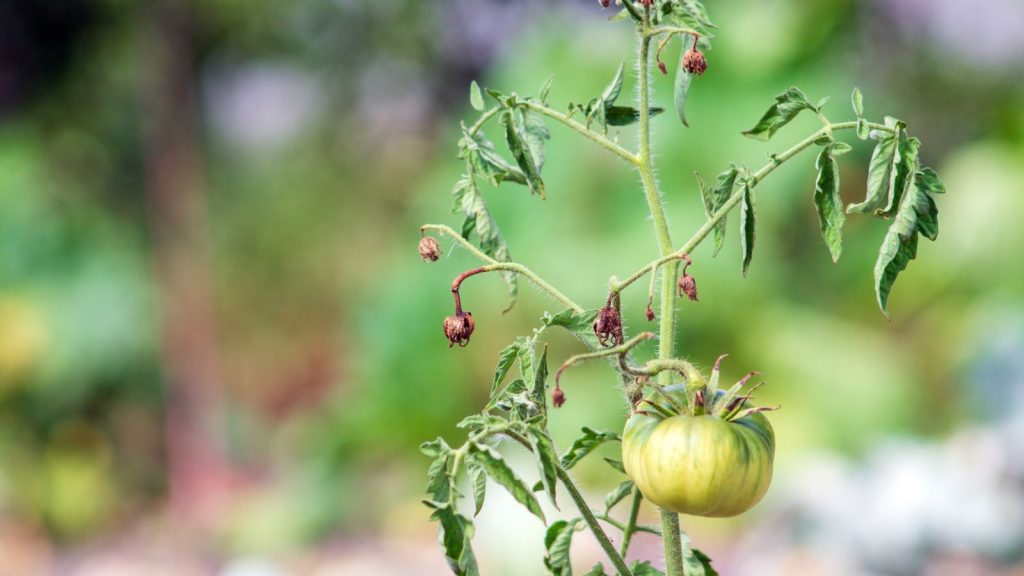
Tomato plants require at least 6–8 hours of direct sunlight per day to mature and produce fruit. Anything less than that can stunt the fruit set, causing the flowers to drop.
Make sure your plant isn’t stuck in a shaded corner or hidden under a canopy of other leaves, or it may start shedding flowers. Also, prune nearby plants or relocate tomatoes growing in containers to a sunnier spot.
15. Root Damage or Disturbance

Tomato roots don’t like to be messed with. If you transplant them too late or dig too close to the stem while weeding, they can get stressed. Even pests like cutworms or root-feeding grubs can trigger blossom drop. Handle transplants gently and avoid working the soil too close to the base of the plant.
16. Chemical Drift
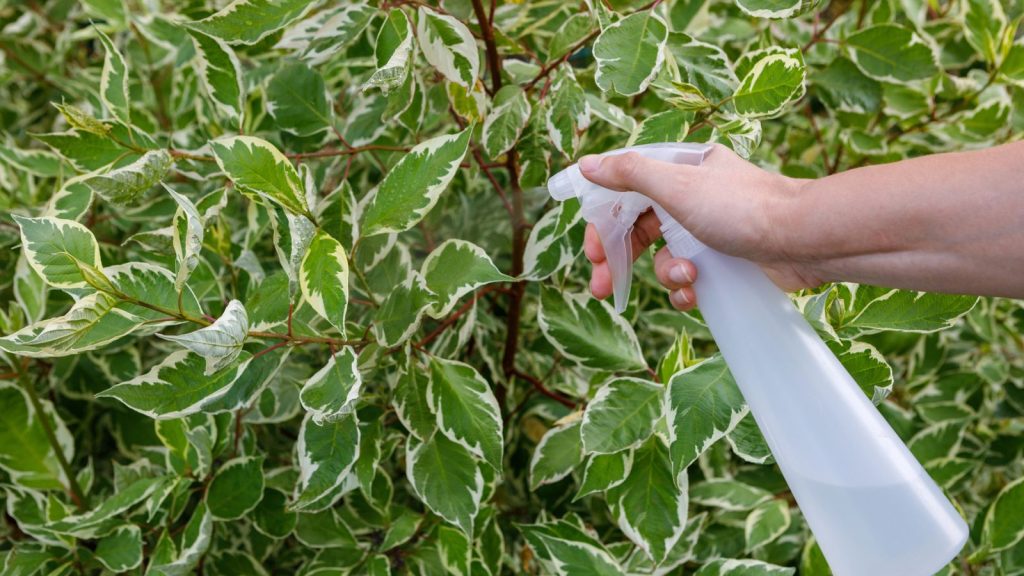
If you or your neighbor sprays herbicides or harsh pesticides nearby, a light breeze can carry that mist straight to your tomato patch. Even a tiny dose can disrupt your plant’s growth and cause flowers to fall. To be safe, avoid spraying anything nearby and consider discussing with your neighbors the importance of being cautious on windy days.
Grow Juicier, Tastier Tomatoes with These 15 Companion Plants

Companion planting is an age-old gardening method that can help prevent common plant issues and boost crop yields. By using some of the best companion plants for tomatoes, your harvests will be better than ever. Here are the 15 best companion plants for your tomato garden.
Grow Juicier, Tastier Tomatoes with These 15 Companion Plants
How to Support Tomatoes: Tomato Stakes vs. Tomato Cages
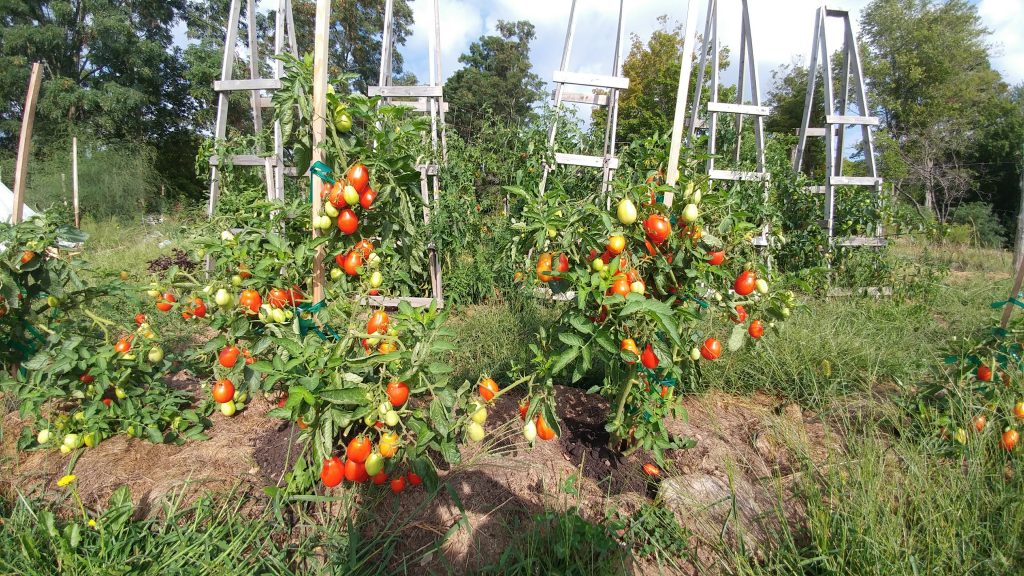
Supporting garden tomatoes with tomato stakes or cages is necessary for all but a few varieties of tomatoes. Without some form of support, your tomato plant will sprawl out over the ground. Here, we’ll share some considerations to help you make a choice that will work for your garden.
How to Support Tomatoes: Tomato Stakes vs. Tomato Cages
How to Properly Prune Tomato Plants

If you’re dealing with tomato plants that often get diseased, tend to droop, or look unhealthy, pruning should be on your gardening checklist. Here’s how you can properly prune your tomato plants.