Many gardeners face short windows between frost dates, particularly in cooler or high-altitude regions. The biggest limitation for such gardeners isn’t space, soil, or weather, but simply time.
Here are 16 short-season vegetables. They’re ideal for cooler climates, high-altitude gardens, or anyone who wants to make the most of a short spring or summer.
1. Radishes (21–35 days)

When it comes to vegetables with a short growing season, it doesn’t get much quicker than
Sow them directly in cool, well-drained soil in USDA zones 2 to 10, water regularly, and thin the seedlings early to prevent a tangled mess.
2. Arugula (21–40 days)

Arugula is a delicate leafy green with a little bite. It germinates quickly and produces baby greens in just 21 days. It’s cold-hardy, thrives in USDA zones 3 to 11, and tolerates partial shade. Keep the soil moist and harvest often to prevent bolting.
3. Spinach (25–60 days)

Spinach germinates in cool temperatures and gives you harvestable baby leaves within 3 weeks. In about 35 to 60 days, full leaves will be ready to harvest.
4. Peas (50–75 days)

Snap
Plant them as soon as the ground thaws and is workable, especially in USDA zones 3 to 9.
5. Lettuce (30–70 days)

Loose-leaf
You can grow lettuce in containers, raised beds, or tucked into flower borders. Once harvested, they can be used in classic salads,
6. Kale (55–70 days)
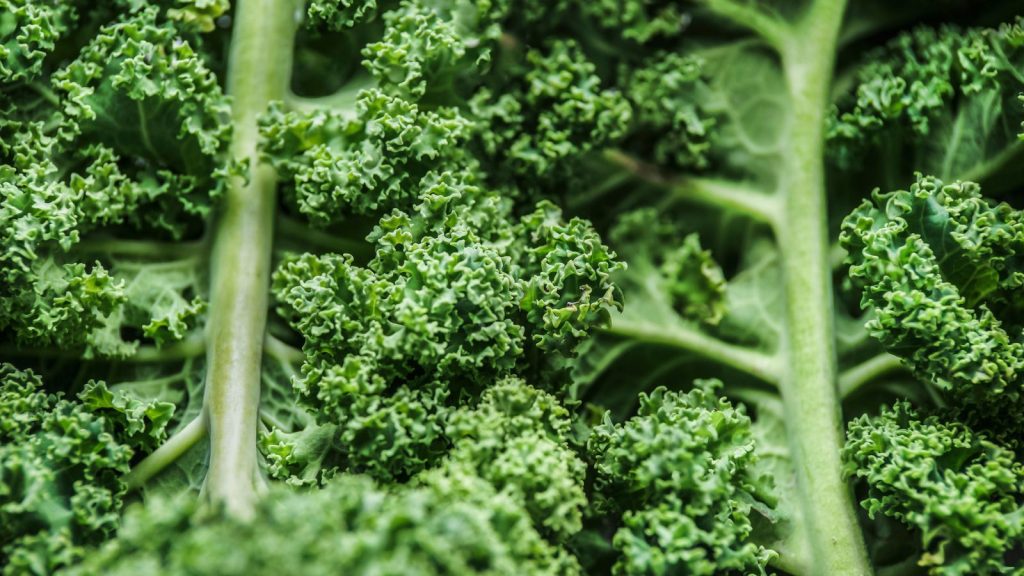
Kale is not just a tough vegetable; it’s also a fast-growing one. Baby kale leaves can be harvested in under a month, and mature plants in about 55 to 70 days, depending on whether they were transplanted or grown from seed.
It thrives in USDA zones 3 to 10, and actually tastes sweeter after a light frost. You can harvest leaves as needed, and the plant will continue producing for weeks (or even months). Just don’t let it dry out between waterings.
Try varieties like Dwarf Siberian or Red Russian for early produce. Once harvested, you can enjoy them as kale chips, in salads, smoothies, soups, or sautéed as a side dish.
7. Green Onions (30–60 days)

With a short planting season, growing full-sized bulbing onions might not be feasible. However, if you enjoy cooking with onions and would like to grow them, consider green onions. These are one of the easiest and most forgiving crops to grow. They grow quickly in USDA zones 5 to 9 and can also be planted in raised beds or containers, as they don’t require deep soil.
Green onions also love full sun and regular watering. If you want them to grow in an even shorter time, regrow them from kitchen scraps.
8. Beets (40–90 days)

The best thing about
Sow directly into well-drained soil in USDA zones 2–10. Remember to thin them early, and keep the soil moist for better growth.
Related: How to Make Pickled Beets
9. Bush Beans (50–60 days)

Unlike pole beans that take longer to mature,
They love warm soil, so wait until frost danger has passed before planting in USDA zones 3 to 10. Harvest
10. Turnips (35–60 days)

Both the roots and the greens are edible and fast-growing. Turnips thrive in cool weather, making them a great spring or fall crop. Try varieties like Hakurei for a crisp, tender, sweet option that matures in just over a month.
Turnips prefer well-drained soil and will bolt if it gets too warm too soon. ‘Hakurei’ is a tender, sweet variety that matures quickly. Use the greens fresh or sautéed, and enjoy the roots roasted, mashed with potatoes, or raw.
11. Zucchini (45–60 days)

Zucchini is a summer staple that grows pretty quickly. Once it starts flowering, the fruits grow fast, and there’s no stopping them. Start seeds indoors in cooler zones and transplant after the last frost.
Due to its rapid growth,
12. Bok Choy (30–45 days)
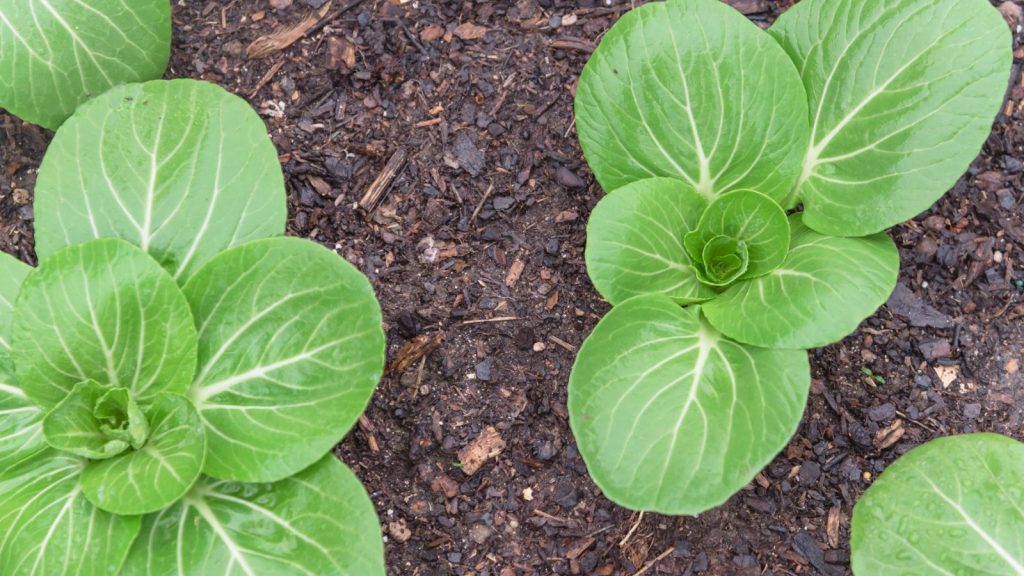
Bok choy (also known as pak choi) is a mild, fast-growing Asian vegetable that’s perfect for stir-fries, noodle soups, sautéing with
It prefers spring and fall weather and grows in USDA zones 4 to 9. Water consistently and harvest either as baby heads or let it grow to full size. Watch for pests like flea beetles and cabbage worms; floating row covers help keep them at bay.
13. Cilantro (30–45 days)

Cilantro bolts quickly in heat, so it’s actually a perfect herb for short-season gardeners to grow in early spring or fall. It thrives in USDA zones 3 to 10, preferring cooler weather and partial shade.
Cilantro matures fast and can be harvested in about a month. Harvest its leaves frequently, and if it bolts, let it go to seed. It’ll self-seed and come back next season. Cilantro is great in tacos, chutneys, guacamole, curry toppings, and homemade salsas.
14. Mustard Greens (30–45 days)

Mustard greens are overachievers and ideal for short growing windows. These spicy greens are flavorful, tough, frost-tolerant, fast, and easy to grow. Sow in early spring or late summer in USDA zones 4 to 9, and you’ll get a steady supply of tender, flavorful leaves.
Keep the soil moist and cut leaves regularly to prevent bitterness and ensure new growth. Mustard greens can be used in salads, sautéed with bacon or
15. Swiss Chard (50–70 days)

Swiss chard is a beautiful and productive crop, with colorful stems and lush leaves. Baby leaves can be picked early (in a little over a month), and mature plants keep going well into fall.
It’s tolerant to both heat and cold, and grows in USDA zones 3 to 10. Give it plenty of sunlight and mulch to retain soil moisture. Once harvested, chards can be sautéed with
16. Carrots (50–60 days for small varieties)

It takes at least 80 days for standard, full-sized
How to Plant Your Own Sustainable Permaculture Garden

How to Plant Your Own Sustainable Permaculture Garden
18 Herbs That Boost Soil Health and Biodiversity in a Permaculture Garden
18 Herbs That Boost Soil Health and Biodiversity in a Permaculture Garden
22 Perennials That Will Take Over Your Garden (And Not in a Good Way)

If you want a thriving, low-maintenance garden without unexpected headaches, it’s best to think twice before planting these problematic perennials.