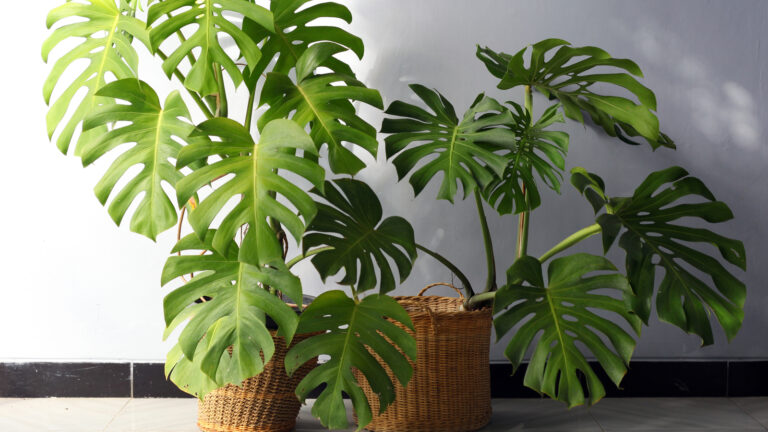


If you’ve ever grown tomatoes, you’ve probably run into hornworms—those chunky green caterpillars that can strip a plant almost overnight. These pests are actually the larvae of the five-spotted hawk moth, a striking moth that flies at night and lays its eggs on the leaves of tomato and other plants in the same family. Once the eggs hatch, the hungry caterpillars get to work, munching not just tomatoes but also eggplants, peppers, and potatoes.
When it comes to garden pests like these, prevention goes a long way. Here are 15 practical ways to stop hornworms before they start—or get rid of them if they’ve already moved in.
1. Handpicking

If you’re face-to-face with a hornworm infestation, the quickest way to save your plants is to pick the caterpillars off by hand.
They are completely harmless to humans but wear gloves if you feel squeamish. Chickens love to eat hornworms, or the caterpillars can be drowned in a jar of soapy water.
2. Use Soap Spray

Soap spray is a good DIY alternative to insecticidal soap but must be used sparingly to avoid harming beneficial insects. Mix one tablespoon of mild liquid soap with one quart of water in a spray bottle.
Spray this mix directly onto the hornworms and affected foliage, ensuring coverage on both sides of the leaves.
Avoid spraying during the hottest part of the day or when the sun directly shines on the plants to prevent leaf burn.
3. Remove Weeds

Keeping your garden beds weed-free reduces the vegetation available for five-spotted hawk moths to lay their eggs. It is also easier to inspect your crops for damage and take prompt action if the beds are free from weeds.
4. Attract Ladybugs

Ladybugs – the gardener’s best friend – help control hornworm populations by feeding on their eggs and young larvae.
To attract them to the garden, plant a variety of pollen and nectar-rich flowers like daisies, marigolds, and yarrow. Leave corners of your garden undisturbed over the winter for ladybugs to hibernate.
5. Use Insecticidal Soap

Insecticidal soap is considered an organic option for pest control because it’s made from natural ingredients and doesn’t leave harmful residues.
Mix the recommended amount of soap concentrate with water according to the instructions and spray the solution directly onto the hornworms and the affected foliage. Since insecticidal soap does not have any residual effect, it will need to be reapplied frequently.
6. Till The Soil

If you’ve been overwhelmed with hornworms, consider tilling the soil after harvest to destroy any burrowing caterpillars and pupae. Repeat tilling in early spring to reduce the five-spotted hawk moths emerging at the start of the following season.
7. Make Friends With Wasps

Several species of wasps feed on hornworms, so welcome these flying insects into your garden. Paper wasps will take small hornworm larvae to feed to their young. Parasitoid wasps lay their eggs on hornworm caterpillars, where they hatch and feed on their host.
To attract beneficial wasps for controlling hornworms, plant nectar-rich flowers such as
8. Plant Strong-smelling Herbs and Flowers

Planting strong-smelling herbs and flowers around your tomato beds may help to deter hornworm moths. Marigolds are a great choice, as they also attract many beneficial insects.
9. Provide Nesting Sites for Birds

Another long-term strategy in hornworm control is to provide suitable nesting sites for birds such as barn swallows, blackbirds, flycatchers, phoebes, and sparrows. These all feed on hornworm caterpillars or the five-spotted hawk moth, helping control this troublesome pest.
10. Lure In The Lacewings

Green lacewing larvae are voracious predators of hornworm eggs and small larvae, effectively controlling their populations.
To attract lacewings to your garden, plant a diverse array of pollen and nectar-rich flowers such as alyssum,
11. Build A Wildlife Pond

Toads and frogs love to munch on hornworm caterpillars, so consider building a wildlife pond to attract these aquatic creatures to your vegetable plot. The presence of water will attract birds that also prey on garden pests.
12. Bacillus Thuringiensis

Bacillus thuringiensis is a highly effective pesticide approved for organic farming. It works by invading the digestive system of caterpillars and can be dusted or sprayed directly onto affected plants.
13. Intercropping

Intercropping, where different vegetable crops are planted side-by-side, can help reduce the damage caused by hornworm caterpillars.
Mixing plants up means that garden pests must travel to reach their chosen host plant, allowing you to get on top of any infestation. Intercropping is a highly effective way to reduce the damage caused by garden pests, so we could all benefit from giving this one a try!
14. Use Mulch

Once hornworm caterpillars are fully grown, they burrow down into the soil to pupate. Adding a thick layer of mulch such as straw, woodchip, or chopped leaves makes it harder for the adult moth to emerge from the soil.
Mulching also hugely benefits soil health, suppresses weeds, and reduces water evaporation.
10 Cheap Mulch Ideas for a Lush Garden
15. Use Black Plastic

This is a great method for reducing hornworm numbers if you consistently suffer from this garden pest. A sheet of black plastic on the soil surface prevents the adult hornworm moths from emerging, keeping your carefully nurtured plants safe from those hungry little caterpillars.
Black plastic also helps retain heat in the soil, making it a good option for cooler climates.
Grow Juicier, Tastier Tomatoes with These 15 Companion Plants

Companion planting is an age-old gardening method that can help prevent common plant issues and boost crop yields. By using some of the best companion plants for tomatoes, your harvests will be better than ever. Here are the 15 best companion plants for your tomato garden.
Grow Juicier, Tastier Tomatoes with These 15 Companion Plants
How to Outsmart Gnats to Keep Them Away From Your Houseplants
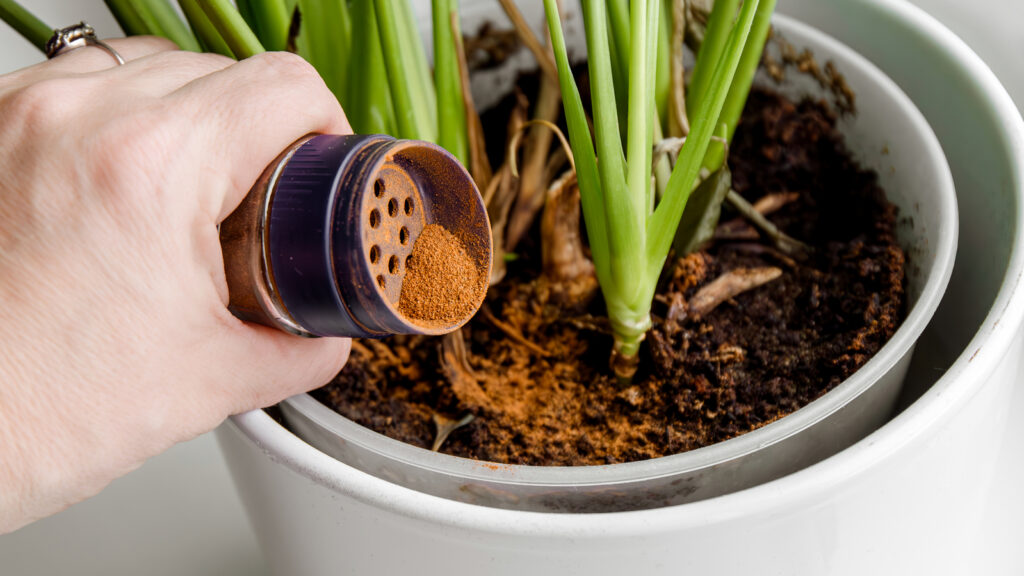
Gnats are more than just a minor annoyance; these tiny pests buzz around with a persistence that’s hard to ignore. Here are ten effective ways to keep gnats away from your house plants.
How to Outsmart Gnats to Keep Them Away From Your Houseplants