Speak to any gardener, and they’ll tell you about the miraculous benefits of
For these reasons, you’ll see
Why Some Plants Don’t Mix Well with Marigolds

Some plants don’t mix well with
Another issue with
If you’re confused about the rights and wrongs of companion planting, you’re not the only one! The general rule is that most plants will tolerate and even benefit from being grown close to
However, there are a small number of plants that really dislike being grown next to
1. Beans

All types of beans are highly sensitive to the compounds that
So, keep
2. Cabbage

Cabbages are in the same boat as beans—while
Cabbage plants are heavy feeders and do not appreciate competition for nutrients or water. If the roots of
Related: What’s Damaging Your Cabbage Plants?
3. Eggplant

Eggplants come from the same family as tomatoes, which thrive in the company of
Related: How to Make the Best Eggplant Caponata
4. Cauliflower

Cauliflowers are very sensitive to competition or stress, and require exactly the right conditions to develop a perfectly formed head. When
5. Turnips

Turnips need good-quality soil to develop smooth, round roots. The compounds released by
6. Brussels Sprouts

Brussels sprouts are slow to mature and need plenty of space both above and below ground. Their extensive root systems struggle to compete with neighboring plants with vigorous growth habits like
Related: Brussels Sprout Salad With Maple Vinaigrette
7. Kale
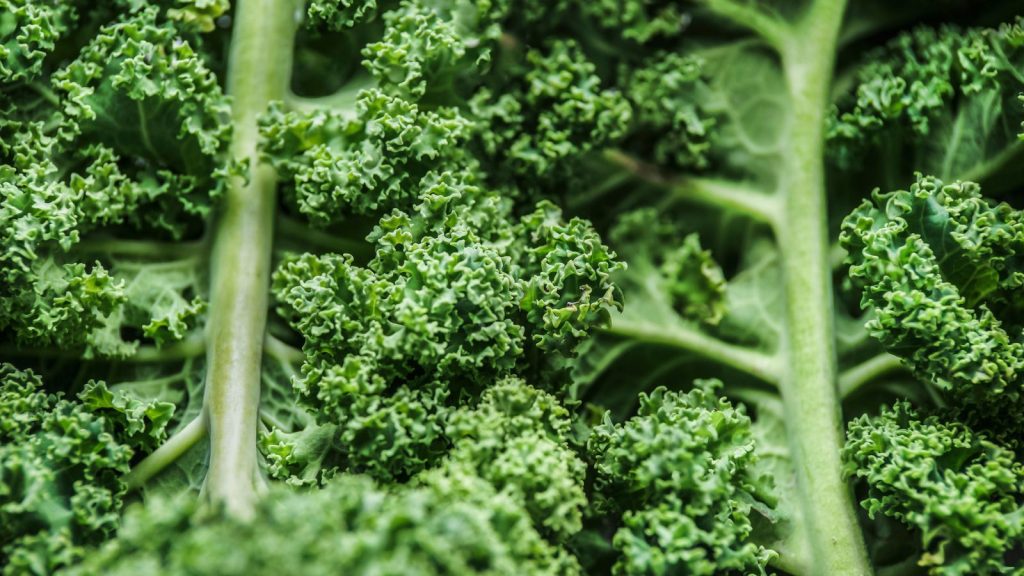
While kale is somewhat more forgiving than some of its brassica cousins, it will not thrive when forced to compete with aggressive neighbors.
When planted too close to
8. Mustard Greens

Marigolds, despite their pest-repelling benefits, can interfere with the delicate root systems of mustard greens if planted nearby. Due to their rapid growth habit, mustard greens require fertile soil with minimal competition for nutrients.
AdTop Rated Hotels & Resorts
Discover luxury and budget-friendly stays for your next trip.
Pairing these delicious leafy greens with
9. Peas
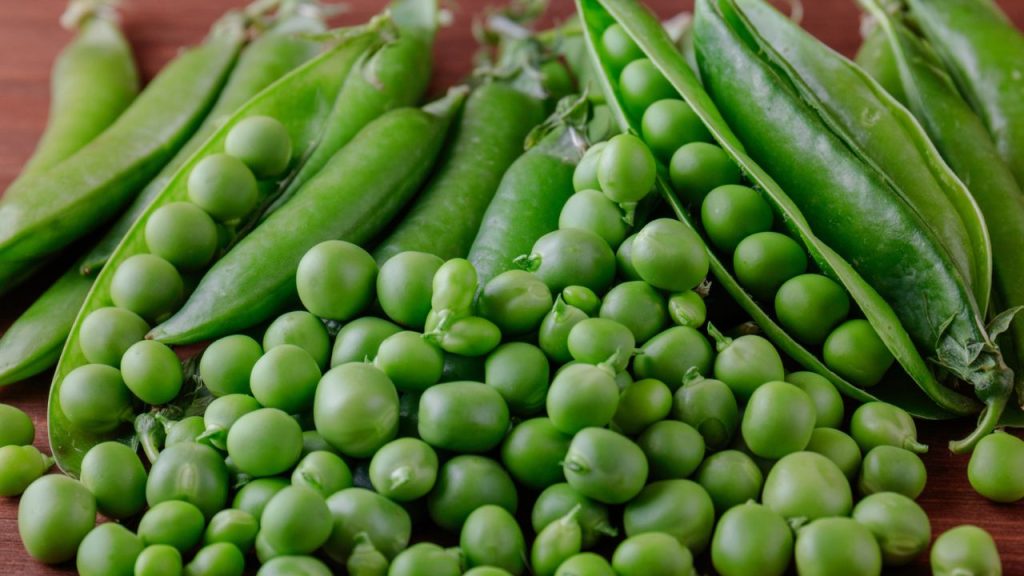
Peas form a delicate partnership with the soil and rely on stable conditions to produce pods filled with deliciously
10. Broccoli

Like the other brassica crops on our list, broccoli needs moist, nutrient-rich soil to produce a decent harvest. When planted too close together,
11. Fennel
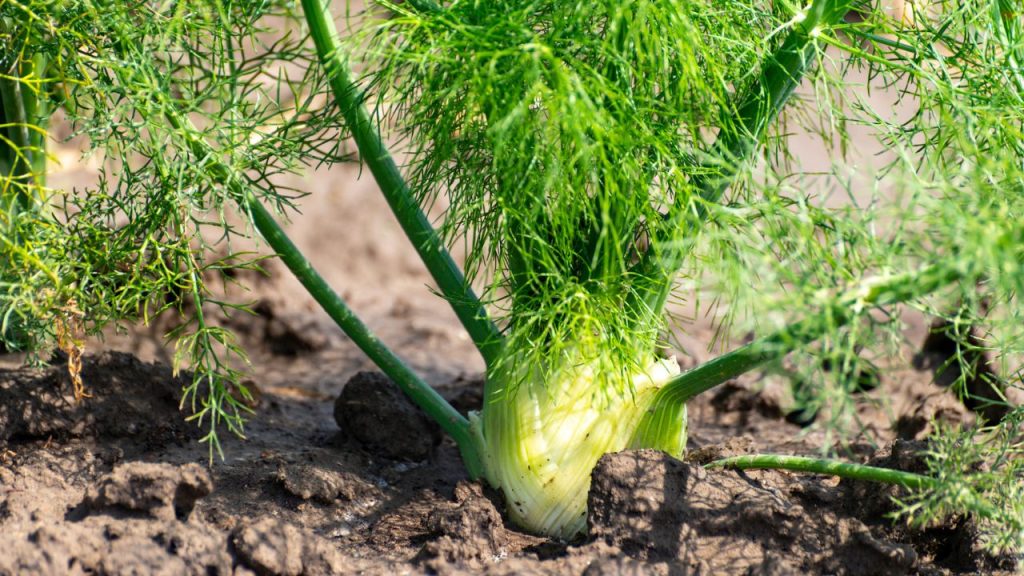
Fennel has a reputation for being a poor companion to just about everything in the garden, and
Both plants produce allelopathic compounds that interfere with the growth of surrounding plants. Fennel is best planted in its own space, far from other herbs and vegetables.
Related: 15 Plants That Can Peacefully Coexist with Fennel
12. Basil
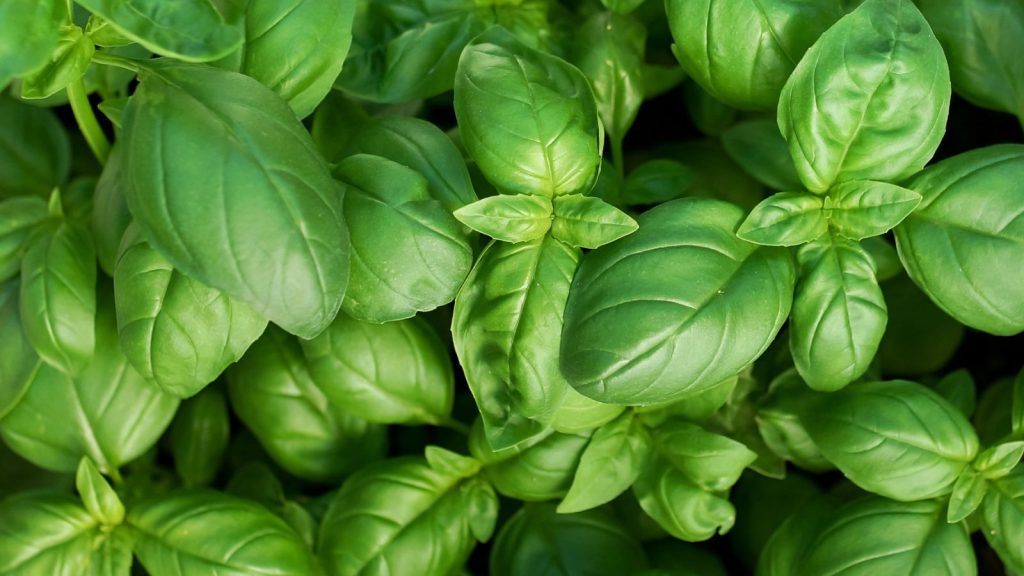
Flavorsome basil is celebrated for its pest-deterring properties and is often recommended as the perfect companion for tomatoes.
However, this doesn’t mean that basil and
13. Chives
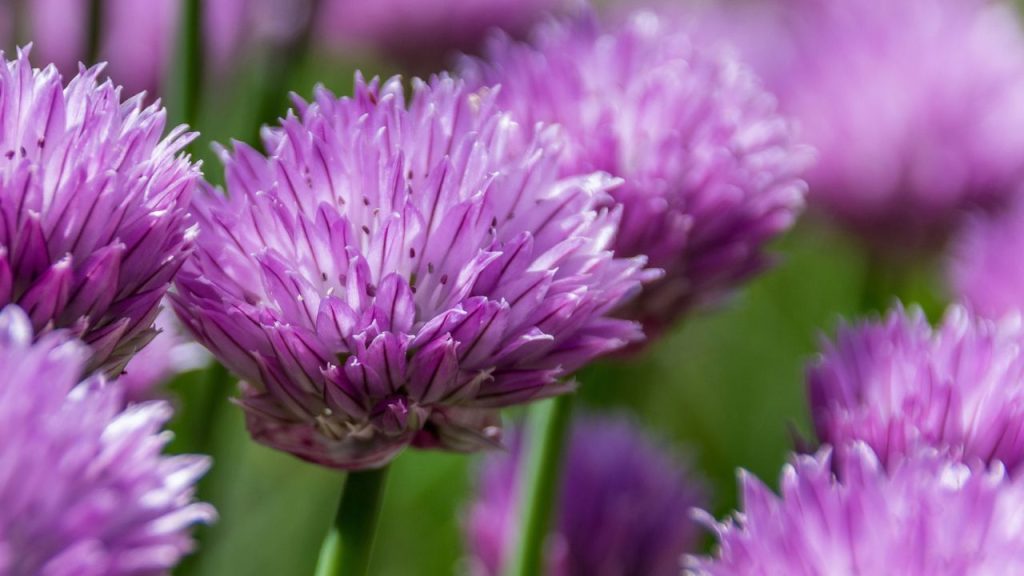
With their dense and spreading root systems,
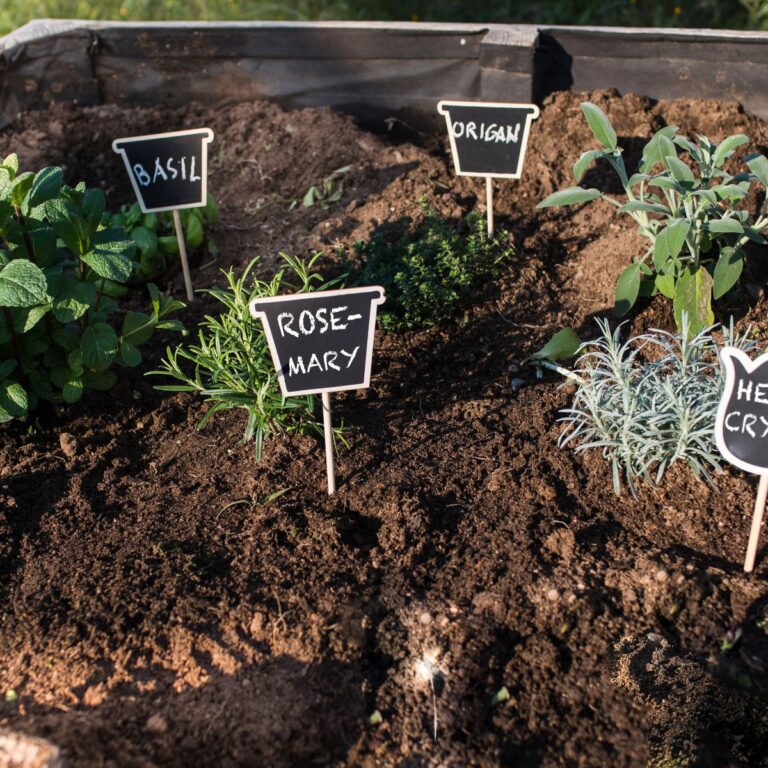
14. Rosemary
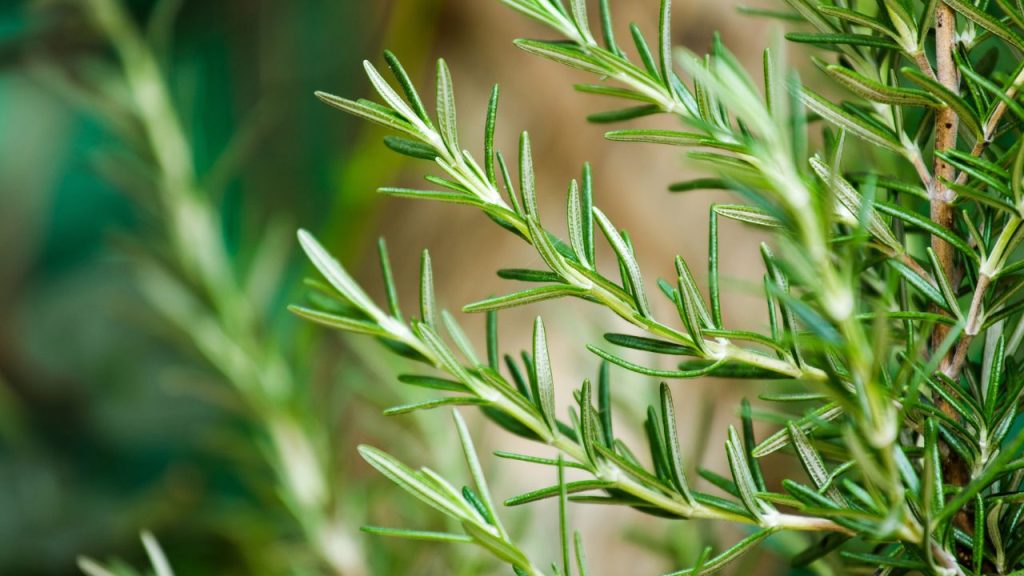
The natural habitat for rosemary mimics the Mediterranean climate it hails from – dry, well-drained soil with low levels of nutrients. When planted close together,
Related: Rosemary Water With Dried Rosemary
15. Radishes
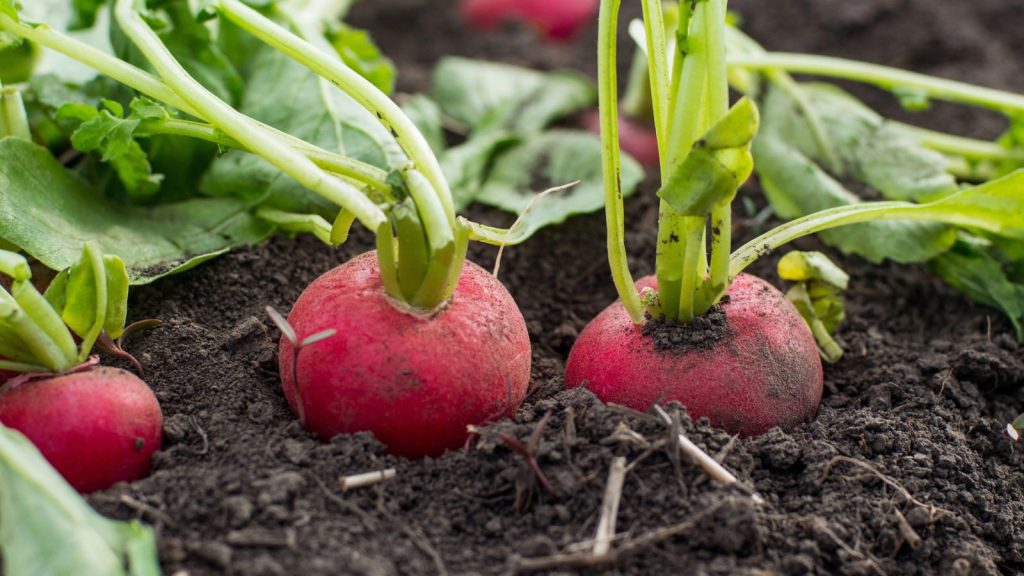
Radishes need ample levels of sunlight, moisture, and nutrients to support their rapid growth rate.
12 Plants to Grow Alongside Your Blueberry Bushes to Keep Them Happy

Planting the right companion plants near blueberry bushes can help to ensure successful fruiting. Here are some plants that you should grow alongside blueberry bushes to help them thrive.
12 Plants to Grow Alongside Your Blueberry Bushes to Keep Them Happy
Grow Juicier, Tastier Tomatoes with These 15 Companion Plants

Companion planting is an age-old gardening method that can help prevent common plant issues and boost crop yields. By using some of the best companion plants for tomatoes, your harvests will be better than ever. Here are the 15 best companion plants for your tomato garden.
Grow Juicier, Tastier Tomatoes with These 15 Companion Plants

Kate Chalmers
Kate is a passionate gardener who has a keen interest in all things related to homesteading and sustainability. She resides in Portugal with her husband and menagerie of animals and has over 15 years of experience in the UK veterinary industry. In 2020, Kate and her husband took on a dilapidated Portuguese house and abandoned olive grove, turning it into an abundant food forest and home for nature.
Life on the homestead is never the same from one day to the next, and Kate has mastered many skills that she is keen to pass on to anyone with an interest in becoming more self-sufficient. Kate believes that living a sustainable lifestyle is the key to happiness and fulfillment and that everyone can make simple changes that connect us back to nature and reduce our impact on the planet.
Best Travel Insurance Plans
Travel safely with comprehensive medical coverage abroad.