This post may contain affiliate links.


Eggplants are heat-loving plants that often struggle with slow growth, pest pressure, and nutrient deficiencies. While companion planting can improve their health and productivity, choosing the wrong neighbors can have the opposite effect—attracting pests, depleting the soil, or stunting growth.
Some plants compete aggressively for nutrients and space, while others invite insects that feed on eggplant leaves and fruit. Certain companions may even alter the soil chemistry, negatively impacting eggplant development.
To give your eggplants the best chance at success, it’s just as important to know what not to plant nearby. Here are the worst companion plants for eggplants and why they should be kept at a distance.
Fennel
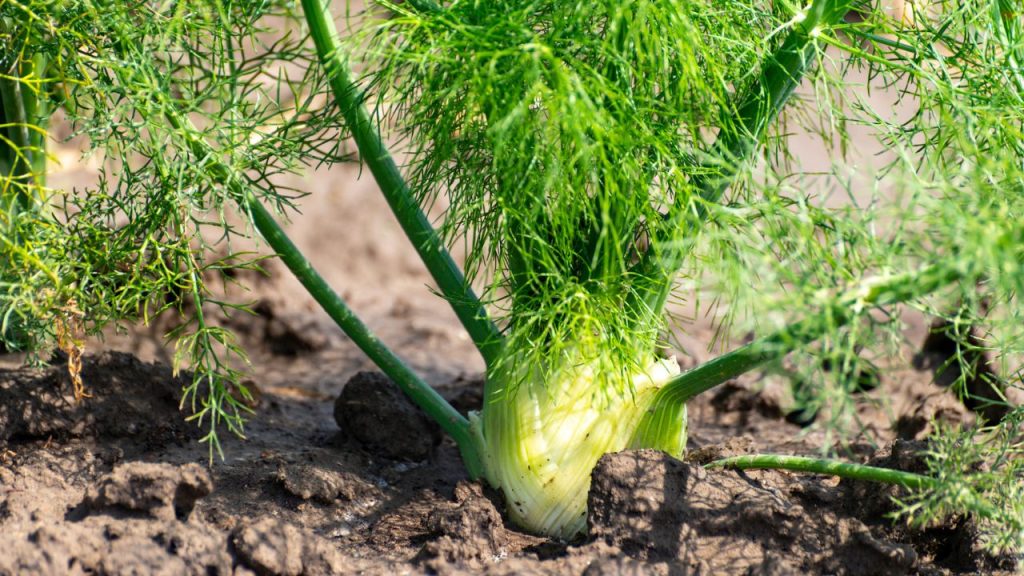
Fennel is that housemate who takes your food, hogs the space, and makes everything smell weird – best kept far from your eggplants!
This tall, fern-like plant releases chemicals in the soil that stunt the growth of nearby plants. Fennel does draw in beneficial insects but is best grown in its own space, away from other vegetables.
15 Plants That Can Peacefully Coexist with Fennel
Potatoes
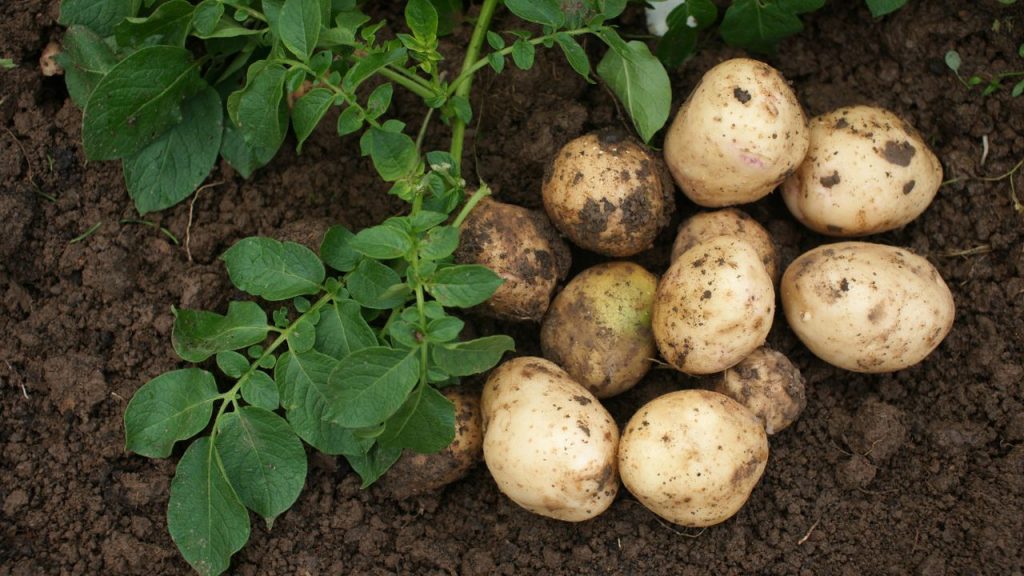
The next three ‘bad’ companions for eggplants all belong to the same plant family – nightshades. Potatoes and eggplants attract similar pests, including Colorado potato beetles, and share susceptibility to diseases like blight.
Tomatoes

Another eggplant relative, heavy-cropping tomatoes will compete for nutrients in the soil, reducing the overall yield of both plants. They are prone to the same pests and diseases, so growing them together increases the risk of problems.
Peppers
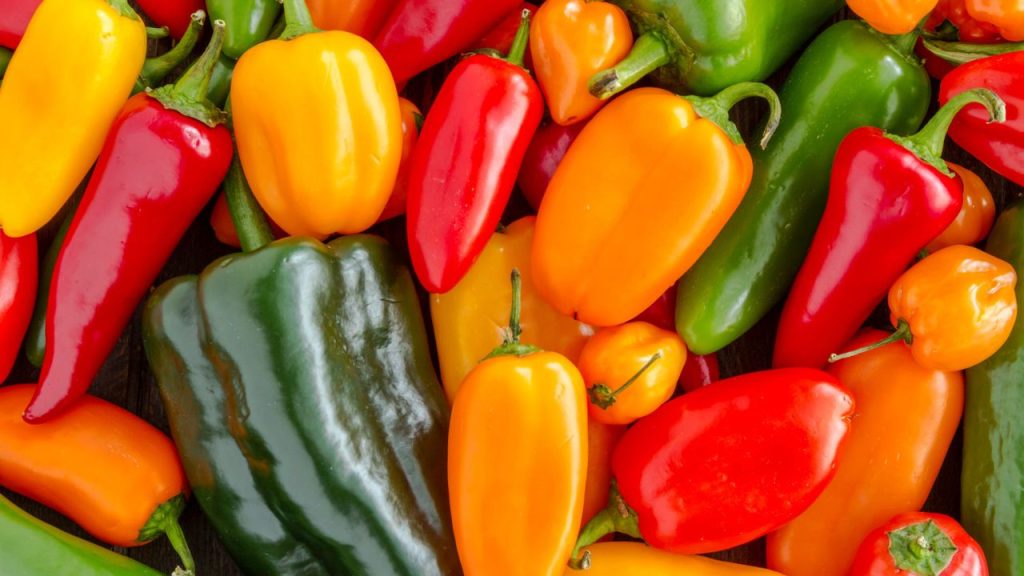
Like tomatoes and potatoes, peppers share susceptibility to similar pests and diseases, making them risky companions for eggplants.
Corn
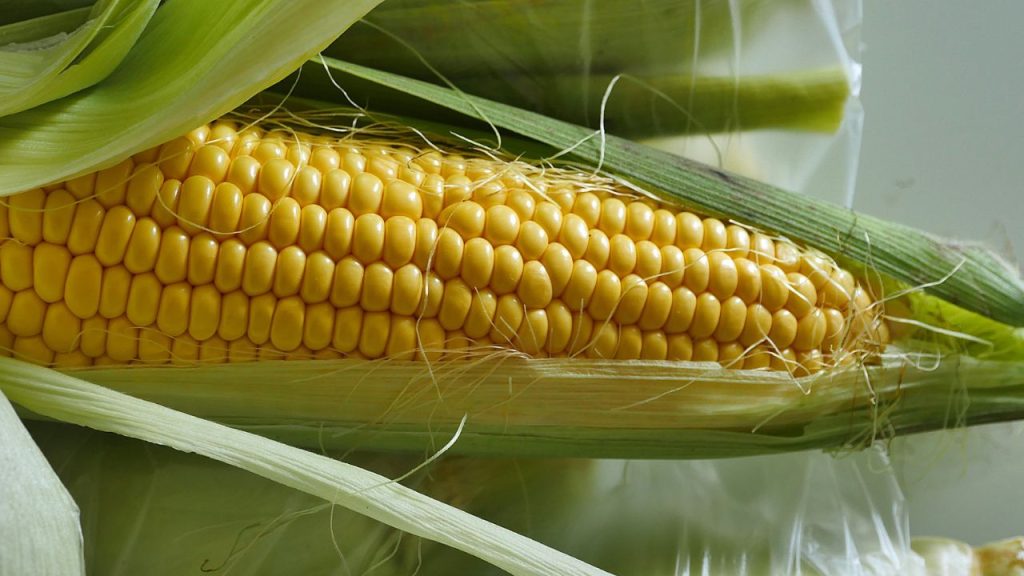
Corn is a greedy feeder, outcompeting eggplants for vital nitrogen in the soil. Your corn plants may also attract pests such as earworms and aphids that can quickly spread to eggplants.
Brassicas

All types of brassicas, including cabbage, broccoli, and cauliflower, will compete with eggplants for nutrients in the soil. And as eggplants are not so vigorous in their growth habit, they’ll unfortunately lose this competition!
Carrots

The long, deep roots of
Beets

Beets can slow down the growth of eggplants by competing for nutrients in the soil. These two crops also prefer different soil conditions and temperatures, making them a poor match.
Strawberries
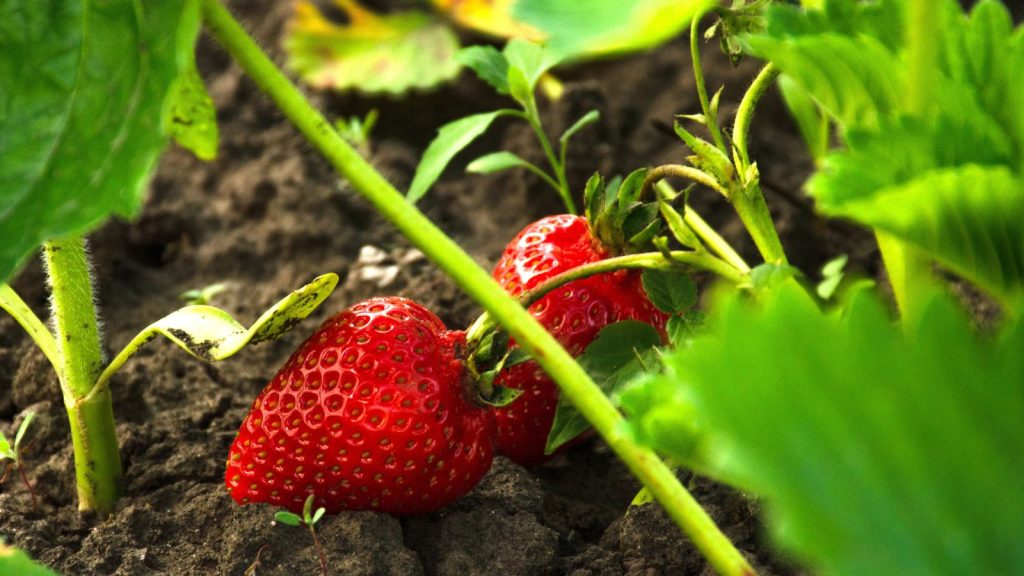
Fast-growing strawberry plants will compete with eggplants for nutrients and space. Strawberries’ dense, leafy growth can also attract slugs, which can damage young eggplant leaves.
Grow Juicier, Tastier Tomatoes with These 15 Companion Plants

Companion planting is an age-old gardening method that can help prevent common plant issues and boost crop yields. By using some of the best companion plants for tomatoes, your harvests will be better than ever. Here are the 15 best companion plants for your tomato garden.
Grow Juicier, Tastier Tomatoes with These 15 Companion Plants
8 Best Raised Garden Beds (What to Consider Before Buying)

Kate Chalmers
Kate is a passionate gardener who has a keen interest in all things related to homesteading and sustainability. She resides in Portugal with her husband and menagerie of animals and has over 15 years of experience in the UK veterinary industry. In 2020, Kate and her husband took on a dilapidated Portuguese house and abandoned olive grove, turning it into an abundant food forest and home for nature.
Life on the homestead is never the same from one day to the next, and Kate has mastered many skills that she is keen to pass on to anyone with an interest in becoming more self-sufficient. Kate believes that living a sustainable lifestyle is the key to happiness and fulfillment and that everyone can make simple changes that connect us back to nature and reduce our impact on the planet.