This post may contain affiliate links.
Having a stocked pantry isn’t just about preparing for emergencies—it’s a smart habit that can save you time, money, and stress in everyday life. Whether you’re dealing with a power outage, severe weather, or a situation that keeps you from getting to the store, having food stored away ensures you and your family stay fed and secure. Prepping isn’t just about having food—it’s about storing it the right way to ensure it stays safe, fresh, and ready when needed.
Simply tossing canned goods and bulk staples onto a shelf isn’t enough. Without the right storage methods, food can spoil, lose its nutritional value, or even become unsafe to eat.
To make sure your stockpile lasts as long as possible, it’s important to follow some essential food storage rules. These guidelines will help you maximize shelf life, prevent waste, and keep your food supply in top condition for months or even years to come.
Store What You Eat
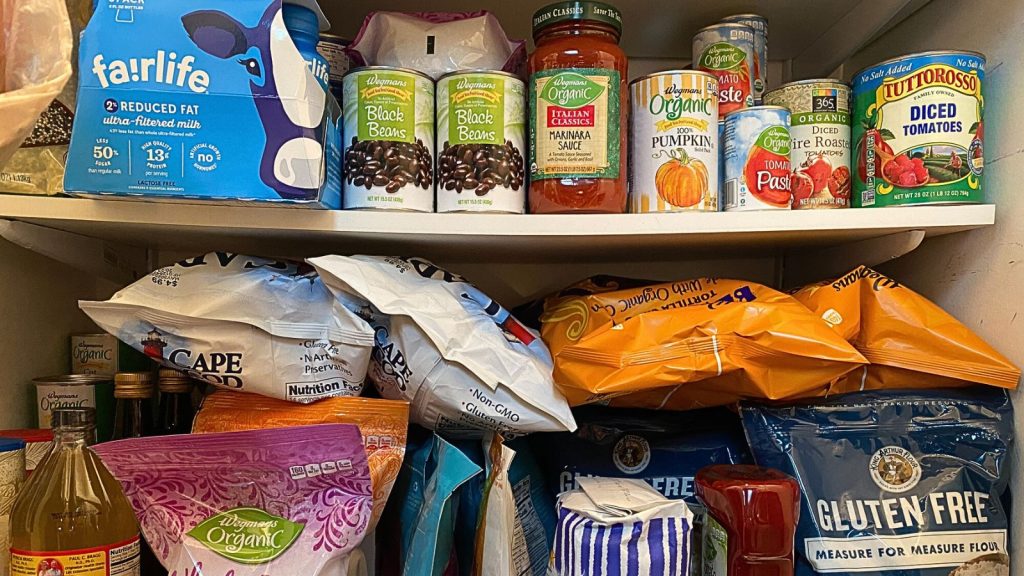
Stockpile foods that you and your family already enjoy. This ensures that nothing goes to waste and that, even in an emergency, meals are comforting and familiar.
Survival isn’t just about having food—it’s about keeping morale high. If you have to force yourself to eat something unappetizing, it can make an already stressful situation even worse.
Rotate Your Stock (FIFO Method)

Use the First In, First Out (FIFO) method to keep your food fresh. This is one of the most important rules of food storage. Always consume the oldest items first and replace them with newer supplies.
When pulling a can or package from the shelf, take from the front, and when restocking, place new items in the back. This simple system helps prevent spoilage and reduces waste.
Keep It Cool, Dark, and Dry

Food lasts longest when stored at temperatures below 70°F. Avoid direct sunlight by using blackout curtains if necessary, and use a dehumidifier if you live in a humid area.
Excess moisture can lead to mold, bacteria, and spoilage, so keeping your storage space dry is just as important as keeping it cool and dark.
Use Airtight and Pest-Proof Containers

Invest in Mylar bags, food-grade buckets, vacuum-sealed bags, and
Avoid Storing Food on the Floor

Keep food elevated on shelves or pallets to prevent damage from moisture and pests. If a pipe bursts or there’s a minor flood, food stored directly on the ground is at risk of being ruined. Keeping everything off the floor also makes it easier to organize and inspect your supplies.
Can and Dehydrate Your Own Food
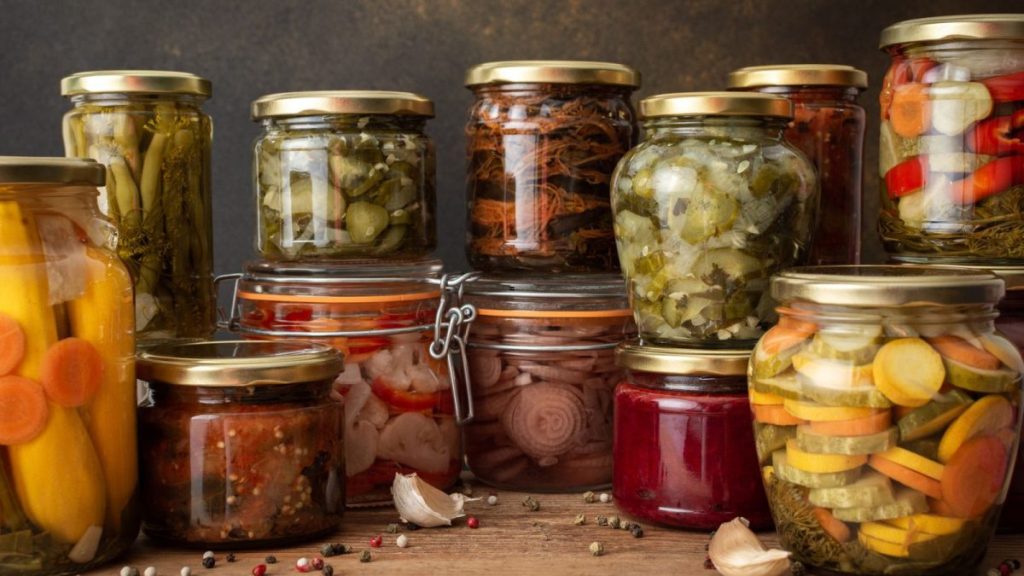
Home canning, dehydrating, and freeze-drying are excellent ways to preserve fruits, vegetables, and meats. If you’re new to these methods, learn from someone experienced or take a class at your local extension office to ensure you’re following proper food safety guidelines. These preservation methods can keep food viable for years while reducing reliance on store-bought goods.
Maintain Proper Humidity Levels
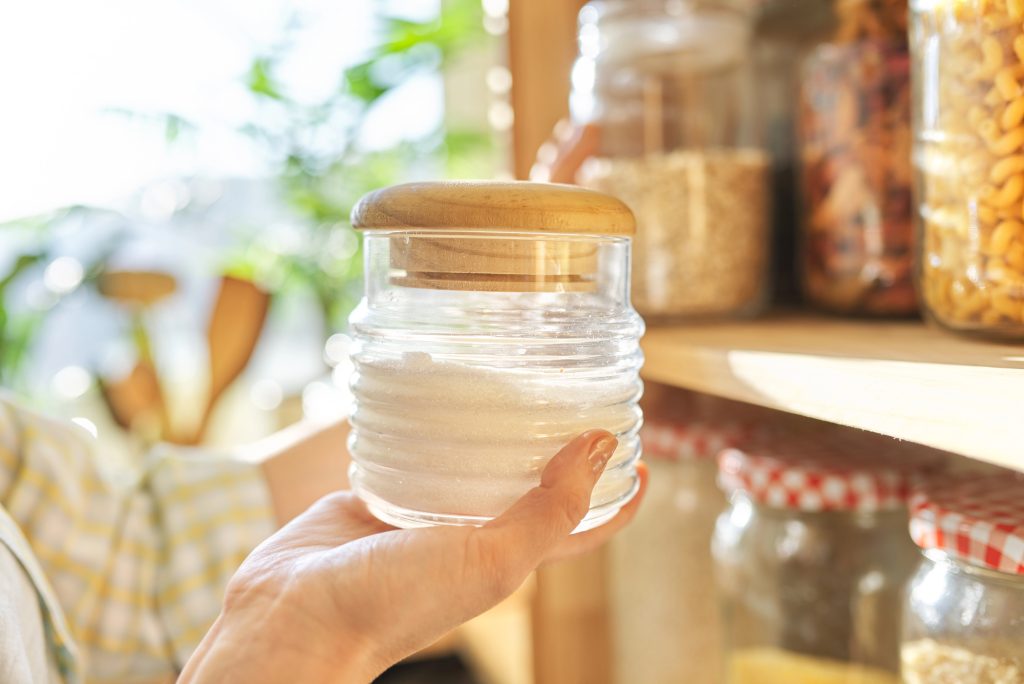
For optimal storage, keep humidity below fifteen percent. This is especially important for grains and powdered goods, as excess moisture can lead to mold and spoilage. If you store food in a basement or another damp area, a dehumidifier can help regulate moisture levels.
Label Everything with Dates

Clearly label stored food with the date of purchase and expiration. This makes it easier to follow the FIFO method and ensures you know what to use first. Keep in mind that expiration dates are just guidelines—many non-perishable items are still safe to consume long after their printed date.
Diversify Your Storage Locations

Don’t keep all your food in one place. Spread your supplies across multiple locations in your home, such as a pantry, basement, or garage.
If one area is affected by flooding, pests, or other damage, you won’t lose everything at once. A diversified storage system ensures better overall protection.
Keep an Inventory List

Track what you have and update your inventory regularly. Knowing exactly what’s in your stockpile prevents unnecessary purchases and ensures you don’t end up with an unbalanced supply—like fifty cans of corn and no green beans. A simple spreadsheet or notebook can help you stay organized.
Have a Backup Water Supply

While storing water is crucial, it’s nearly impossible to store enough for an indefinite period. Identify alternative water sources such as a pool, pond, or even your home’s hot water tank. Learning how to purify and filter water from these sources is just as important as having them available.
Be Mindful of Pests

Rodents and insects can quickly ruin a stockpile. Use natural deterrents like bay leaves, diatomaceous earth, and essential oils to keep them away. Regularly inspect your food storage areas for signs of pests and take immediate action if needed.
Store Emergency Rations Separately

In addition to your main stockpile, keep a separate stash of ready-to-eat foods like MREs and protein bars. These should be stored somewhere easy to access in case of a sudden evacuation or short-term emergency. Having a grab-and-go supply can make all the difference in a crisis.
Test Your Stockpile Regularly
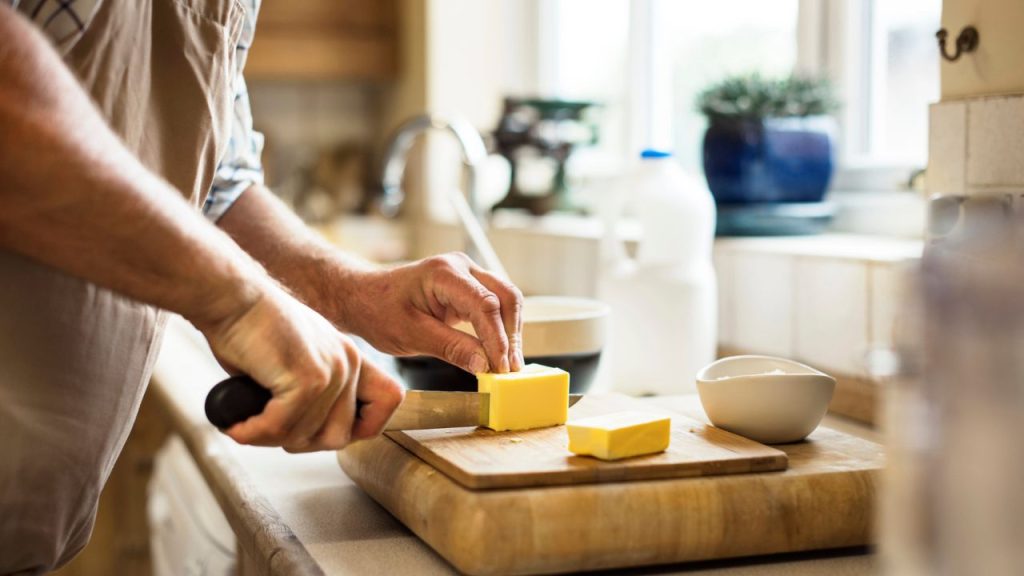
Don’t just store food—use it. Incorporate your stored foods into everyday meals to ensure they remain good and that you know how to prepare them. Cooking with your stockpile also helps you identify gaps in your supplies and adjust accordingly. Practicing now ensures you’re fully prepared when it matters most.
24 Foods to Stockpile Now with a Shelf Life of Up to 20 Years

Here are 24 essential foods with impressive shelf lives, perfect for building a stockpile you can count on for years.
24 Foods to Stockpile Now with a Shelf Life of Up to 20 Years
How to Start an Emergency Stockpile When You Can Barely Afford Groceries
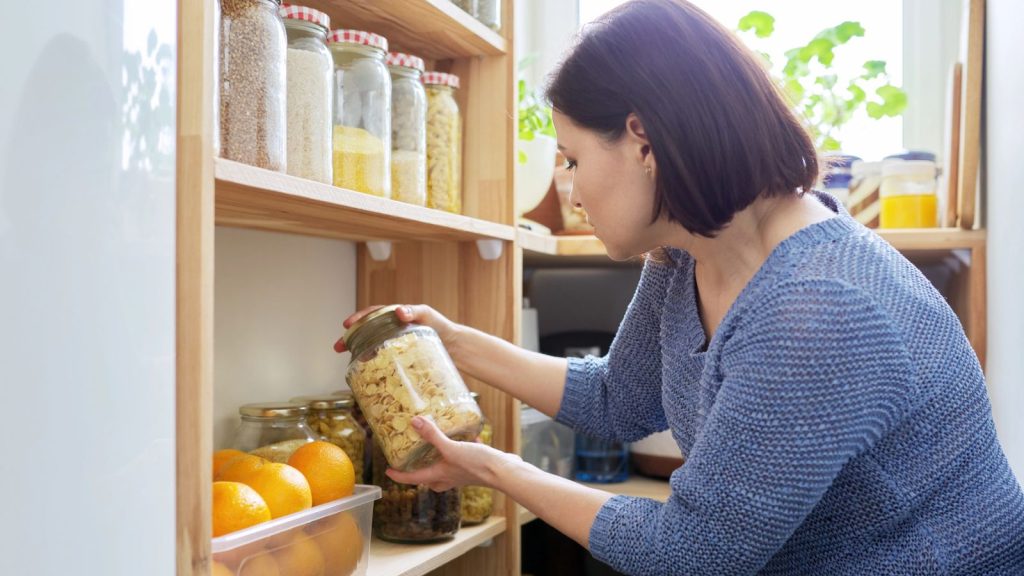
Creating an emergency stockpile on a tight budget is challenging but achievable. By prioritizing essentials, setting a budget, starting small, and using available resources wisely, you can gradually build a stockpile that provides security and peace of mind.
How to Start an Emergency Stockpile When You Can Barely Afford Groceries
15 Frugal Ways to Build a Food Stockpile on Just $10 a Week
Prepping is about smart planning, not panic buying, and with patience and consistency, you’ll have a solid supply before you know it. Here are some frugal tips to help build your stockpile on just $10 a week.