

Incorporating purple and green plants into your indoor or outdoor garden is a simple way to add eye-catching color. The combination of purple and green brings a fresh, appealing contrast that brightens any space. Here are 13 purple and green plants to consider.
1. Iron Cross

The Iron Cross, sometimes referred to as good luck plant (Oxalis tetraphylla), is a unique bulbous perennial that resembles a clover. Its most distinctive feature is the dark purple marking at the center of each leaf, shaped like the iron cross symbol. This plant thrives in Zones 7-10 and prefers bright, indirect to direct light and moist, well-draining soil.
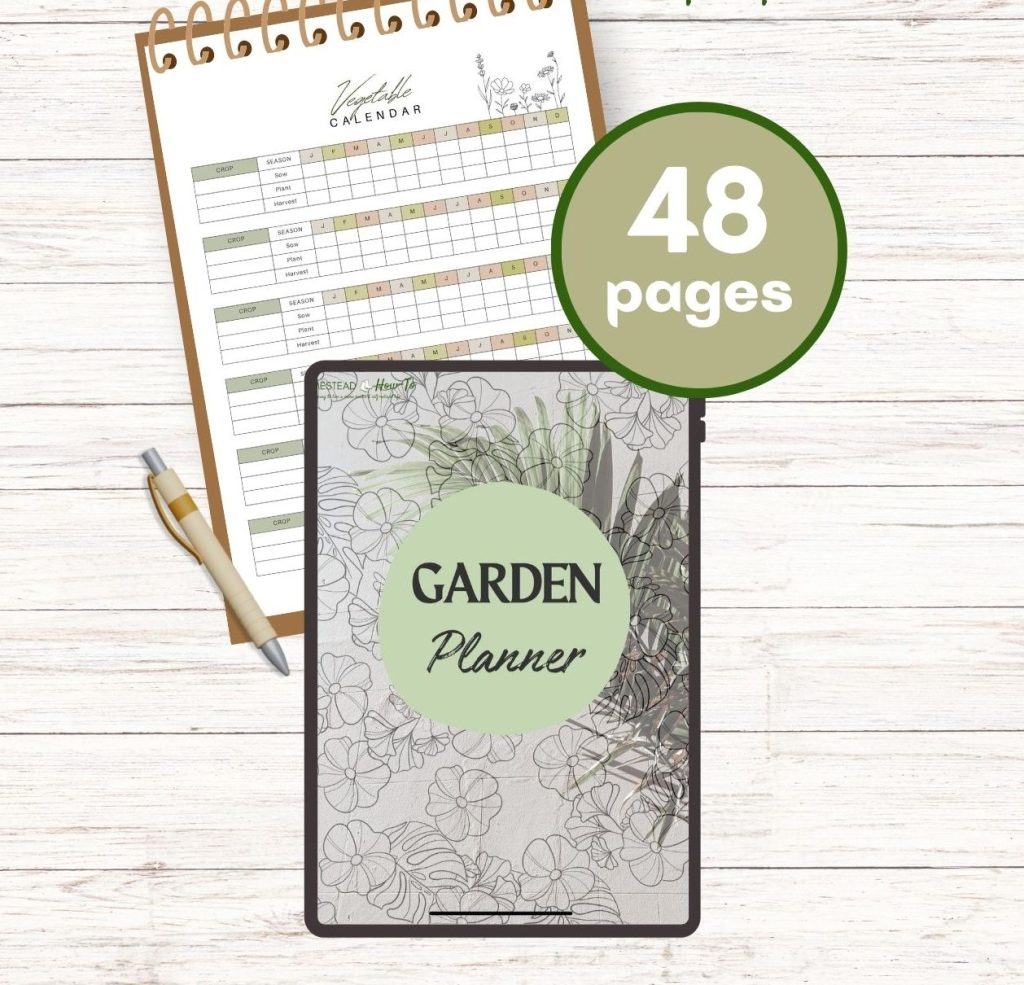
Grab Your Ultimate Garden Planner Printable
Take the guesswork out of gardening with this thoughtfully designed 48-page printable planner. It’s more than a planner—it’s your personal gardening companion
2. Velvet Plant

Purple Passion, also known as the velvet plant, is a popular houseplant with vibrant purple and green foliage. What truly sets it apart is the soft, velvety purple fuzz that outlines each leaf, creating a striking contrast.
When placed among other houseplants, this unique texture and color combination make Purple Passion a real eye-catcher in any indoor garden.
3. Lenten Rose (Helleborus ×hybridus)

The Lenten rose is a robust, evergreen hardy perennial plant with dense mounds of large, leathery leaves. This low-maintenance plant produces flowers in shades ranging from white and pink to deep purple. When not in bloom, it’s stunning foliage remains a key feature in the garden.
4. Persian Shield (Strobilanthes dyerianus)

Persian Shield is loved for its striking, iridescent foliage, which shimmers with shades of silver, green, and purple. This ensures that this plant remains a showstopper in the garden even when it is not flowering. This small, bushy plant thrives in warmer climates and produces violet-blue flowers atop the lance-shaped leaves in late spring.
5. Calathea

Calatheas prefer medium to low light and require consistent moisture to thrive, but they rarely flower in low-light conditions. Known for their beautiful leaf patterns with purple undersides, they add a decorative touch to any landscape. When grown as a houseplant, they are known to be great at purifying the air. These plants are perfect for adding life to dimly lit areas of your home.
6. Spiderwort (Tradescantia)
Tradescantia, often called Spiderwort, features trailing vines with green, pink, or white or purple leaves, making it a colorful addition to hanging baskets or shelves. It’s easy to care for, thrives in bright, indirect light, and requires moderate watering.
Tradescantia plants are great for adding a cascade of color to your indoor space, complementing any decor style.
7. Coleus

This stunning plant, with its striking purple and green foliage, is available in various colors and distinctive patterns. Suitable for zones 10-11, it thrives in rich, moist, well-draining soil. Its vibrant foliage and appearance makes it a truly eye-catching addition to any garden during the growing season.
8. Red Flame Ivy ((Hemigraphis alternate)

Red Flame Ivy, sometimes referred to as the Purple Waffle plant, is another fantastic houseplant choice. It’s known for its vibrant, purple-tinted leaves with a distinctive crinkled texture that resembles a waffle.
It’s an easy-to-grow, low-maintenance option that brings a splash of color to any room or office. For best results, plant it in well-drained soil and fertilize regularly. This plant is beautiful, practical, and ideal for zones 10-12.
9. Peperomia Emerald Ripple

Peperomia Emerald Ripple is celebrated for its distinctively textured dark green leaves and deep, almost purple coloring. This tropical plant, part of the Piperaceae (pepper) family, is a popular houseplant in temperate regions.
Its heart-shaped leaves make it a striking addition to any indoor space. The plant earns its common name from the wrinkled appearance of its leaves. It thrives in zones 11-12.
10. Inch Plant (Tradescantia zebrina)

The inch plant (Tradescantia zebrina) features oval-shaped leaves with striking light and dark purple stripes. This popular creeping houseplant is incredibly easy to grow. Suitable for usda zone 8 to 12, it grows rapidly and produces attractive trailing branches.
11. Tradescantia Pallida: The Purple Heart
Tradescantia pallida, commonly called the Purple Heart or Purple Queen, hails from eastern Mexico. Its long, pointed leaves—sometimes streaked with hints of red or green—transition into rich shades of deep purple hues, creating a striking display.
The segmented stems snap easily but root just as readily, making it simple to propagate from cuttings. Although it thrives in warm regions, it struggles in frosty climates, dying back in the cold, and its delicate pink or
Over time, this plant has gone by many names, including Setcreasea pallida, Setcreasea purpurea, and more recently Tradescantia pallida. Common names like Wandering Jew or Wandering Dude have been replaced with Purple Queen to avoid the outdated and problematic connotations of older terms, reflecting a more inclusive and respectful approach to plant naming.
12. Purple Shamrock (Oxalis triangularis)
Oxalis triangularis, commonly called the purple shamrock or false shamrock, is known for its striking, deep purple leaves that resemble fluttering butterflies. These triangular leaflets fold up at night or on cloudy days and reopen when the sun returns, adding a sense of movement to the plant.
It produces delicate blooms in shades of white, pale pink, or
13. Purple basil (Ocimum basilicum)
Purple basil (Ocimum basilicum) is a twist on traditional green basil, known for its deep violet leaves rather than a distinctly different flavor. Its rich color comes from anthocyanins—the same pigments that give blueberries their hue.
While it can be used as culinary herb in pestos or salads, purple basil truly shines fresh as a garnish, where its color remains most vivid. Though this variety tends to crossbreed easily, leading to color variations among plants, it remains a favorite for both culinary use and ornamental appeal, thriving under direct sunlight in well-draining soil.