
Propagation is one of the easiest and most rewarding ways to grow new plants. Instead of waiting for seeds to sprout, many plants can be reproduced simply by taking a small cutting from a healthy parent plant and encouraging it to grow roots. This method speeds up the growing process and ensures that the new plant is an exact genetic match to the original.
This technique works well for ornamental plants, herbs, and other fast-growing plants that thrive when propagated from cuttings.
If you’re looking for an easy way to expand your garden, here are some of the best plants to grow from cuttings.
Pothos Plant

Known for its trailing vines and heart-shaped leaves, this hardy plant is one of the easiest to grow from cuttings. Pothos is popular for its forgiving nature, as it can tolerate occasional overwatering or drought.
Propagating pothos is as simple as snipping a vine, placing it in water or soil, and watching it develop roots. This makes it an excellent option for sharing with friends or quickly filling a space with vibrant, low-maintenance greenery.
Parsley (Petroselinum Crispum)
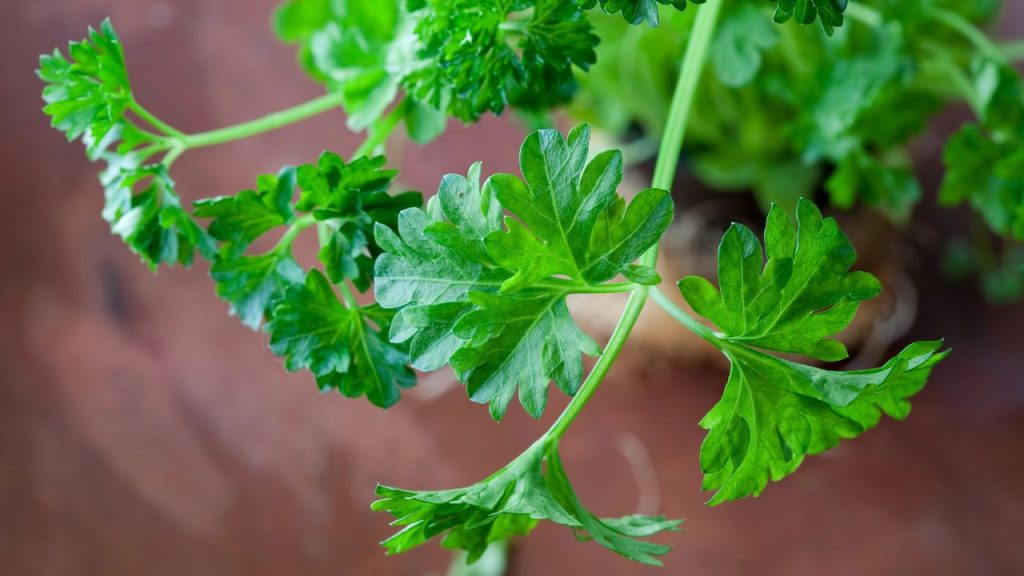
Parsley is great for homestead gardens. It is a beginner-friendly plant that is more forgiving than other herbs and can grow easily in many conditions.
- USDA Growing Zones: 2 to 11
- Propagation Method: Cutters generally do well in soil
- Sun Requirements: Full sun is ideal for full growth
- Soil Type: Moist soil with a pH of 6.0 to 7.0
- Height: Normal height is around 9 to 12 inches tall
ZZ Plant
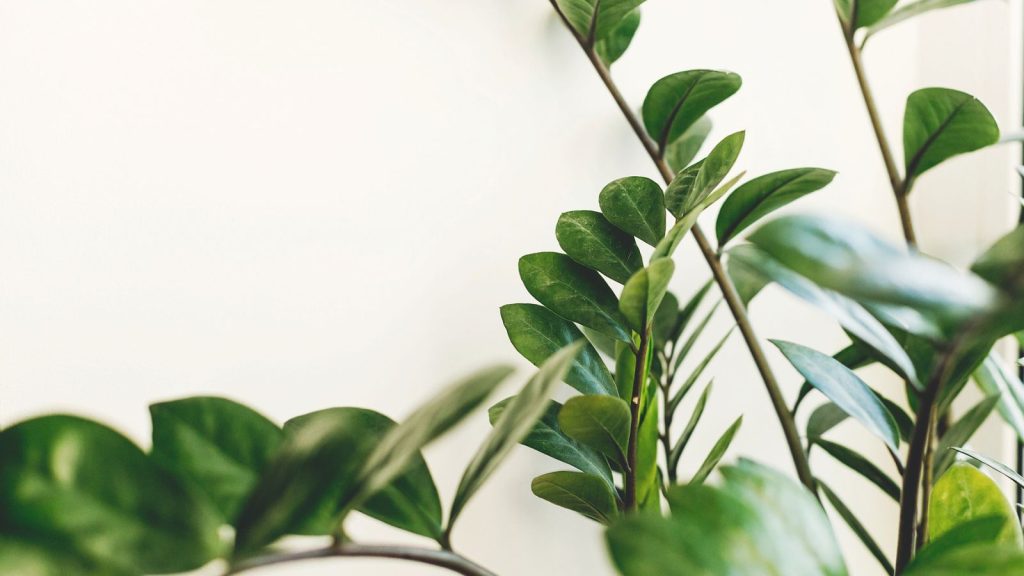
The ZZ plant is an excellent choice for growing from cuttings, thanks to its thick, waxy leaves and strong root system. Known for its resilience and low-maintenance care, this plant thrives in a variety of indoor conditions.
One reason the ZZ plant is so easy to propagate is its ability to store water in its stems and leaves, allowing it to tolerate dry periods. Propagating it from cuttings is a simple way to expand your collection or share this hardy plant with others.
Penstemon

With its tubular blooms in shades of pink, purple, and red, penstemon is a magnet for hummingbirds and bees. Penstemon is easy to propagate from cuttings, allowing gardeners to expand their collection without relying on seeds. This hardy perennial is also deer-resistant, making it a great addition to wildlife-friendly gardens.
Basil

Few herbs are as easily recognized or smell as heavenly as basil plants, so they are popular in home gardens for fresh dish preparations.
- USDA Growing Zones: 4 to 10
- Propagation Method: Easily propagated in water
- Sun Requirements: Full sun to partial shade
- Soil Type: Moist to semi-dry with a pH between 6.0 and 7.0
- Height: Up to 3 feet tall, though usually smaller
Rosemary
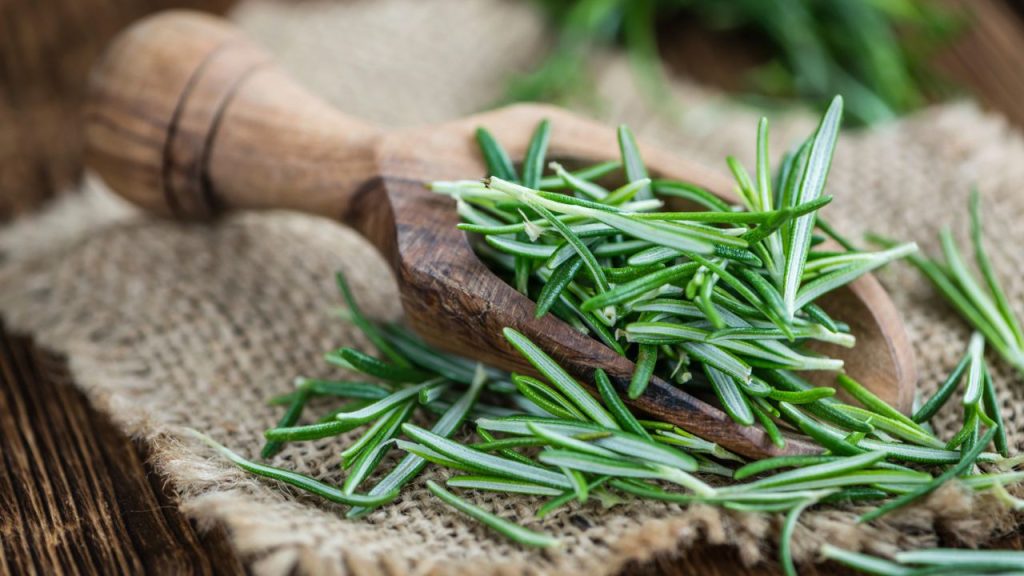
You can easily propagate rosemary from fresh batches bought at the grocery store.
- USDA Growing Zones: 7 to 10
- Propagation Method: Cutting can root in water or soil
- Sun Requirements: Full sun with maximum daylight exposure
- Soil Type: Tolerable of multiple soil types with pH 6.5 to 7.0
Clematis

Clematis has striking, vivid purple flowers. This sun-loving perennial prefers moderate watering and well-drained soil. Once established, it rewards gardeners with a breathtaking display year after year.
Clematis is easy to grow from cuttings. All you need to do is remove a few stems with new growth, remove leaves, and then prep them to be planted in water.
Dill

Dill is one of the most popular herbs because it is flavorful and very easy to propagate for beginning gardeners and homesteaders.
- USDA Growing Zones: 2 to 11
- Propagation Method: The ideal rooting method is water
- Sun Requirements: Full sun or some morning shade is ok
- Soil Type: Well-draining, rich, pH level of 5.5 to 6.5
Oregano

Oregano is quite popular among lovers of Italian cuisine and can easily be propagated for your gardens.
- USDA Growing Zones: 4 to 10
- Propagation Method: The recommended method is soil
- Sun Requirements: Full to partial sun is ideal
- Soil Type: Moist and organic soil with a pH of 6.5 to 7.0
Mint (Mentha)

With its refreshing flavor, Mint is a delightful addition to teas and beverages and enhances the taste of salads and various dishes. It may be one of the best propagation plants.
- USDA Growing Zones: 3 to 8
- Propagation Method: Cuttings are best rooted in water
- Sun Requirements: Full sun; can handle partial shade
- Soil Type: Well-drained but moist with a soil pH of 6.0 to 7.0
Lavender

Lavender makes a wonderful tea and other drinks. It can also be used as a natural air freshener for the home.
- USDA Growing Zones: 5 to 10
- Propagation Method: Can be rooted in water or soil
- Sun Requirements: Full sun is ideal for best growth and flowers
- Soil Type: Requires well-drained soil between pH of 6.7 and 7.3
How to Make Lavender Infused Oil
Monstera

Monsteras, or Swiss cheese plants, are known for their large, holey leaves and ability to adapt to all lighting conditions. They add a bold, tropical feel to any space and are known for their air-purifying qualities. Easy to care for, Monsteras are perfect for anyone looking to make a statement with their indoor plants.
Propagating a Monstera from cuttings makes it easy to expand your collection and share this statement plant with others.
Sage (Salvia Officinalis)

Culinary sage is a great herb to keep on hand when you want a unique, surprising, and tantalizing flavor for your homemade dishes. It can be easily propagated from cuttings.
- USDA Growing Zones: 5 to 8
- Propagation Method: Roots fine in soil and water
- Sun Requirements: Full sun is the best, but can tolerate mild shade
- Soil Type: Sandy or loamy and well-braining soil with a pH of 6.0 to 7.0
17 Companion Plants to Grow Next to Sage for Healthier, Larger Crops
Dianthus (Dianthus spp.)

Dianthus is easy to propagate from cuttings.
Lemon Balm

This herb is perfect for brewing both hot and cold teas. It offers a soothing remedy for stomach discomforts, such as bloating and indigestion, and has a calming effect on the mind.
- USDA Growing Zones: 3 to 7
- Propagation Method: Recommended to root in soil
- Sun Requirements: Full sun, partial shade
- Soil Type: Well-drained fertile soil at a pH of 6.5 to 7.0
- Height: Up to 3 feet tall
How to Make Lemon Balm Lip Balm for Cold Sores
Gardenia

Known for its large, creamy white flowers and exquisite fragrance, Gardenia is an ideal plant for propagation. It requires full to partial shade, high humidity, and well-drained acidic soil. Keep the soil moist and fertilize regularly for dark foliage and plenty of flowers.
The Prettiest White Flowers To Plant in Your Garden Now
Catnip

Give your feline friends a treat by incorporating
- USDA Growing Zones: 3 to 9
- Propagation Method: Can root well in soil or water
- Sun Requirements: Does best with full sun
- Soil Type: Well-draining soils at a pH between 4.9 and 7.5
- Height: If not cut back, it can reach 2 to 3 feet tall
Chrysanthemum

Chrysanthemums are perennials in zones 5 to 9 but are often grown annually in other zones. They require full sun and well-drained soil and bloom from late summer to fall. To best propagate from cuttings, use 4-6 inch stem cuttings.
Tarragon
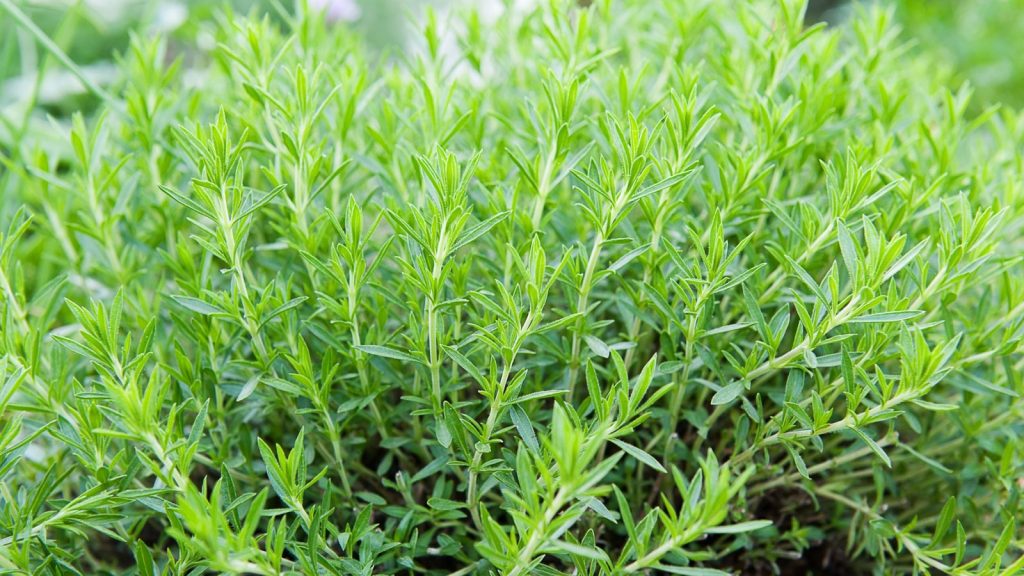
Tarragon is known for its earthy flavor and aroma, which people adore. It adds a whole new flavor to your dishes, especially when it’s fresh from the garden.
- USDA Growing Zones: 4 and higher
- Propagation Method: Does best in soil but can root in water
- Sun Requirements: Partial sun, partial shade
- Soil Type: Moist and light soil with a pH of 6.5 to 7.5
- Height: 2 to 3 feet tall
Aster
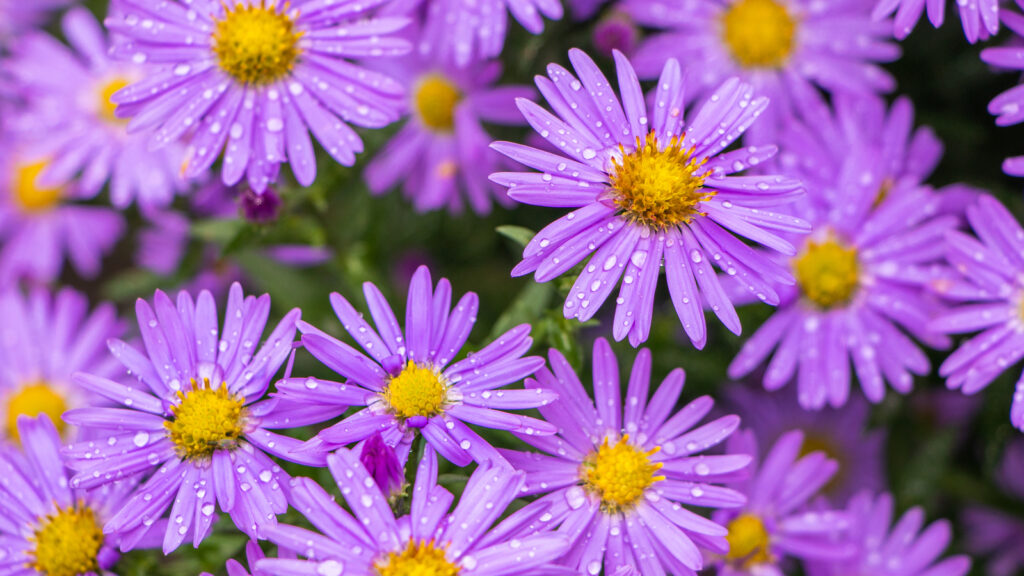
Asters extend the blooming season, bringing vibrant color to your garden late into the year. They thrive in full sun with moist, well-drained soil and benefit from regular watering and periodic division to maintain their health and vibrancy. Zones 3-8
16 Gorgeous Wildflowers Perfect for Low Maintenance Gardens
Salvia

Known for its tall spikes of vibrant purple flowers, salvia adds color and texture to garden beds while attracting pollinators like bees and butterflies. It also makes a great plant to grow from stem cuttings.
One of its standout qualities is its drought tolerance, making it a low-maintenance option for those in dry or hot climates. Thriving in full sun, salvia requires little water once established and continues to bloom throughout the season.
Taking cuttings allows you to enjoy more of this beautiful, hardy perennial without the need to start from seed.
19 Flowers You’ll Adore If You Love Hydrangeas

If you’re a fan of hydrangeas and looking to expand your floral horizons, we’ve got a treat for you! Let’s take a look at some of the best plants and shrubs to grow alongside or instead of hydrangeas.
19 Flowers You’ll Adore If You Love Hydrangeas
8 Best Raised Garden Beds (What to Consider Before Buying)