Fleas can be a hugely annoying problem in your yard or garden, causing tiny bites that seem to itch forever! In addition, fleas also pose significant health risks to both pets and humans.
Fleas can transmit various diseases and parasites to humans and pets, such as tapeworms, typhus, and Bartonella. Flea bites can also lead to severe discomfort and cause allergic reactions in susceptible people. In cases of severe flea bites, intense scratching can lead to inflammation and secondary skin infections.
Getting rid of fleas in your yard is often not all that straightforward, as it requires multiple methods to break the lifecycle and stop new insects from entering the yard. Many wild animals will carry adult fleas on their bodies, and the eggs and larvae can linger in overgrown spots long after their host animal has left.
Here are some steps you can take to eliminate fleas from your yard. Each method is designed to target different stages of the flea life cycle, offering options for both immediate relief and long-term prevention.
Lawn Trimming and Mowing

Fleas lurk in tall grass, waiting for a new host—human or animal—to pass by. Keeping grass short and removing overgrown vegetation reduces their habitat, so make sure to mow the lawn regularly, especially in shady areas, and dispose of grass clippings promptly.
12 Ground Cover Plants You Can Grow Instead of Grass
Diatomaceous Earth

Food-grade
Repellent Herbs
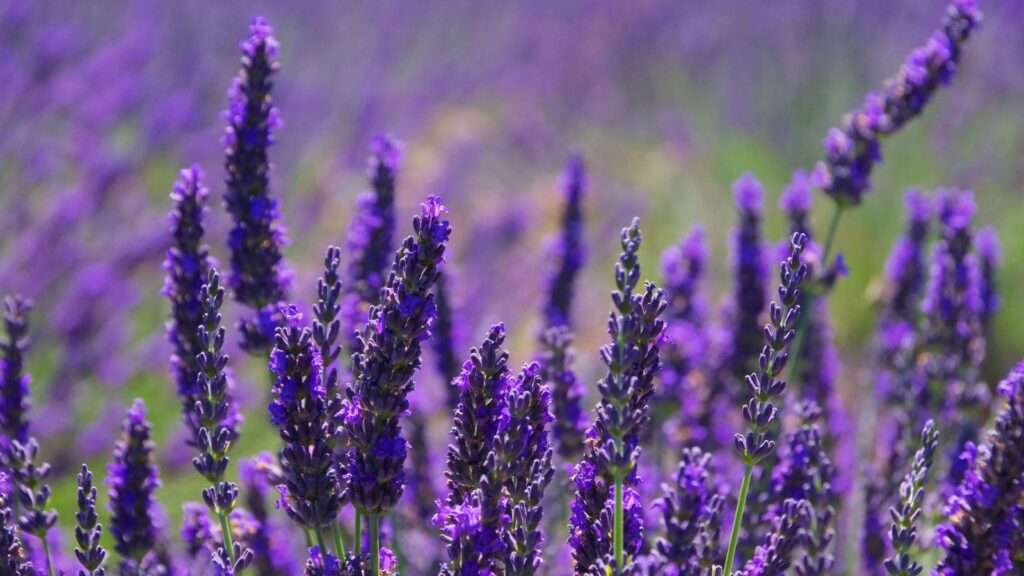
The strong scents of plants like lavender, eucalyptus, and rosemary naturally repel fleas from outdoor spaces. Plant them strategically around your yard or in pots near outdoor living areas, and crush leaves occasionally to release a burst of scent.
18 Most Fragrant Flowers That Add Sweet Scents to Any Garden
Natural Predators

Some garden visitors have a huge appetite for fleas and will get rid of huge numbers of them in a short space of time. Many species of ants, spiders, and birds will eat fleas, so create a home for nature in a corner of your yard to attract this pest control army.
How to Get Rid of Massive Ant Hills in Your Yard
Leaf Litter Removal

To keep fleas away from outdoor seating areas, make sure to sweep away leaves and fallen debris regularly. Dispose of these in a corner of your yard away from humans and pets for wild animals to enjoy.
Essential Oils

Essential oils like peppermint, citronella, or eucalyptus can be diluted and sprayed around outdoor seating areas to repel fleas. Reapply after rain or as needed, and never use essential oils directly on pets without following the recommended dilution protocol first.
Insecticidal Soap

A mixture of insecticidal soap diluted in water can be sprayed directly on areas of the yard where flea populations are known to lurk. This mixture will disrupt the pests’ cell membranes and kill them on contact. Apply the spray on a dry day and reapply after rain, taking care to avoid spraying plants that are sensitive to soap.
High-pressure Washing

Flea eggs and larvae can hide in tiny crevices, waiting to emerge as adults as soon as the weather conditions are favorable. Use a high-pressure washer to clean outdoor furniture, pet houses, and play structures where fleas can hide, focusing on cracks and crevices where eggs and larvae may be lodged.
Vinegar Spray

Vinegar is highly acidic and will kill flea larvae on contact. The strong lingering smell is also effective at repelling adult fleas.
Wild Animal Management

Raccoons, foxes, and coyotes all carry fleas and can increase the number of these biting insects in your yard. Ensure your yard is securely fenced and keep pets away from areas where wild animals have been present.
Create A Drought-Tolerant Garden

Like most animals, fleas need moisture conditions to survive. If you live in an area prone to drought, grow plants that tolerate dry conditions to reduce watering needs. This will encourage biting insects to move elsewhere in search of their preferred habitat.
Beneficial Nematodes
Beneficial nematodes are microscopic organisms that naturally prey on flea larvae in the soil. They are mixed with water and sprayed onto bare earth and grassy areas and should be reapplied regularly, usually every few months. It is vital to only apply nematodes in gardens where chemical pesticides are not used, as these can kill nematodes as well as the target pest.

Kate Chalmers
Kate is a passionate gardener who has a keen interest in all things related to homesteading and sustainability. She resides in Portugal with her husband and menagerie of animals and has over 15 years of experience in the UK veterinary industry. In 2020, Kate and her husband took on a dilapidated Portuguese house and abandoned olive grove, turning it into an abundant food forest and home for nature.
Life on the homestead is never the same from one day to the next, and Kate has mastered many skills that she is keen to pass on to anyone with an interest in becoming more self-sufficient. Kate believes that living a sustainable lifestyle is the key to happiness and fulfillment and that everyone can make simple changes that connect us back to nature and reduce our impact on the planet.