

The terms “prepper” and “hoarder” are often misunderstood and mistakenly used interchangeably, but they represent two very different mindsets and approaches. Prepping is about planning ahead for potential emergencies or disasters, focusing on sustainability, organization, and responsibility. It involves acquiring the skills, knowledge, and resources needed to ensure self-reliance in tough situations.
While both preppers and hoarders may accumulate supplies, their motivations and methods couldn’t be more different. Preppers carefully manage and maintain their stockpiles, ensuring items are usable and protected from risks such as pests and damage. In contrast, hoarding is often driven by panic or impulse, leading to disorganized and excessive accumulation without a clear plan.
Despite the distinction, preppers are sometimes unfairly labeled as hoarders, especially during times of crisis. However, prepping is a thoughtful, ethical, and practical way to prepare for the unexpected. Like an insurance policy, prepping provides peace of mind—you hope you’ll never need it, but if you do, you’ll be ready.

Defining a Prepper
A prepper is someone who proactively plans for potential emergencies, disasters, or other apocalyptic events.
Prepping involves acquiring knowledge, skills, and resources to ensure self-reliance and the ability to endure difficult circumstances. Prepping focuses on sustainability, organization, and community responsibility.
Defining a Hoarder
A hoarder, in contrast, accumulates items excessively and often compulsively, without a clear plan or purpose.
This behavior is typically driven by anxiety or fear of scarcity, leading to disorganized and impractical stockpiling. Hoarding can result in wasted resources and clutter that serves no real purpose.
Plan Ahead for Specific Scenarios
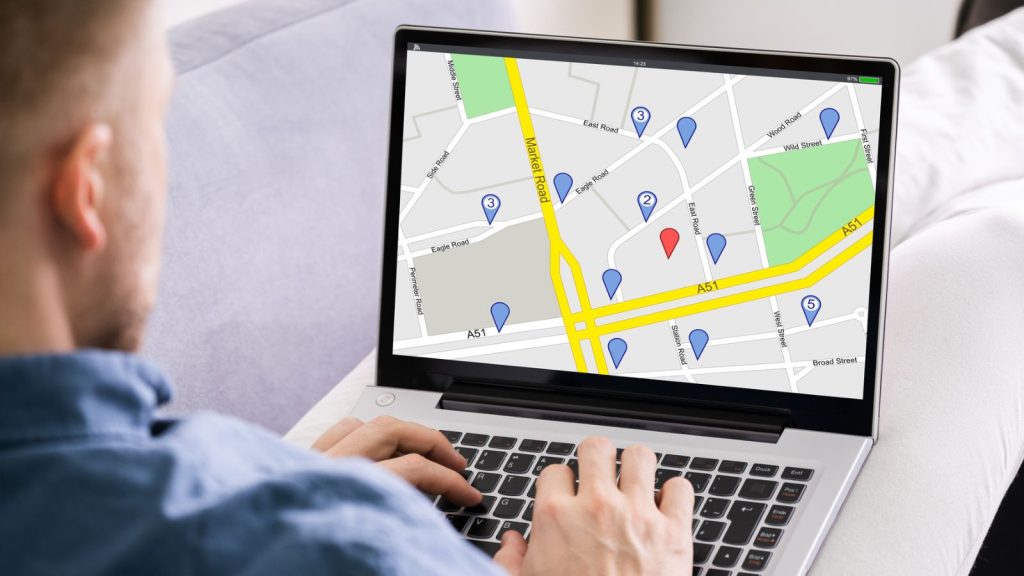
Preppers carefully consider the challenges they might face in different survival situations. From preparing for natural disasters, economic instability, or food shortages, they create detailed plans to ensure they are ready for specific scenarios.
This often includes mapping out evacuation routes, identifying safe locations, and learning essential skills for a wide range of potential emergencies.
Stockpile Necessities in Manageable Quantities Over Time

Rather than buying in bulk all at once, preppers gradually build their stockpiles over time. This ensures they have what they need without overwhelming their storage space or finances.
This also allows preppers to better maintain a sustainable balance of essentials like food, water, and other resources.
Rotate Supplies to Prevent Waste

Preppers regularly rotate their supplies to keep them fresh and usable. They use a “first in, first out” system, ensuring older items are consumed or replaced before they expire. This reduces waste and helps the stockpile remain ready when needed.
Emphasize Renewable Solutions

Sustainable practices are key to effective prepping. Preppers often focus on renewable resources like solar panels, water collection systems, and gardening for food production.
These solutions ensure a steady supply of necessities while reducing reliance on finite resources and minimizing environmental impact.
Seek to Minimize Dependency on External Systems

Preppers aim to reduce their reliance on external systems, such as grocery stores or utility services, by creating self-sufficient setups.
28 Ways to Live Sustainably and Reduce Dependence on Retail and Grocery Stores
Keep Inventory and Organize Their Stockpiles
A well-organized stockpile is a hallmark of effective prepping. Preppers maintain detailed inventories, tracking what they have and identifying what they still need. This organization ensures they’re always aware of their supplies and prevents unnecessary purchases or overlooked shortages.
15 Essentials Things Preppers Should Stockpile Besides Food And Water
Stockpile Within Reasonable Limits

Preppers accumulate only what is necessary to meet their needs, avoiding excessive stockpiling. They consider both their personal requirements and the availability of resources for others.
Avoid Contributing to Shortages

Preppers purchase supplies gradually over time to avoid causing shortages during critical periods. Their approach is measured and considerate of community needs.
Tend to Be Well-Versed in Ancient Skills
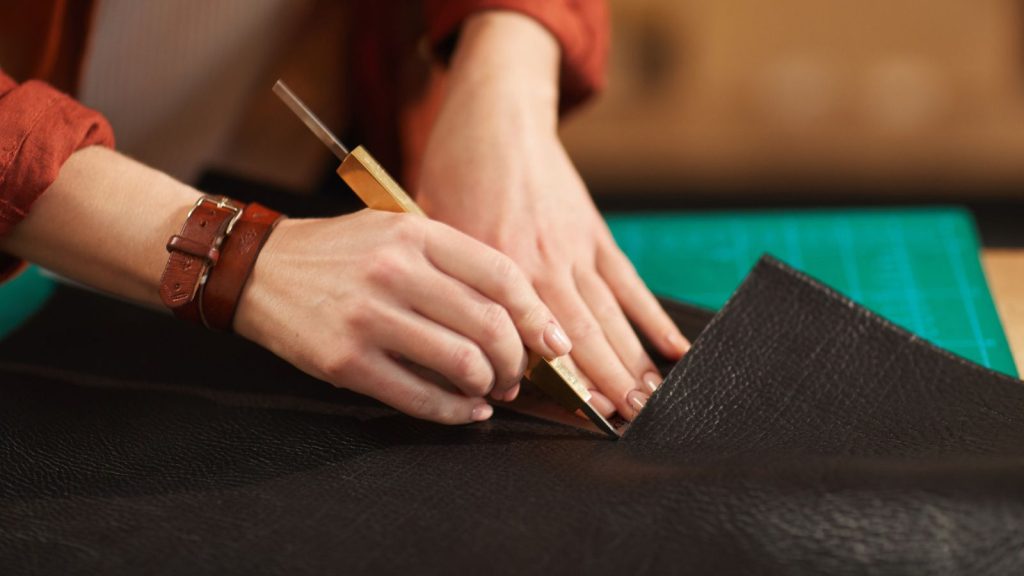
Preppers often invest time in learning traditional skills that are invaluable in survival scenarios. Skills like flint-knapping for creating tools, leatherworking for crafting durable items, and bushcraft survival techniques for thriving in the wild provide them with practical, hands-on knowledge that enhances their ability to adapt and thrive in any situation.
Declutter Regularly and Let Go of Unnecessary Items

Preppers routinely review their supplies and remove items they no longer need, ensuring their stockpile remains manageable and relevant.
Focus on Preparedness, Not Obsession

Preppers focus on practical preparedness rather than obsessive collecting. Their goal is to ensure safety and sustainability, not to build a collection for its own sake.
Take Pride in Their Preparedness

Preppers are proud of their well-thought-out stockpile, seeing it as a responsible and empowering effort, rather than something to feel embarrassed about.
Prepping Doesn’t Compromise Your Health
Prepping should never come at the cost of your well-being. Unlike hoarding, which can lead to health problems due to unsanitary conditions, smart prepping prioritizes a clean, safe environment. Most preppers’ supplies are well-maintained and do not cause discomfort or harm.
Community Responsibility

Preppers consider the needs of family, friends, or neighbors and plan to share resources or support others if needed.
They recognize the importance of community and often prepare with the needs of their family, friends, or neighbors in mind, fostering a cooperative approach to survival.
Are Preppers Hoarders?
From a prepper’s perspective, the answer is a clear no. While both groups may accumulate supplies, their intentions, methods, and outcomes differ significantly. A prepper goes out of their way to keep their supplies ready to be used in a heartbeat. They don’t want to risk their stockpiles being destroyed by pests, water, or anything else.
Preppers are sometimes unfairly labeled as hoarders, especially during crises when their well-stocked supplies become noticeable. However, prepping is fundamentally about responsible foresight rather than impulsive or selfish accumulation. Don’t blame a prepper for a toilet paper shortage.
Prepping is ethical, practical, and empowering. Prepping is like buying an insurance policy. You hope you never need to use it, but if something happens, you’re covered.
Key Characteristics of Hoarders:
- Acquire items impulsively, especially during crises.
- Lack of organization or practical plans for using stockpiled items.
- Accumulate supplies in quantities that exceed personal or reasonable needs.
- Contribute to shortages by overpurchasing during critical periods.
- Often struggle to let go of items, even when they’re unnecessary.
- Obsessive about their collections.
- Feelings of embarrassment or shame due to the stockpile.
- Supplies often spoil or are infested with pests, making them unusable.