

When gardeners find an unusual bug in the garden, the first thing we ask is, ‘friend or foe?’. Over 95% of insect species in our gardens are beneficial or harmless and should be left well alone to live their lives in peace. However, the potato bug beetle definitely falls into the category of sworn enemy!
Colorado potato beetles feed mainly on potatoes and other plants in the nightshade family – eggplants, tomatoes, and occasionally peppers. The damage is easy to spot. Some damage can be large, irregular holes in potato, eggplant, or tomato leaves, skeletonized or fully defoliated leaves, and stem, or slowed plant growth or wilting from excessive leaf loss.
If you’ve ever noticed your potatoes being devoured seemingly overnight by striped beetles, you’ve likely met the dreaded Colorado potato beetle. These tenacious pests multiply rapidly and are notorious for wiping out crops like potatoes, eggplants, and tomatoes.
How to identify potato bug beetles
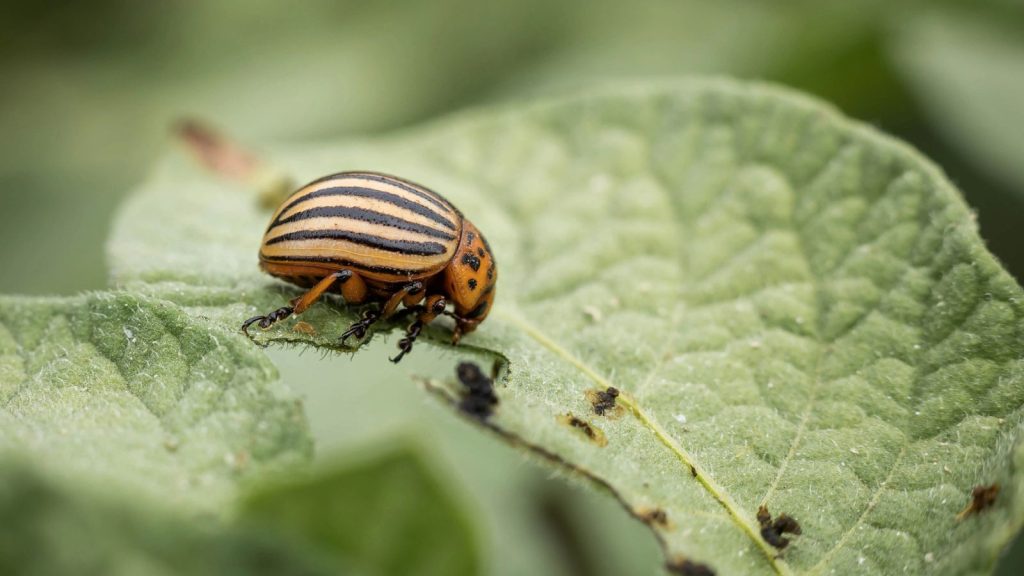
The potato bug beetle, aka the Colorado potato beetle, is very easy to spot. Being able to recognize this garden pest at all stages of life is essential when trying to get rid of them:
- Adult Colorado potato beetles: Around 3/8 of an inch long, with distinctive yellow-orange bodies and bold black stripes running down their backs. Normally found crawling on the tops of leaves.
- Colorado potato beetle larvae: Soft, plump, and reddish-orange with rows of black spots along the sides. They tend to cluster in groups on the undersides of leaves.
- Colorado potato beetle eggs: Bright orange-yellow, laid in clusters of 20 or more on the underside of leaves.
Adult potato bug beetles spend the winter hibernating under plant debris and in the soil. In late spring, they emerge and crawl onto the leaves of their host plants, where they begin feeding and laying eggs. These eggs hatch into larvae within one week, where they continue to devour leaves before pupating into adult beetles. Here are some ways to get rid of them:
1. Hand-pick beetles and larvae

Manual control can be a surprisingly effective, especially if you can catch the first few potato bug beetles before they have a chance to start laying eggs. Patrol your garden in the morning or evening when the beetles are less active. Look for adults and larvae and drop them straight into a bucket of soapy water.
2. Row covers

Place lightweight row covers over your potato, tomato, eggplant, and pepper plants to block beetles from laying eggs on the leaves. Plants in the nightshade family are self-pollinating and don’t rely on insects to set fruit, but give the stems and branches a gentle shake once flowers appear to help boost pollination.
3. Crush egg clusters

If you find a cluster of potato beetle eggs on the underside of a plant leaf, use a piece of cardboard to scrape them off. Doing this regularly is an effective way to reduce the number of future generations of beetles.
4. Neem oil

Neem oil acts as a beetle repellent and also inhibits the growth of larvae. Spray
5. Diatomaceous earth

Diatomaceous earth (DE) is a fine powder that kills soft-bodied insects by dehydrating them. Sprinkle it around the base of your plants, where it will kill larvae as they move into the soil to pupate.
6. Attract beneficial insects

My favorite kind of pest control – let other insects do the work for you! Insects like ladybugs, green lacewings, and spined soldier bugs feed on the eggs and larvae of potato beetles. Attract them into your garden by planting nectar-rich flowers such as sweet alyssum,
7. Till the soil in fall and spring

Although tilling is not great for soil health, there are some situations where it is unavoidable. If you’ve suffered from a potato beetle infestation, tilling the soil in fall and again in early spring disturbs beetles that are overwintering in the soil, helping to reduce emerging adult populations the following growing season.
8. Garlic or chili pepper spray

Blend
Exclusive Holiday Packages
All-inclusive tours to top American and European cities at huge discounts.
Grab Your Ultimate Garden Planner Printable
Take the guesswork out of gardening with this thoughtfully designed 48-page printable planner. It’s more than a planner—it’s your personal gardening companion.
$17 US
9. Encourage birds
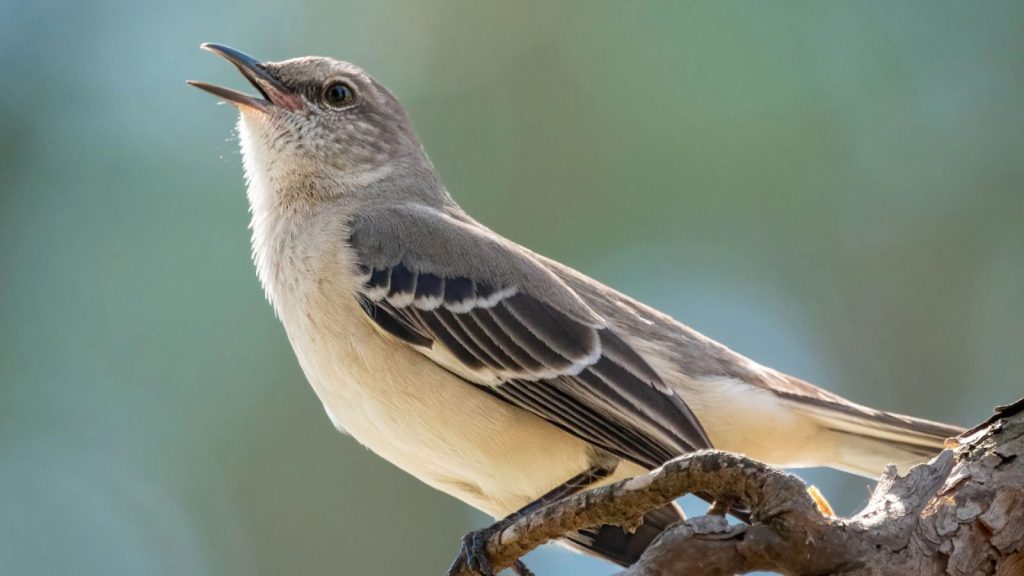
Many species of garden birds enjoy feasting on the larvae of garden pests, such as potato beetles. Hang feeders near your garden and leave some areas undisturbed for your flying friends to nest in peace.
10. Plant resistant varieties

Plants with hairy leaves can discourage potato bug beetles from feeding or laying eggs. If all your attempts to control Colorado beetles have failed, try growing these varieties:
- Potato: King Harry, Prince Hairy, Elba
- Eggplant: Korean Early Long, Dusky, Epic
- Tomato: Brandywine, Cherokee Purple, Supersteak
11. Chickens or guinea fowl

If your setup allows, let chickens or guinea fowl roam the potato patch every few days, where they’ll happily snack on potato beetles and larvae.
12. Mulch with straw

Field trials have shown that a thick layer of straw mulch can reduce potato bug beetle populations by making it harder for emerging beetles to find your plants. It also provides a hiding place for ground beetles and other natural predators that feed on larvae.
13. Use organic pesticides
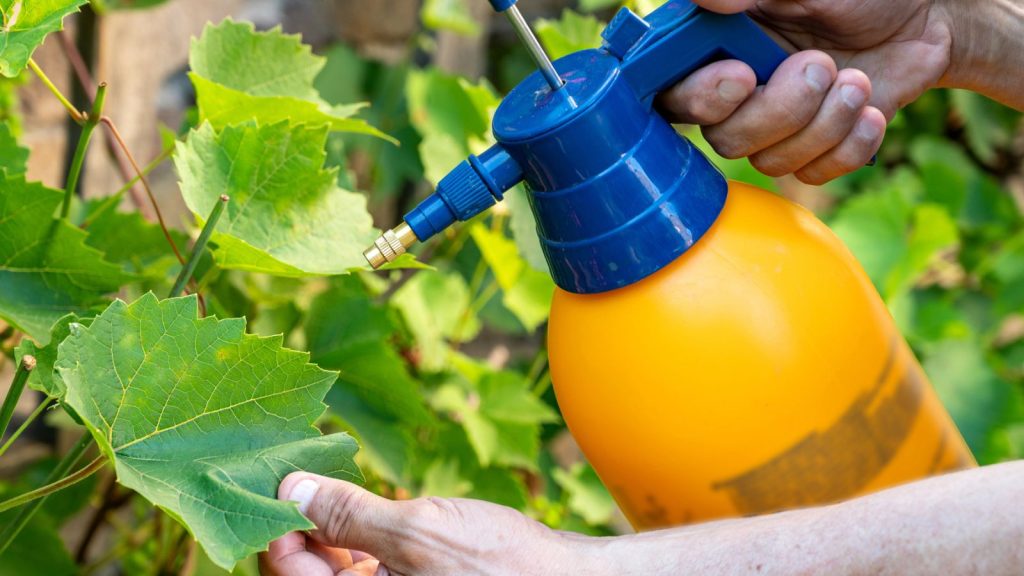
Organic growers have several options available for the control of Colorado potato beetles:
- Beauveria bassiana
- Bacillus thuringiensis
- Spinosad spray
- Nematodes
For each method, follow the manufacturer’s instructions carefully to avoid harming other beneficial insects.
14. Trap cropping

Plant an early crop of susceptible potatoes a few feet from your main patch. Once it’s crawling with beetles, remove and destroy all affected plants to divert attention away from your main harvest.
15. Kaolin clay spray

Kaolin clay forms a white film that makes it hard for beetles to grip or chew on leaves and discourages egg-laying. Mix kaolin clay with water and spray generously over your plants, making sure to reapply after rain.
16. Rotate crops

Colorado potato beetles rely on being able to find their host plant as soon as they emerge from the soil in spring. Avoid planting potatoes, tomatoes, or eggplants in the same spot year after year to disrupt the beetle’s lifecycle.

Kate Chalmers
Kate is a passionate gardener who has a keen interest in all things related to homesteading and sustainability. She resides in Portugal with her husband and menagerie of animals and has over 15 years of experience in the UK veterinary industry. In 2020, Kate and her husband took on a dilapidated Portuguese house and abandoned olive grove, turning it into an abundant food forest and home for nature.
Life on the homestead is never the same from one day to the next, and Kate has mastered many skills that she is keen to pass on to anyone with an interest in becoming more self-sufficient. Kate believes that living a sustainable lifestyle is the key to happiness and fulfillment and that everyone can make simple changes that connect us back to nature and reduce our impact on the planet.
Last-Minute Flight Deals
Grab incredible discounts on flights to New York, Paris, and London.