Cinnamon doesn’t just belong in cookies and lattes—it can also boost your garden’s health. From keeping pests away to helping seedlings take root, this simple spice has many practical uses. Here are 10 easy ways to use cinnamon around your vegetables and flowers.
Reduce Mosquito Populations

While cinnamon may not fully eradicate mosquitoes, it can help minimize their presence when used in conjunction with other repellents. Applying cinnamon powder around garden spaces can deter mosquitoes, especially in shaded or damp areas where they commonly breed.
Naturally Repel Garden Pests

Cinnamon serves as an effective, natural deterrent against a variety of common garden pests without introducing harmful chemicals. Sprinkling powdered cinnamon around your plants creates a protective barrier that irritates the sensitive noses of rodents such as mice, squirrels, and moles, prompting them to steer clear.
Get Rid of Massive Ant Hills

Ants are repelled and confused by the strong smell of cinnamon and will move their nest elsewhere. Sprinkle cinnamon powder over the top of ant hills and the surrounding area, reapplying regularly, especially after rain.
Improve Indoor Plant Health
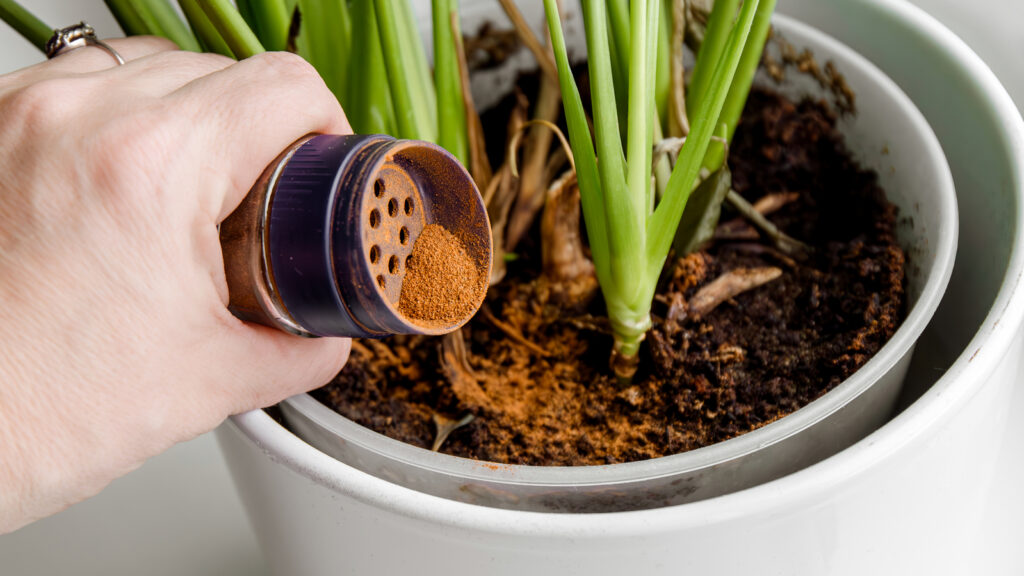
Indoor and greenhouse plants benefit significantly from cinnamon, as it helps prevent common pests such as spider mites and whiteflies. A thin layer of cinnamon on the soil surface deters these pests, reducing infestations.
Additionally, cinnamon helps control fungus gnats and prevents mold and mildew, keeping your indoor environment healthier.
Prevent and Control Damping Off Disease

Damping-off, a destructive fungal disease that affects seedlings, can be mitigated with cinnamon powder. Sprinkling cinnamon over the seed-starting compost creates an inhospitable environment for fungal pathogens, protecting vulnerable seedlings as they emerge.
Ward Off Plant Rust

Plant rust, identifiable by unsightly blotches and pustules, thrives when soil conditions promote fungal growth. Applying cinnamon directly to affected soil areas effectively halts the development of rust fungi at their source.
Discourage Mushroom Growth

While mushrooms indicate healthy soil, certain species may pose risks to pets and young children. Sprinkling cinnamon over shaded or damp garden spots can effectively suppress mushroom growth by inhibiting fungal activity. Regular application ensures safer outdoor spaces without resorting to chemical treatments.
Effective Fungicide

Cinnamon offers a natural and safe solution for combating fungal diseases, including powdery mildew, white and grey molds, rust, and slime molds. Regularly sprinkling cinnamon powder on soil surfaces inhibits mold growth, particularly in damp conditions.
Natural Antiseptic for Plant Wounds

Cinnamon acts as a natural antiseptic, beneficial in treating pruning cuts or accidental damage on plants. Sprinkling powdered cinnamon directly on fresh wounds prevents pathogens from entering and encourages healing.
Stimulate Root Growth in Cuttings

Cinnamon is a practical, eco-friendly alternative to commercial rooting hormones. When propagating plants from cuttings, dip the stem ends in cinnamon powder before planting them in the soil.
Cinnamon naturally promotes root development, though it’s advisable to apply it sparingly to avoid overly acidic or clogged soil.