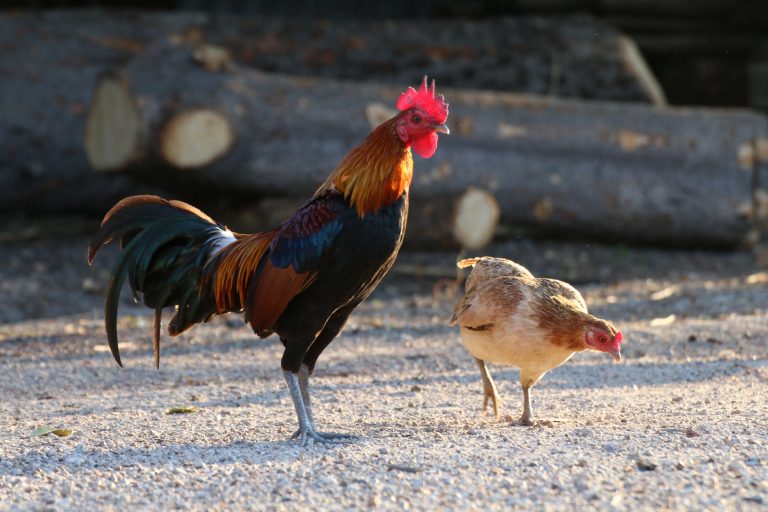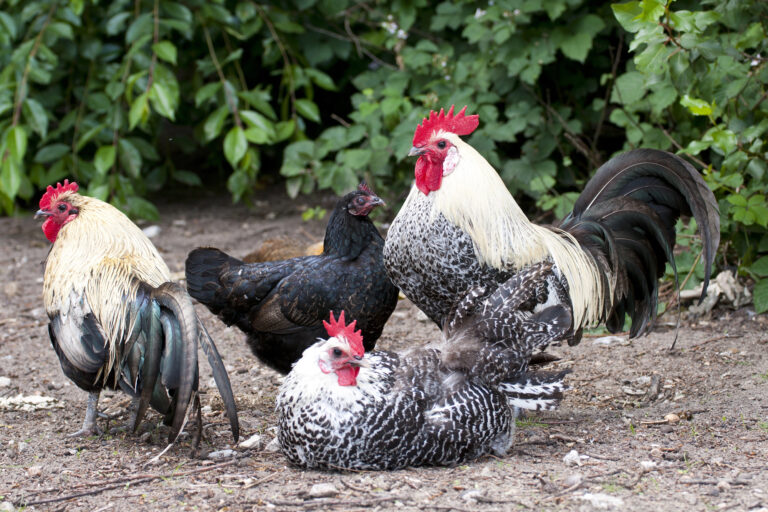



Chickens are funny, full of personality, and a joy to have around. But even the most well-meaning chicken keepers – including myself – can inadvertently do things that ruffle their feathers. Our little flock are creatures of habit and can be very sensitive, so even the slightest disruption can cause stress, squabbles, and sulky hens.
Over the years, we’ve learned a lot from our birds, sometimes the hard way! It’s now much easier to spot the subtle signs of unhappy chickens, and learning from our mistakes means we better understand how to rear a happy, harmonious flock.
So, if your hens are grumbling more than clucking, or the egg basket’s looking emptier than usual, it might be time to investigate some bad habits chicken keepers fall into. Let’s look at 15 things your chickens hate and discover how to keep your flock content, calm, and clucking with happiness.
1. Inconsistent feeding times

Chickens thrive on routine and can get stressed if they don’t know when they’ll next be fed. Suppose breakfast is normally at 8 a.m., but occasionally, you have a lazy morning and feed them at 10 a.m.
In that case, they’ll spend those extra two hours obsessively watching for their favorite human to arrive with breakfast. Consider investing in an automatic feeder if a consistent feeding schedule is difficult.
2. Boredom
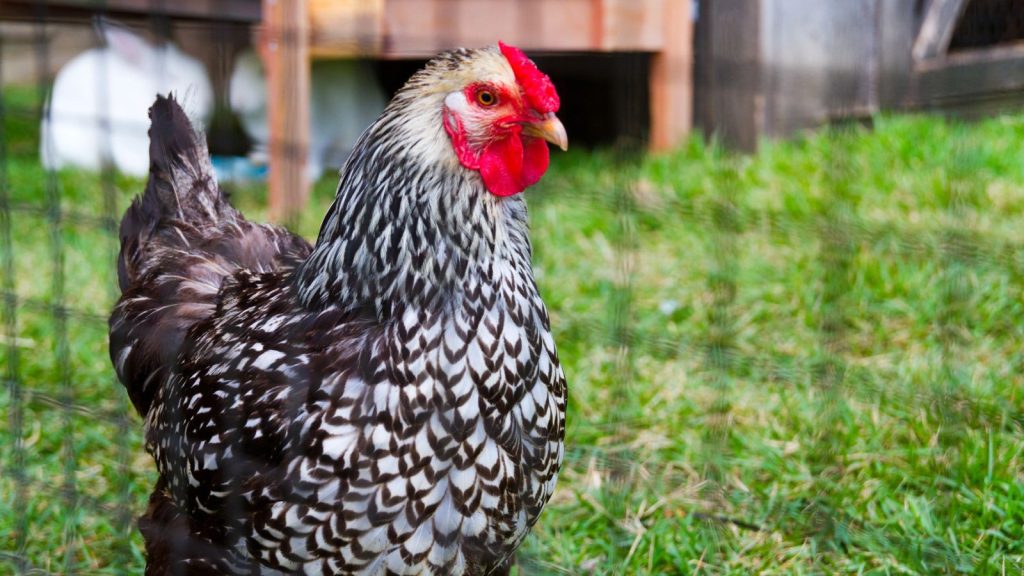
Chickens don’t just need food, water, and shelter – environmental enrichment is also vital to their happiness. A bored chicken is a destructive chicken, and without enough to do, they’ll develop unwanted behaviors such as feather pecking or eating eggs.
Foraging is a chicken’s favorite form of entertainment, but if this isn’t possible, then other forms of enrichment, such as hanging up vegetables, can keep them entertained for hours.
3. No personal space
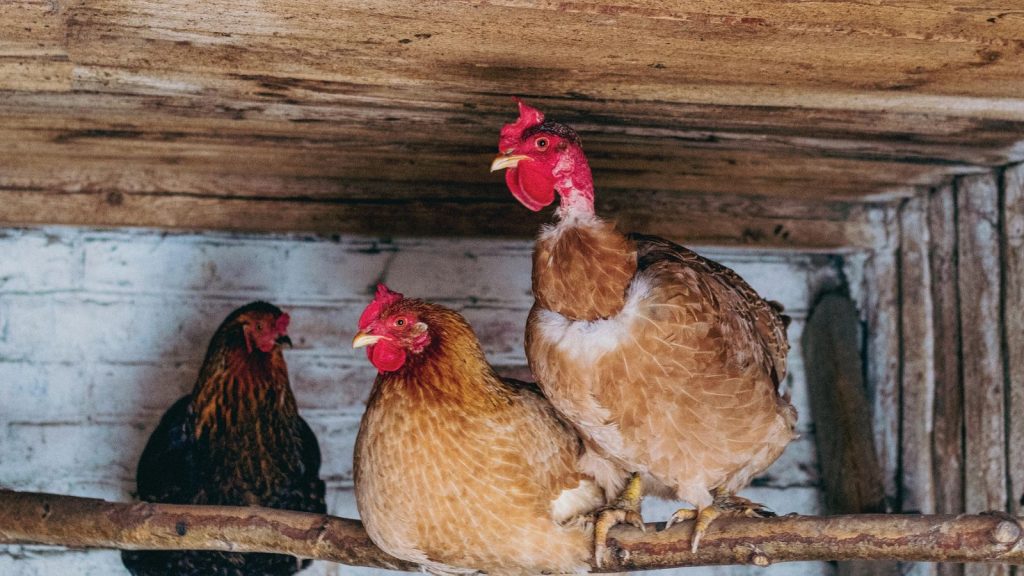
Overcrowding in the coop causes stress and fights, and respecting personal space is key to keeping the peace in the pecking order. Each of my hens gets at least 4 square feet inside the coop and 10 square feet in the run.
Adding vertical space with perches and platforms is a great way to provide each bird with the space they need.
4. Lack of privacy when laying

Chickens want to be part of the action 99% of the time, until it comes to laying eggs. Then they prefer complete privacy, so nesting boxes should be in a quiet location where they won’t be disturbed. Some chicken keepers even make cute curtains for their nesting boxes!
5. Scary noises
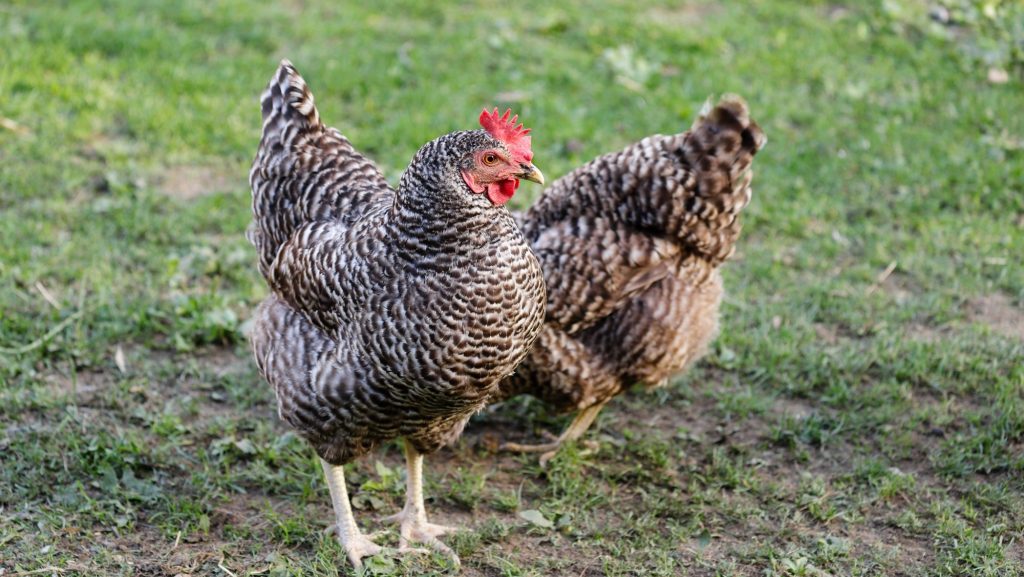
Sudden bangs, loud music, barking dogs, and noisy children – chickens hate it all. Even a dropped feed scoop can be enough to send my flock into a panicked flurry, until they realize there is spilled food on the ground!
A calm environment equals calm, happy chickens, so keep noise down near the coop and avoid mowing or using power tools too close.
6. No foraging opportunities
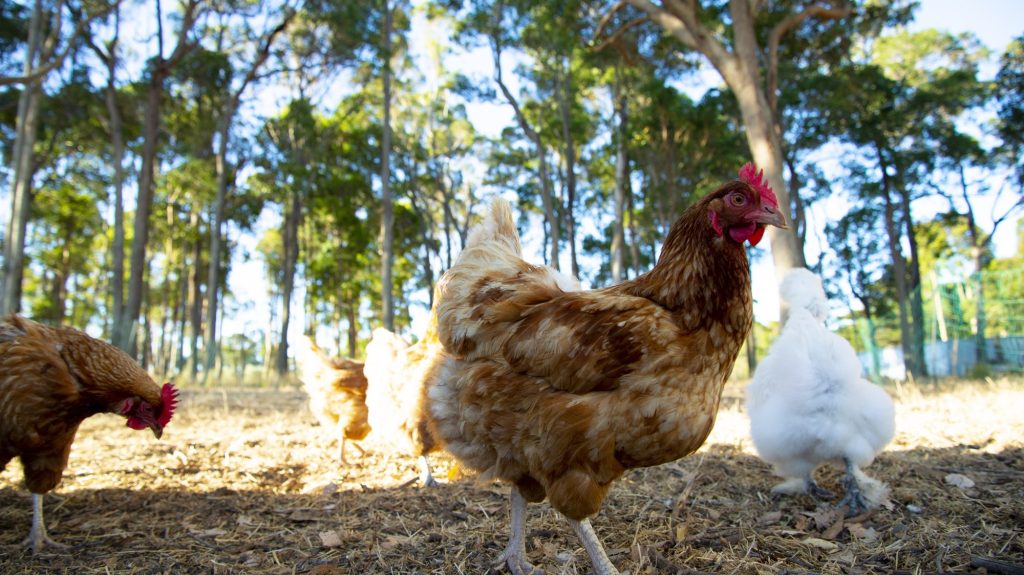
Not everyone is fortunate enough to have a free-range flock, but a lack of foraging opportunities can cause stress and boredom in hens.
If your run is completely bare without anything to eat, toss your hens some weeds and veggie scraps to scratch and peck through. A great idea I saw recently was a compost pile in the chicken run; the chickens were having a fantastic time digging around in it!
7. Inadequate shelter from predators

Chickens live in constant fear of predators and will be stressed if they feel unsafe. Make sure your flock is provided with a secure run and, if they free range, adequate shelter from overhead threats like hawks. Dawn and dusk are high-risk periods for foxes, weasels, and coyotes, so keep your flock safely locked in during these times.
8. Not providing fresh water daily
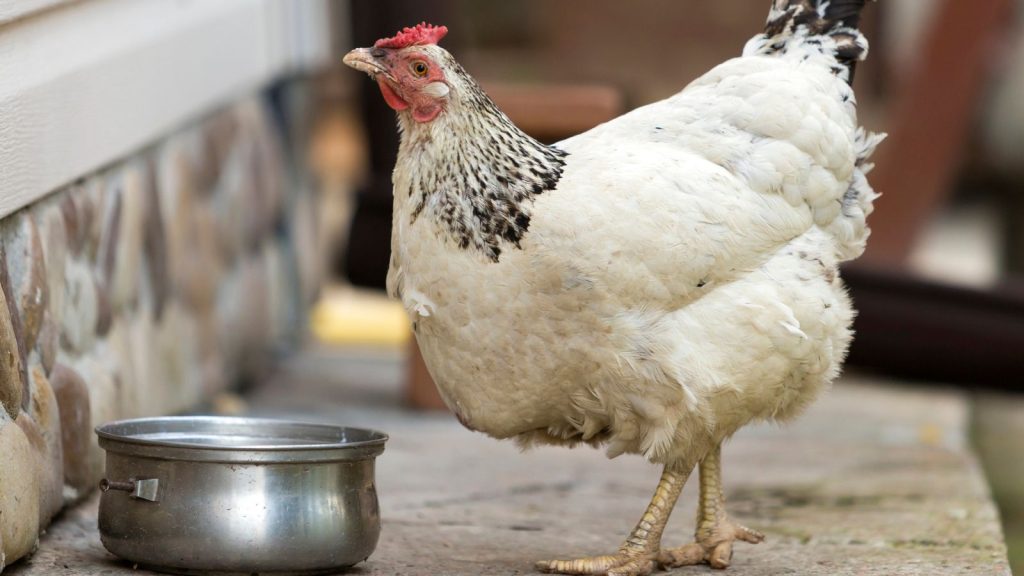
One rule I always stick to is providing my chickens with clean, fresh water every single day. The waterers are rinsed and refilled every morning without fail. In the summer, we do the same in the afternoon too, as chickens don’t like drinking warm water.
9. Leaving eggs uncollected for too long

One or two eggs in the nesting box won’t cause problems, but let them build up, and you’re asking for trouble. Not only will your laying hens find it uncomfortable to sit on a pile of eggs, but they could also cause breakages, leaving a sticky mess behind.
Nothing irritates our hens more than a dirty nesting box, so collect those eggs regularly and keep their favorite laying spot spick and span!
10. Using strong-smelling cleaners in the coop
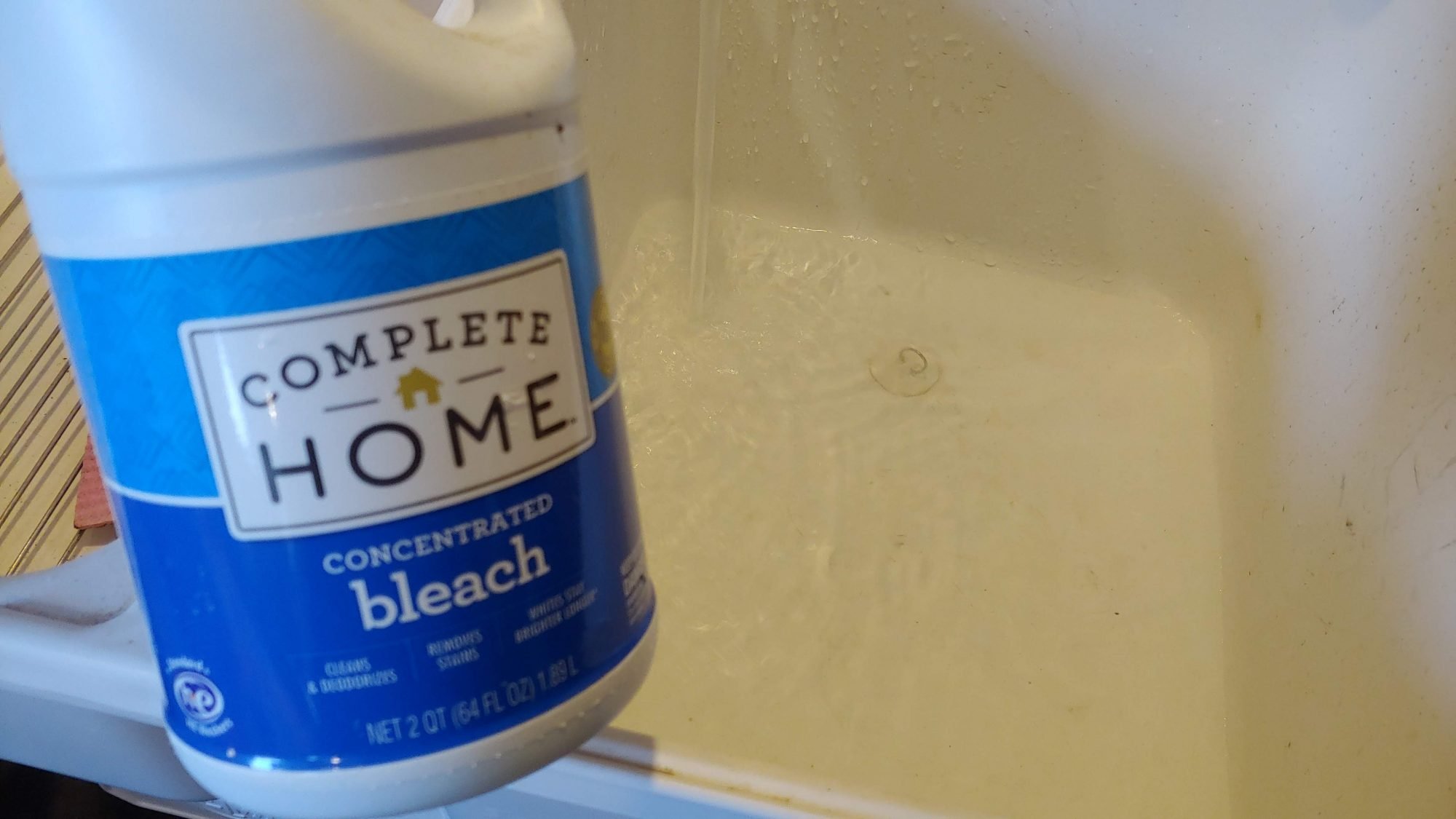
Bleach and other harsh chemicals can irritate a chicken’s sensitive respiratory system. If your coop hygiene standards are good and poop is removed regularly, it shouldn’t be necessary to use any strong-smelling cleaning products.
But should a deep clean be required, make sure to rinse and air things out well before the chickens return.
11. Introducing new flock members too quickly

Chickens don’t make friends easily, and adding new chickens without a slow introduction is a recipe for stress. When I add to my flock, I use a ‘look but don’t touch’ setup for a week, keeping new chickens in a separate pen where everyone can see and hear each other.
12. Handling them too much
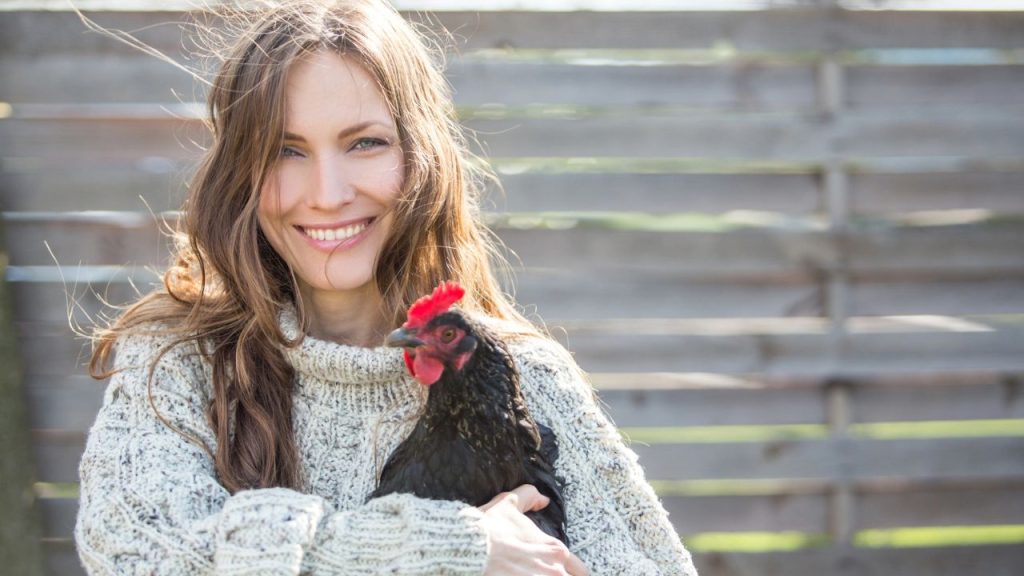
Try not to force your chickens to be handled, as it can make them even more skittish. To build trust and establish a strong bond, offer treats and let them come to you. Then, when they’re happy to hang out with you, build up to a gentle stroke and cuddle.
13. Forgetting to provide dust baths

A dust bath is like a spa day for your chickens, helping to keep them clean and parasite-free. They should dig a dust bath in any area of soft ground, but you can encourage them by providing dry soil mixed with wood ash and sand for a luxury spa experience.
14. Locking them in the coop too long in the morning

As soon as the sun rises, your chickens will hop down from their perches and wait to be let out. If they’re stuck in the coop too long, they’ll get restless, noisy, and grumpy with each other. Because we’re not up at the crack of dawn every day, we’ve installed an automatic door that lets our flock out into a predator-proof run at first light.
15. Skipping coop maintenance

A dirty coop causes unhappy, unhealthy chickens. A buildup of soiled, wet bedding not only releases pungent aromas but can also harbor pests such as mites and lice that make your chickens’ lives a misery.
Stick to a routine of spot-cleaning daily, adding fresh bedding weekly, and a full deep clean once a month.
The Best Animals to Raise on Your Homestead That Aren’t Chickens
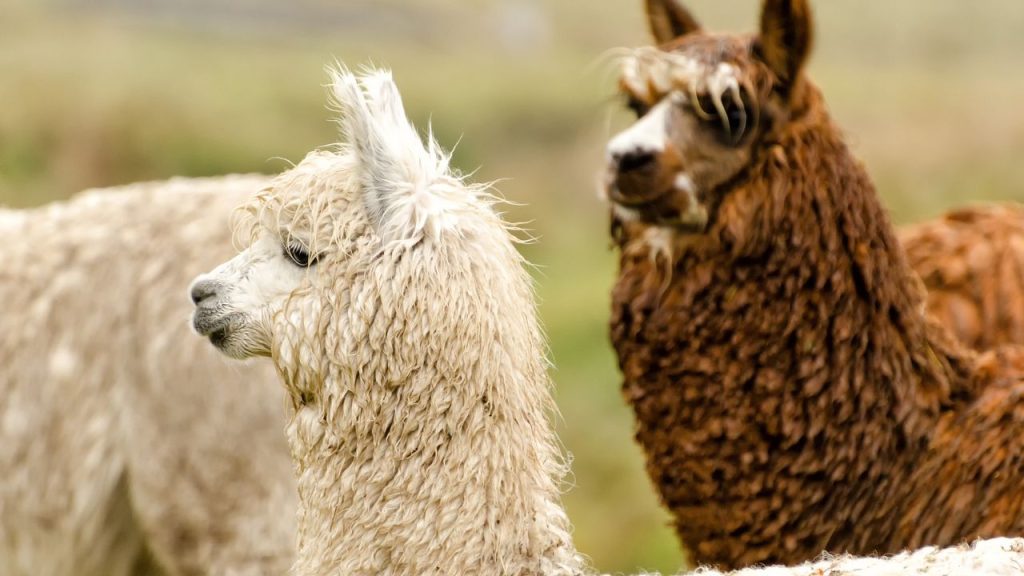
If you are looking for animals to raise on your homestead beyond chicken, here are 14 that we’ve rounded up.
The Best Animals to Raise on Your Homestead That Aren’t Chickens
19 Things You Should Know Before Getting Chickens

Before you jump into the world of chicken-keeping, there are a few essential things to know. Here’s our comprehensive guide of 19 essential tips to help you become a confident and successful chicken owner!
19 Things You Should Know Before Getting Chickens
How to Raise Your Own Chickens

Here’s a guide on how to raise your own chickens to lay eggs and eat meat.
How to Raise Your Own Chickens

Kate Chalmers
Kate is a passionate gardener who has a keen interest in all things related to homesteading and sustainability. She resides in Portugal with her husband and menagerie of animals and has over 15 years of experience in the UK veterinary industry. In 2020, Kate and her husband took on a dilapidated Portuguese house and abandoned olive grove, turning it into an abundant food forest and home for nature.
Life on the homestead is never the same from one day to the next, and Kate has mastered many skills that she is keen to pass on to anyone with an interest in becoming more self-sufficient. Kate believes that living a sustainable lifestyle is the key to happiness and fulfillment and that everyone can make simple changes that connect us back to nature and reduce our impact on the planet.