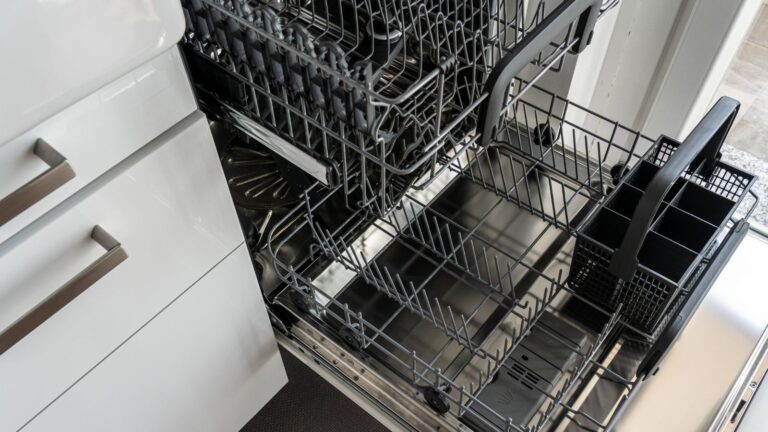

Basements are often the go-to spot for anything that doesn’t have a place upstairs—holiday decorations, forgotten furniture, off-season clothes, and everything in between. But while they may offer extra space, they’re not ideal for storing just anything. Between fluctuating temperatures, humidity, and pests, the basement can turn your prized possessions into moldy, musty regrets.
Here are a few things you should avoid storing in your basement.
Important Documents
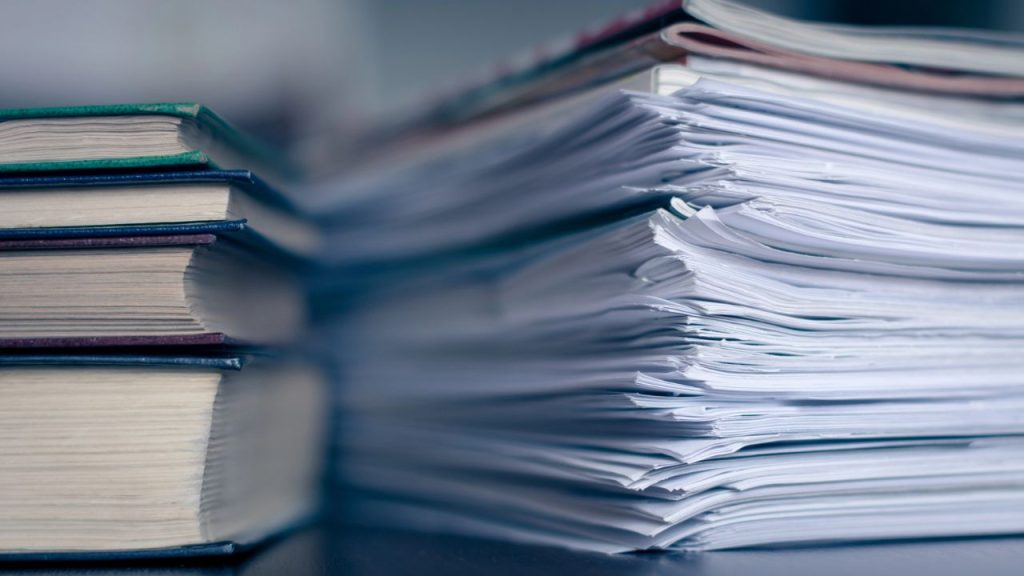
It may seem logical to store old paperwork in the basement, especially if you rarely need it. But moisture is a paper’s worst enemy. Humidity can warp pages, encourage mold, and even attract pests. For things like birth certificates, legal papers, or tax records, stick with a file cabinet in a dry room—or even better, a fireproof safe or safety deposit box.
Electronics

Those old gaming consoles or dusty DVD players may seem safe on a basement shelf, but electronics and damp air don’t mix. Moisture and temperature swings can damage internal components, leading to corrosion or malfunction. Keep devices in a temperature-controlled area if you ever want them to work again.
Perishable Food

Even if you’re tight on pantry space, your basement is not the place to stash fruits, veggies, or dairy. Basements often tend to be too damp or too cold, leading to spoilage, unpleasant odors, and unwanted pests. Stick to sealed, shelf-stable goods and store perishables in a refrigerator or a dedicated cool pantry.
Books

Books may seem like harmless items to store in the basement, but they’re highly vulnerable to moisture and humidity. Even in a finished basement, the air tends to be damp, which can lead to mold, mildew, and warped pages over time. If you’re keeping books for sentimental reasons or future use, it’s best to store them in a cool, dry place with controlled humidity.
Related: Time to Completely Ditch the Paper: Tips for a Clutter-Free, Paperless Home
Family Photos

Old photo albums deserve better than a dark, damp basement. Humidity can lead to moldy prints, warping, and fading of prints. Preserve those memories by storing photos in a dry, secure location, such as a bedroom closet or a sealed archival box tucked safely indoors.
Paint
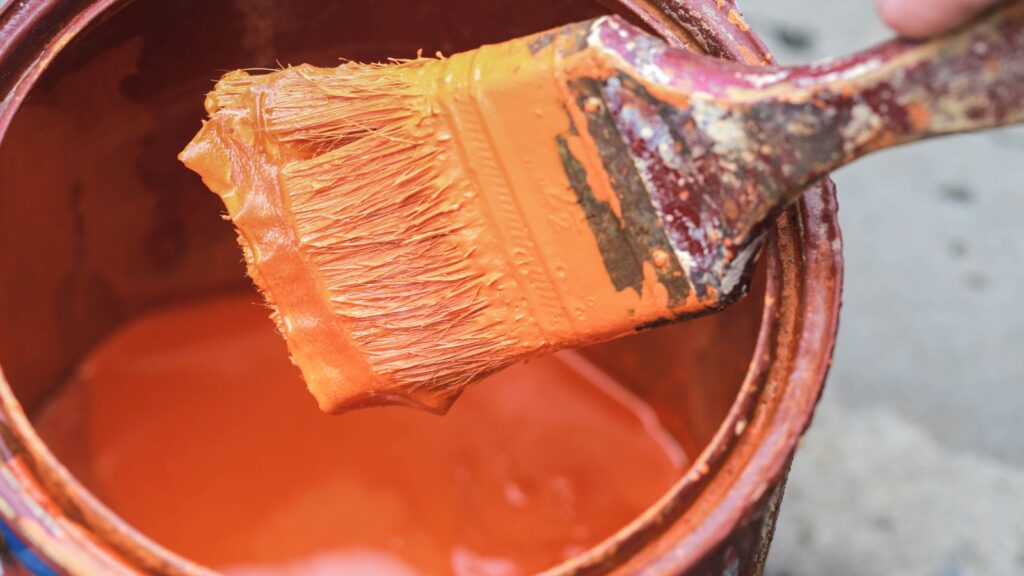
Tucking paint cans in the basement may seem like the obvious choice, but temperature swings can cause them to separate, dry out, or even freeze—ruining the paint completely. A cool, dry storage space like a utility room or garage shelf (if it doesn’t get too cold) is a better bet.
Wood Furniture

Wood and moisture are not friends. Storing wooden furniture in the basement puts it at risk of swelling, warping, and mold. Unless your basement is fully finished and climate-controlled, it’s best to keep wood furniture elsewhere—or wrap and store it off the ground in a dry space.
Seasonal Clothing
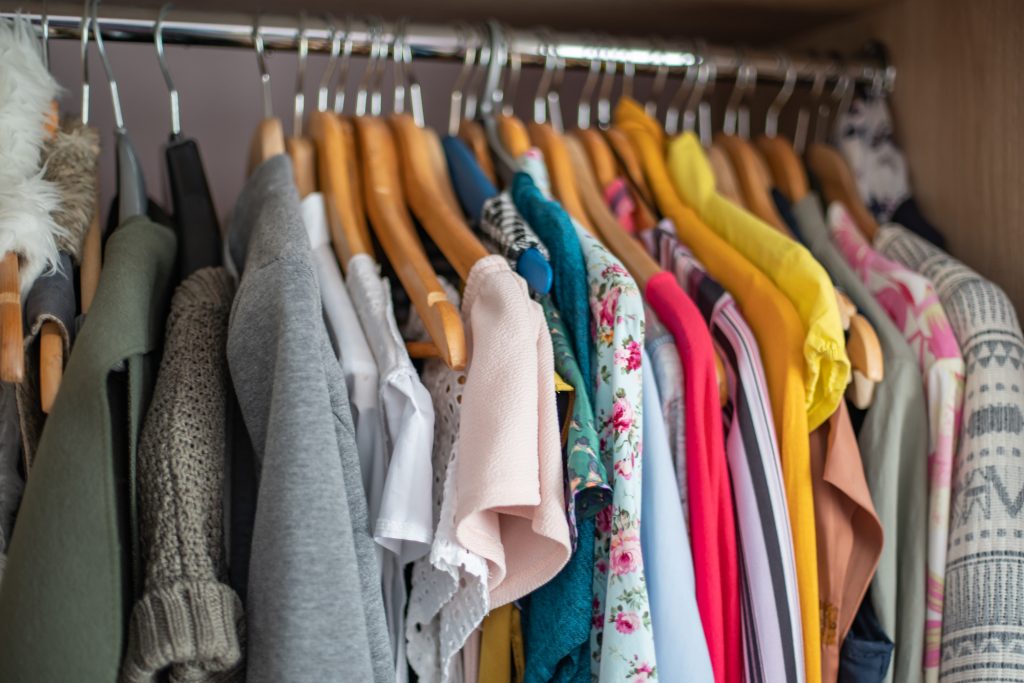
Basements might seem like the perfect place to stash off-season clothes, but the moisture and darkness can lead to mildew, musty smells, and even pest infestations. Instead, use vacuum-sealed bags or storage bins in a dry closet or under the bed to keep your sweaters and coats fresh and ready for next season.
Cleaning Supplies
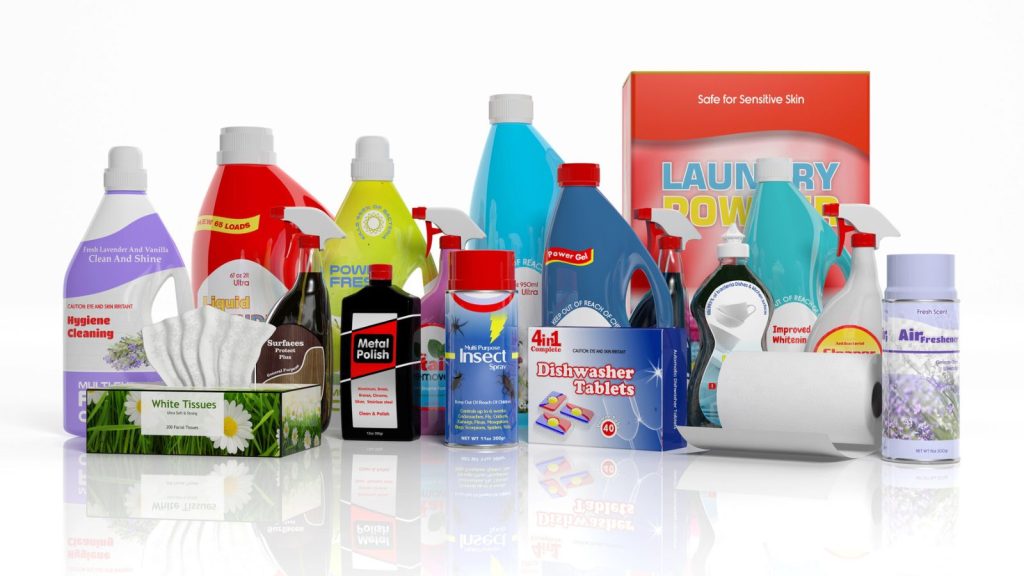
Household cleaners can become unstable if stored in freezing temperatures or humid conditions. Chemicals can degrade or react, potentially creating fumes or leaks. Keep cleaning supplies in a kitchen cabinet, laundry room, or another dry area with a consistent temperature.
Bicycles

It’s easy to assume your basement is a good place to park your bike for the off-season, but humidity can lead to rust, tire damage, and worn-out parts. A dry garage or shed with good ventilation is a much better long-term storage option if you want your bike to stay road-ready.
Musical Instruments

Instruments like guitars, violins, and pianos are especially vulnerable to moisture. Humidity can warp wood, rust metal parts, and damage delicate components. Store instruments in a dry, indoor room with stable temperature and humidity levels—bonus points for using a case or protective cover.
Antiques
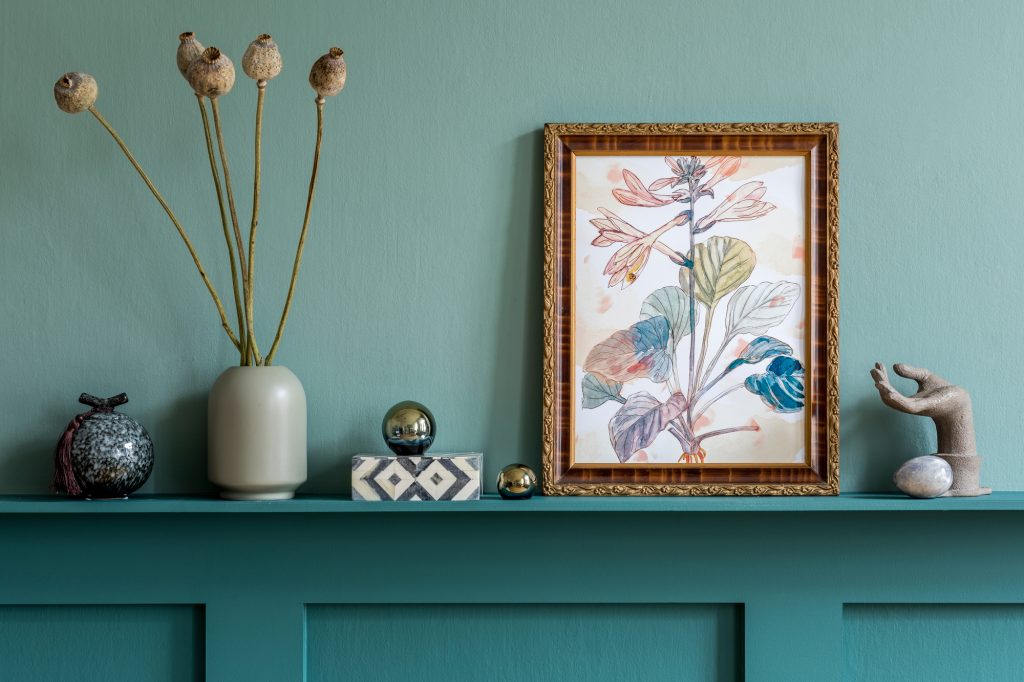
Antique items—whether it’s furniture, artwork, or collectibles—deserve special care. Basements expose them to potential water damage, pests, and mold. Preserve their value and condition by storing them in a clean, dry, and well-ventilated room.
Luggage
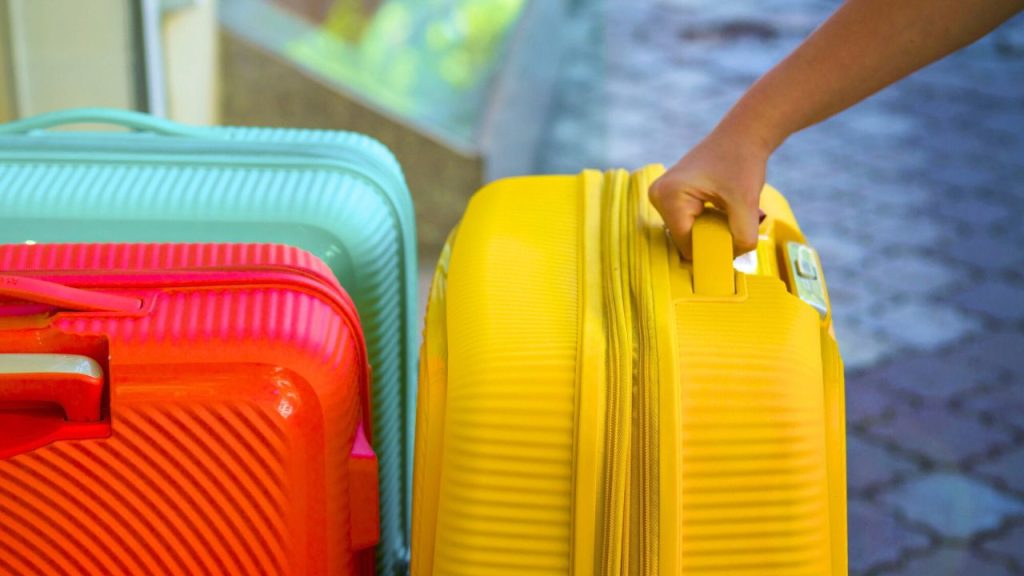
Tossing your suitcase into the basement may be convenient, but you’re likely to pull it out months later smelling like mold. Instead, store luggage in a dry closet or under-bed space. Clean it out before storing, and tuck a dryer sheet or cedar block inside to keep it smelling fresh.
18 Useless Items to Purge from Your Living Room

The living room is a space where friends and family gather, ideal for unwinding, watching movies, or engaging in conversations. Yet, with everyday use, it can easily become cluttered. To help you keep your space neat and inviting, here are 18 items you may want to consider clearing out to declutter and refresh your living room.
18 Useless Items to Purge from Your Living Room
25 High-Demand Crafts People Make Lots of Money Selling Online

From timeless traditions to modern handmade trends, these 25 high-demand crafts have proven to be bestsellers online. If you’re ready to turn your skills into a thriving business, these ideas might just inspire your next big success.
25 High-Demand Crafts People Make Lots of Money Selling Online