This post may contain affiliate links.

Share this post or pin it for later!

Sweet potatoes are one of the most satisfying crops to grow. They’re flavorful, easy to care for, packed with nutrients, and can last for months after harvest. But their impressive shelf life only happens if they’re handled and stored correctly. With the right steps, you can enjoy your homegrown sweet potatoes well into the winter and beyond. Here’s how to store them so they stay fresh, sweet, and ready to eat.

Cure for Flavor and Longevity
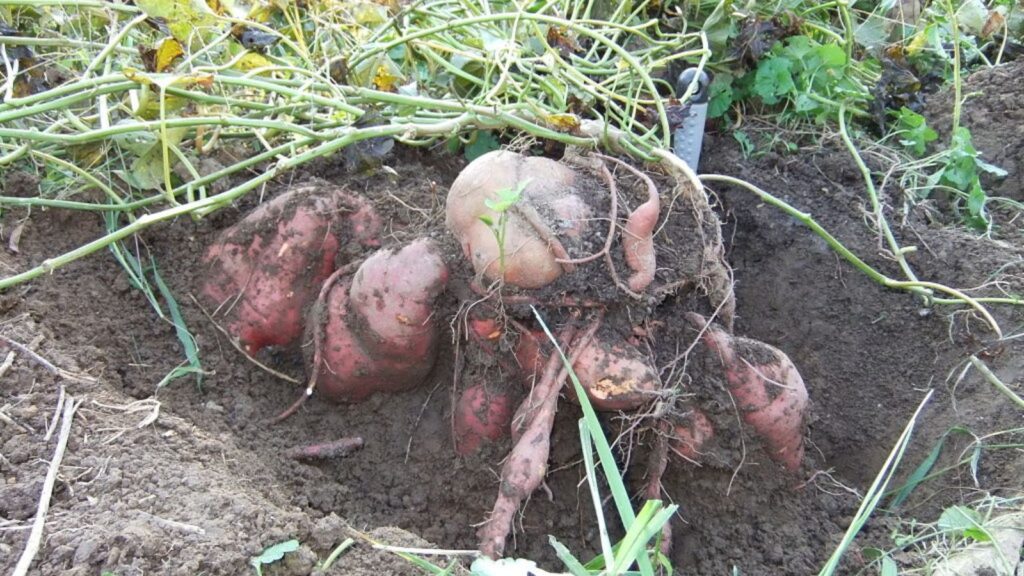
Sweet potatoes _exposed_-_DSCF7303
Image Credit: User: Vmenkov, CC BY-SA 3.0, via Wikimedia Commons

Sweet potatoes are bland when freshly harvested. Curing is what converts them to the sweet, creamy spuds we know and love. It also toughens the skin, allowing them to last for months without going bad. To cure them properly, keep them in a warm, humid (not wet) place for 7 to 10 days. The temperature should be around 85°F, with a relative humidity of 90-95%. 

Avoid Cold During Curing
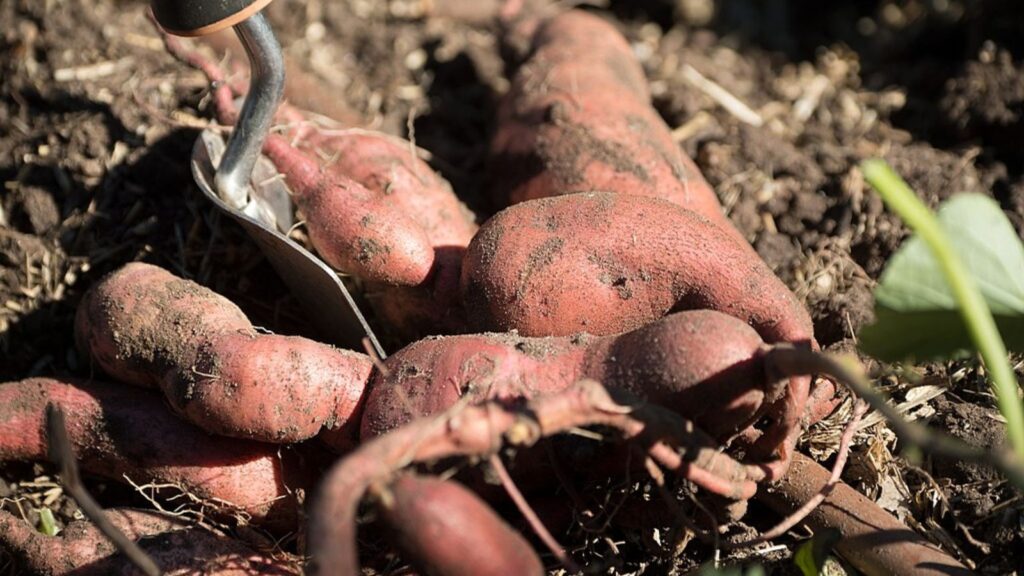
U.S. Department of Agriculture (USDA), Agriculture Marketing Service (AMS), Dairy Program Marketing Research Specialist John Galbraith helped possible future farmers harvest sweet potatoes during the USDA Farmers Market which celebrates the close of its 22nd season on Oct 27, 2017, in Washington, DC. The last market day featured live music from the U.S. Army Band, farm animal exhibits. Visitors were able to bowl with squash, help harvest and learn about sweet potatoes for donation DC Central Kitchen, pick and paint pumpkins, meet farm animals, shop for fresh picked local produce from the Chesapeake Bay Region, enjoy prepared foods, see live turkeys from Tall Cotton Farm, get a farm animal and veggie-themed temporary tattoo to wear, and shop for food inspired art work. .“VegU” Program Coordinators prepared and talk about a pumpkin curry soup recipe during free 10-minute fruit and vegetable classes at the “VegU(cation)” tent where people learned how to how to pick, store, and prepare pumpkin curry soup. Fruits and vegetables are featured during their peak harvest time..The USDA farmers market is located on the corner of 12th Street and Independence Ave, SW; features live music, 30+ farmers, ranchers, and small business owners in the Chesapeake Bay Region. .The festival played host to thousands of visitors from around America and looks to open May 4, 2018. For more information visit usda.gov/farmersmarket or follow @USDA_AMS on Twitter and Instagram using hashtag #USDAFarmersMkt. View photos of the market on Flickr. USDA Photo by Lance Cheung...PUMPKIN CURRY SOUP.Yields 8 cups.Prep Time: 1 hour | Cook Time: 20 minutes | Total Time: 1 hour 20 minutes.1 tbsp. olive oil.1 medium onion, finely chopped.3 garlic cloves, minced .3 lb. fresh sugar pumpkin .3 cups vegetable stock.1 tbsp. curry powder.1 tsp. chili powder.Salt and pepper to taste ..1. Preheat oven to 350° F..2. Remove pumpkin stem and slice pumpkin in half using a sharp knife. Remove pumpkin seeds and stringy innards with a spoon. Discard or save seeds to roast later on..3. Brush pumpkin halves with oil and place face down on a parchment-lined baking sheet. Bake for 45 minutes or until tender..4. Remove from oven and let cool. Separate pumpkin flesh from skin. Purée the pumpkin flesh in a blender or food processor. (Process to your preference of a smooth to chunky texture. See photo album for examples.).5. In a pot, heat onion and garlic over medium heat. Add vegetable stock, puréed pumpkin, curry powder and chili powder..6. Bring soup to a boil then reduce heat and simmer for 10.minutes. .Note: Each pound of sugar pumpkin should yield 1 cup of pumpkin purée...Adapted from © My Darling Vegan 2016..THIS WEEK VEGU IS ALL ABOUT PUMPKINS..Three different species in the Curburita genus are known as pumpkins (Cucurbita pepo, C. maxima, C. moschata). Pumpkins are typically planted in early summer and harvested in fall. Pumpkins can be stored for several months after harvesting due to their thick outer skin. There are countless different varieties of pumpkins grown in the United States ranging in size from 2 pounds to 100 pounds and in an array of colors including orange, yellow, green, and white. One of the most common pumpkin varieties used for cooking and baking is Sugar Pie (also known as pie pumpkins), which has thin skin and sweet flesh making it ideal for eating. .HOW TO PICK.Look at size. Choose pumpkins that feel solid and heavy for their size. Check for blemishes. Pick pumpkins that are unblemished, have consistent color and have the stems attached. .Feel for freshness. Press on the bottom of the pumpkin. If it is flexible or has several soft spots it may indicate that it is not as fresh. .HOW TO PREPARE.To cook a fresh pumpkin, first wash and dry the whole pumpkin. Remove the stem and slice the pumpkin in half using a sharp knife. Clean out the inside, removing the seeds and fibrous strings. Place the halves on a cookie sheet or tray and bake at 350º F for about 30-45 minutes depending on the size. Once cooled, peel off the skin using a knife and chop the pumpkin into cubes, or purée the flesh in a blender or food processor. Use cooked pumpkin purée or cubes in pies, cakes, baked goods, soups, and stews. .HOW TO STORE .Pumpkins require cool and dry conditions for best storage. Optimal temperature is between 50-55º F and humidity of 50-70%. If stored properly, certain varieties of pumpkin can last up to two months..Tip: Store cooked, cubed or puréed pumpkin for up to one week in the refrigerator. .Advice about freezing. Freezing pumpkin is a great option. To freeze, first roast pumpkin in the oven (as outlined on the other side of this handout) and place cooked cubes or puréed pumpkin into freezer bags. To freeze raw cubes, first peel the pumpkin skin and remove seeds and fibrous strings. Chop pumpkin into 1-inch cubes and store loosely in freezer bags. Frozen pumpkin can be stored for 9 months to 1 year. .FUN FACTS.•.Pumpkins originated in Central America and are botanically a fruit..•.At the first Thanksgiving feast in 1621, the pilgrims did not serve pumpkin pie, rather, they served stewed pumpkin..•.Pumpkins are members of the Cucurbitaceae family, which includes squash, zucchini, watermelon, cucumbers and gourds..•.Over 50,000 acres of pumpkins were harvested in the United States in 2014, producing 1.3 billion pounds of pumpkins..•.China and India are the world’s top pumpkin producers; U.S. is ranked fifth..•.Illinois is the top pumpkin producing state in the U.S. followed by California, Ohio and Pennsylvania..•.Pumpkin is an excellent source of beta-carotene, the precursor to vitamin A..•.99% of pumpkins grown in the U.S. are sold for decoration...
Image Credit: U.S. Department of Agriculture, Public domain, via Wikimedia Commons

Temperatures below 55°F can damage the tubers, causing the centers to be hard or produce unpleasant flavors. If you’re curing outside in a shed or garage, be sure to bring them inside as soon as temperatures begin to drop.

Only Store the Healthy Ones

sweet potatoes growing in ground
Image Credit: Deposit Photos

Inspect each sweet potato carefully and separate any ones with cuts, cracks, or bruises. If they’ve not gone bad yet, you should probably start eating those first. Only the firm, intact ones should be placed in long-term storage. There’s no point in letting a bad one spoil the whole bunch.

Store in a Cool, Dark, and Well-Ventilated Spot

sweet potatoes
Image Credit: Deposit Photos

Store your cured sweet potatoes in a cool, dark, and well-ventilated space, ideally in a location that maintains a temperature between 55°F and 60°F. You can keep them in the pantry, cellar, or low kitchen cabinet; those work great. However, ensure that your preferred storage space is dark and dry, yet with sufficient airflow to prevent excess humidity from accumulating.

Don’t Store in Plastic Bags or Sealed Containers

A DC Central Kitchen driver gleans unsold fruit, produce, and baked goods from vendors and People's Garden harvest during the close of the USDA Farmers Market, which celebrates the close of its 22nd season on Oct 27, 2017, in Washington, DC. The last market day featured live music from the U.S. Army Band, farm animal exhibits. Visitors were able to bowl with squash, help harvest and learn about sweet potatoes for DC Central Kitchen, pick and paint pumpkins, meet farm animals, shop for fresh picked local produce from the Chesapeake Bay Region, enjoy prepared foods, see live turkeys from Tall Cotton Farm, get a farm animal and veggie-themed temporary tattoo to wear, and shop for food inspired art work. “VegU” Program Coordinators prepared and talk about a pumpkin curry soup recipe during free 10-minute fruit and vegetable classes at the “VegU(cation)” tent where people learned how to how to pick, store, and prepare pumpkin curry soup. Fruits and vegetables are featured during their peak harvest time. The USDA farmers market is located on the corner of 12th Street and Independence Ave, SW; features live music, 30+ farmers, ranchers, and small business owners in the Chesapeake Bay Region. The festival played host to thousands of visitors from around America and looks to open May 4, 2018. For more information visit usda.gov/farmersmarket or follow @USDA_AMS on Twitter and Instagram using hashtag #USDAFarmersMkt. View photos of the market on Flickr. USDA Photo by Lance Cheung. PUMPKIN CURRY SOUP Yields 8 cups Prep Time: 1 hour | Cook Time: 20 minutes | Total Time: 1 hour 20 minutes 1 tbsp. olive oil 1 medium onion, finely chopped 3 garlic cloves, minced 3 lb. fresh sugar pumpkin 3 cups vegetable stock 1 tbsp. curry powder 1 tsp. chili powder Salt and pepper to taste 1. Preheat oven to 350° F. 2. Remove pumpkin stem and slice pumpkin in half using a sharp knife. Remove pumpkin seeds and stringy innards with a spoon. Discard or save seeds to roast later on. 3. Brush pumpkin halves with oil and place face down on a parchment-lined baking sheet. Bake for 45 minutes or until tender. 4. Remove from oven and let cool. Separate pumpkin flesh from skin. Purée the pumpkin flesh in a blender or food processor. (Process to your preference of a smooth to chunky texture. See photo album for examples.) 5. In a pot, heat onion and garlic over medium heat. Add vegetable stock, puréed pumpkin, curry powder and chili powder. 6. Bring soup to a boil then reduce heat and simmer for 10 minutes. Note: Each pound of sugar pumpkin should yield 1 cup of pumpkin purée. Adapted from © My Darling Vegan 2016 THIS WEEK VEGU IS ALL ABOUT PUMPKINS Three different species in the Curburita genus are known as pumpkins (Cucurbita pepo, C. maxima, C. moschata). Pumpkins are typically planted in early summer and harvested in fall. Pumpkins can be stored for several months after harvesting due to their thick outer skin. There are countless different varieties of pumpkins grown in the United States ranging in size from 2 pounds to 100 pounds and in an array of colors including orange, yellow, green, and white. One of the most common pumpkin varieties used for cooking and baking is Sugar Pie (also known as pie pumpkins), which has thin skin and sweet flesh making it ideal for eating. HOW TO PICK Look at size. Choose pumpkins that feel solid and heavy for their size. Check for blemishes. Pick pumpkins that are unblemished, have consistent color and have the stems attached. Feel for freshness. Press on the bottom of the pumpkin. If it is flexible or has several soft spots it may indicate that it is not as fresh. HOW TO PREPARE To cook a fresh pumpkin, first wash and dry the whole pumpkin. Remove the stem and slice the pumpkin in half using a sharp knife. Clean out the inside, removing the seeds and fibrous strings. Place the halves on a cookie sheet or tray and bake at 350º F for about 30-45 minutes depending on the size. Once cooled, peel off the skin using a knife and chop the pumpkin into cubes, or purée the flesh in a blender or food processor. Use cooked pumpkin purée or cubes in pies, cakes, baked goods, soups, and stews. HOW TO STORE Pumpkins require cool and dry conditions for best storage. Optimal temperature is between 50-55º F and humidity of 50-70%. If stored properly, certain varieties of pumpkin can last up to two months. Tip: Store cooked, cubed or puréed pumpkin for up to one week in the refrigerator. Advice about freezing. Freezing pumpkin is a great option. To freeze, first roast pumpkin in the oven (as outlined on the other side of this handout) and place cooked cubes or puréed pumpkin into freezer bags. To freeze raw cubes, first peel the pumpkin skin and remove seeds and fibrous strings. Chop pumpkin into 1-inch cubes and store loosely in freezer bags. Frozen pumpkin can be stored for 9 months to 1 year. FUN FACTS • Pumpkins originated in Central America and are botanically a fruit. • At the first Thanksgiving feast in 1621, the pilgrims did not serve pumpkin pie, rather, they served stewed pumpkin. • Pumpkins are members of the Cucurbitaceae family, which includes squash, zucchini, watermelon, cucumbers and gourds. • Over 50,000 acres of pumpkins were harvested in the United States in 2014, producing 1.3 billion pounds of pumpkins. • China and India are the world’s top pumpkin producers; U.S. is ranked fifth. • Illinois is the top pumpkin producing state in the U.S. followed by California, Ohio and Pennsylvania. • Pumpkin is an excellent source of beta-carotene, the precursor to vitamin A. • 99% of pumpkins grown in the U.S. are sold for decoration.
Image Credit: U.S. Department of Agriculture, Public domain, via Wikimedia Commons

Don’t store them in plastic bags or sealed containers; they need to breathe. Store them in a cardboard box with holes, a wooden crate, or even a wicker basket. If you trap moisture inside with them, you’re basically inviting mold.

Never Refrigerate Sweet Potatoes

Ipomoea batatas - Tubers or Sweet Potatoes
Image Credit: Filo gèn’, CC BY-SA 4.0, via Wikimedia Commons

As mentioned earlier, temperatures below 55°F mean bad news for your sweet potatoes, even when stored in the fridge. The cold turns their flesh hard, dry, and oddly tasteless. If you’ve ever baked a sweet potato that came out crumbly and off, chances are that it was stored in the fridge at some point.

Label Your Harvest by Date

sharpie pen
Image Credit: Deposit Photos

Labeling by date helps you keep track of freshness, especially if you’re harvesting in batches. Use a strip of masking tape or a sticky note to mark when each batch was dug and cured. This way, you’ll always eat the older ones first and won’t let any remain in storage for too long.

Check Your Stash Monthly

sweet potatoes in a crate
Image Credit: Deposit Photos

Even if you’re storing your sweet potatoes under the right conditions, you still need to check in once a month. Look for soft spots, shriveling, or mold. One bad potato can spread rot to the rest, so don’t be afraid to toss any that look questionable.

How to Know When Sweet Potatoes Are Perfectly Ready to Harvest

1024px Sweet potatoes leaves J1
Image Credit: Jamain, CC BY-SA 4.0, via Wikimedia Commons

How to Know When Sweet Potatoes Are Perfectly Ready to Harvest

How to Harvest and Store Radishes The Right Way

harvest radish
Image Credit: Deposit Photos

Radishes are among the first vegetables harvested in a late spring (or fall) garden, which makes them particularly exciting.  Here’s a guide on how to store radishes once they have been harvested.

How to Harvest and Store Radishes The Right Way

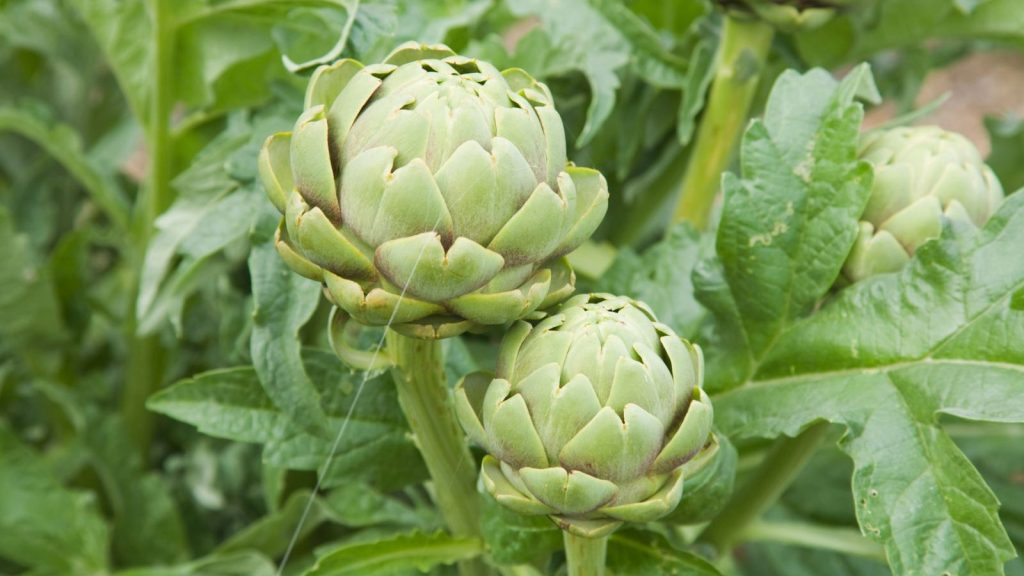
12 Challenging Vegetables to Grow That Are Totally Worth It
artichoke plant close up
Image Credit: Deposit Photos

12 Challenging Vegetables to Grow That Are Totally Worth It
?s=150&d=mp&r=g
Sandra Enuma
+ posts

Sandra Enuma is a writer who's as comfortable with a trowel as she is with a keyboard. She’s passionate about sharing simple, down-to-earth tips to help you start and manage your own home garden, no matter your experience.

Share this post or pin it for later!

Similar Posts

Leave a Reply

Your email address will not be published. Required fields are marked *