
Sweet potatoes are one of the most rewarding crops to grow. They’re delicious, low-maintenance, nutrient-dense, and have a long storage life. But only if you know how to treat them right. Here’s how to tell when it’s time to harvest, how to do it without damaging your crop, and what to do afterwards to store them properly through the winter months.
1. Wait for the Leaves to Yellow

The first real clue that your sweet potatoes are ready is when the vines start to change color. You’ll notice the once green leaves fading to yellow, and the stems may also begin to wither and die back.
But don’t panic and yank them out the second you see some yellowing; give them some more time in the ground. Immature tubers may appear okay at first, but they won’t store well and often have a slightly off-taste. Just take the yellowing as your cue to start preparing for harvest.
2. Check the Calendar

Most varieties of sweet potatoes are ready to harvest between 90 and 120 days after planting. So, if you planted in mid-May, you’re probably looking at a harvest in early to mid-September, depending on your local weather.
That said, the calendar should be used more as a guide than a hard rule. Other factors, such as climate, soil, and variety, all play a significant role in determining harvest time.
3. Skip Harvest if the Vines Are Still Bright Green

If your vines are still healthy, lush green, don’t touch them. This usually just means the plant is still channeling energy into tuber growth. Harvesting them now could leave you with skinny, underdeveloped roots that barely resemble the plump, sweet potatoes you were hoping for.
4. Do a Test Dig

If you’re not sure, gently dig around the base of one or two plants on the edge of your patch. You’re not committing to a full harvest yet, just checking to see what’s going on under the soil. If the tubers are still pencil-thin or feel fragile, wait another week or two and try again. But if they’re well-formed and about the size of your fist or larger, you’re good to go.
5. Pick a Dry Day to Harvest
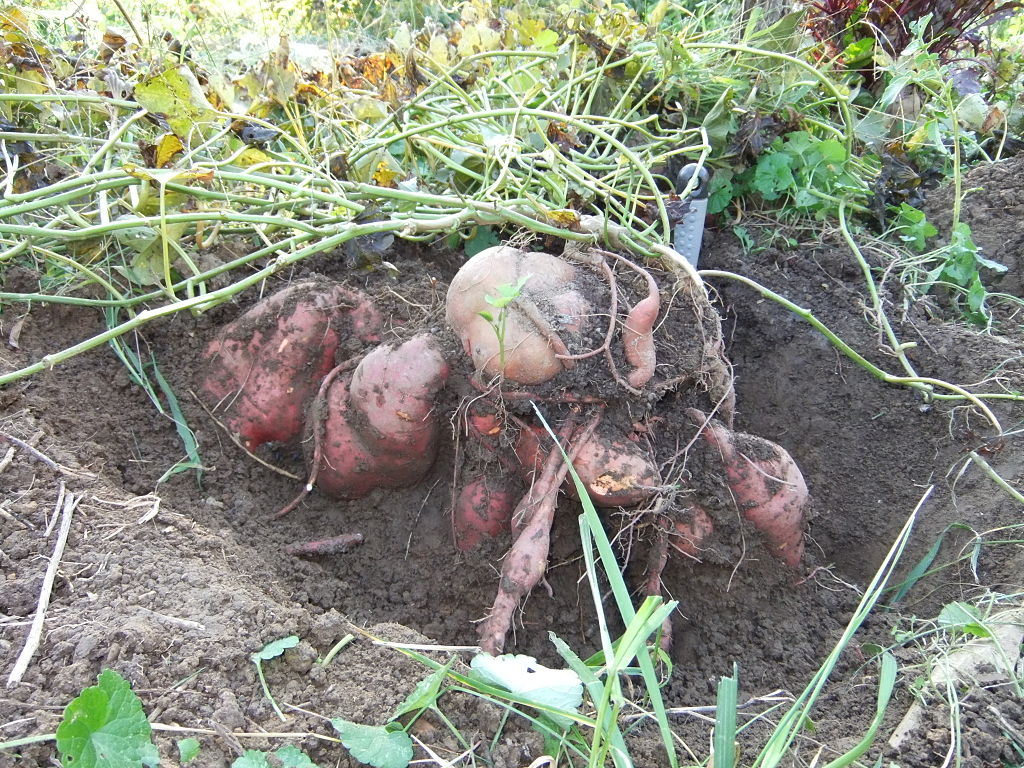
Try to pick a dry day to harvest your sweet potatoes, if possible. Wet soil clings to the roots, increasing the risk of bruising or breakage, and it also makes a mess. Dry soil is lighter, easier to work with, and less likely to introduce excess moisture that can lead to rot later. If the forecast for the week indicates rain, try to harvest before it arrives.
6. Stop Watering Before Harvest
Start letting the soil dry out about 7 to 10 days before harvesting. This slightly firms up the tubers, making them less likely to snap when you dig them up. It also helps toughen their skins a bit before the actual curing and storage process.
7. Use a Garden Fork (or Your Hands)
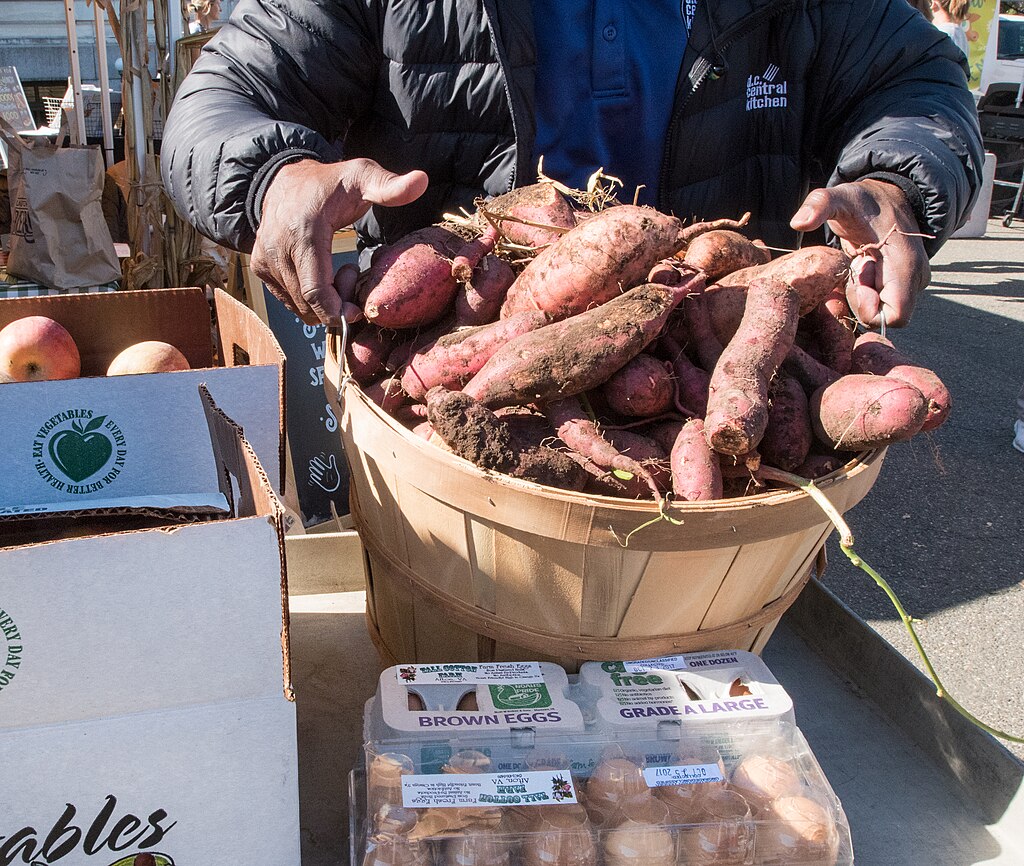
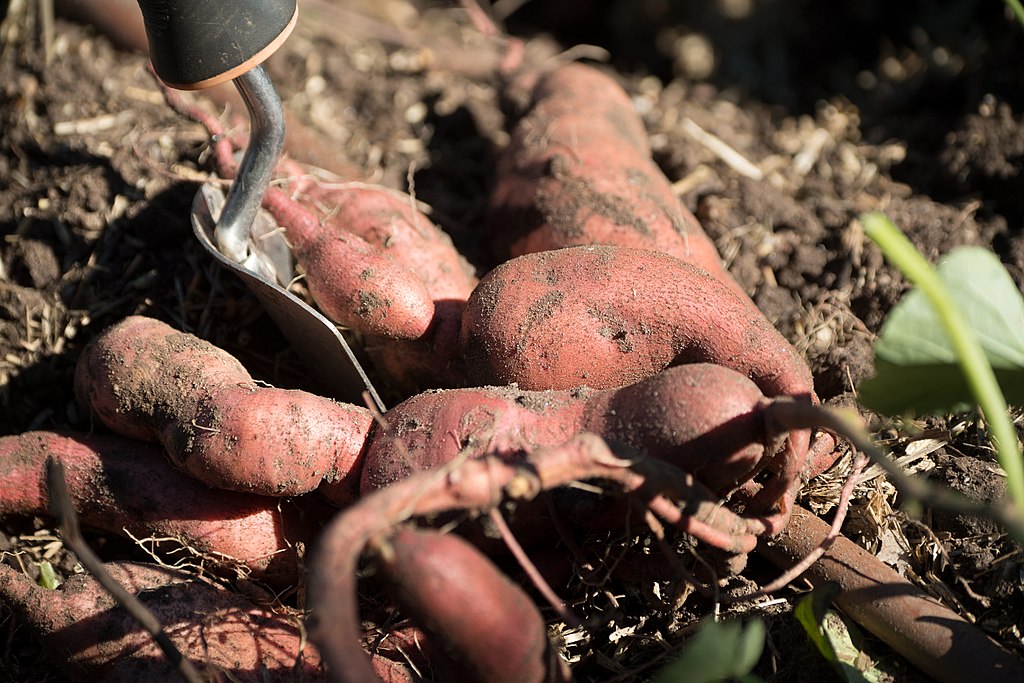
When it’s time to dig, don’t grab the potato vines and start yanking. Sweet potatoes bruise more easily than you might think. Instead, use your hands or a garden fork and dig carefully.
Start about 12 to 18 inches away from the center of the plant to avoid stabbing or slicing the tubers. Work slowly, loosening the soil all around before lifting the potatoes out by hand.
8. Don’t Wash the Dirt Off
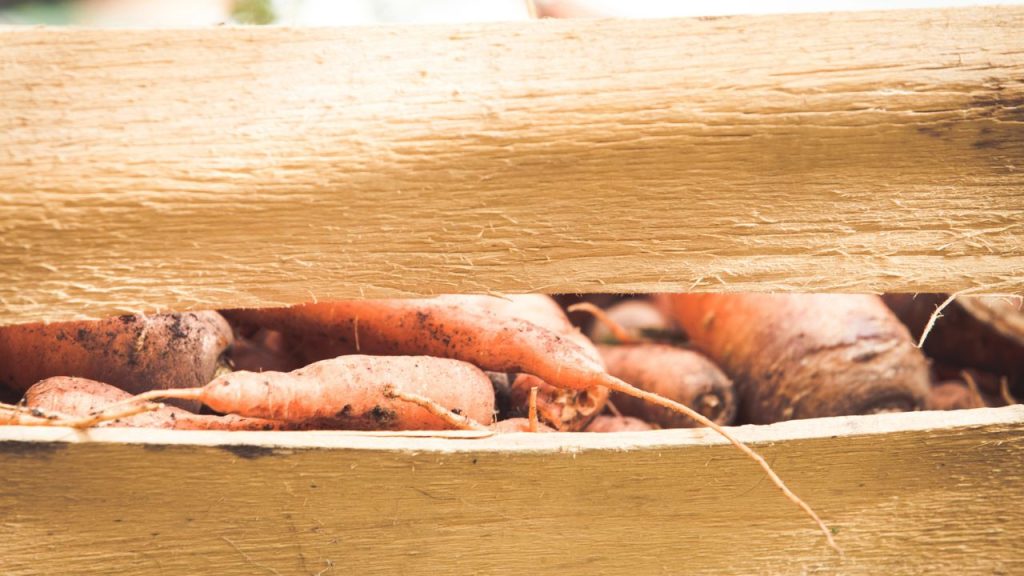
Once the tubers are out of the ground, don’t be in a rush to clean them. Let the dirt dry on the skin and brush it off gently later. Washing right after harvest introduces moisture that can encourage mold or rot. It’s best to let them air-dry in a dark place for a few hours or overnight.
9. Be Gentle

If you’re transporting sweet potatoes, handle them with great care. You can’t just toss them into a wheelbarrow or crate. Once bruises form, they turn into soft spots in days and harbor a lot of microorganisms.
Instead, treat them like fragile produce and lay them gently into a basket or tray lined with towels, rags, or even newspaper. Even one careless move can shorten their storage life by weeks.
How to Harvest and Store Radishes The Right Way

Radishes are among the first vegetables harvested in a late spring (or fall) garden, which makes them particularly exciting. Here’s a guide on how to store
How to Harvest and Store Radishes The Right Way
12 Challenging Vegetables to Grow That Are Totally Worth It