
Growing your own vegetables and herbs in containers is such a fulfilling experience—it’s amazing to step outside and pick fresh ingredients right from your own little garden. But let’s be honest, even the most seasoned gardeners run into challenges.
Container gardening takes a bit of patience and know-how, and it’s easy to make mistakes along the way. Maybe you’ve picked the wrong pot, overwatered a bit, or planted something that’s not quite suited for a container. Don’t worry, though—these things happen to everyone!
The good news is that most common gardening slip-ups are easy to fix once you know what to watch for. Here’s a look at some of the most frequent container gardening mistakes and simple ways to avoid them so your plants can thrive.
Poor Drainage

Drainage is important when container gardening. Not providing enough drainage holes can cause water to accumulate, leading to root rot. This is a mistake that many gardeners make and it can be quite harmful to your plants.
Choosing the Wrong Container
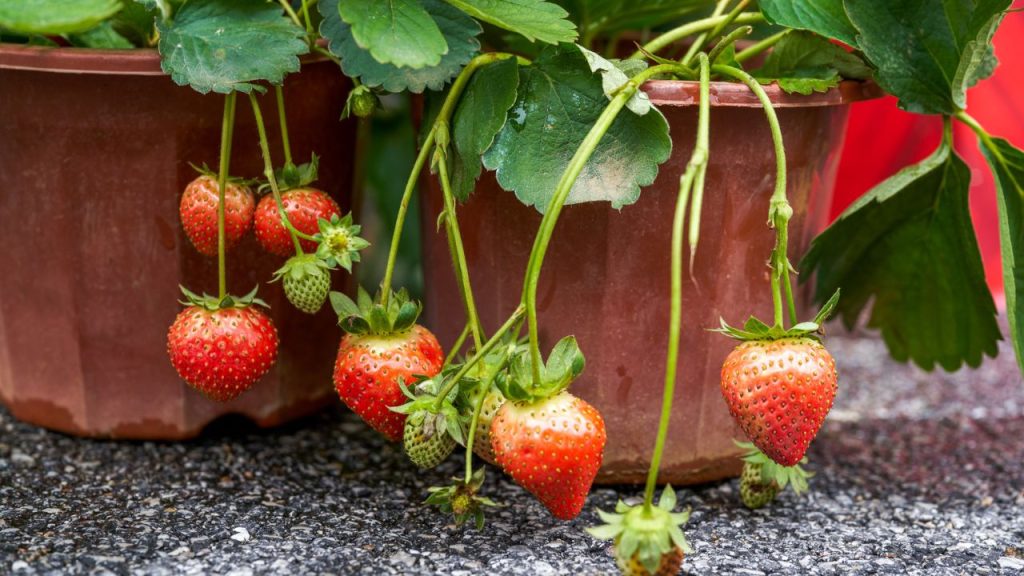
When container gardening, you must choose the right container for the given plant. Using containers that are too small can restrict root growth. In addition, containers that lack proper drainage can lead to waterlogged soil and root rot. So it’s important that you choose the proper container.
Using the Wrong Plants

Not every plant is well-suited for container gardening, and picking the wrong ones can lead to disappointment. Some plants, like squash, pumpkins, and watermelons, have sprawling vines and extensive root systems that quickly outgrow containers and struggle to thrive in confined spaces.
Others may require more room to grow right from the start, leading to stunted growth and poor yields if their needs aren’t met. To set yourself up for success, choose plants that naturally adapt to container life, such as tomatoes, peppers, lettuce, and herbs.
Forgetting to Harvest

It can be tough to determine when your plants are ready for harvest. Waiting too long can result in overripe produce, such as yellow cucumbers. Harvesting at the right time ensures you enjoy your garden’s best flavors and textures.
Discouraging Pollinators

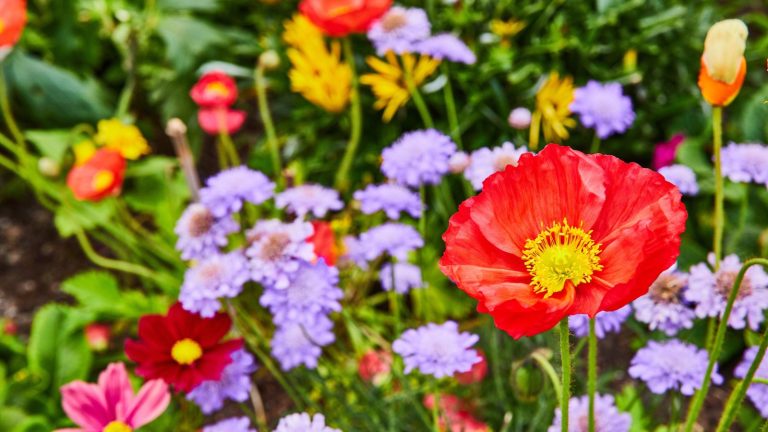
Some people feel uneasy about having insects such as butterflies, bees, and birds in their yard, and most will try to get rid of them. However, these creatures are crucial for a healthy ecosystem. To support pollinators, create gardens that attract them by providing habitats that make them feel welcome and safe.
Insufficient Sunlight

Putting sun-loving plants in the shade or shade-loving plants in direct sunlight can stress them, leading to poor growth and fewer blooms. Most vegetables and herbs need at least six hours of direct sunlight daily to thrive. Some leafy greens can get by with partial shade, but they’ll do their best with plenty of sun.
One of the biggest advantages of container gardening is the flexibility to move your plants around, making sure they get just the right amount of light to stay healthy and productive.
Overusing Pesticides

Excessive use of pesticides can cause unintended harm. Chemical treatments can damage beneficial insects, create pest resistance, and degrade plant and soil health. Opt for organic and natural solutions such as companion planting and attracting beneficial predators.
Neglecting Fertilization

Container plants have limited soil volume, so nutrients can be quickly depleted. Use a balanced, slow-release fertilizer or feed with a diluted liquid fertilizer regularly.
15 Natural Plant Fertilizers Made from Everyday Waste to Feed Your Garden
Using the Wrong Soil
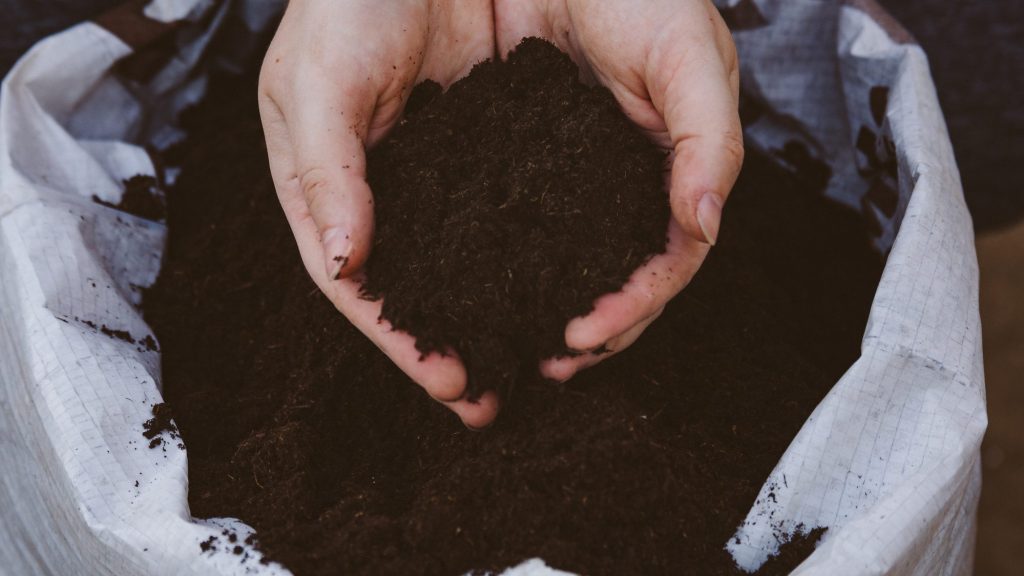
Garden soil compacts easily in containers, hindering drainage and root growth. It’s best to use a well-draining potting mix specifically designed for containers.
Neglecting Soil Condition

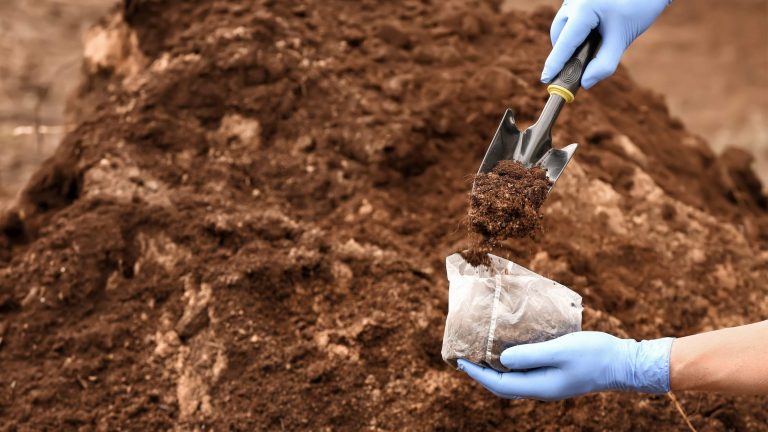
Soil is the foundation of a thriving garden and needs to be rich in nutrients. Good soil is the foundation of a successful garden. Plants won’t grow well if they’re in poor soil. Improve your soil with compost and other organic matter. Conduct a soil test to ensure it’s ready for planting. This will ensure your crops have the nutrients they need to grow well.
Ensuring your garden soil is healthy and fertile is crucial for robust plant growth and a bountiful harvest.
10 Ways To Add Nitrogen To Soil For A Healthier Garden
Overcrowding and Planting Too Close Together

While some salad greens thrive when planted closely, most vegetables need space to grow properly. Crowded plants can suffer from stunted growth and are more susceptible to diseases. Use a space planting guide to ensure they have enough room to grow and thrive.
Watering Too Much
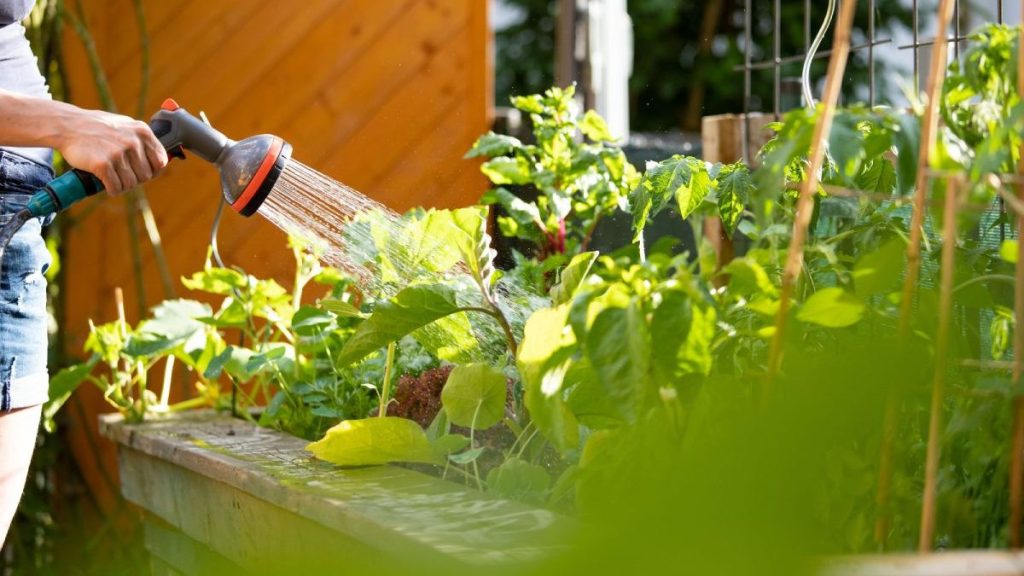
Consistent watering is crucial for a good harvest. Overwatering suffocates roots and encourages mold or fungal diseases.
Watering Too Little

Similar to overwatering, under-watering can stress plants and stunt growth. It can also lead to yellow leaves and poor fruit quality.
Not Offering Enough Support
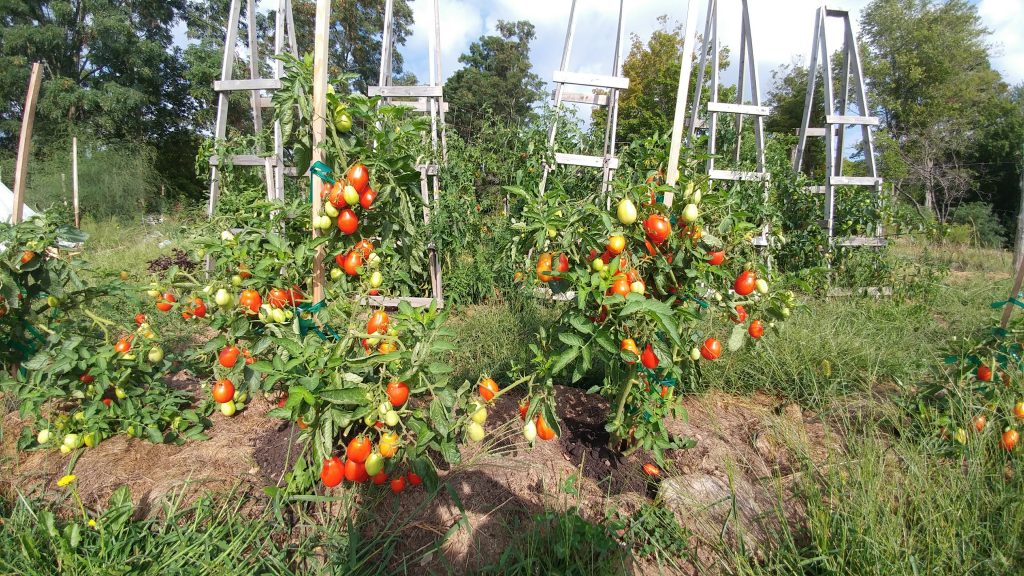
Certain vegetables, such as tomatoes, cucumbers, and pole beans, need support structures like trellises – even in containers. Proper support keeps fruits off the ground, improves air circulation, and promotes healthier growth. Use sturdy supports to prevent plants from sprawling and to keep them healthy.
How to Support Tomatoes: Tomato Stakes vs. Tomato Cages
Ignoring Pests

Regularly inspect your plants for pests. Check the leaves and address any infestations immediately.
Protect Your Tomatoes From 15 Pests That Can Wreak Havoc on Your Crop
Planting Too Early

As spring arrives, it’s tempting to start planting right away. However, tender crops like tomatoes and peppers should remain protected if temperatures drop below freezing. Wait until nightly temperatures stay above 55°F.
Planting Too Late

Waiting too long to plant can be just as problematic as planting too early. If you plant when it’s already hot, your plants can become stressed and require much more effort from you to reach harvest. Always aim to plant within the recommended timeframe for each crop to ensure healthy growth and optimal harvest.
Planting in the Wrong Spot

Choosing the right location for your plants is crucial for their success. Placing a plant in an unsuitable spot can lead to poor growth, potential death, or unnecessary suffering. If not properly situated, plants might grow too large for their space or even become invasive.
Not Identifying Your Soil Type
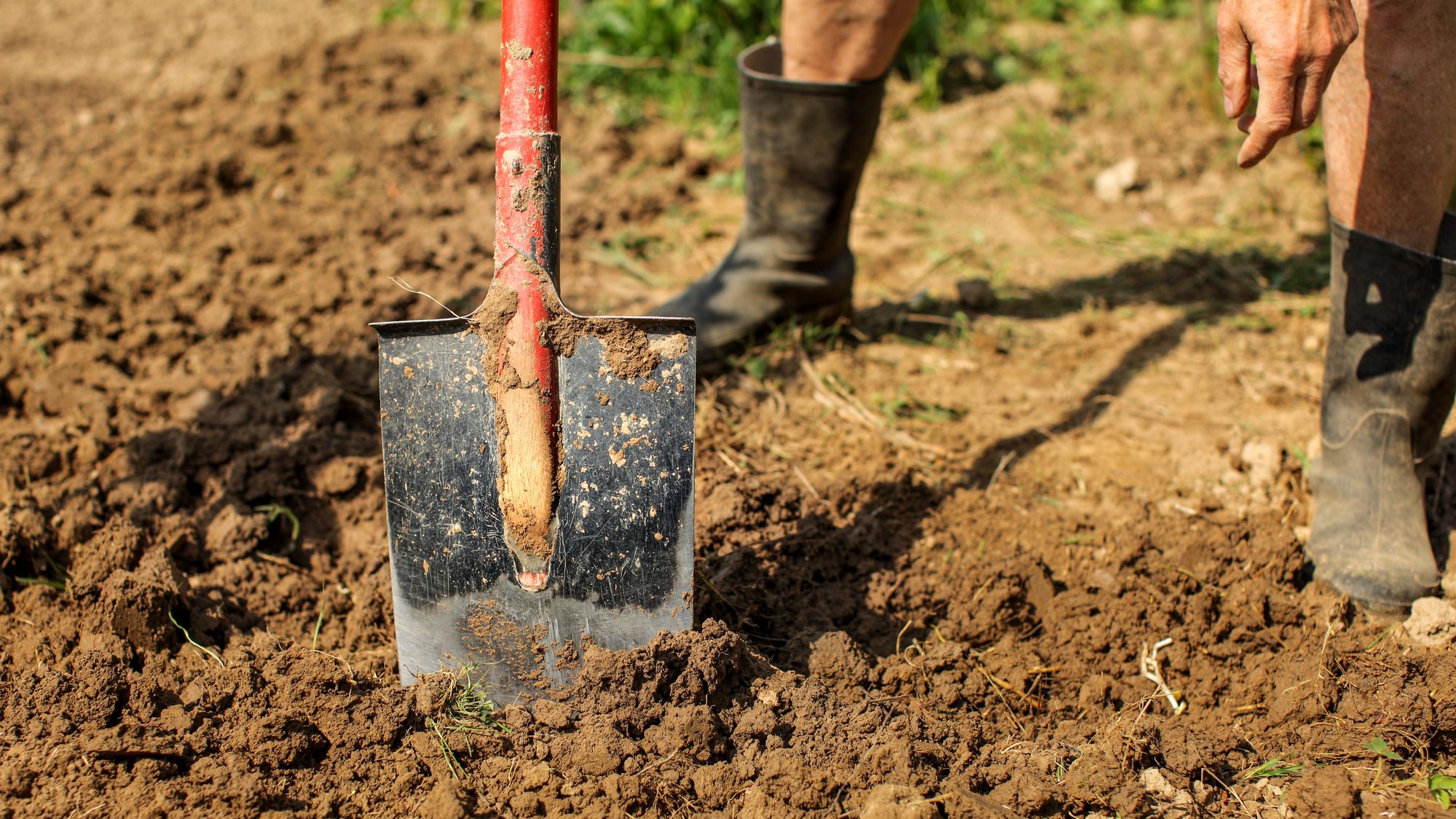
Understanding your soil type is often overlooked. Knowing the basic type of soil you have—whether sandy or heavy clay—can significantly improve your gardening success.
Not Refreshing Soil

Reusing soil from previous plantings without refreshing it is a common mistake that can leave your plants struggling to grow. Over time, soil in containers loses essential nutrients as plants absorb them, and repeated
Without replenishing these nutrients, plants may become weak, produce fewer blooms or fruits, and be more susceptible to pests and diseases. Instead of using depleted soil as-is, mix in fresh compost, organic matter, or a quality potting mix to restore fertility and provide your plants with the nourishment they need to thrive.
Using Heavy Containers

Heavy containers can be tough to move, especially when you need to adjust for better sunlight or protect your plants from harsh weather. If you think you’ll need to relocate your plants often, it’s best to go with lightweight options like grow bags or plastic pots. They’re much easier to handle and give you the flexibility to shift your garden around as needed.
Being Impatient

Impatience is a common mistake in gardening. Rather than taking the time to cultivate a thriving organic garden, many gardeners seek quick solutions. Adopting a more patient approach allows for a more sustainable and healthier garden.
Letting Weeds Take Over

Weeds are still an issue to consider when container gardening. Weeds compete with your crops for nutrients and water. Remove any weeds that breakthrough by hand.
12 Natural Ways to Manage Weeds in the Yard
20 Best Plants for Container Gardening
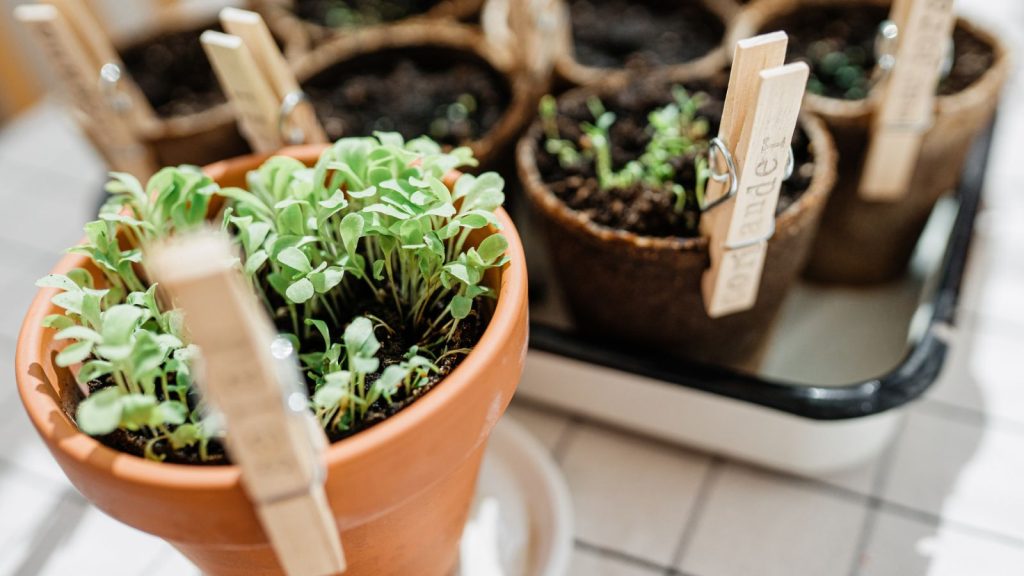
Container gardening can be as fulfilling as large-scale farming in growing and harvesting food. Whether planting in your backyard, on a balcony, patio, or urban homestead, here are some of the best plants for growing in containers.
20 Best Plants for Container Gardening
16 Easy DIY Raised Beds

While pre-made raised beds can be expensive, building your own is a cost-effective alternative. With some basic materials and a bit of effort, you can construct your own raised beds at a fraction of the cost. Here are 16 DIY Raised garden bed projects to help you get started.