



Starting a garden can feel a little overwhelming at first. With so many plants to choose from, tools to figure out, and tips to learn, it’s easy to wonder where to begin. But here’s the good news—gardening doesn’t have to be complicated! The joy of it lies in starting small, experimenting, and learning as you go.
One great way to ease into gardening is by trying companion planting. It’s a simple, time-tested method where you group plants that help each other thrive. Think of it as matchmaking for your garden—some plants protect their neighbors from pests, while others improve the soil or make better use of space.
Companion planting is beginner-friendly and can make your garden healthier and more productive without adding extra work. Let’s explore the basics together so you can create a garden where every plant grows a little better with a good companion by its side.

What is Companion Planting?
Companion planting is a time-tested gardening approach that promotes healthier plants and bigger harvests—without relying on chemicals. By creating a natural partnership between plants, you can establish a thriving garden ecosystem where each plant contributes to the success of its neighbors.
Though some gardeners remain skeptical, many swear by the benefits of companion planting. From warding off pests to enhancing soil health and attracting helpful pollinators, this method offers a simple yet effective way to boost your garden’s vitality.
The idea is simple: plant certain crops together so they complement one another. For example, some plants naturally deter pests that might otherwise target their companions, while others enrich the soil with nutrients or encourage pollination.
However, not all plants make great companions. Some combinations can lead to overcrowding or competition for resources, resulting in weak, disease-prone crops. The best companions work in harmony, sharing space and nutrients without outcompeting each other. By choosing the right pairings, you can grow a garden that’s not only productive but also resilient and balanced.
Things to Consider When Planning Your Garden
When planning your garden you must consider a few key factors: the size of your garden, how much sunlight it receives, and the type of soil you’re working with. These elements will guide you in choosing companion plants that will help your crops flourish.
Start Small
Starting small allows you to focus on learning the basics without feeling overwhelmed. A smaller garden is easier to maintain and helps you build confidence as you see your efforts paying off. This allows you to experiment with different plants and techniques without committing to a large, demanding space.
Get to Know Your Garden
Before planting anything, sit back and observe your garden’s unique characteristics. Watch how sunlight moves across the space throughout the day and identify shady, sunny, and partially shaded areas. This step is essential because it allows you to work with your environment rather than against it, increasing your chances of success.
Think About Spacing
Spacing is crucial in companion planting. Decide where pathways, beds, and any structures like trellises or raised beds will go, making sure you can tend to all areas without stepping on plants.
For example, some root vegetables and leafy greens thrive when planted at the base of larger plants. However, many other companion plants need the spacing guidelines listed on their seed packets to avoid overcrowding. A little extra room can make a big difference in your plants’ health and yield.
Handy Tip: Sketch out your garden on paper or use a digital garden planner to visualize your design.
Plant What You Love
While companion planting offers lots of benefits, it’s important to focus on plants you’ll actually enjoy. There’s no reason to grow cilantro if you can’t stand the taste, or cosmos if they don’t bring you joy. Choose companions that suit your preferences and needs—your garden should be as functional as it is enjoyable.

Sample Companion Plants
Here are a few popular vegetable plants for beginners and plants that make good companions.
Tomatoes
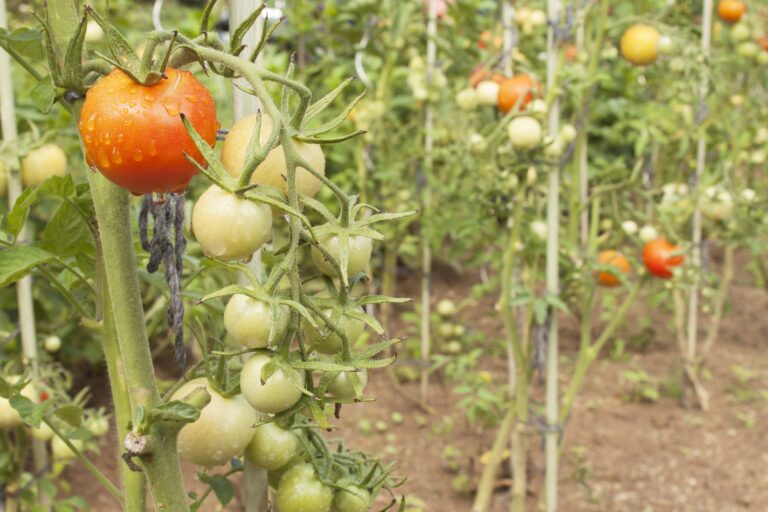
Plant tomatoes with basil, onions, and marjoram to boost their flavor and growth. Avoid planting near fennel to prevent growth inhibition.
Grow Juicier, Tastier Tomatoes with These 15 Companion Plants
Potatoes
Enhance potato health with companions like basil, marigolds, and nasturtium, which help repel pests. Avoid planting near cabbage and cauliflower to avoid competition for nutrients.
Strawberries
Compliment strawberries with thyme, marigolds, dill and onions.
Grow the Sweetest Strawberries With These Companion Plants
Carrots
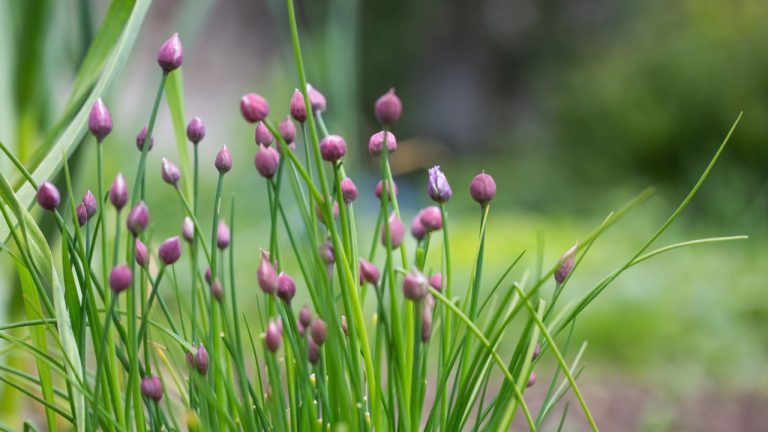
Pair carrots with chives and onions to improve flavor and deter pests. Avoid proximity to dill to prevent stunted growth.
Peppers
Complement peppers with beans and marigolds for improved health and pest control. Avoid cucumbers and tomatoes to avoid pest transfer.
15 Plants to Grow Alongside Your Bell Peppers to Keep Them Happy
Cucumbers
Grow cucumbers with corn, chives and radishes.
16 Companion Plants for Happier, Healthier Cucumbers
Corn
Grow corn alongside beans and cucumbers for mutual support and pest control. Avoid planting near tomatoes to prevent cross-pest issues.
Spinach
Plant
Broccoli
Basil and
Rosemary
When choosing companion plants for rosemary, factors such as plant height, growth habits, spreading, and spacing must be considered. Consider companions like Chives, Thyme and Sage.
14 Companion Plants That Bring Out the Best in Your Rosemary
Sage
Consider companions like Chives, Thyme, strawberries and tomatoes.
17 Companion Plants to Grow Next to Sage for Healthier, Larger Crops
Cabbage
Pair cabbage with chamomile and dill to improve flavor and health, but keep it away from tomatoes and strawberries to minimize pest risks.
Turnips
Turnips do well with
Watermelons
Watermelons are simple to grow but are often plagued by pests and diseases. Grow watermelons with lettuce, basil and
Grow Juicy Watermelons with These 12 Companion Plants
Chrysanthemums
Chrysanthemums, often known as “mums,” are a staple of fall gardens, celebrated for their vibrant and abundant blooms. The right pairing can improve soil health, fend off pests, and create a balanced garden design. Consider companions like marigolds, sweet alyssum and chives.
11 Plants to Grow Alongside Chrysanthemums to Keep Them Happy and Healthy

Download your free companion chart today and start planning a garden layout that will ensure a season full of vibrant growth and abundant harvests!