
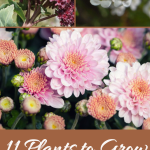
Chrysanthemums, often known as “mums,” are a staple of fall gardens, celebrated for their vibrant and abundant blooms. Their bold colors and lush foliage make them a striking addition to any landscape, and they’re just as eye-catching in floral arrangements.
But the true beauty of chrysanthemums isn’t just in their individual appeal; it’s how they interact with other plants. Pairing chrysanthemums with the right companion plants can enhance both their visual charm and the overall health of your garden.
These cheerful blooms take center stage when the weather transitions from hot and humid to cool and crisp, thriving alongside other autumn-loving plants. Just like people, chrysanthemums benefit from good companions. The right pairing can improve soil health, fend off pests, and create a balanced garden design.
Here are 11 plants that will thrive alongside chrysanthemums.
Sedum (Autumn Joy)

Sedum varieties are sun-loving, low-maintenance plants that thrive without much care, making them a perfect match for mums. Their late-season blooms add color to the garden and attract butterflies, adding life and movement to the fall landscape.
These resilient flowers are long-lasting and can be dried for winter arrangements, providing beauty well beyond the growing season. Sedum’s ability to flourish in similar conditions makes it an excellent companion for chrysanthemums, especially in Zones 3-9.
Marigolds

The vibrant blooms of marigolds draw a variety of beneficial insects, from bees to butterflies and wasps. Their bright colors and diverse textures make them a visually appealing addition and companion to mums.
Sweet Alyssum

This plant forms blankets of fragrant flowers in shades of white, rose,
Chives

The mild onion scent of chives is potent in repelling pests like aphids, deer, and Japanese beetles. Their striking pom-pom flowers attract pollinators like bees, enhancing your garden’s ecosystem.
Aster
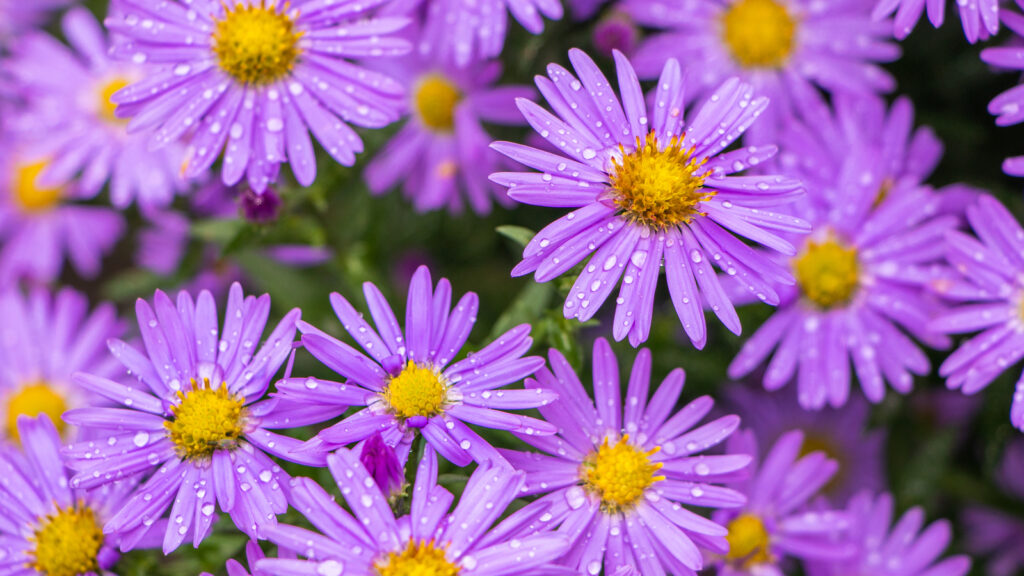
Asters, with their vibrant hues of purple, pink, and yellow, are a stunning addition to any fall garden and pair beautifully with mums. Their daisy-like blooms draw in pollinators and bring a lively splash of color to the landscape during late summer and into autumn.
These tough perennials are highly adaptable, thriving in different soil conditions and moisture levels, making them a versatile choice for a variety of gardens. Growing well in USDA Zones 3-9, asters prefer full sun but can handle partial shade.
Ornamental Cabbage

Ornamental cabbages are cool-season biennials that pair beautifully with chrysanthemums in the garden. Their striking foliage forms rosettes in shades of purple, rose, and creamy white, giving them the appearance of oversized blooms rather than traditional vegetables.
These vibrant colors add a unique texture and visual interest, making them a perfect companion for mums.
Coneflower

Coneflowers provide a natural, wildflower look and attract wildlife like birds and butterflies, making them popular for garden borders. Coneflowers thrive in full sun to light shade. Once established, they are drought-tolerant. Deadhead old blooms to extend flowering and control self-seeding.
Helenium

Also known as sneezeweed,
Goldenrod (Solidago spp.)

Goldenrod is a plant that blooms in late summer, showcasing tall spikes filled with small, bright yellow flowers. It does best in conditions ranging from full sun to partial shade. The vivid yellow flowers of
Yarrow (Achillea)

Yarrow produces clusters of small, flat-topped flowers in colors including yellow, white, pink, and red. It’s drought-tolerant and thrives in full sun. Zones 3-9
Dill

The delightful yellow flowers of