

Peas are among the easiest vegetables to grow, making them a favorite for beginner gardeners. Not only do they taste great and pair well with a variety of foods, but they also adapt easily to different growing spaces—from containers and raised beds to traditional garden rows.
These cool-season legumes naturally enrich the soil by fixing nitrogen, which benefits many companion plants. In particular,
However, not all plants make good companions for
Onions

Onions can hinder the nitrogen-fixing ability of
Garlic
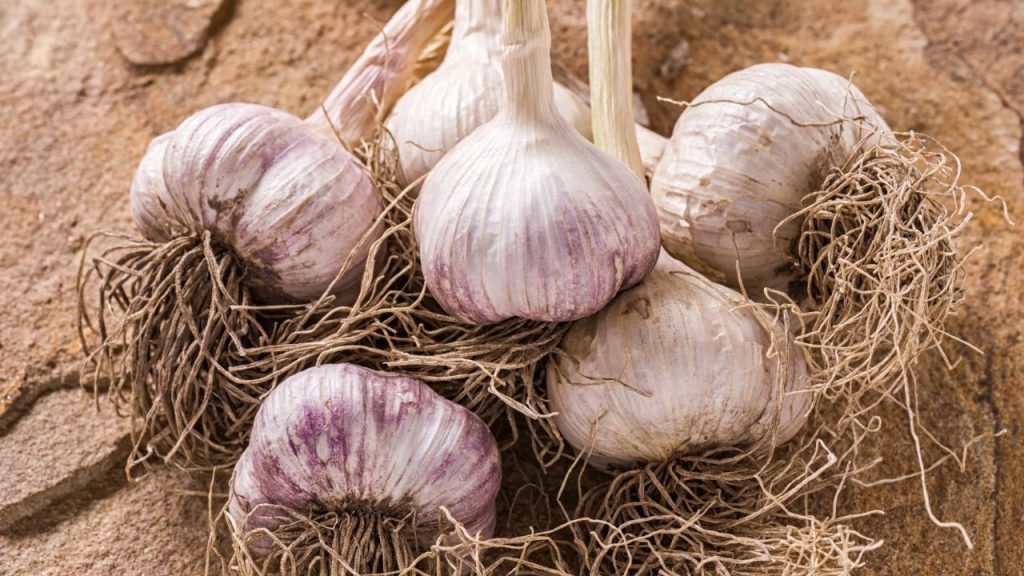
Like onions,
Leeks

It is often advised not to grow leaks near your beans because Leeks are another member of the allium family that can stunt pea growth by depleting the soil of nutrients. They also have a long growing season, which may interfere with the natural life cycle of
Scallions
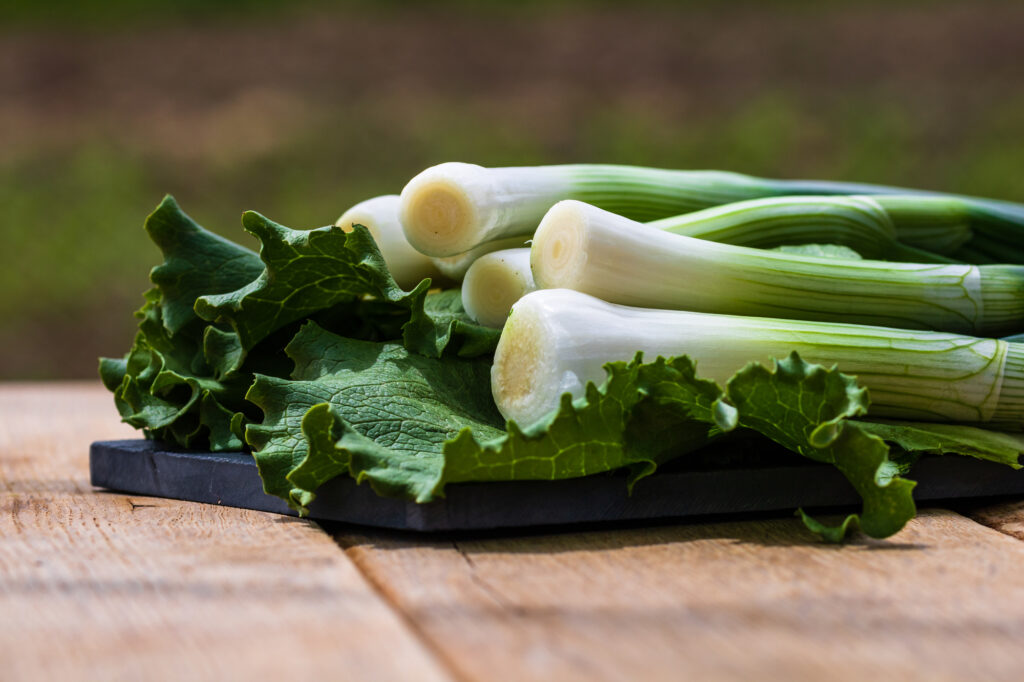
Green Onions are unfussy and grow well in most gardens. One would think that scallions are great to grow next to
Chives
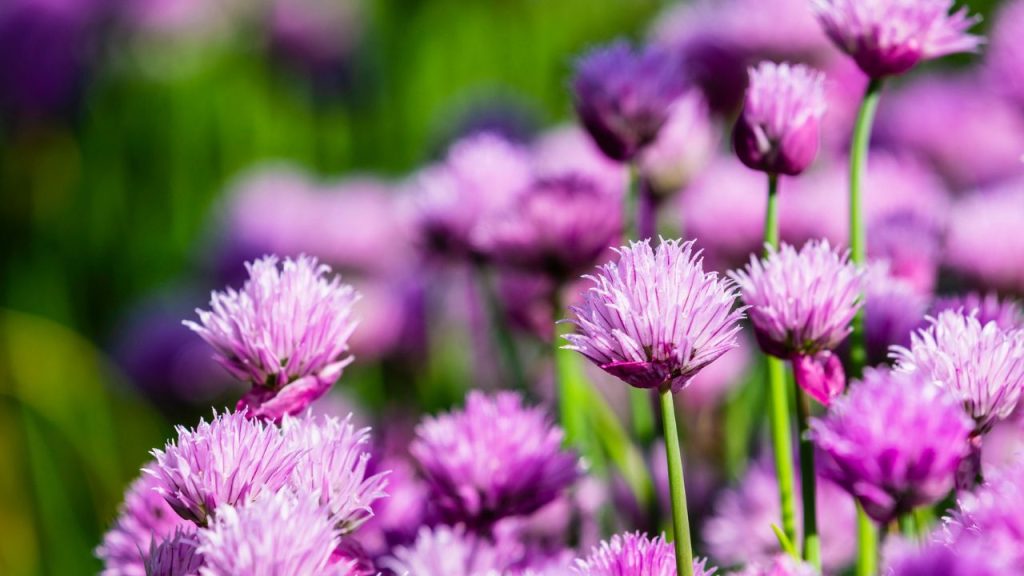
Chives are one of the few perennial vegetables that can thrive in nearly all kinds of soil and weather conditions. These hardy plants are known for their slender, grass-like leaves and delicate onion-like flavor. Chives’ purple flowerheads can add a vibrant touch to any garden space and attract pollinators.
Although chives can deter pests, they also release substances that inhibit pea plant development. Their tendency to form dense clusters can also crowd out pea plants, reducing airflow and sunlight.
Tomatoes

Tomatoes are a garden favorite, but they’re also a magnet for hungry pests. While tomatoes don’t directly harm
Larger critters like rabbits, squirrels, and deer often nibble on the leaves and fruit, making it difficult to protect your harvest. Even if wildlife isn’t an issue, tomatoes attract a variety of insects that can cause significant damage.
Grow Juicier, Tastier Tomatoes with These 15 Companion Plants
Peppers
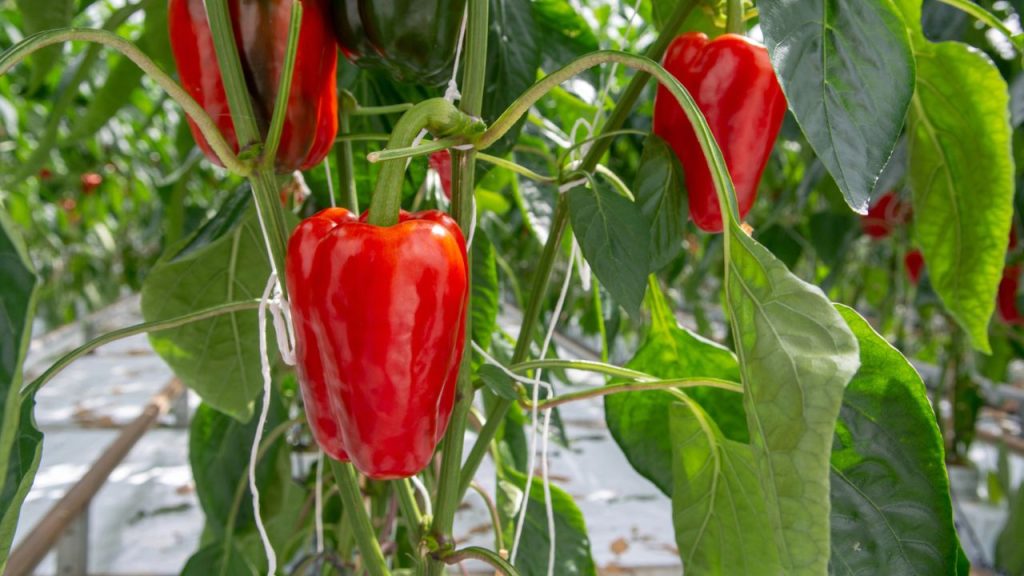
Like tomatoes, peppers are nightshades that can draw aphids and other pests that may move onto nearby
Shallots

Shallots compete with
12 Plants to Grow Alongside Your Blueberry Bushes to Keep Them Happy

Planting the right companion plants near blueberry bushes can help to ensure successful fruiting. Here are some plants that you should grow alongside blueberry bushes to help them thrive.
12 Plants to Grow Alongside Your Blueberry Bushes to Keep Them Happy
8 Sneaky Animals That Are Secretly Destroying Your Lawn and Garden

Many pests can quietly cause significant damage if not controlled. It’s important to stay on top of these threats to keep your outdoor space looking its best. Here are seven sneaky pests to keep a close eye on.
8 Sneaky Pests That Are Secretly Destroying Your Lawn and Garden