Fresh basil can be used to elevate the taste of many dishes. It gets its distinctive flavor and aroma from essential oils, and the more concentrated the oils are, the more flavorful the leaves. Knowing when and how to harvest your basil will ensure you always get the most flavorful leaves.
1. Check the Height of the Plant

When growing basil, it’s important to know when it’s time to start harvesting. Don’t start harvesting until the basil plant is at least 6-8 inches tall. At this height, the plant has fully established its roots and has grown enough foliage. You can safely harvest its leaves without worrying about stunting its growth. Younger, shorter plants still need all their leaves to photosynthesize and build strength.
2. Inspect for Branching

Check that your basil plants have multiple stems branching from the main stalk before you begin harvesting. Multiple branches mean the plant can continue photosynthesis and growth even after you harvest from some stems.
Plants with just a single stem are not yet ready for harvesting, as removing leaves will severely stress them.
3. Check Leaf Length

You’ll want only to harvest basil leaves that are at least 3 inches long and have a deep, rich green color. Leaves that fall within this category have the highest concentration of essential oils.
If you harvest smaller leaves, they may lack the full flavor that comes from those essential oils. And if you harvest them when they’ve grown too big, they may have lost their tender texture.
4. Watch for Pre-Flowering Buds

Harvest basil before the flower buds start to open for the sweetest, most aromatic leaves. Once basil flowers, the leaves become bitter and lose much of their desirable flavor.
Check the top of your plants regularly for small flower spikes forming between leaves. Pinch these buds off immediately, so the plant can redirect energy back into leaf production rather than seed development.
5. Do an Aroma Test

Gently rub a leaf between your fingers and smell it to check for the signature, fragrant basil scent. Mature basil leaves release an intense aroma when touched, but underdeveloped leaves will produce weak or barely detectable scents.
The aroma is typically strongest in the morning after the plant has had time to concentrate its oils overnight.
6. Feel Leaf Texture
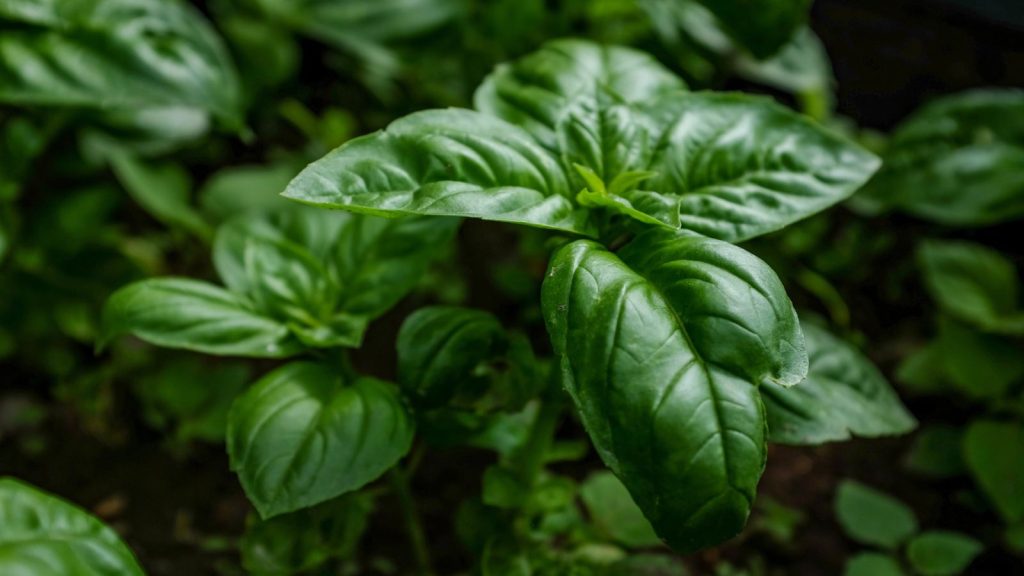
Basil leaves that’re ready to be picked feel firm and have a slightly glossy surface. The leaves should have some body to them and bounce back when gently pressed. Avoid harvesting leaves that feel limp, thin, papery, or overly delicate, as these haven’t reached full maturity and won’t have the best flavor or storage life.
7. Harvest in the Morning

Pick basil early in the day after morning dew has dried, but before the sun builds up. Don’t harvest during the hottest part of the day, as heat stress reduces oil content and makes leaves more likely to wilt quickly after being picked.
8. Use Clean Scissors or Fingers

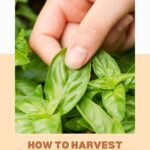
Cut or pinch basil stems just above a leaf node using clean scissors or your fingernails. This encourages the plant to branch at that point, creating bushier growth and more harvest points. Clean cuts heal faster and reduce the risk of disease entering the plant.
9. Never Strip a Plant Bare

Leave at least two-thirds of the plant intact when harvesting so it continues to grow and produce more leaves. Removing too many leaves at once can shock the plant and severely stunt its growth, or worse, kill it. Take only what you need and spread your harvest across the entire plant rather than focusing on one area.
10. Pick from the Top First
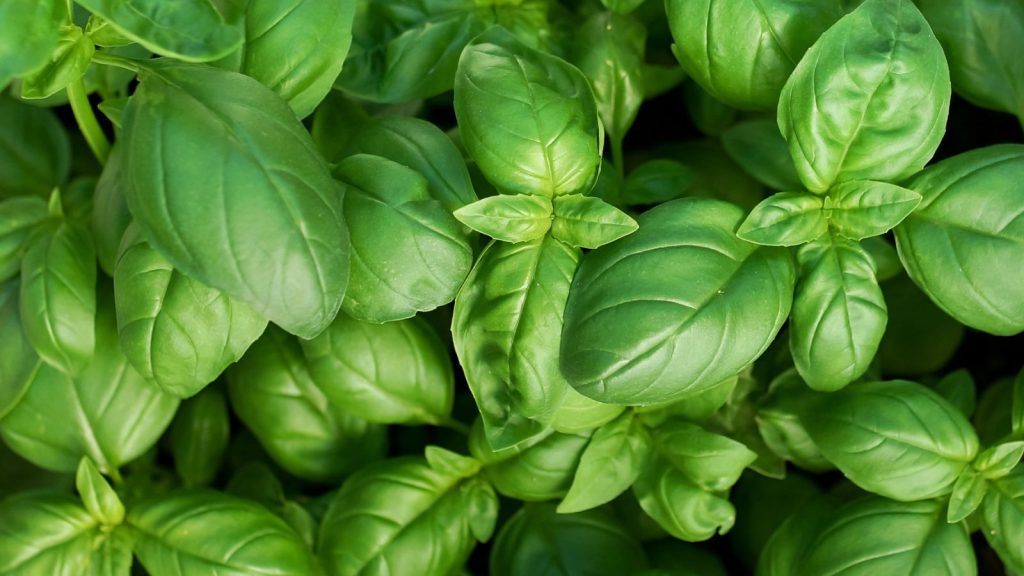
Start harvesting basil leaves from the top of the plant and work your way down. Starting with the leaves at the top prevents the plant from flowering and encourages it to grow more side branches. The leaves at the top are also typically the most tender and flavorful.
11. Avoid Tearing the Leaves
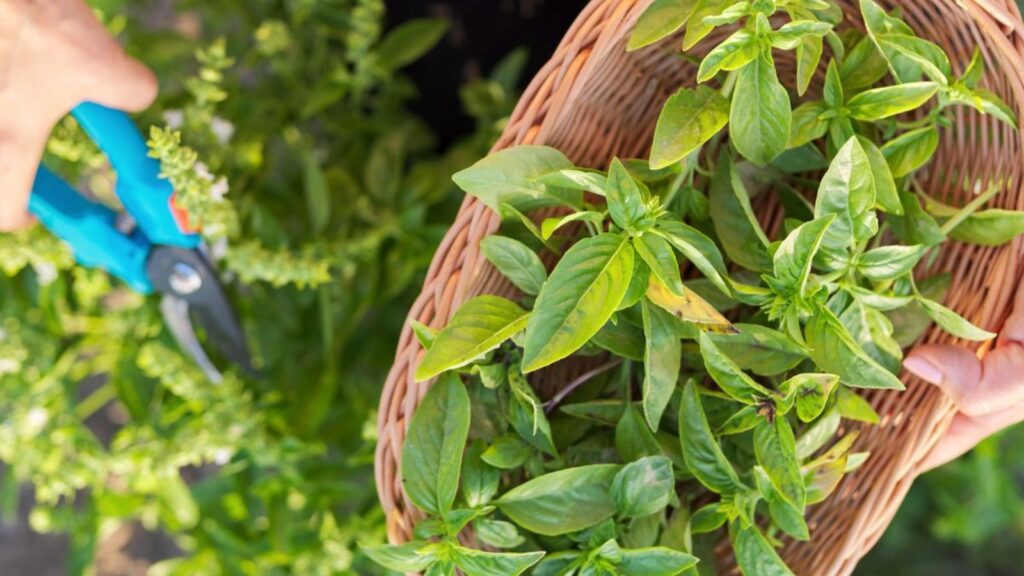
Harvest the basil leaves by making clean cuts rather than tearing the leaves. It takes longer for torn tissue to heal, and in that time, there’s a high risk of bacterial and fungal infection. If you’re in a rush or don’t have sharp, clean scissors, you can pinch them off with your fingernails. The cleaner the cut, the better.
12. Harvest Every 1-2 Weeks

Establish a regular schedule to harvest basil. Ideally, you’ll want to pick the leaves every 1-2 weeks during the growing season. Regular harvesting keeps the plants productive and prevents them from getting too large or going to seed.