Keeping your garden healthy takes more than just watering and feeding—it also means making time to prune. Pruning is the process of removing unwanted or unhealthy parts of a plant, like dead leaves, damaged branches, or extra growth that’s getting in the way.
Some plants thrive when regularly pruned or shaped, while others may only need light trimming. Either way, pruning helps promote stronger growth, better airflow, and overall plant health.
Here’s why pruning deserves a spot in your regular garden care routine.
To Control Plant Size

Some plants may grow excessively tall, potentially posing safety risks or becoming intrusive. Pruning helps manage a plant’s height and width, ensuring it remains safe and aesthetically pleasing.
Promotes Plant Growth
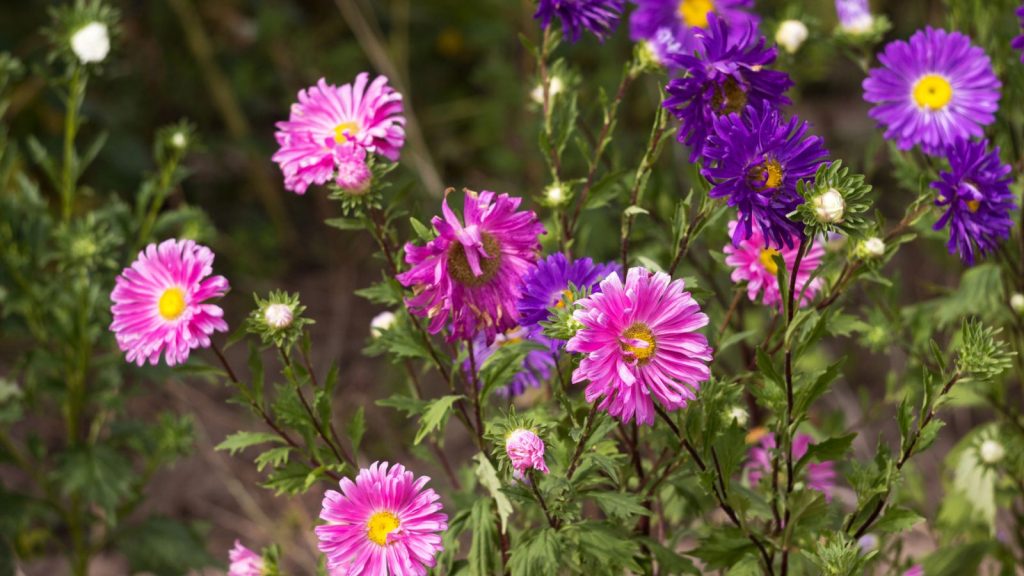
Pruning enhances plant growth and flowering by removing unwanted leaves and branches, enabling the plant to redirect more energy towards growth and blooming. Pruning stimulates the plant to produce more branches that will bear flowers and fruits, increasing the plant’s productivity.
Boosts Crop Production

Pruning is crucial for maximizing yields in your garden. By removing excess branches, you eliminate competition for energy within the plant, allowing more resources to be directed towards fruit and food production. This practice not only manages an overabundance of foliage but also enhances the production of fruits, leading to a more fruitful garden.
Prevent Overgrown Plants

Regular pruning is necessary to prevent plants from becoming leggy and overgrown. This is especially important for ornamental shrubs and trees cultivated to enhance the aesthetic appeal of gardens or homes. Pruning helps maintain and improve the shape and structure of these decorative plants, boosting their artistic appeal.
Train Plants on How to Grow

Pruning is key to directing the growth of plants according to your specific needs, whether for privacy, fruit production, or another purpose. It plays a crucial role in training plants, particularly young ones, guiding them to grow in the desired direction.
Pruning involves strategically removing certain parts of the plant, shaping its structure, and influencing its future growth patterns, ensuring optimal development for its intended function.
Pruning Increases Sunlight Penetration

Plants rely on sunlight for energy, which they convert into food through photosynthesis. This energy is distributed throughout the plant. By pruning your plants, you can increase sunlight exposure to the essential parts of the plant responsible for food synthesis and to the surrounding soil.
Adequate sunlight enhances photosynthesis, which in turn supports a healthy garden ecosystem. Photosynthesis is a vital process where plants convert sunlight into chemical energy, essentially turning light into food energy.
Prevents Overcrowding

Overcrowding can be detrimental to plants as it forces them to compete for essential resources such as light, water, and soil nutrients. This competition can lead to stunted growth, poor blooming, reduced yields, increased susceptibility to diseases, and even plant death.
Pruning is an effective strategy to manage this issue. By thinning out plants, pruning ensures that each one has sufficient space to thrive, reducing competition and enhancing overall plant health and productivity.
Removes Unwanted and Unhealthy Plants

Certain plant parts, such as leaves or branches, may become diseased or deteriorate with age. It’s vital to prune these parts to ensure the plant’s overall health and longevity.
Removing sick, old, or damaged sections helps prevent the spread of diseases and the attraction of pests. Moreover, pruning these parts can boost the plant’s vigor, promoting healthier growth and development.
Disease Control

Pruning can be an effective strategy for managing severe diseases and insect infestations in plants. It allows you to control persistent pests by removing parts of the plant that are affected by disease, fungi, or decay.
By cutting away these compromised sections, pruning prevents the spread of these issues to healthier branches, helping maintain the overall health and vitality of the plant.
Rejuvenate Old Trees

Pruning old trees stimulates new growth by removing less productive branches.
Promote Safe Tree Growth

Branches that grow too close to power lines or buildings can become hazardous. Pruning safely removes any parts of the tree that may create a dangerous situation or pose a threat, effectively mitigating potential hazards.
Improves Your Landscape View

Pruning improves your view of the surrounding landscape. This is particularly beneficial if you live in a location with picturesque views, such as by a lake or park. Pruning allows for the aesthetic shaping of trees and shrubs to create a pleasing visual experience, enabling you to enjoy the natural scenery.
17 Colorful Plants to Grow for Fresh Flower Arrangements

Fresh-cut flowers are perfect for lifting spirits and brightening up any space. For those looking to have a continuous supply of fresh flowers for stunning arrangements, consider planting these 24 colorful varieties. They will thrive in your garden and, in some cases, provide beautiful blooms year after year.
17 Colorful Plants to Grow for Fresh Flower Arrangements
15 Enchanting Plants for a Classic English Garden
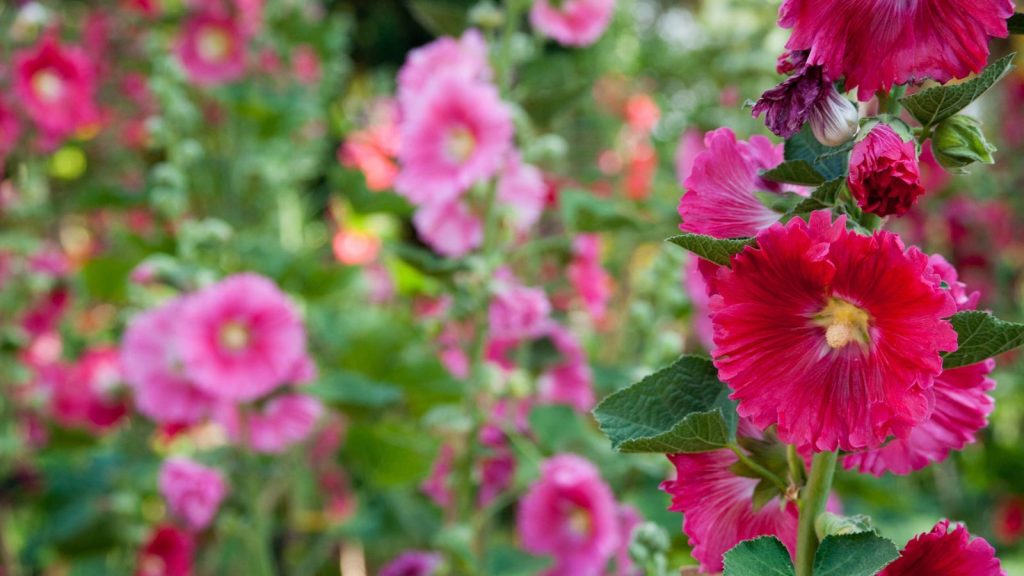
More people are embracing the romantic, free-flowing style of English gardens. Here are some must-have plants to bring that English charm to your garden.
15 Enchanting Plants for a Classic English Garden
16 Gorgeous Wildflowers Perfect for Low Maintenance Gardens
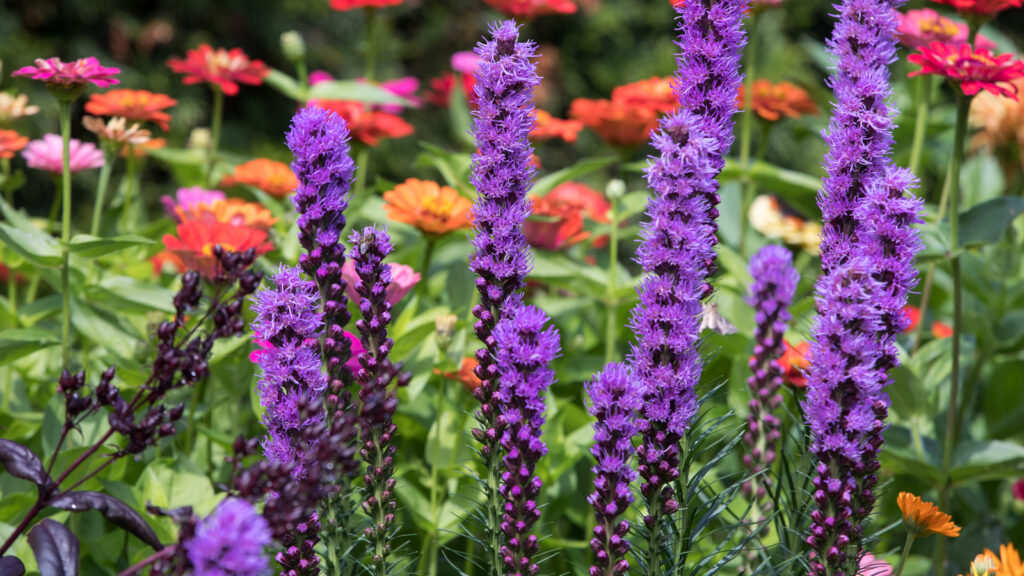
Starting a wildflower garden requires careful planning, especially if you want it to be low-maintenance. Choosing the right plants known for being easy to grow is crucial for success. Here are 16 gorgeous, easy-to-grow wildflowers perfect for creating a stunning, carefree garden.