
Survival during challenging times will undoubtedly test your resourcefulness. While stockpiling essentials is a smart strategy, it’s not a long-term solution for every need. True preparedness lies in sustainability—cultivating food and plants that can support your family when trips to the store or pharmacy are no longer an option.
In addition to the usual vegetable garden and fruit trees, there are specific plants every prepper should consider growing. These plants go beyond basic nutrition, offering natural remedies, versatile uses, and long-term benefits that can keep your household running efficiently in uncertain times.

Grow a diverse and abundant garden with this 50-variety vegetable and herb seed pack, featuring over 25,000 non-GMO, heirloom seeds for long-term storage. Sealed in waterproof, resealable packaging, these U.S.-grown seeds ensure high germination rates and are ideal for indoor, outdoor, and survival gardening. Complete with a detailed planting guide.
1. Potatoes

If you’re choosing just one large crop to grow, potatoes should be a top contender. They’re can be grown in various ways, including large containers or even repurposed trash cans. Potatoes are hearty, satisfying, and highly productive—a single plant can yield up to five pounds, making them an excellent staple for any survival garden.
How to Grow Potatoes: Trench or Hill Method
2. Jerusalem Artichoke (Sunchoke)

Jerusalem artichokes, or
3. Yarrow

Yarrow is a medicinal plant known for its ability to stop bleeding, reduce inflammation, and help treat colds. It’s easy to grow, drought-tolerant, and highly resilient. However, Yarrow spreads quickly and can overtake other crops if not managed, making regular maintenance essential to keep it under control in your garden.
4. Echinacea (Coneflower)

Echinacea is a robust medicinal plant known for its immune-boosting properties and ability to help treat infections. It thrives in various conditions, is easy to grow, and its vibrant blooms attract essential pollinators like bees and butterflies, making it a valuable addition to any survival garden.
5. Elderberry

Berries and flowers are rich in antioxidants and have antiviral properties. Elderberry can be useful for making syrups, teas, and jams. This is truly a beneficial bush. You can grow it in a container.
6. Cattail

Often found near swamps, cattails are one of the best survival plants you can grow. They provide food, fiber, and materials for shelter. Nearly every part of the plant is useful—roots, shoots, and pollen are all edible, while the leaves can be woven into mats or used for insulation. Cattails are an invaluable resource for both sustenance and practical applications in a survival garden.
7. Chicory
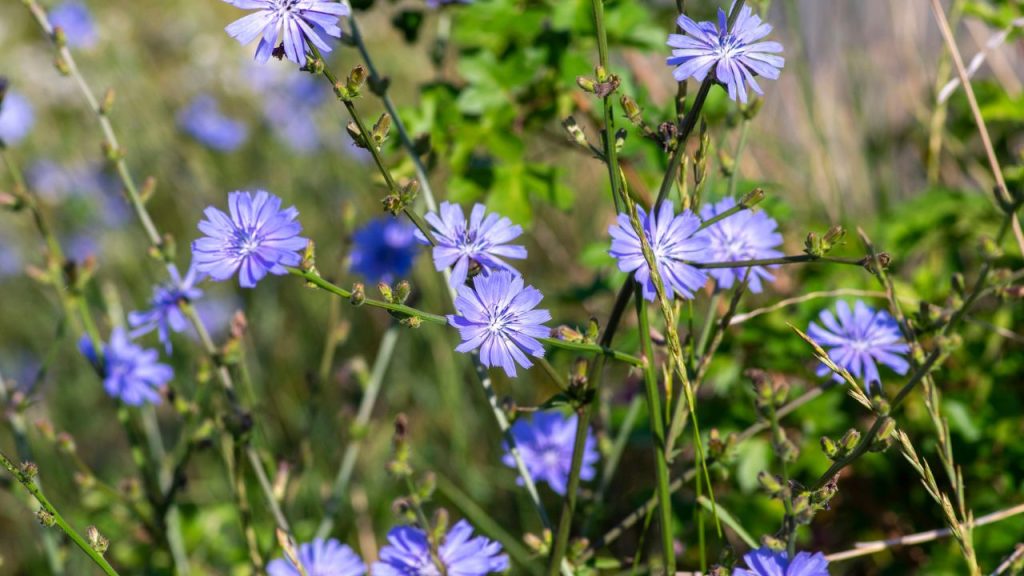
Chicory Roots can be roasted as a coffee substitute. Leaves are edible and medicinal. When life is upside down, something as close to coffee as you can get is going to be a big win.
8. Milkweed
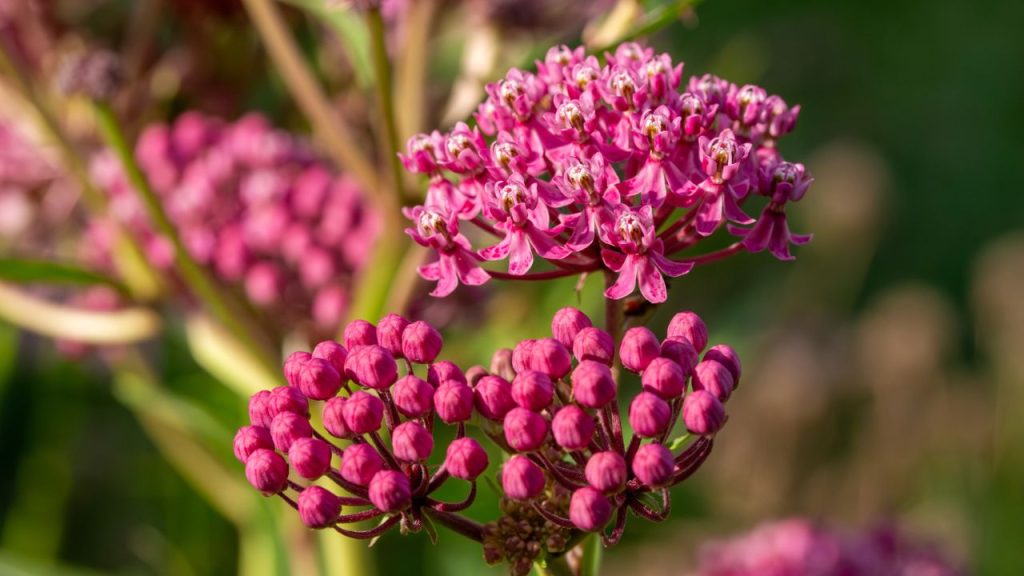
Milkweed, with its young shoots, pods, and flowers, is edible when properly prepared. It’s a magnet for pollinators, including monarch butterflies, making it beneficial for the environment and your garden. Though often overlooked as a food source, milkweed is a valuable addition to any survival garden.
9. Wild Garlic

Wild
10. Prickly Pear Cactus

Prickly Pear Cactus produces edible fruit and pads. Highly drought-resistant and offers hydration in arid environments. If you are in a desert area, this is the plant you need.
11. Serviceberry (Juneberry)
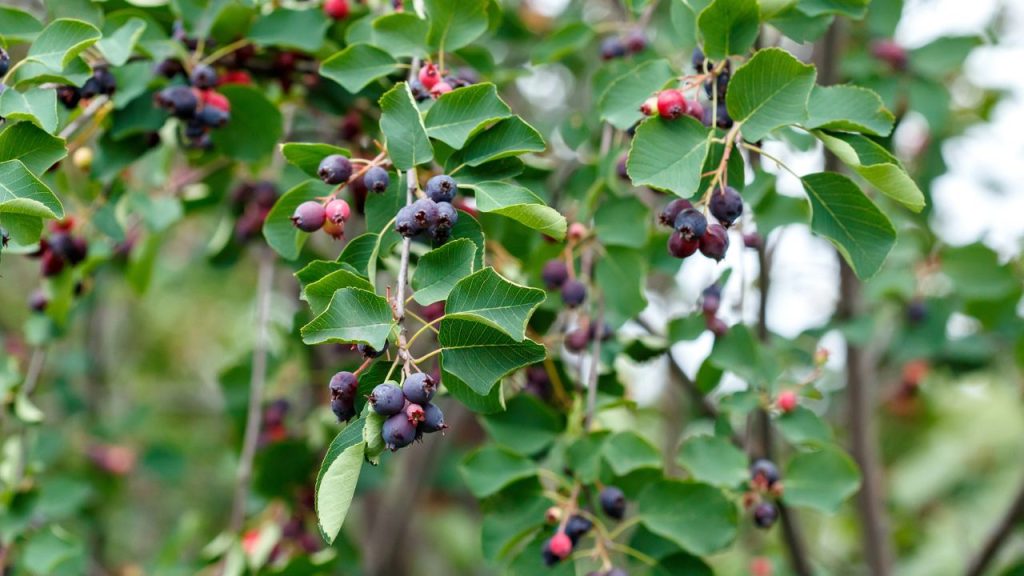
Serviceberry often referred to as Juneberry, Provides sweet, nutrient-rich berries that can be eaten fresh or dried. Thrives in a variety of conditions, including containers.
12. Horehound
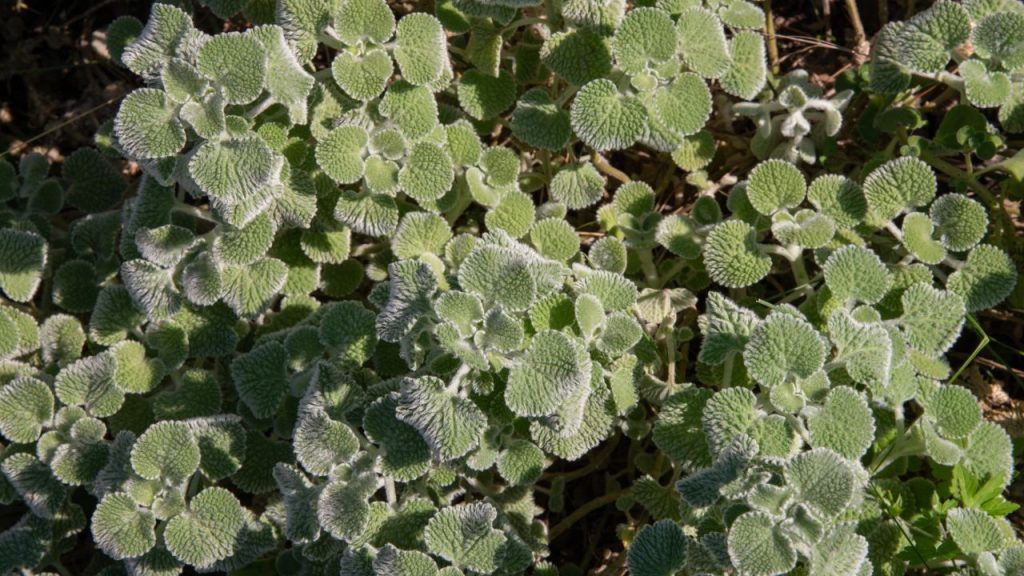
Horehound can be used to make cough syrups and teas for respiratory issues. It thrives in poor soil and requires little maintenance.
13. Wild Mint

Mint can be useful for teas, flavoring, and digestive health. Spreads easily and grows in various conditions. You can harvest a few leaves and it will continue to grow.
14. Plantain

Medicinal for wound healing and insect bites. Young leaves are edible and nutritious. This is a common weed found in disturbed soil.
15. Amaranth

Amaranth was a staple in the Aztec culture. It is high in protein and provides both edible leaves and seeds. It is similar to quinoa and can be served as a porridge. It can be ground into flour and used to make bread. Drought-resistant and easy to grow.
19 Sun Loving Perennials Perfect for Sun-Kissed Gardens
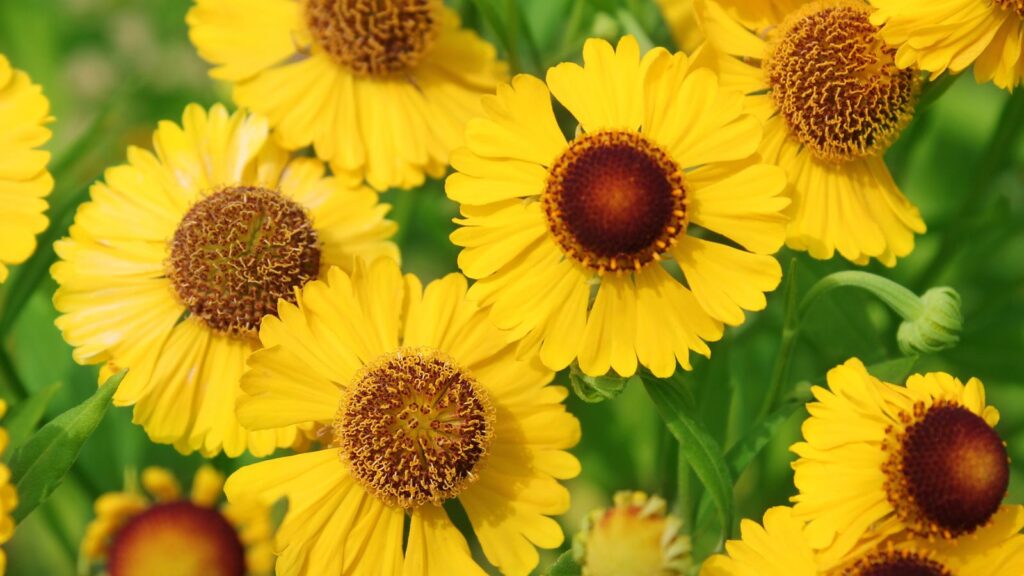
From the drought-tolerant
19 Sun Loving Perennials Perfect for Sun-Kissed Gardens
16 Colorful Drought Tolerant Native Plants to Add to Your Yard

If you want to brighten your garden, consider these 16 native plants that will thrive and bring life to your yard.
16 Colorful Drought Tolerant Native Plants to Add to Your Yard