
Choosing native plants is one of the easiest ways to create a vibrant, low-maintenance garden that’s full of personality. These hardy plants thrive even in challenging conditions, flourishing with little watering and care.
If you’re looking to fill your yard with color and life, consider these 16 native plants designed by nature to withstand drought and brighten your landscape.
Agastache

Agastache is a favorite among bees, hummingbirds, and butterflies. It features tall spikes of fragrant purple, pink, and orange flowers. Agastache requires full sun and well-drained soil. This plant is fairly pest-free and will bloom through the summer.
Poppy Mallow

Purple poppy mallow is a native perennial notable for its vibrant pinkish-purple cup-shaped flowers. These flowers bloom daily, closing each night, throughout a long flowering season starting in late spring or early summer. This plant is low-maintenance and provides a striking display when in bloom. It is also drought-tolerant and deer-resistant. Zones 4-8
Blanket Flower

Ideal for zones 3 to 10,
14 Stunning Plants That Bring Butterflies to Your Garden
Prickly Pear Cactus

Prickly Pear Cactus produces edible fruit and pads. Highly drought-resistant and offers hydration in arid environments. This is the plant you need if you are in a desert area.
Sneezeweed

Its bright, daisy-like flowers bloom in late summer and fall, bringing vibrant yellow, red, and bronze hues to sunny gardens. These flowers are perfect for cutting and arranging. Despite its name, it does not trigger sneezing or allergies. Zone 3-10
Bee Balm
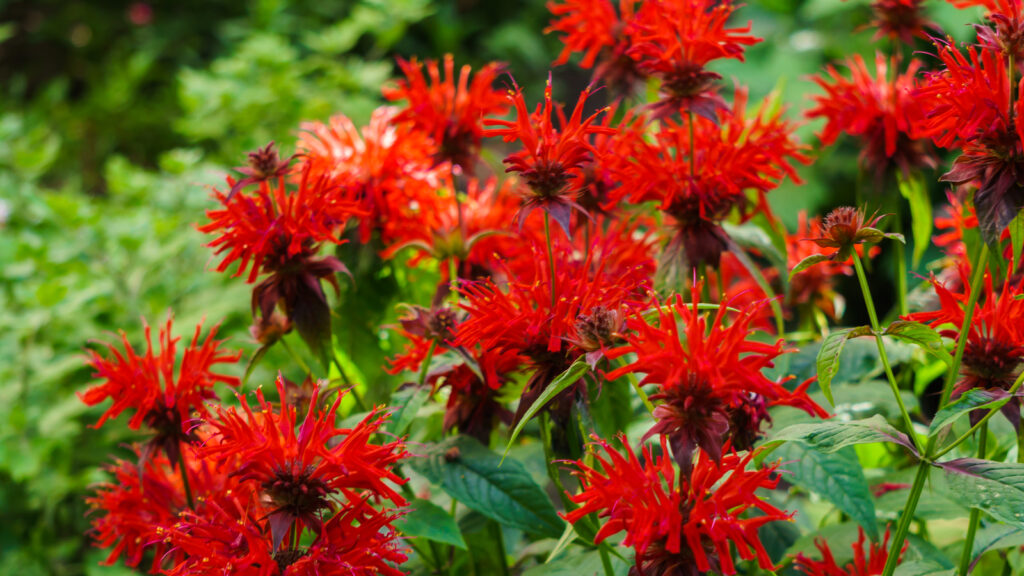
Bee balm is a win-win plant; it keeps mosquitoes at bay and attracts butterflies, bees, and even hummingbirds.
19 Stunning Red Flowers to Add Bold Color to Your Garden
Sedum (Autumn Joy)

Sedum varieties are completely maintenance-free and love the sun. They provide late-season blooms and are excellent for attracting butterflies. These flowers are long-lasting and dry well for winter arrangements. Zones 3-9
Goldenrod (Solidago spp.)
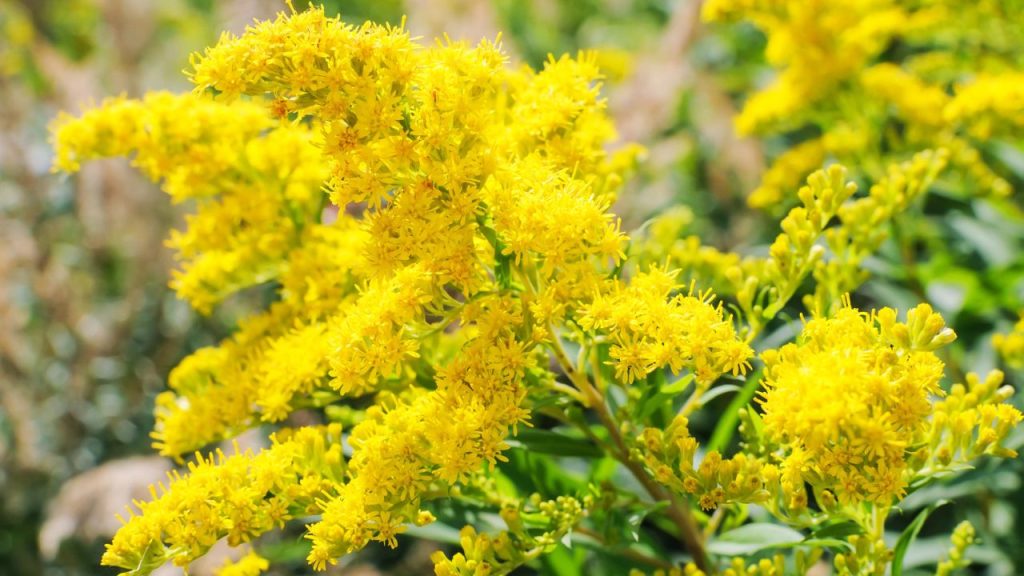
Goldenrod is a plant that blooms in late summer, showcasing tall spikes filled with small, bright yellow flowers. It does best in conditions ranging from full sun to partial shade. The vivid yellow flowers of
Yarrow (Achillea)

Yarrow produces clusters of small, flat-topped flowers in colors including yellow, white, pink, and red. It’s drought-tolerant and thrives in full sun. Zones 3-9
Penstemon

Penstemon is deer-resistant and known for its colorful, tubular flowers that attract bees and hummingbirds. Its unappealing taste and texture to deer make it an excellent choice for gardens seeking beauty and wildlife attraction without the deer problem. Zones 3-9
Aster
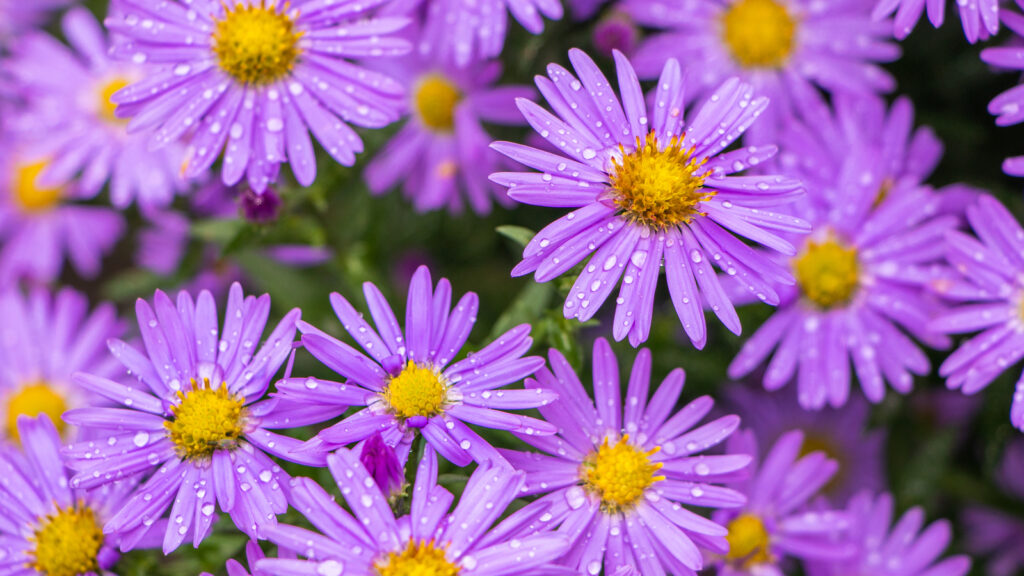
Asters are available in various shades of purple, pink, and yellow. These flowers attract pollinators and are perfect for fall gardens.
Echinacea (Purple Coneflower )

Also known as Echinacea,
Columbine

Columbine is a perennial with bright flowers contrasting against dark, clover-shaped leaves. Available in various colors, including two-tone, its unique bell-shaped flowers with five spurs catch the eye. This sun-loving perennial is Ideal for slopes, ledges, or open garden spaces. Columbine adds beauty, attracts wildlife, and deters deer. Zones 3-9
Related: 16 Stunning Purple Perennial Flowers That Will Make Your Garden Pop
Blazing Star
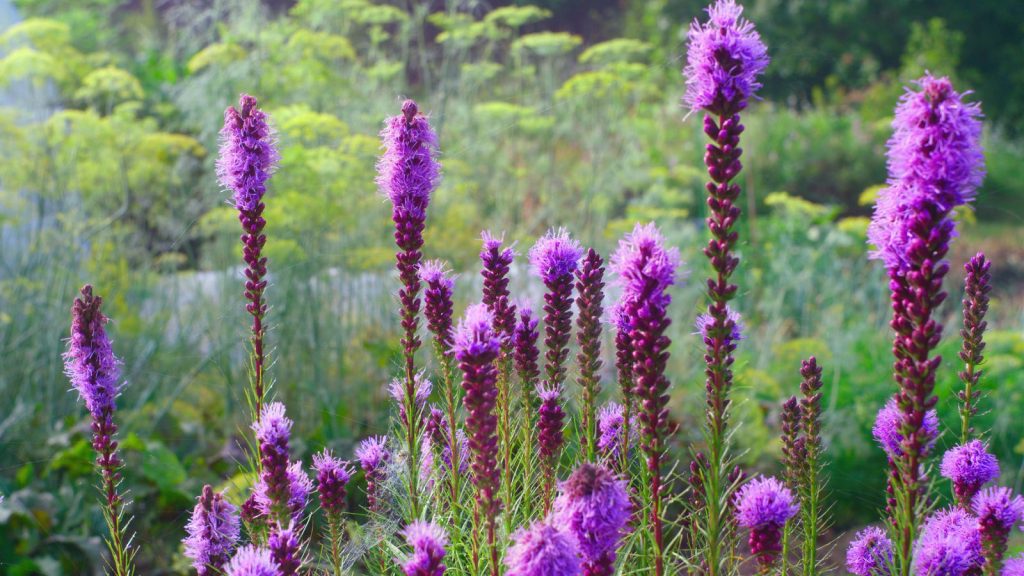
Blazing Star boasts tall spikes of vibrant purple flowers, making it a magnet for butterflies. Thriving in sunny spots with well-drained soil, this plant adds a striking vertical element to your garden and provides a valuable nectar pollinator source.
16 Stunning Purple Perennial Flowers That Will Make Your Garden Pop
Butterfly Weed

The butterfly weed, a form of milkweed, is a brightly colored wildflower. It blooms in vibrant shades of yellow, orange, and red. This sun-loving plant thrives in light, sandy soil with good drainage. Zones 3-9
False Indigo

Known for its striking spikes of brilliant blue color, False Indigo is a robust plant that thrives in the sun. This plant is practically indestructible, so it is best planted in well-drained soil where you want it to stay for a long time. Zones 3-9
18 Brilliant Blue Perennials to Add Splashes of Color to Your Garden
Black-Eyed Susan

With their striking yellow flowers, Black-Eyed Susans are excellent at attracting butterflies. These hardy, sun-loving plants can thrive in various conditions, making them a versatile choice for any butterfly garden. They are relatively pest-free, blooming in midsummer until hard frost. Use this beautiful plant as a border plant, ground cover for sunny spots, or plant it in large groups in the flower or vegetable garden. Zones 3-9
Tickseed (Coreopsis)
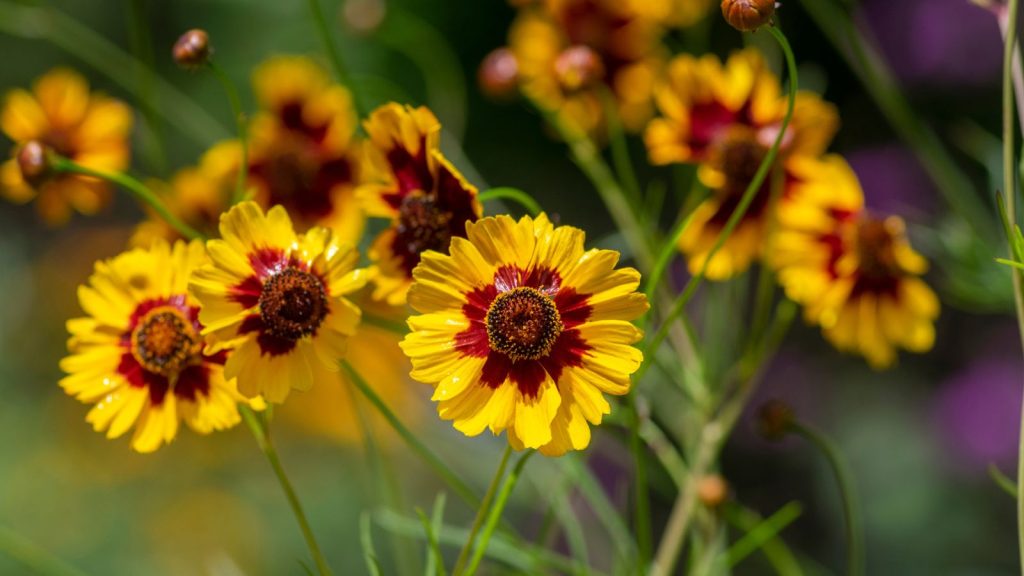
Coreopsis is known for its bright, daisy-like flowers in shades of yellow, gold, orange, and sometimes red or pink.
This hardy, drought-tolerant plant blooms from early summer to fall, adding lasting color to the garden. It thrives in full sun and well-drained soil, making it an easy-care option for various settings. Zones 2-8
8 Budget-Friendly Front Yard Ideas for Stunning Curb Appeal

Improving your home’s curb appeal not only makes your home look good but can also boost its value. Even if you are on a tight budget, with simple yet affordable ideas, you can have your front yard looking like a star in no time. Here are 28 ways to give your front yard the attention it deserves and transform it into a beautiful and inviting space you can be proud of.
28 Budget-Friendly Front Yard Ideas for Stunning Curb Appeal
11 Reasons Banana Peels Are the Secret Ingredient Your Garden Needs

Banana peels are not just kitchen scraps but an excellent way to enrich your garden. Here are 11 reasons banana peels can be your garden’s secret ingredient.
11 Reasons Banana Peels Are the Secret Ingredient Your Garden
17 Plants That Will Keep Squirrels From Eating Your Garden

To help you safeguard your garden, we’ve handpicked 17 plants Squirrels tend to avoid due to their taste, smell, or texture.
17 Plants That Will Keep Squirrels From Eating Your Garden
Plants You Should Never Grow Too Close To Your Hydrangeas

Although hydrangeas can be compatible with many plants, some can adversely affect their growth. Here are 14 plants you should never grow next to your hydrangeas.