A green lawn and healthy garden are what every homeowner and gardener aims for. While basic tasks like watering, planting, mowing, and fertilizing are simple enough, dealing with pests can be a bit more challenging. These pests can quietly cause significant damage if not controlled. It’s important to stay on top of these threats to keep your outdoor space looking its best. Here are seven sneaky pests to keep a close eye on.
Japanese Beetles

Japanese beetles, scientifically known as Popillia japonica, are highly invasive pests that can cause significant damage to gardens and crops. Japanese beetles feed on many plant species’ leaves, flowers, and fruit and harm lawns via their grass roots.
Most damage caused by a Japanese beetle is easy to spot. There are distinct signs such as skeletonized leaves, flowers with chewed, ragged petals, and fruits with holes or scarring. In lawns, brown or dead patches indicate Japanese beetles active from larvae feeding on grass roots.
How to Prevent Japanese Beetles from Ruining Your Garden
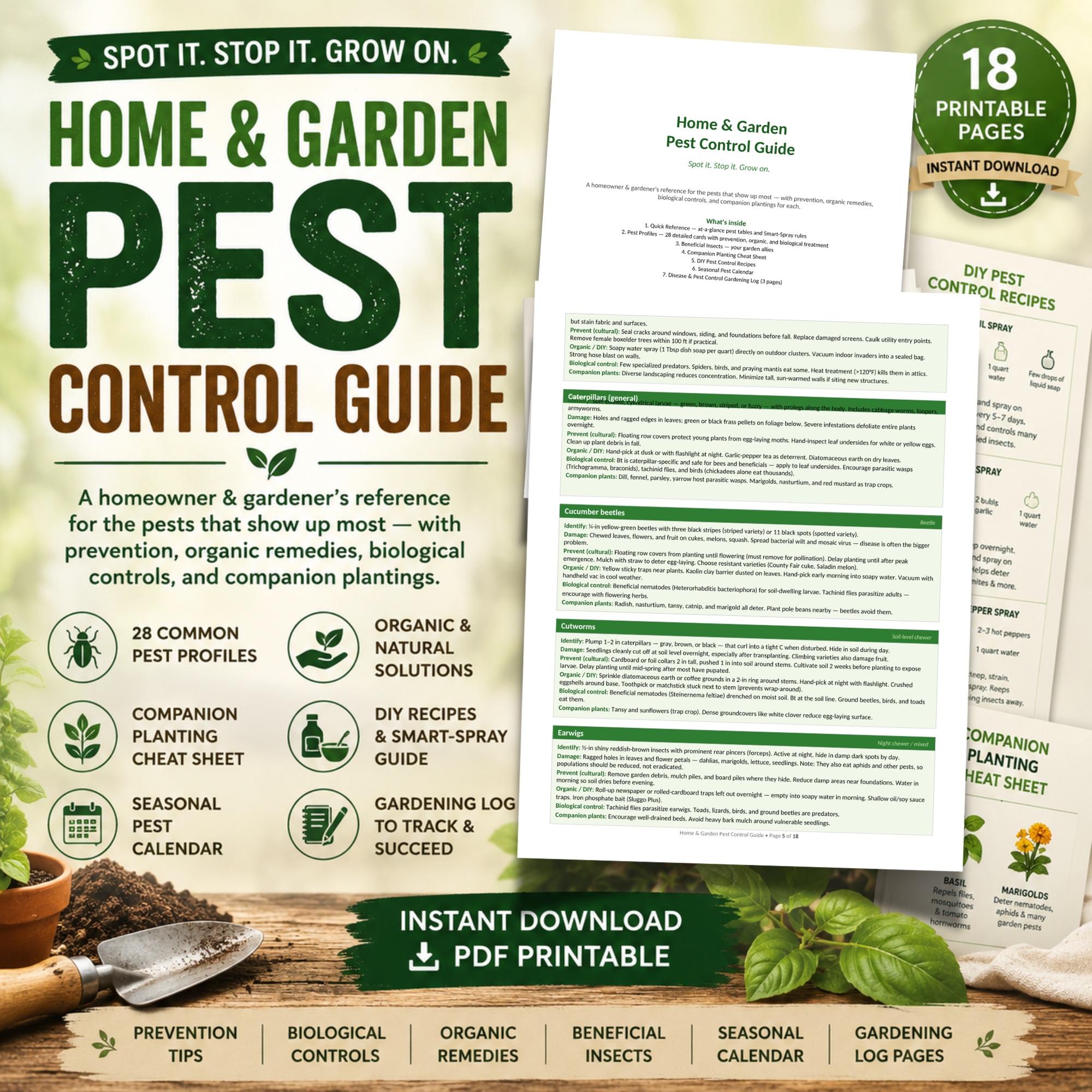
18-page quick guide and reference for gardeners dealing with pests that show up the most. From prevention strategies to treatment and remedies, this is the perfect printable for your garden.
Aphids

Aphids are tiny pests that can attack almost any plant, especially during hot, dry conditions. They damage foliage, turning it yellow or wilted, and can even spread plant diseases. To control aphids, avoid insecticides that harm beneficial insects. Instead, spray them off with water or use a mild insecticidal soap.
Squirrels

Squirrels, with their playful antics, are charming to watch but can become a serious nuisance in your garden. They nibble on plants and uproot lawns while searching for acorns and have an affinity for ripe tomatoes and other fruits and vegetables. So, if you’ve ever found a tiny bite taken out of your homegrown tomatoes, chances are a squirrel is to blame. Squirrels have no qualms about invading your garden and digging up newly planted seedlings.
How to Outsmart Squirrels to Keep Them Away From Your Tomato Plants
Deer

Deer might be pleasant to observe, but they can quickly become a problem in your garden by eating your plants. This can be frustrating for any gardener. To keep them away, consider planting deer-resistant perennials, setting up fences, or using simple scare tactics to deter them from your garden. These strategies can help reduce the damage deer cause.
14 Lovely Perennials That Deer Won’t Touch
Moles

Moles play an important role in the ecosystem, but they can cause serious damage to our gardens and lawns. If you’re tired of seeing molehills pop up, try these natural methods to keep them at bay. Plant mole-repelling plants, such as marigolds or daffodils, use natural repellents like castor oil or coffee grounds, and regularly aerate your lawn to disrupt the insects that moles feed on. These simple steps can help protect your yard while keeping things eco-friendly.
20 Ways to Stop Moles from Wreaking Your Yard
Rabbits

One clear sign of rabbits in your garden is their preference for young, tender plants. After their feasting, your plants will appear neatly clipped, and you might find small pellets of rabbit droppings. You may also notice digging, particularly around the garden’s edges. Discovering rabbits in your garden and seeing the damage they’ve caused can be frustrating.
How to Keep Rabbits from Destroying Your Fruits, Veggies and Perennials
Ticks

Finding a tick latched onto your cat, dog, or yourself is truly unsettling. These tiny, blood-sucking pests not only look disturbing but can also spread diseases like Lyme disease, babesiosis, and ehrlichiosis to both humans and animals. Their bites may cause skin irritation or infections if left untreated. Removing ticks from your yard can be tricky, as it often requires a combination of strategies to prevent new infestations. Ticks can hitch a ride on wild animals, and their eggs can remain in overgrown areas long after the host has moved on.
Slugs

Slugs are slimy pests that feed on the leaves, stems, and flowers, leaving behind holes and ragged edges. To keep them out of your garden, clear away debris and mulch where they tend to hide.
12 Natural Ways to Get Rid of Weeds in Your Garden

While we may tolerate certain weeds like dandelions, most gardeners aim to remove these undesired plants from their gardens—for good. To help you get rid of weeds in your garden, here are 12 natural methods to consider.
12 Natural Ways to Get Rid of Weeds in Your Garden
How to Outsmart Gnats to Keep Them Away From Your Houseplants
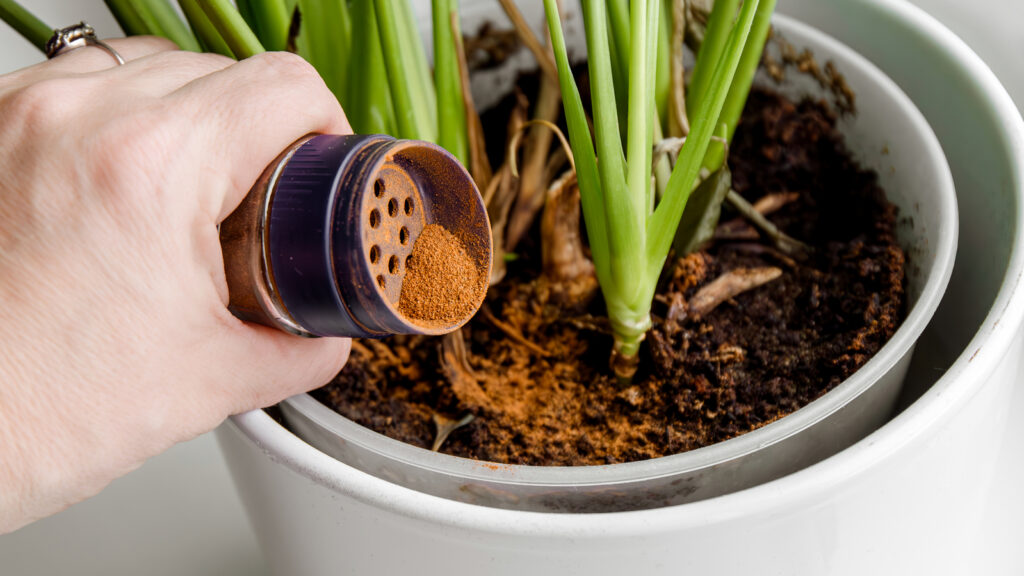
Gnats are more than just a minor annoyance; these tiny pests buzz around with a persistence that’s hard to ignore. Here are ten effective ways to keep gnats away from your house plants.
How to Outsmart Gnats to Keep Them Away From Your Plants
How to Attract Hummingbirds to Your Garden

If you’re eager to see more hummingbirds in your garden, here are nine practical ways to make it a welcoming place for them.