


Strawberries are a delicious perennial fruit that can provide you with sweet, flavorful berries year after year. They are hardy plants that adapt well to various soils and growing conditions, making them a wonderful choice for gardeners. You can grow strawberries in garden beds, containers, or even hydroponic systems.
To thrive, strawberries need the right combination of location, soil, sunlight, watering, and protection from pests and diseases.
Here’s a guide on all that you need to know to grow healthy strawberries—from selecting the right variety to harvesting your first ripe berry.
Types of Strawberries

But first, there are three main types of strawberries you can choose from:
- June-bearing: Sometimes called summer-fruiting, June-bearing varieties produce many berries from mid-June to early July. June-bearing strawberries typically produce the most berries on each plant and are the most popular with home gardeners.
- Ever-bearing: Also known as perpetual strawberries, these produce two crops yearly. The first crop is early in the summer, and the second in the early fall. They can also be produced lightly throughout the summer.
- Day Neutrals produce berries steadily throughout the growing season. They produce less per plant, but commercial growers prefer the continuous berries.
Most gardeners start strawberries as potted plants from the garden center, but you can also buy large quantities of bare root plants from your local county extension offices. You can also grow strawberries from seeds, although this takes longer and can be trickier.
Select the Best Location

Strawberries need full sun to produce lots of berries, so choose a spot that gets at least 6 hours of sunlight each day (although 10 hours is even better). They prefer a well-draining loam or sandy loam soil with a pH between 5.5 and 7.0.
How to Test your Garden Soil: A Comprehensive Guide
When to Plant Strawberries
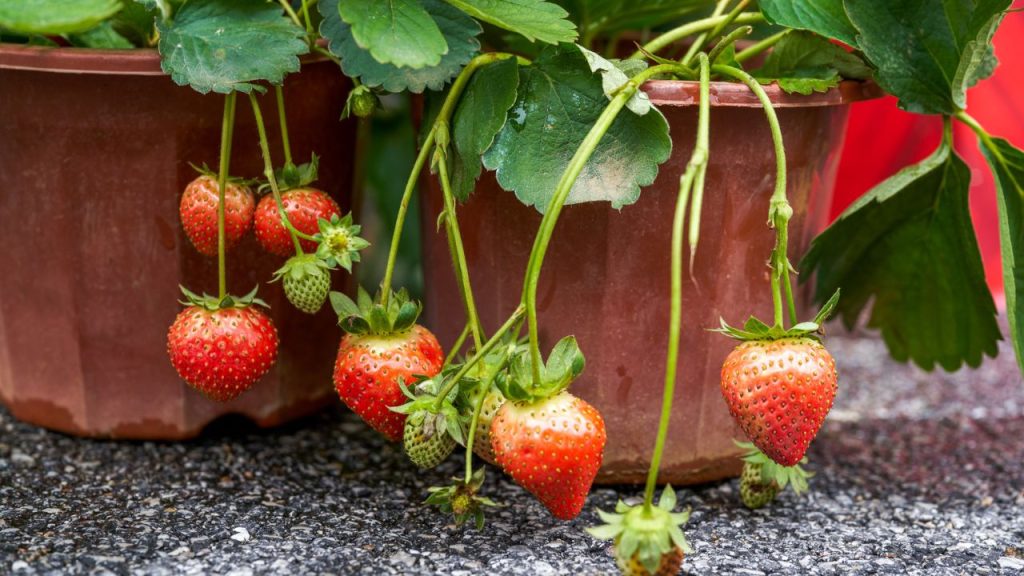
You can plant strawberries as soon as the soil can be worked in the spring. In most areas, this is usually from late April until the end of May.
Before planting, add a 1-inch layer of compost to your berry patch. Afterward, you can side-dress your plants with compost each spring and never need to fertilize your strawberries.
How to Plant Strawberries
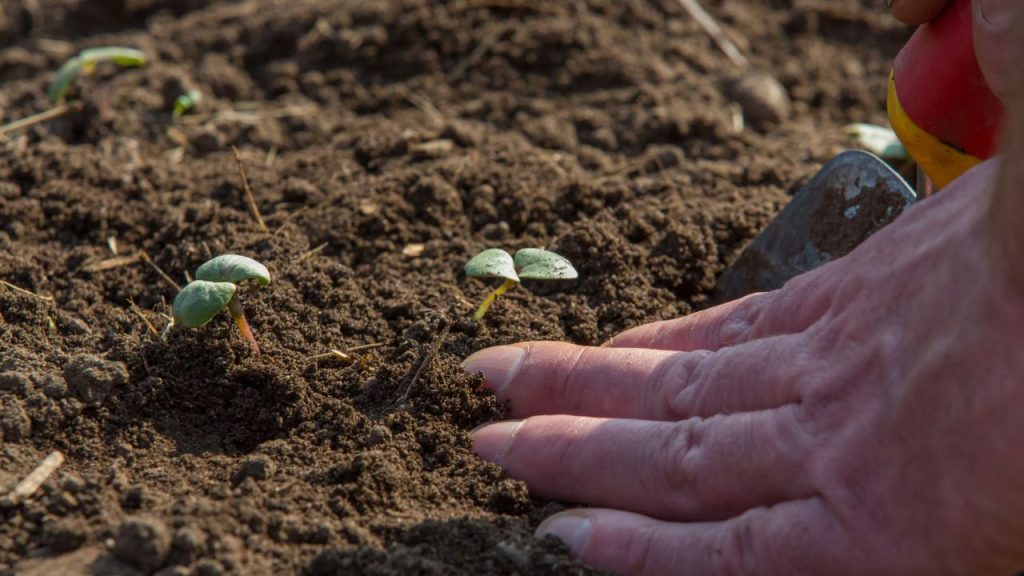
Space strawberry plants roughly 12 inches apart in rows 3-4 feet wide to allow good air circulation and reduce the chance of disease. If you want your runners to fill in the spaces between, consider spacing them 18 inches apart to prevent them from becoming overcrowded.
Dig a hole large enough to accommodate the entire root structure, set in your strawberry plant so that the crown is level with the surface of the soil (any deeper and the plant will rot), and gently backfill the soil around it.
Special Care in the First Year

The first year is critical for any perennial, so it is important to give your strawberries a little extra care when they are just starting by doing the following:
- Pinch off flowers first year: While this might seem incredibly hard, it will help your plants in the long run. By removing the blooms, the plant won’t have to produce berries and can put all its energy into establishing strong roots.
- Water consistently: Give your newly planted strawberries consistent watering for the first few weeks to ensure they don’t dry out. After that, you can put them on a regular watering schedule with the rest of your garden (see below).
Strawberries are quite easy to grow and only need basic care. Once your strawberries are in the ground, keep them growing nicely by:
Provide Sufficient Water

Give your strawberries approximately 1 inch of water each week, although they may need more in hot, dry weather. Strawberries are prone to mold and fungal diseases, so water early in the day so the foliage can dry before night to prevent the spores from spreading. Mulching also helps to keep moisture around the shallow roots.
How to Water Your Garden The Right Way
Be Sure to Weed It

Strawberries do not compete very well, so keep down the weeds to keep them from choking out your berries. Weed carefully so as not to disturb the shallow roots or runners, and mulching helps with weed problems, too.
Pest Control
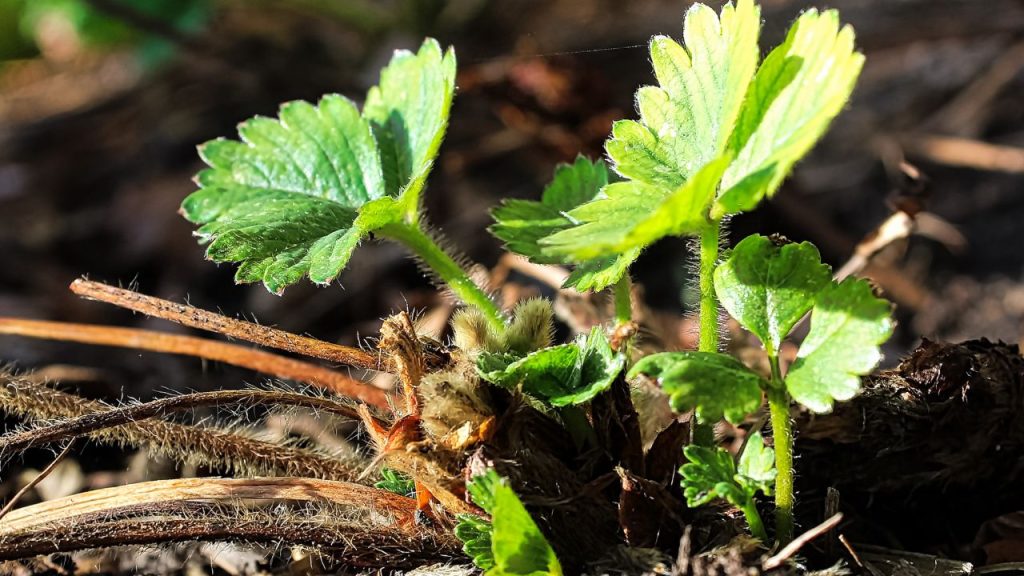
Many critters will love strawberries as much as we do. Insects (such as spider mites or aphids), mice, squirrels, birds, and more will try to get the berries before you can, and prevention is your best defense.
Keeping your patch weeded helps by getting rid of spots the pests can hide in, and you can raise the berries off the ground. If birds are a problem, choose a wildlife-safe netting to keep them out.
Train or Remove Runners

Strawberries spread by sending out runners. These trailing stems grow along the ground and sprout roots that grow into the soil to become a new “daughter plant.” You can train runners by gently bending the stems into the row with your other plants or cut off the runners if your patch is overgrown.
Harvesting Strawberries

Your strawberries will be ripe for picking about four weeks after the flowers appear. A strawberry starts ripening at the tip, and the red slowly moves towards the stem. A strawberry will be fully ripe when the entire berry has turned red.
TIP: Some varieties of strawberries have white shoulders just under the leaves, so check your variety before harvesting to make sure.
Do not use size to determine ripeness. A tiny red strawberry is fully ripe and won’t grow any bigger (and many of the small varieties are even sweeter than the larger berries). It is also important to know that strawberries will not ripen after they are picked, so it is best to wait until the peak sweetness once they have become a deep red.
Grow the Sweetest Strawberries With These Companion Plants

By choosing plants that complement strawberries’ needs, gardeners can create a beautiful, productive garden. Here are 14 companion plants to consider for your strawberry garden.
Grow the Sweetest Strawberries With These Companion Plants
Grow Juicier, Tastier Tomatoes with These 15 Companion Plants

Companion planting is an age-old gardening method that can help prevent common plant issues and boost crop yields. By using some of the best companion plants for tomatoes, your harvests will be better than ever. Here are the 15 best companion plants for your tomato garden.
Grow Juicier, Tastier Tomatoes with These 15 Companion Plants