Tomatoes can’t scream for help, but they definitely show signs when something is wrong, especially when they’re getting too much water. It might seem like more water equals healthier plants, but tomatoes are surprisingly sensitive to overwatering.
I didn’t realize it at first, but the leaves, stems, and even the fruit were sending subtle distress signals. Learning to recognize these early signs can mean the difference between a struggling plant and a strong harvest. Here are the warning signs I wish I had noticed sooner.
Yellowing Leaves at the Bottom
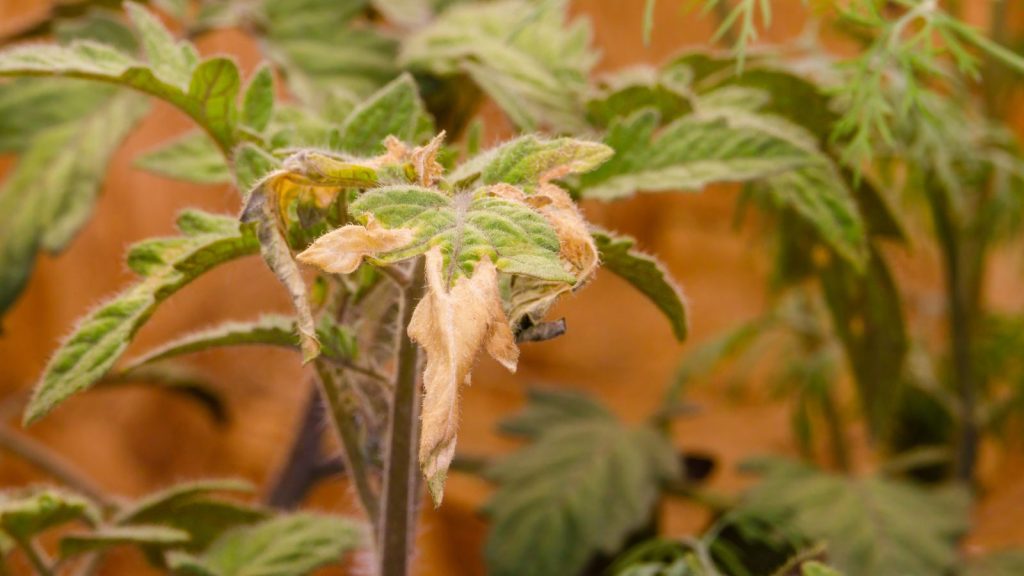
One of the first signs of stress to look for is yellowing leaves. While some yellowing is normal as the plant matures, widespread yellowing that starts at the bottom and moves upward is a red flag. This often means your tomato plant is receiving too much water, though it can also signal underwatering.
Tomatoes need consistent moisture, so check the soil before watering. If it feels dry about an inch below the surface, it’s time to water. If it feels soggy, hold off and allow the soil to dry out. Good drainage is also essential to keep the roots healthy.
Wilting Despite Moist Soil

Wilting can be a result of overwatering, but it may also point to root problems or disease. If the soil feels damp yet the plant still looks droopy, it could be a sign of root damage caused by too much moisture. Healthy roots should be white and firm, while brown, soft, or mushy roots are a sign that something is wrong.
Swollen or Waterlogged Stems
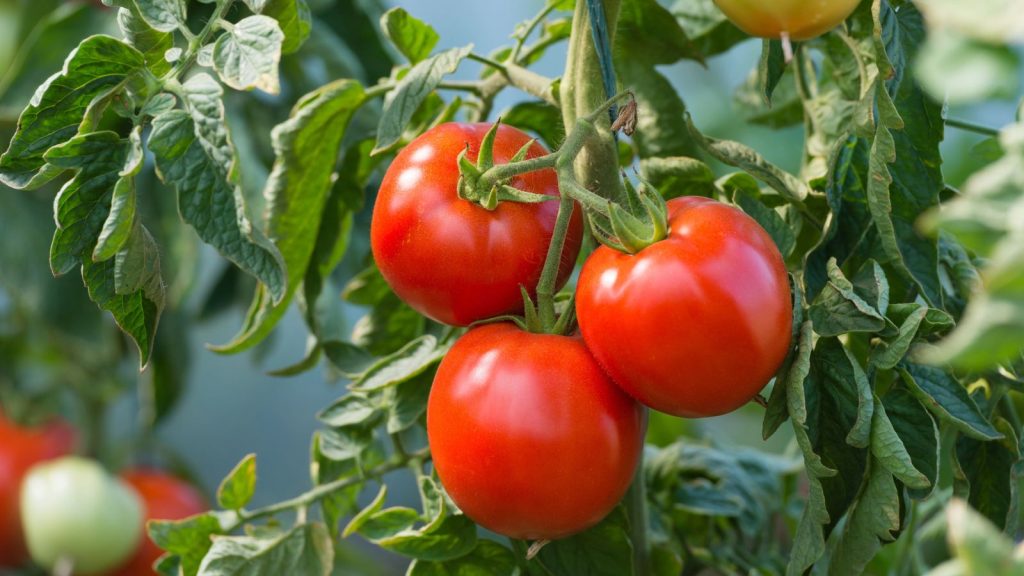
Mushy or swollen stems are another sign of overwatering. If the base of the stem appears soft, enlarged, or waterlogged, it may be an early indication of stem rot, which can severely harm the plant if left unaddressed.
Curled Leaves That Don’t Look Right

Leaf curl is often dismissed as a response to heat or wind, but overwatering is another common cause. When leaves curl downward and feel leathery, it’s usually a sign of stress caused by excess moisture around the roots. While the plant may continue to grow, ongoing stress can affect overall health and fruit production. Allowing the soil to dry out for a few days, maintaining consistent watering, providing afternoon shade, and avoiding herbicide drift can help the plant recover.
Blossom End Rot

Blossom end rot appears as a dark, sunken spot on the bottom of the tomato and is often linked to calcium deficiency. While lack of calcium is the root issue, inconsistent watering—especially overwatering—can make the problem worse.
Too much moisture can damage the roots, limiting their ability to transport calcium to developing fruits. Once affected, the fruit cannot be saved, but adjusting the watering routine can help prevent blossom end rot in future harvests.
Fruit Cracking or Splitting

Tomato cracking often happens when the plant suddenly takes in a large amount of water after a dry period. This causes the fruit to swell faster than the skin can stretch, leading to splits or cracks. While rain is a common cause, overwatering during dry weather can have the same effect.
Even though tomatoes need water to develop juicy fruit, too much at once—especially late in the season—can harm both fruit quality and plant health. The key is consistent moisture. Avoid strict watering schedules and instead check the soil regularly, watering only when needed. Harvesting ripe tomatoes promptly also helps prevent splitting.
Slow or Stunted Growth Without Obvious Cause

When a tomato plant remains small or appears weak, several issues may be at play—compacted soil, nutrient deficiencies, or even root-knot nematodes. However, overwatering is another common cause that’s often overlooked. Too much water limits oxygen at the root level, slowing growth and weakening the plant’s ability to thrive. Since tomatoes are heavy feeders, it’s also important to prepare the soil with compost or well-rotted manure before planting to support healthy development.
Mold and Mildew at the Base
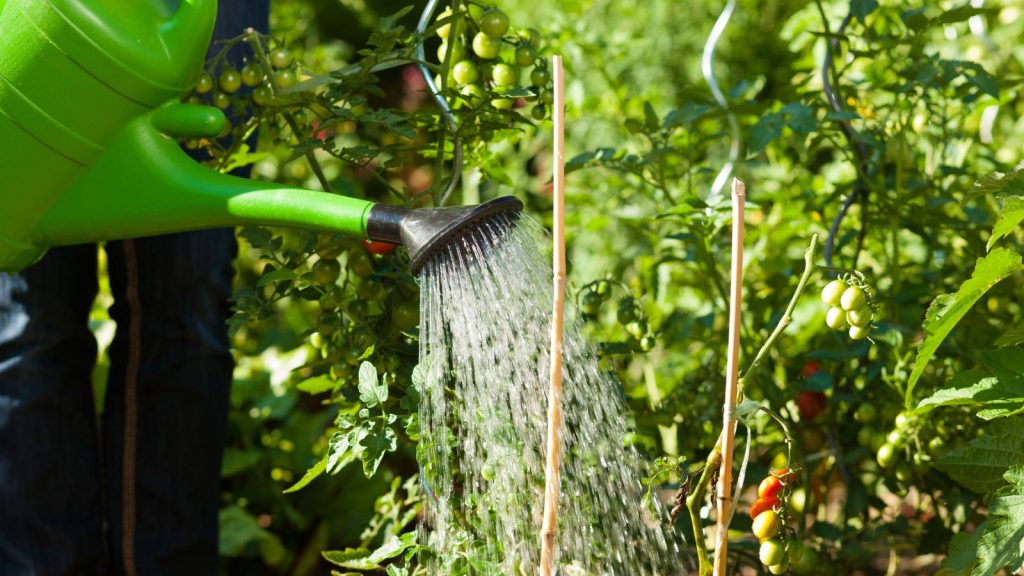
If the soil around your tomato is always damp and starting to smell, you may be overwatering. Overwatering can lead to mold at the base, which may also lead to stem rot. Let the soil dry out slightly between waterings, and add mulch to help regulate moisture more effectively.
I’ve Grown Tomatoes for Years —These Are the Tips That Actually Work
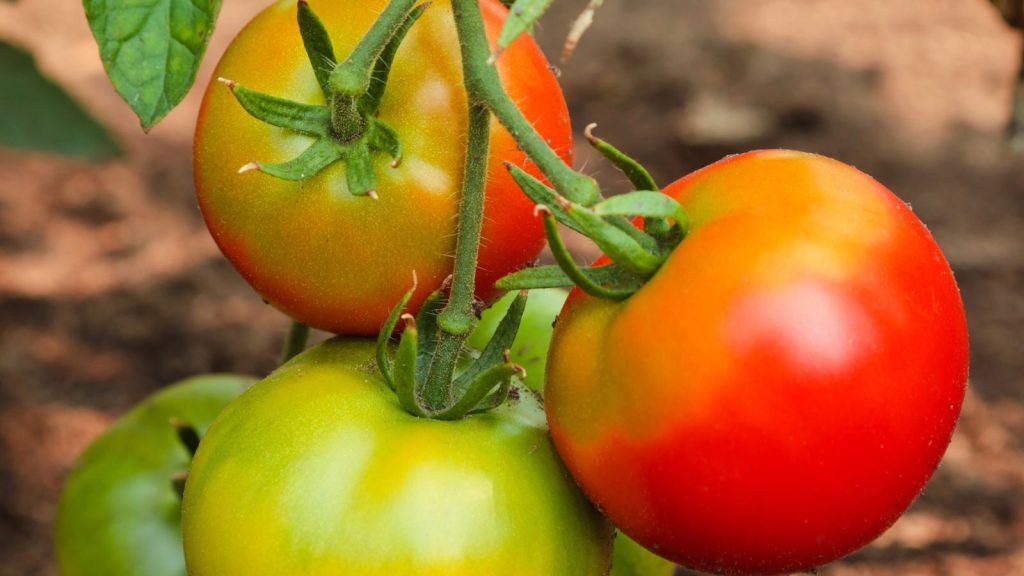
If you’re tired of trial and error and need advice that actually yields results, here are 18 tips that’ll help you grow the best tomatoes of your life.
I’ve Grown Tomatoes for Years —These Are the Tips That Actually Work
Grow Juicier, Tastier Tomatoes with These 15 Companion Plants

Companion planting is an age-old gardening method that can help prevent common plant issues and boost crop yields. By using some of the best companion plants for tomatoes, your harvests will be better than ever. Here are the 15 best companion plants for your tomato garden.
Grow Juicier, Tastier Tomatoes with These 15 Companion Plants
How to Support Tomatoes: Tomato Stakes vs. Tomato Cages
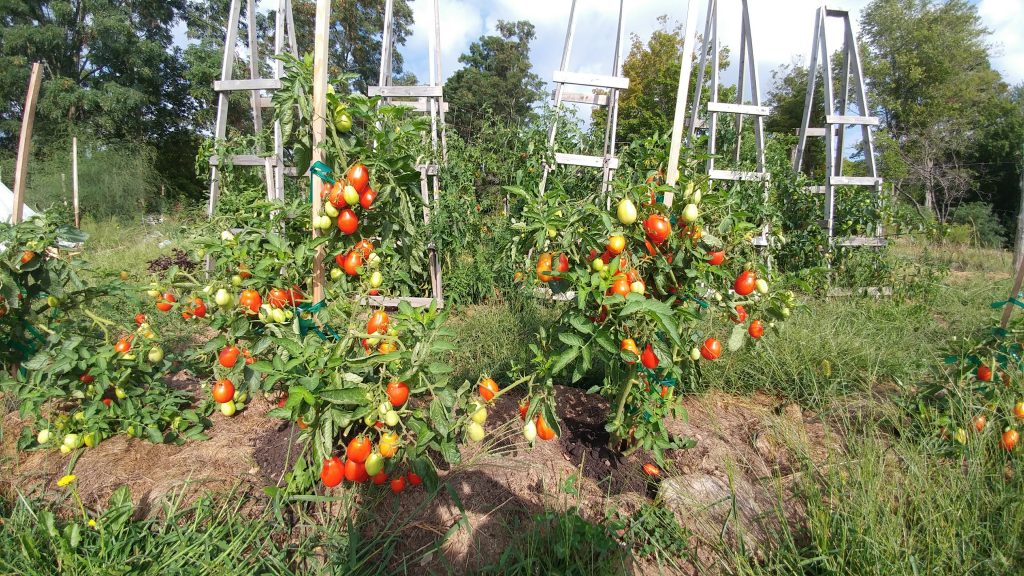
Supporting garden tomatoes with tomato stakes or cages is necessary for all but a few varieties of tomatoes. Without some form of support, your tomato plant will sprawl out over the ground. Here, we’ll share some considerations to help you make a choice that will work for your garden.
How to Support Tomatoes: Tomato Stakes vs. Tomato Cages
How to Properly Prune Tomato Plants

If you’re dealing with tomato plants that often get diseased, tend to droop, or look unhealthy, pruning should be on your gardening checklist. Here’s how you can properly prune your tomato plants.