Weeds often appear where they’re not wanted, spreading quickly and competing with your garden plants. Many gardeners remove them right away, but not every weed needs to go.
Some common weeds can be useful, helping improve the soil, attracting pollinators, and even offering edible parts. At the same time, many gardens focus on cultivated plants that may not give as much back to local wildlife.
Here are 11 “weeds” you may want to think twice about pulling from your garden.
Dandelion
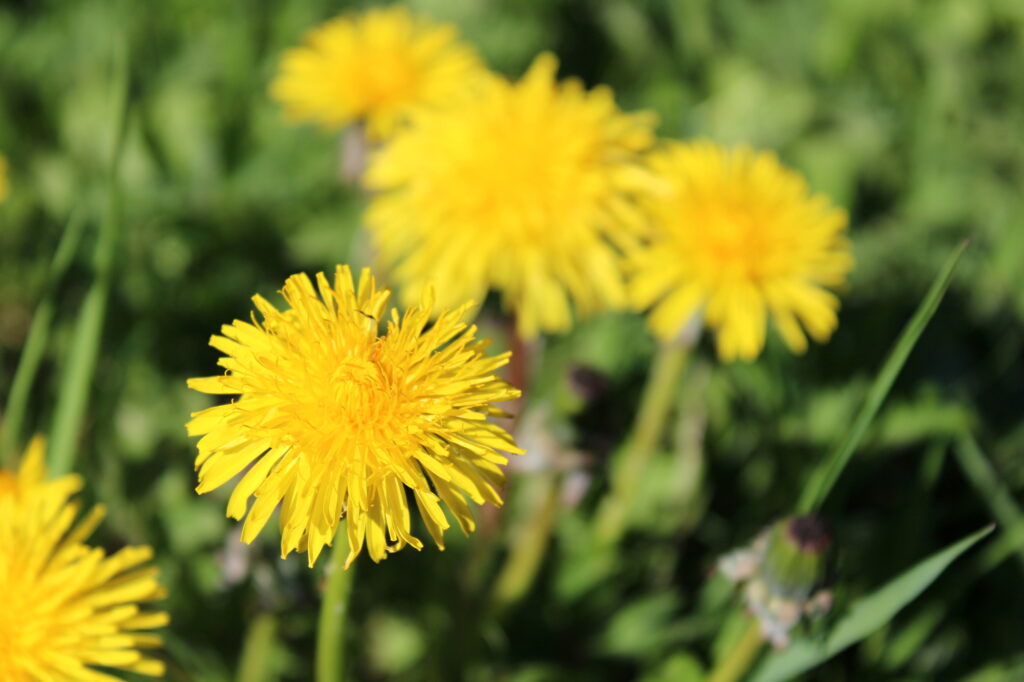
The dandelion is a resilient plant that thrives in various environments. Often dismissed as a common weed, dandelions actually offer many benefits. They can be consumed or used in natural remedies.
Every part of the dandelion, from the yellow flower to the roots, is edible. The green leaves can be a nutritious addition to salads, teas, and other dishes.
Related: 17 Uses for Dandelions
Calendula

Calendula is a bright and cheerful plant that enhances any garden. Plant it in early spring to enjoy its vibrant flowers from late spring until early summer.
Calendula flowers and petals can be used in cooking. While the leaves are edible, they tend to be bitter and are commonly added to salads for an extra bite.
Calendulas are easy to grow in well-drained soil and thrive in gentle sunlight. They also help in pest control and deter deer and rabbits, making them beneficial for protecting vegetable gardens.
Stinging Nettle

Stinging Nettles works well as a fertilizer for the garden. Think twice before getting rid of this weed.
Burdock

You might not be aware, but burdock is commonly used in various home remedies, including teas and skin treatments. It’s actually regarded as a beneficial weed.
Broadleaf Plantain

The Broadleaf Plantain is not only edible but also possesses medicinal benefits. Allowing plantain to grow and naturally die back can enhance your soil’s health.
For a more organized garden, trim the leaves each month and either mix them into the mulch or spread them over the soil to break down naturally.
Goldenrod (Solidago spp.)

Goldenrod flowers in late summer, offering a spectacular display of gold that attracts an array of pollinators. This plant is a robust addition to any garden, thriving in various conditions and supporting local wildlife ecosystems.
Wild Violets

Wild violets are tough little plants that can grow just about anywhere. These wildflowers often appear in lawns, where they’re frequently removed with herbicides or weeding.
While some consider them annoying weeds, their distinctive purple-blue flowers and heart-shaped leaves are actually edible and a Great Source of Food for Pollinators.
Bugleweed (Ajuga reptans)

Bugleweed is a fast-growing ground cover with attractive green, bronze, and purple foliage. It suppresses weeds and spreads rapidly, particularly in partial to full shade.
Plant bugleweed in the spring or fall, spacing the plants 8-12 inches apart. Removing unwanted runners can control excessive growth.
Clover (Trifolium repens)

Clover makes an excellent grass replacement, improves soil fertility, and attracts beneficial insects. It is one of the best ground-cover plants for high-traffic areas and can withstand regular mowing.
Clover is best grown from seed in the early spring or fall, preparing the soil first to create a fine tilth. Water regularly until the seeds germinate and during dry spells.
Periwinkle (Vinca minor)

Periwinkle, or creeping myrtle, forms a dense mat of glossy green leaves and blue or purple flowers. It is established quickly in shady areas and requires little maintenance.
To grow a periwinkle lawn, plant young plugs about 12 inches apart in spring or fall. Water regularly and prune the outer edges to control the lawn’s spread.
Related: 16 Stunning Purple Perennial Flowers That Will Make Your Garden Pop
Lemon Balm

Lemon balm has a pleasant lemony scent that can create a beautiful aroma in your garden – but a very unpleasant scent for mosquitoes.
This perennial can be grown in pots or directly in the ground, making it suitable for gardens of all sizes. Lemon balm can be invasive, so it’s best to plant it in a pot so it doesn’t overtake your herb garden.